By MDR SACHSEN | Updated: October 27, 2026, 12:04 PM
In a significant display of inter-agency cooperation, the Truppenübungsplatz Oberlausitz (Oberlausitz Military Training Area) in the Görlitz district has become the epicenter of a complex, three-day emergency response simulation. Known as "MURE26," the exercise brings together the Bundeswehr, state police, municipal fire departments, and regional rescue services to stress-test their ability to manage large-scale crises through integrated digital communication.
As modern security challenges grow in both frequency and technical complexity, the synchronization of military and civil protection assets has become a cornerstone of national security strategy. The MURE26 exercise represents a critical effort to ensure that, in the event of a catastrophic failure—whether natural or man-made—the various threads of public safety can be woven into a singular, responsive fabric.
Main Facts: The Scope of MURE26
The MURE26 exercise is designed to simulate a high-pressure, multi-hazard environment where traditional communication infrastructure is either compromised or overwhelmed. The primary objective is not merely to practice rescue techniques, but to evaluate the functionality and resilience of the digital radio networks that serve as the backbone of emergency operations.
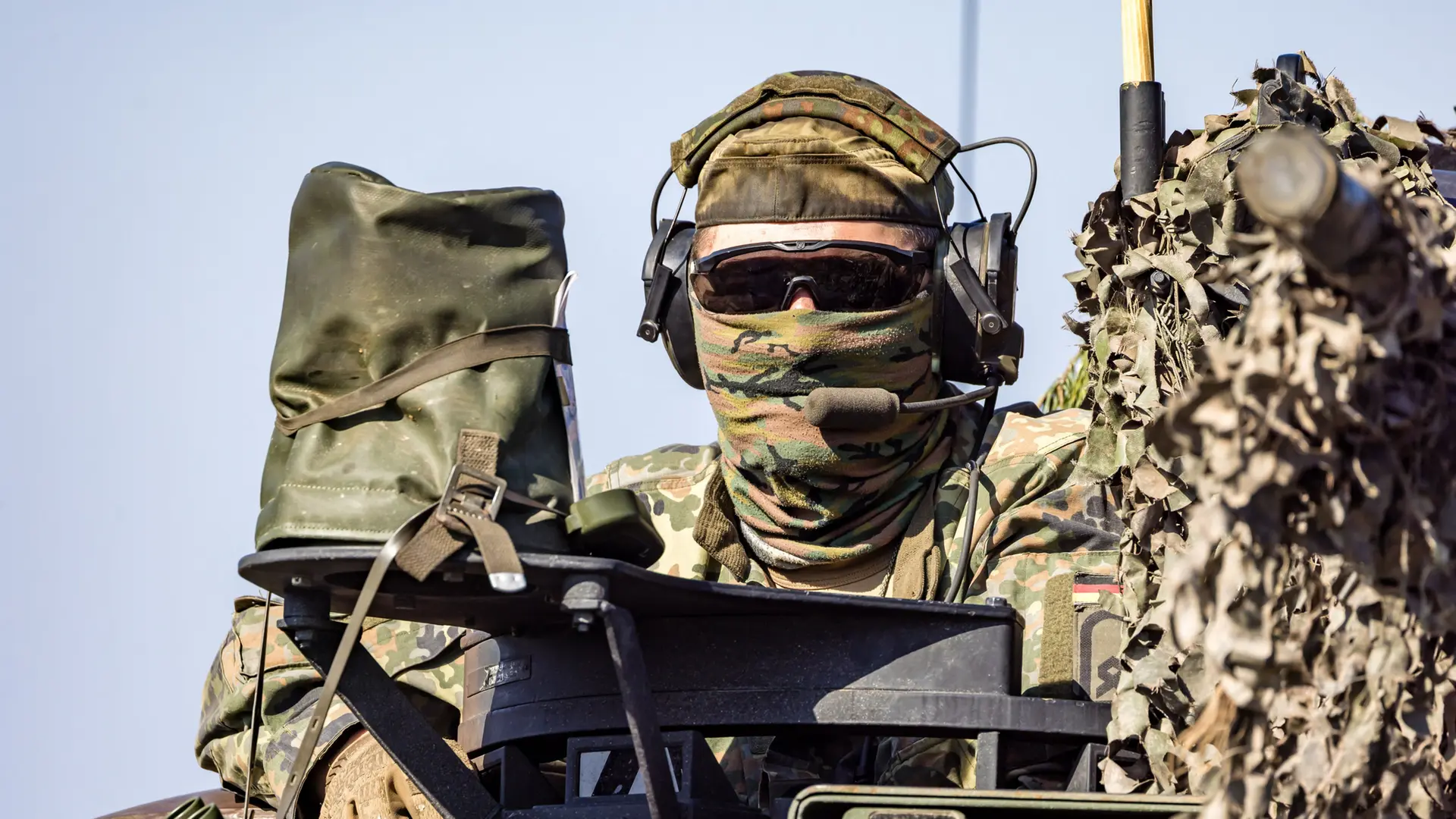
During the three-day operation, participants are tasked with navigating simulated scenarios that require instantaneous information sharing across agency lines. This involves the Bundeswehr’s specialized logistical units working in tandem with local fire brigades and police officers, often operating in environments where standard cellular networks are assumed to be "down."
Key focus areas include:

- Interoperability of Digital Radio: Testing whether different radio hardware and software configurations used by civilian and military agencies can communicate seamlessly.
- Standardized Command Protocols: Establishing a unified command structure that prevents bottlenecks during the "Golden Hour" of a disaster.
- Infrastructure Resilience: Evaluating how quickly mobile communications can be re-established in remote or damaged areas.
Chronology of the Exercise
Day One: Integration and Baseline Testing
The exercise commenced on Tuesday, with the establishment of a Joint Operations Center (JOC) at the Oberlausitz training site. The initial phase focused on the "handshake" between disparate communication networks. Engineers and signal officers from the Bundeswehr worked to integrate local police frequencies into the military’s tactical network. The goal for the first 24 hours was to ensure that a command issued from the JOC could be received and acknowledged by units in the field without signal degradation.
Day Two: Stress-Testing the Network
As the exercise progressed into the second day, the intensity of the scenarios increased. Organizers introduced "blackout" variables, where certain digital nodes were remotely deactivated to simulate electronic interference or infrastructure damage. This forced the field teams to switch to secondary and tertiary communication protocols, testing the adaptability of the personnel under stress.
Day Three: Evaluation and Debriefing
The final day is dedicated to the assessment of performance data. This includes reviewing logs of radio traffic, latency periods in command chains, and the effectiveness of shared digital maps. The findings from this day will be compiled into a "lessons learned" dossier, which will likely influence training doctrines across the Saxony region for the coming year.

Supporting Data: Why Interoperability Matters
The necessity for exercises like MURE26 is underscored by the evolving nature of domestic threats. In the last decade, Saxony has faced a variety of challenges, from severe flooding in the Striegis region to concerns regarding the stability of the power grid.
Data from the Federal Office of Civil Protection and Disaster Assistance (BBK) suggests that in approximately 40% of major incident reports, initial response times are hampered not by a lack of equipment, but by "communication silos." When the fire department cannot speak directly to the police, or when military logistical support is unable to receive real-time updates from medical teams, the efficiency of the response drops exponentially.
The Oberlausitz site is uniquely suited for this exercise due to its vast, varied topography, which poses natural challenges to radio propagation. By testing in a "difficult" terrain, organizers can identify the technical limitations of their current digital radio equipment, providing a "worst-case" benchmark that is essential for effective disaster planning.
Official Responses and Strategic Perspectives
Bundeswehr leadership has framed MURE26 as a vital component of the Bundeswehr-Civilian Cooperation (CIMIC) strategy. An official statement released on the second day of the exercise emphasized that "the nature of modern crises does not respect the administrative boundaries between the military and civil authority."
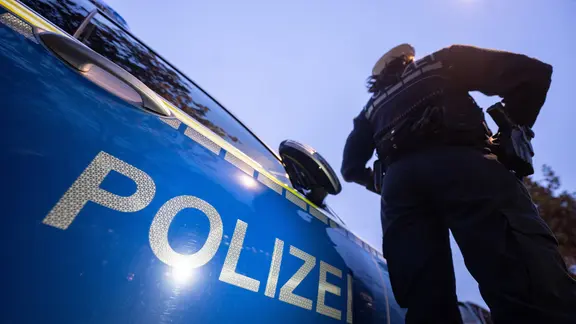
Local government officials from the Görlitz district have echoed this sentiment. By participating in MURE26, regional fire departments and police units gain access to high-end military communication technology and tactical expertise that would otherwise be unavailable to them. This creates a "force multiplier" effect, where local authorities feel more confident in their ability to manage large-scale emergencies without needing to wait for federal intervention.
"The goal is to move beyond the theory of cooperation," a spokesperson for the coordinating team stated. "When a disaster strikes, we don’t have time to read a manual on how to interface our systems. We need to have the muscle memory built through exercises like these."
Implications for Future Crisis Management
The MURE26 exercise holds profound implications for how Saxony—and Germany at large—prepares for the "grey zone" of crises. These are scenarios that fall between routine police work and full-scale military conflict, such as widespread cyber-attacks, grid failures, or extreme weather events that cripple infrastructure.
The Role of Technology
The exercise highlights an increasing reliance on digital systems, which are inherently vulnerable. By testing the digital radio network under simulated attack or failure, the authorities are proactively identifying the "analog" backup requirements. This ensures that even if the digital network fails, the ability to maintain command and control is not lost.
Enhancing Public Trust
Beyond the tactical benefits, the visibility of the Bundeswehr working alongside civilian first responders serves an important sociological function. It reassures the public that in the event of an emergency, the state possesses the structural coherence to mount an effective defense and recovery effort. The presence of armored vehicles like the Marder infantry fighting vehicle alongside civilian ambulances and police cruisers serves as a powerful visual reminder of the total-defense philosophy.
Policy Shifts
The lessons learned from MURE26 are expected to inform future budget allocations for emergency services. There is a growing consensus that investment in interoperable communication hardware must be prioritized over individual agency upgrades. The success of this exercise could serve as a pilot program for similar initiatives across other German states, potentially leading to a national standard for inter-agency digital communications.
Conclusion: A Proactive Stance
The Oberlausitz region, often known for its historical and cultural significance, is currently serving as a laboratory for the future of German civil protection. The MURE26 exercise is more than just a training event; it is a manifestation of a fundamental shift in security policy. By treating the military and the civilian sectors as a single, integrated team, the authorities are building a more resilient society.
As the smoke clears on the final day of the simulation, the real work begins—not in the field, but in the analysis rooms. The data collected from these three days will be analyzed to refine protocols, adjust technical parameters, and ultimately, ensure that when the next real crisis occurs, the response is swift, unified, and effective. The people of Saxony can take some measure of comfort in knowing that the barriers between those who protect and serve are being systematically dismantled, replaced by the robust, reliable networks required for the challenges of the 21st century.

Whether the challenge is a natural disaster or a complex man-made threat, the message from the Oberlausitz is clear: preparation is the best deterrent, and communication is the most effective weapon. MURE26 has proven that when the lines of communication are open, no crisis is insurmountable.