A 42-year-old man has been apprehended in Poland following the discovery of his pregnant ex-partner’s body in a Marburg thicket. As investigators piece together the final hours of the victim’s life, the tragic incident has ignited a fierce debate in Germany regarding gender-based violence and the systemic failures to protect women at risk.
The Facts of the Case: A Calculated Act of Violence
The tranquility of the university town of Marburg, Hesse, was shattered this week following the discovery of a 35-year-old woman’s lifeless body. The victim, who was pregnant at the time of her death, was found discarded in a thicket near the street "Am Erlengraben" on Wednesday. According to preliminary reports from the Marburg Public Prosecutor’s Office, the brutality of the crime was extreme: the victim had been killed with 19 stab wounds.
On Friday, authorities confirmed that a 42-year-old man—the victim’s former partner—was apprehended in Poland. The arrest followed a swift, coordinated effort by German law enforcement, who issued both a national and a European arrest warrant immediately after identifying the suspect. The man had reportedly fled the country in an attempt to evade capture. He is currently being held in a Polish prison while the Marburg prosecutor’s office prepares a formal request for his extradition to face charges of murder.
Chronology: From Disappearance to International Manhunt
The timeline leading to the discovery of the crime paints a harrowing picture of the victim’s final days.
- The Disappearance: The 35-year-old woman, who had been living in a women’s shelter to escape the risks posed by a different former partner, was reported missing on Tuesday. Her last known contact was on Tuesday evening, when she was spotted on security footage leaving a local shopping center in Marburg.
- The Fatal Encounter: Investigators have clarified that the victim met with the 42-year-old suspect on Tuesday evening. It was during this meeting that prosecutors believe the fatal attack occurred.
- The Discovery: On Wednesday, following a search operation, the woman’s body was located in the brush near Am Erlengraben.
- The Arrest: Having fled Germany immediately following the incident, the suspect was located and detained by Polish authorities on Thursday.
While the motive remains under investigation, the nature of the act—a targeted, violent assault on a pregnant woman—has led authorities to categorize the event as a severe instance of gender-based violence.
A Crisis of Femicide: Supporting Data and Context
The tragedy in Marburg is not an isolated incident, but rather a harrowing reflection of a systemic crisis in Germany. According to statistics provided by the Federal Criminal Police Office (BKA) and echoed by local officials, violence against women remains a pervasive issue.
On average, a woman is killed by her current or former partner every three days in Germany. These crimes, often referred to as "femicides," are defined by the intentional killing of women based on their gender or their relationship status with the perpetrator.
The victim’s situation—living in a women’s shelter due to threats from another ex-partner—highlights the multifaceted dangers many women face when attempting to escape abusive relationships. Despite the support structures in place, the prevalence of lethal violence by intimate partners remains a critical failure point in social and protective services.
Official Responses: "We Must End the Silence"
The news has prompted an outpouring of grief and condemnation from city leadership. The City of Marburg released a formal statement expressing deep shock and extending its condolences to the family and friends of the victim.
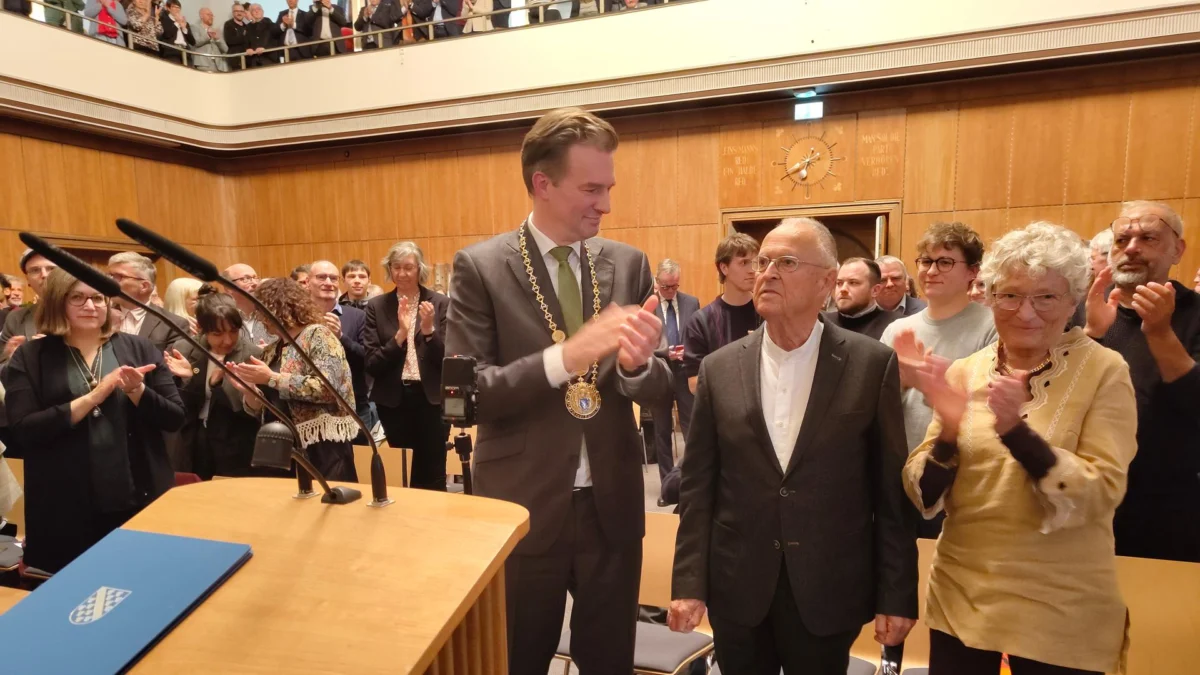
Mayor Thomas Spies (SPD) did not mince words when addressing the incident. Speaking on the necessity of addressing the root causes of such violence, Spies stated: "Many details are still unclear. However, based on the current state of the investigation, we must assume that this act is a femicide."

Spies emphasized that society can no longer afford to treat such cases as "private family matters." He argued that the persistent pattern of violence against women requires a shift in public discourse:
"There must be no taboo or minimization here. We must end the silence and speak out about what is happening. We need greater awareness of gender-based violence. And we must do more to protect women and ensure that femicides are prosecuted with the utmost severity."
The Mayor’s call to action reflects a growing demand from human rights organizations and social advocates in Germany to provide more robust funding for women’s shelters, better monitoring of high-risk offenders, and mandatory education programs on healthy relationships and consent.
The Path to Justice: Extradition and Trial
As the suspect remains in custody in Poland, the focus for the Marburg prosecutor’s office is twofold: completing the evidence collection at the crime scene and finalizing the legal documentation for extradition. The extradition process, while standard under EU law, requires rigorous verification of the arrest warrant’s validity and adherence to human rights standards.
Once the suspect is transferred to Germany, he will face a formal trial. Given the nature of the evidence—which includes the forensic analysis of the 19 stab wounds and digital evidence tracking his movements—prosecutors are likely to pursue a life sentence.
Resources and Implications: Breaking the Cycle
The Marburg tragedy serves as a grim reminder of the vital importance of support networks for those experiencing domestic or gender-based violence. Authorities are urging individuals in dangerous situations to seek help before violence escalates.
Available Support Services:
- In Case of Emergency: Always contact the police via the 110 emergency number if you are in immediate physical danger.
- Support for Women: The national "Hilfetelefon" (Help Hotline) offers 24/7, free, and anonymous counseling for women affected by domestic or sexualized violence. They can be reached at 116 016. Comprehensive resources can also be found at frauen-gegen-gewalt.de.
- Support for Men: Addressing the cycle of violence also requires intervention for aggressors. Programs are available for men struggling with anger management and violent impulses. The "Wegweiser" (Signpost) brochure, published by the State Coordination Office against Domestic Violence, provides a directory of counseling services for men in Hesse.
The Broader Implications
The killing in Marburg is a litmus test for the German legal and social system. As the investigation progresses, the case will undoubtedly renew pressure on legislators to implement stricter protections for women living in shelters and to better integrate the work of police and social services.
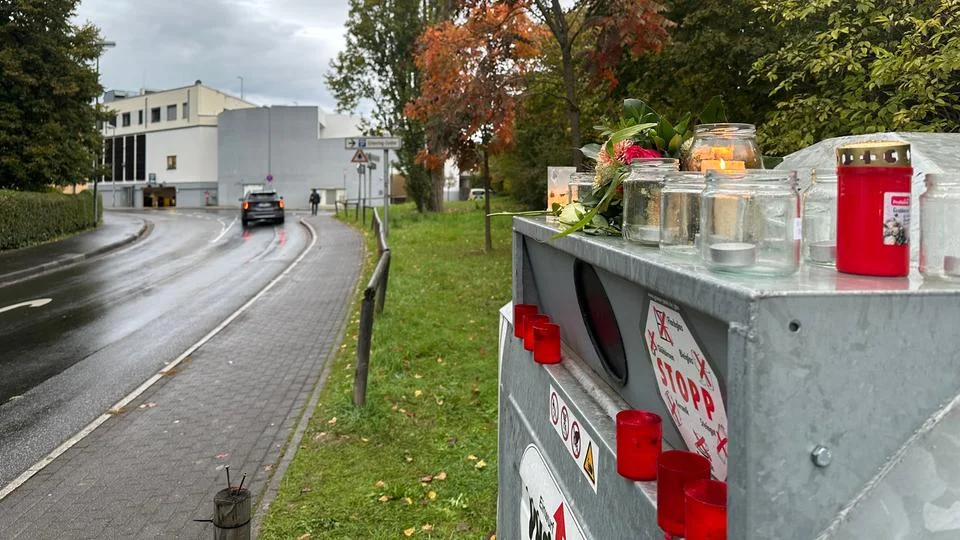
The public reaction in Marburg—marked by candles and flowers left at the site of the crime—is a testament to a community that refuses to remain indifferent. However, as Mayor Spies noted, sympathy is not enough. The systemic nature of the violence demands a sustained, proactive approach to ensure that "every third day" does not become the standard for future years.
For now, the people of Marburg are left to mourn a woman whose life was stolen in a senseless act of rage, while a nation watches closely to see if the justice system can effectively hold her killer to account. The outcome of the upcoming trial will serve as a significant precedent in the ongoing battle against the epidemic of femicide in Germany.