Volkswagen, the titan of European industry and a symbol of German engineering prowess, is currently navigating its most turbulent period since the infamous "Dieselgate" scandal. The latest quarterly results for July through September paint a stark picture: the Wolfsburg-based giant is hemorrhaging cash, squeezed by a toxic combination of massive write-downs, a collapsing Chinese market, and the crushing financial burden of a structural transformation that has yet to bear fruit.
As the company reports a quarterly net loss of approximately 5.82 billion euros, the industry is left asking: Can Volkswagen reinvent itself before the foundations of its business model crumble entirely?
The Core Facts: A Financial Meltdown
The figures released by Volkswagen are sobering. For the third quarter of 2024, the company recorded a net loss of 5.82 billion euros, significantly deepening the 1.07 billion euro deficit seen in the same period last year. This downward spiral is not merely the result of poor sales; it is exacerbated by 7.8 billion euros in "special effects"—one-time charges that reveal the fragility of the current corporate structure.
The primary driver of this loss is a staggering 6.4 billion euro write-down on the goodwill of its luxury brand, Porsche. While this adjustment is non-cash-effective, it serves as a glaring admission by management that their long-term expectations for the brand’s valuation and growth have been drastically revised downward.
Furthermore, the company reported a 6.3 percent drop in quarterly revenue, totaling 75.28 billion euros. Across the first nine months of the year, the group has slumped to a net loss of 2.72 billion euros, a stark contrast to the 3.4 billion euro profit achieved during the same timeframe in 2023.
Chronology of a Crisis: How We Got Here
The seeds of the current predicament were sown over several years, but the acceleration of the decline has been rapid throughout 2024.
- Early 2024: Volkswagen entered the year already facing a cooling global EV market and intense competition. Initial projections were optimistic, but the reality of the "margin squeeze" began to set in as consumer demand shifted.
- Summer 2024: The cracks in the armor became visible as China—a market that once served as the engine of VW’s growth—began to turn against European legacy manufacturers. Local competitors, emboldened by sophisticated technology and lower cost bases, began capturing significant market share.
- September 2024: The VW board, led by CEO Oliver Blume, made the painful decision to slash its full-year profit outlook. The move sent shockwaves through the markets, signaling that the structural issues were deeper than previously acknowledged.
- October 2024: The publication of the third-quarter results confirmed the worst fears of investors: the company is currently on track for its first annual loss since the height of the diesel crisis.
Supporting Data: The Weight of Structural Burdens
The financial pressures on Volkswagen are multifaceted, stemming from both internal strategic pivots and external macroeconomic volatility.
The China Syndrome
Volkswagen’s reliance on the Chinese market has transformed from a strategic advantage into a liability. In the third quarter alone, the company saw a 38.5 percent drop in vehicle deliveries in China, totaling just over 406,000 units. As domestic Chinese manufacturers flood the market with affordable, tech-heavy electric vehicles (EVs), Volkswagen’s legacy internal combustion engine (ICE) business is losing its luster, and its own EV offerings are struggling to maintain margins.
The EV Margin Trap
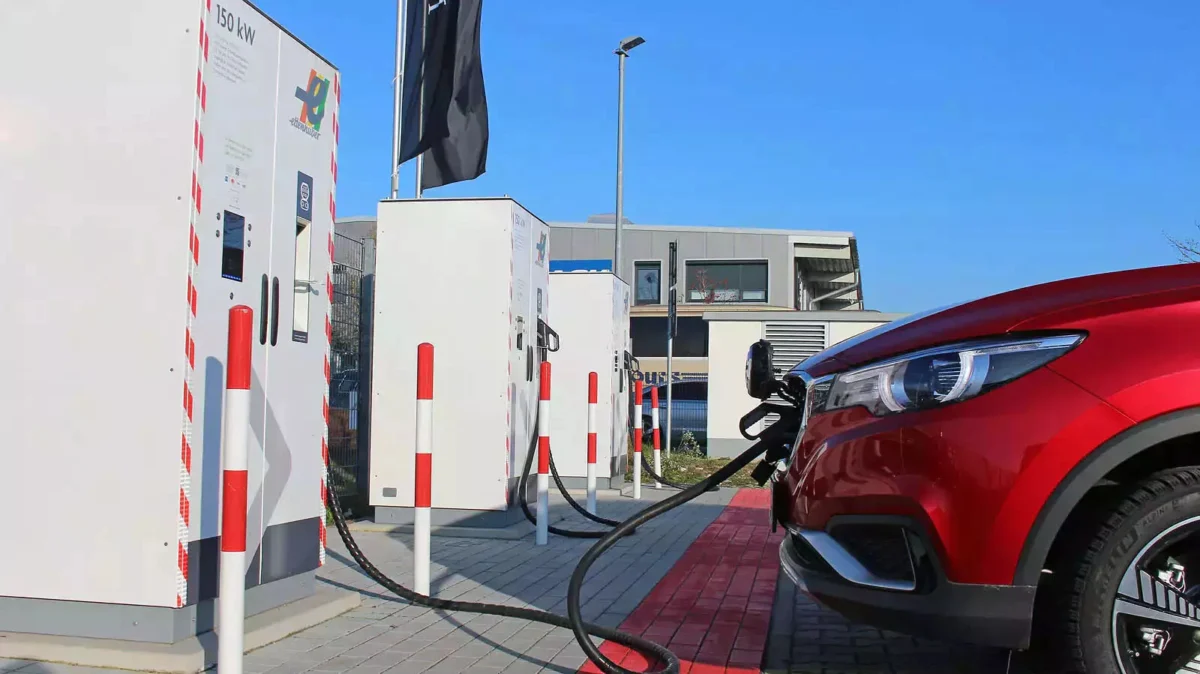
Volkswagen is caught in a paradox: it must sell more electric vehicles to meet tightening European emissions regulations, yet doing so hurts the bottom line. CFO Arno Antlitz noted that the current profitability of their EV fleet is significantly lower than that of their traditional combustion engine counterparts. With one in five cars sold in Europe this year being an EV, the transition is putting immense downward pressure on overall profit margins.
Restructuring Costs
Beyond the Porsche write-down, Volkswagen is paying a heavy price for its "Future 2030" plan. A one-billion-euro write-down on its Chinese subsidiaries and the costs associated with the divestment of the Osnabrück plant to the investor Aurelius and the state of Lower Saxony add to the pile. The latter is particularly symbolic, as the plant is slated to be repurposed for defense industry manufacturing—a stark departure from the automotive roots of the site.
Official Responses: "We Cannot Lose Time"
The mood in Wolfsburg is one of urgent, almost existential, determination. CFO Arno Antlitz has been blunt in his assessment, stating, "The nine-month result clearly shows: We cannot lose any time and must act quickly and decisively."
Management has centered its hopes on the "Zukunftsplan 2030" (Future Plan 2030). This massive overhaul aims to streamline the company’s sprawling model portfolio, simplify corporate structures, and aggressively cut costs. The plan involves a staggering 31 billion euro investment in efficiency, but it comes at a human cost.
The company is looking to reduce production capacity further, which, by various estimates, could put up to 50,000 jobs at risk across the global organization—a figure that adds to the 50,000 job reductions already planned by the end of the decade. As of September 30, the company employed roughly 614,500 people, down from 628,900 at the end of 2025. Negotiations with labor unions, set to begin in November, are expected to be fraught with tension as management attempts to push through these painful cuts.
Implications: A Crossroads for the German Industrial Model
The situation at Volkswagen has profound implications for the broader German economy, of which the automotive sector is the backbone.
The End of the "Profit Engine"
For years, Volkswagen relied on high-margin luxury vehicles and massive volume in China to subsidize its R&D and transition costs. With that engine sputtering, the company must now learn to operate with a much leaner cost structure. The revised profit outlook—now targeting an operating margin of just 1 percent for the year, down from previous expectations of 4.0 to 5.5 percent—highlights how precarious the company’s position has become.
Geopolitical and Competitive Pressures
The company is not just fighting market forces; it is caught in a geopolitical crossfire. US tariffs, the necessity of navigating trade relations with Beijing, and the relentless pressure from low-cost Chinese EV entrants mean that VW’s traditional "wait and see" approach to technological shifts is no longer viable. The shift toward defense-related manufacturing at the Osnabrück site is a telling sign of the times: Germany’s industrial giants are looking for new ways to utilize their manufacturing footprint as the traditional car market undergoes a radical, and perhaps permanent, contraction.
The Road Ahead: 2025 and Beyond
Volkswagen is bracing for a difficult 2025. While the company aims for a revenue target of approximately 315 billion euros in 2026, reaching that goal requires a successful turnaround in its core brand. The upcoming discussions with labor representatives will be the first major test of whether the company can implement its "Future 2030" plan without triggering widespread social unrest or labor strikes.
Ultimately, Volkswagen is an entity in the midst of a violent transition. The era of the undisputed automotive superpower is being challenged by a new age of software-defined, electric mobility. Whether Volkswagen can trade its legacy weight for the agility required to survive this shift will be the defining narrative of the next decade. For now, the company remains in the red, and the path to a sustainable, profitable future looks longer and steeper than ever.