By Editorial Staff
Frankfurt/Brussels, October 29, 2026
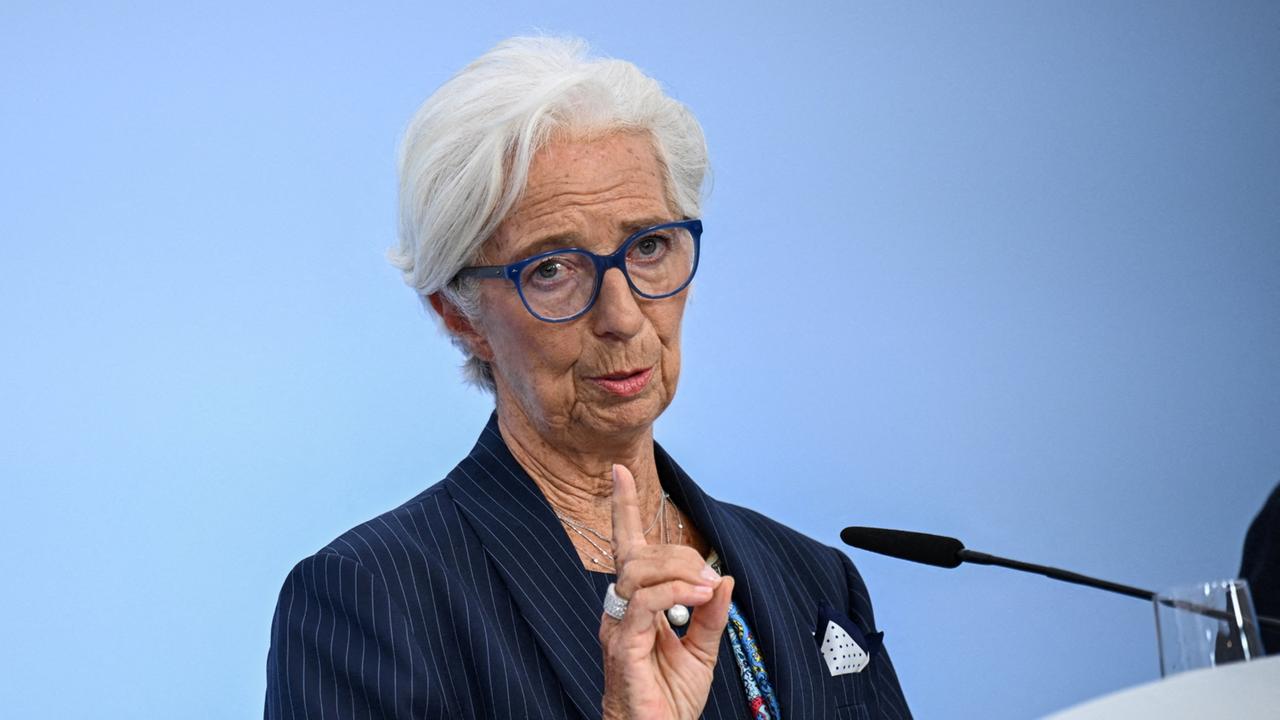
The European financial landscape faces a pivotal transition. Christine Lagarde, the President of the European Central Bank (ECB), has officially confirmed that she will step down from her position on February 7, 2027. The announcement, which puts an end to months of intense speculation in financial markets and political corridors, comes nearly nine months before the formal expiration of her eight-year mandate.
The move is widely interpreted as a calculated political maneuver, designed to ensure that the appointment of the next head of the Eurozone’s monetary authority is insulated from the volatility of the upcoming French presidential election. As Europe navigates a period of delicate economic recovery and shifting geopolitical alliances, the race to fill the vacancy at the Frankfurt-based institution has officially commenced.
The Core Facts: A Departure Ahead of Schedule
The decision by the former French Finance Minister and IMF Chief to leave the ECB early is not merely a matter of personal transition; it is a profound realignment of the European power structure. Lagarde’s term was originally slated to conclude in late October 2027. By choosing February as her exit date, she provides a window of opportunity for the leaders of the 21 Eurozone states to finalize a successor before the political climate in France potentially shifts during the national election cycle in April 2027.
The departure timeline is precise:
- Announcement Date: October 29, 2026.
- Effective Departure: February 7, 2027.
- Original Mandate End: October 31, 2027.
The early exit avoids a potential power vacuum or a messy political standoff that could have occurred had the appointment process coincided with a period of domestic upheaval in France, where concerns regarding the rise of euro-skeptic factions have intensified.
A Chronology of Anticipation
The decision to step down did not occur in a vacuum. The timeline of this transition highlights the intersection of central banking and high-stakes European politics.
- February 2026: Initial reports from the Financial Times began circulating, suggesting that Lagarde was exploring an early exit. Analysts noted that the motivation was likely to remove the "ECB risk" from the French election calendar.
- September 2026: In a series of high-level interviews, Lagarde hinted at the possibility of departing "a few months early," acknowledging that the timing of her exit could influence the broader European political agenda.
- Throughout 2026: Persistent rumors linked Lagarde to a potential leadership role within the World Economic Forum (WEF), adding fuel to the speculation that her career was pivoting away from central banking and back toward international policy coordination.
- October 2026: Official confirmation of the resignation is delivered, with the ECB Board expressing gratitude for her leadership through some of the most volatile years in the Eurozone’s history, including the post-pandemic inflationary surge.
Implications: The Shadow of Euro-Skepticism
The primary driver behind this early resignation is the fear that a victory by euro-skeptic forces in the French presidential election could paralyze the selection process. In the European Union, the appointment of the ECB President is a consensus-driven decision among the heads of state of the Eurozone. A populist victory in France could lead to a refusal to cooperate on the appointment or force a compromise that might not align with the economic stability mandates of the ECB.
By moving the appointment date to early 2027, the current leadership—notably President Emmanuel Macron and German Chancellor Friedrich Merz—secures the ability to appoint a candidate committed to the traditional mandates of price stability and institutional independence.
Official Responses and Diplomatic Protocol
The response from the European establishment has been one of controlled appreciation and immediate focus on the transition.
EU Council President António Costa issued a formal statement expressing his gratitude for Lagarde’s stewardship: "Europe has benefited significantly from her leadership in uncertain times and her unwavering commitment to the European project."
German Chancellor Friedrich Merz, whose government is a primary stakeholder in the stability of the Euro, offered a measured endorsement: "The stability of the Euro and the independence of the central bank were in good hands under her leadership. We are committed to a transparent and swift process. We intend to finalize the appointment within the circle of the Eurozone leaders before the end of this calendar year."
The Succession Race: Who Steps into the Spotlight?
The race to succeed Lagarde is already shaping up to be a contest between institutional heavyweights. The selection process is governed by strict EU treaty requirements, which mandate a balance of geography and economic expertise.
1. The German Ambition
For the first time in the 25-year history of the ECB, Germany—the bloc’s largest economy—is actively pushing for one of its own to lead the institution. Bundesbank President Joachim Nagel has emerged as a prominent candidate. His candidacy represents a shift toward a more traditional, stability-focused monetary policy, which finds strong support within the German political establishment.
2. The Institutional Favorites
Despite the German push, the "establishment" favorites remain:
- Klaas Knot: The former Dutch Central Bank chief, known for his hawkish stance on inflation and deep experience within the Eurosystem.
- Pablo Hernández de Cos: Currently serving as the head of the Bank for International Settlements (BIS), his international profile and technical competence make him a formidable contender who commands respect from both Northern and Southern European member states.
3. The Washington Factor
The landscape of candidates was narrowed slightly by the announcement that Isabel Schnabel, an influential member of the ECB Executive Board, will be departing in January 2027 to join the International Monetary Fund (IMF). Her departure removes one of the most prominent internal candidates from the race, effectively clearing the field for external appointments.
Economic Data and the "Legacy" of the Lagarde Years
To understand the weight of the upcoming appointment, one must analyze the environment the next President will inherit. During Lagarde’s tenure, the ECB was forced to navigate the "perfect storm" of economic challenges:
- Inflationary Pressure: Following the 2022-2023 spikes, the ECB under Lagarde executed a series of aggressive interest rate hikes that tested the limits of the Eurozone’s industrial capacity.
- Market Stability: Despite the tightening cycle, the ECB successfully implemented tools to prevent fragmentation in bond markets, ensuring that interest rate transmission remained uniform across the bloc.
- Institutional Independence: Lagarde frequently defended the bank against political criticism, particularly from national governments demanding lower rates to boost growth. Her successor will need to maintain this wall of independence to keep the trust of international bond markets.
What Comes Next?
As the process begins, the focus shifts to the "Eurozone Summit" scheduled for December 2026. The goal is to reach a consensus on the successor by the end of the year to ensure a seamless handoff by February 7, 2027.
Market analysts suggest that while the transition will be carefully managed, the choice of the next President will send a clear signal to global investors regarding the future trajectory of European monetary policy. Will the ECB lean toward the "German model" of strict inflation control, or will it continue the more flexible, growth-oriented approach championed by Southern European nations?
The selection of the next President is not merely a bureaucratic task; it is the definitive economic decision of the decade for the Eurozone. As Chancellor Merz noted, the clock is ticking, and the pressure is mounting to ensure that the institution remains the bedrock of European economic stability.
For now, the financial markets remain in a "wait and see" mode. The volatility expected in the coming months will likely be tempered by the ECB’s commitment to a transparent and orderly transition, but the geopolitical subtext of the French election remains a constant, looming variable that ensures this succession will be anything but routine.