Jerusalem, Israel – As Israel prepares to cast its ballots on October 27th for a new parliament, the nation finds itself at a critical juncture, deeply fractured along ideological, religious, and ethnic lines. The upcoming election, the sixth in five years, arrives against a backdrop of unprecedented domestic turmoil and regional instability, intensified by the profound impact of the October 7th, 2023, Hamas attack. With opinion polls showing the opposition bloc, led by figures like Gadi Eisenkot, neck and neck with Benjamin Netanyahu’s ruling coalition, the outcome remains highly uncertain.
To shed light on the intricate dynamics at play, Middle East expert Peter Lintl offers his insights into who votes for whom, and what might ultimately sway the electorate in these pivotal moments. Lintl, Vice-Head of the Research Group for Africa and the Middle East at the German Institute for International and Security Affairs (SWP), brings extensive expertise on Israeli domestic politics, Jewish religious movements, and German-Israeli relations, having led a project on "Israel in a conflict-ridden regional and global environment" from 2016 to 2022.
The Final Sprint: A Battle for the Undecided
taz: Mr. Lintl, polls currently show the opposition bloc under Gadi Eisenkot and Benjamin Netanyahu’s government bloc running neck and neck. With less than a week until the election, are there any issues that still have the potential to influence voters’ behavior?
Peter Lintl: I believe most people have already formed their opinions. Now, the focus shifts to the undecided voters, who constitute a significant portion – up to 12 percent in some surveys, possibly even more. Several factors come into play here: unforeseen events that might occur, and which candidate or party manages to present themselves more favorably in the final days. It’s about the subtleties now; the major ideological battles have largely been fought. The electorate is deeply entrenched, but that crucial swing vote could still determine the balance of power.
The campaign has been marked by a relentless struggle for narrative dominance, with parties employing sophisticated digital strategies, including AI-generated content, to shape public perception. As a recent article highlighted, AI-powered videos and messaging are increasingly flooding the Israeli digital space, used both to promote candidates and to burnish government images, adding another layer of complexity to voter influence. This digital battleground means that perceptions, rather than just policy, can be rapidly altered.
The Lingering Shadow of October 7th and External Endorsements
taz: Can the events of October 7th, 2023, or the recent endorsement of US President Donald Trump for Netanyahu still move the needle?
Peter Lintl: October 7th has already been a monumental game-changer. The poll numbers we see now are, in large part, a direct consequence of that day, and of the subsequent perception that the government has failed to take adequate responsibility, instead deflecting blame. The profound shock and the ongoing conflict have fundamentally altered public trust and priorities. Many Israelis are seeking accountability and a clear vision for national security, which has reshaped political loyalties.
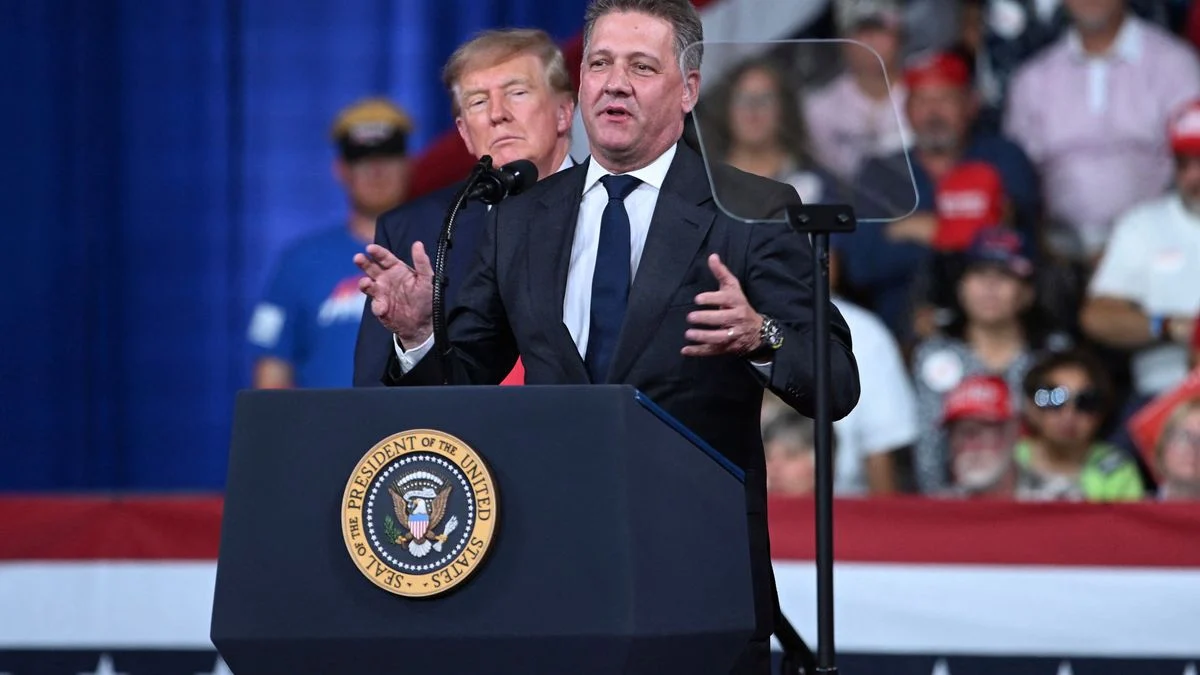
Regarding Trump’s endorsement, Netanyahu certainly hopes it will yield some benefit, though I personally doubt it will. While Trump retains a loyal following among certain segments of the right-wing base globally, his direct influence on Israeli voters, particularly in an election dominated by internal security and governance issues, is likely limited. Israeli elections are typically decided by domestic concerns and the intricate balance of local political forces, rather than external endorsements, no matter how high-profile. The current political climate is too intensely focused on national survival and internal leadership for an overseas endorsement to significantly alter voter behavior.
Shifting Alliances and the Electoral Gauntlet
taz: Nevertheless, there is still movement within the party landscape.
Peter Lintl: Indeed. The recent departure of centrist leader Benny Gantz from the emergency government signifies a critical shift. This withdrawal means there will undoubtedly be a fierce competition for the votes of his former supporters, who represent a significant bloc of moderate conservative voters. Gantz’s move has injected a new layer of uncertainty into an already volatile political environment, as his voters now seek a new political home that aligns with their concerns about national unity and competent leadership.
Furthermore, several smaller parties are facing an existential struggle to cross the 3.25 percent electoral threshold required to enter the Knesset. This applies, for instance, to the right-wing Amcha Yisrael and the Reservists’ Party. The potential failure of these parties to garner enough votes could lead to wasted ballots that disproportionately benefit larger blocs, a common feature of Israel’s highly proportional electoral system. The strategic voting decisions made by supporters of these smaller parties in the final hours could therefore have a disproportionate impact on the overall distribution of seats, potentially tipping the scales in favor of one of the major blocs.
A Mosaic of Voters: Understanding Israel’s Diverse Electorate
taz: Israel has many small parties, and its population is equally diverse. For example, there are ultra-Orthodox Jews who have their religious parties.
Peter Lintl: According to current polls, approximately 80 percent of ultra-Orthodox Jews will cast their votes for ultra-Orthodox parties like Shas and United Torah Judaism. These parties are clear milieu parties, deeply rooted in their communities and relatively stable in their support. Their platforms focus heavily on religious education, social welfare for their constituents, and the preservation of their unique way of life. They represent a powerful, cohesive voting bloc that consistently delivers a fixed number of seats to any coalition.
However, a minority of ultra-Orthodox voters also consider supporting Itamar Ben-Gvir’s ultra-right Otzma Yehudit party or Netanyahu’s Likud. These voters might prioritize national security or a strong right-wing government over purely religious party interests, or perhaps feel their religious values are better protected by a broader right-wing alliance. The religious left, on the other hand, plays virtually no role among the ultra-Orthodox, underscoring the deep ideological divide within Israeli society.
taz: The dispute over the ultra-Orthodox conscription law has also shaped the election campaign. Will more ultra-Orthodox people go to the polls because of this?

Peter Lintl: The looming threat of mandatory military service holds significant mobilization potential for the ultra-Orthodox community. For decades, a contentious exemption has allowed full-time yeshiva students to avoid military service, a privilege fiercely defended by ultra-Orthodox parties. The recent legal challenges and public pressure to end this exemption have become a rallying cry, pushing many to the polls to protect their community’s unique status. The conscription law is not merely a legal issue; it is a fundamental question of religious freedom and communal identity for the ultra-Orthodox, making it a powerful motivator for electoral participation.
However, I also hear dissenting voices. Some ultra-Orthodox individuals express disappointment that the issue has not been resolved, leading some to believe that parts of the community might not turn out to vote. This sentiment stems from a weariness with the perennial political deadlock surrounding the issue, and a feeling that their political representatives have not delivered on their promises. There are also more modern ultra-Orthodox individuals who do not have a major problem with military service, recognizing the national need for shared burden. In any case, this issue remains a significant hurdle for future coalition formations, even for the Likud, which relies on ultra-Orthodox partners but also faces pressure from secular segments of its base.
taz: Ultra-Orthodox Jews make up about 14 percent of the population. Secular Jews, however, account for up to 35 percent. Which parties represent them most closely?
Peter Lintl: The Jewish-secular population is far from a monolithic group; it is fragmented across four to five distinct parties. A segment will vote for Yisrael Beiteinu, a secular center-right party known for its hawkish stance on security and its strong opposition to ultra-Orthodox political influence. Another segment will support Yesh Atid, led by liberal-Zionist Yair Lapid, which champions secular values, judicial reform, and a more centrist approach to governance. Gadi Eisenkot’s faction (part of the National Unity Party) also attracts secular voters looking for strong leadership and a focus on national security without the religious overtones.
Furthermore, a portion of secular voters will still opt for Netanyahu’s Likud, drawn by its strong nationalist platform and economic policies, despite the party’s reliance on religious partners. Finally, the Democratic Camp (Meretz/Labor) appeals to a smaller, more left-leaning secular electorate focused on social justice, peace, and human rights. What unites these diverse secular voters is generally a strong opposition to the religious parties’ influence on state affairs, particularly concerning issues like conscription, marriage, and public transportation on Shabbat. They are generally not inclined to vote for religious parties, reflecting the deep secular-religious divide in Israel.

The Arab Israeli Factor: Potential Kingmakers
taz: More than 17 percent of Israelis are of Arab origin, most identifying themselves as Palestinians. What role do they play?
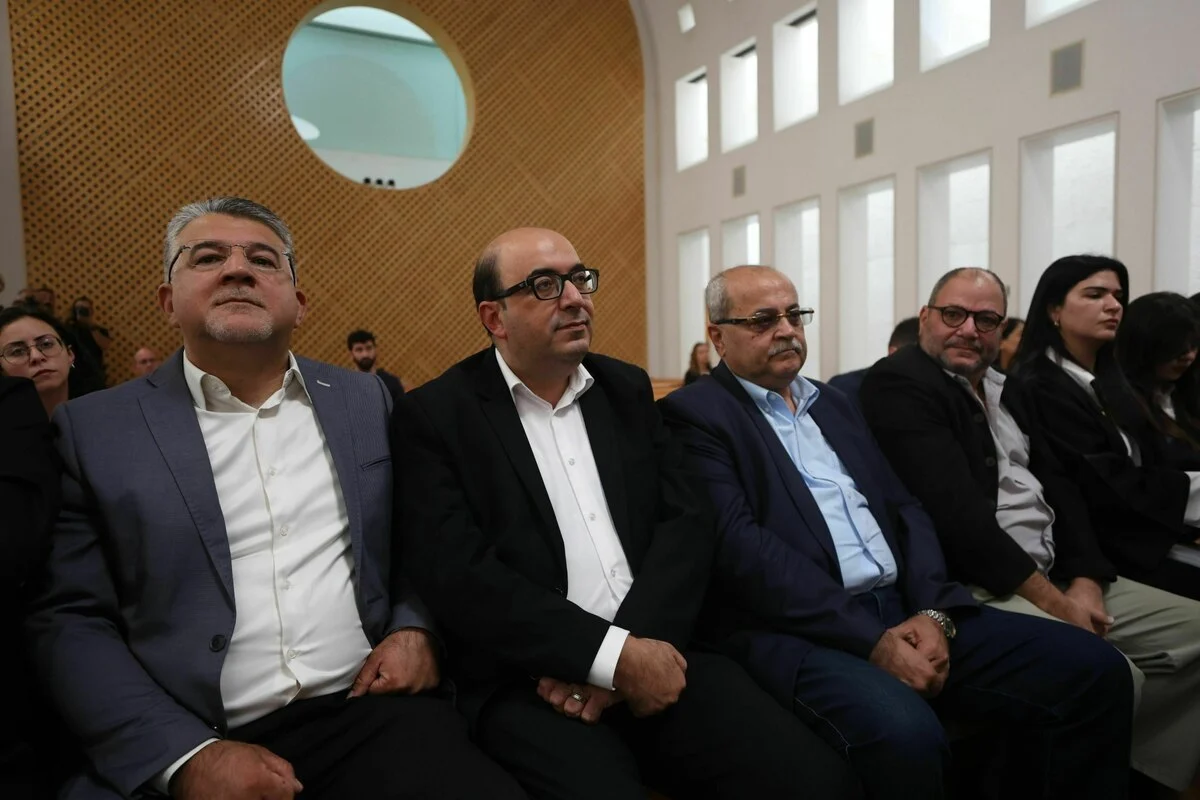
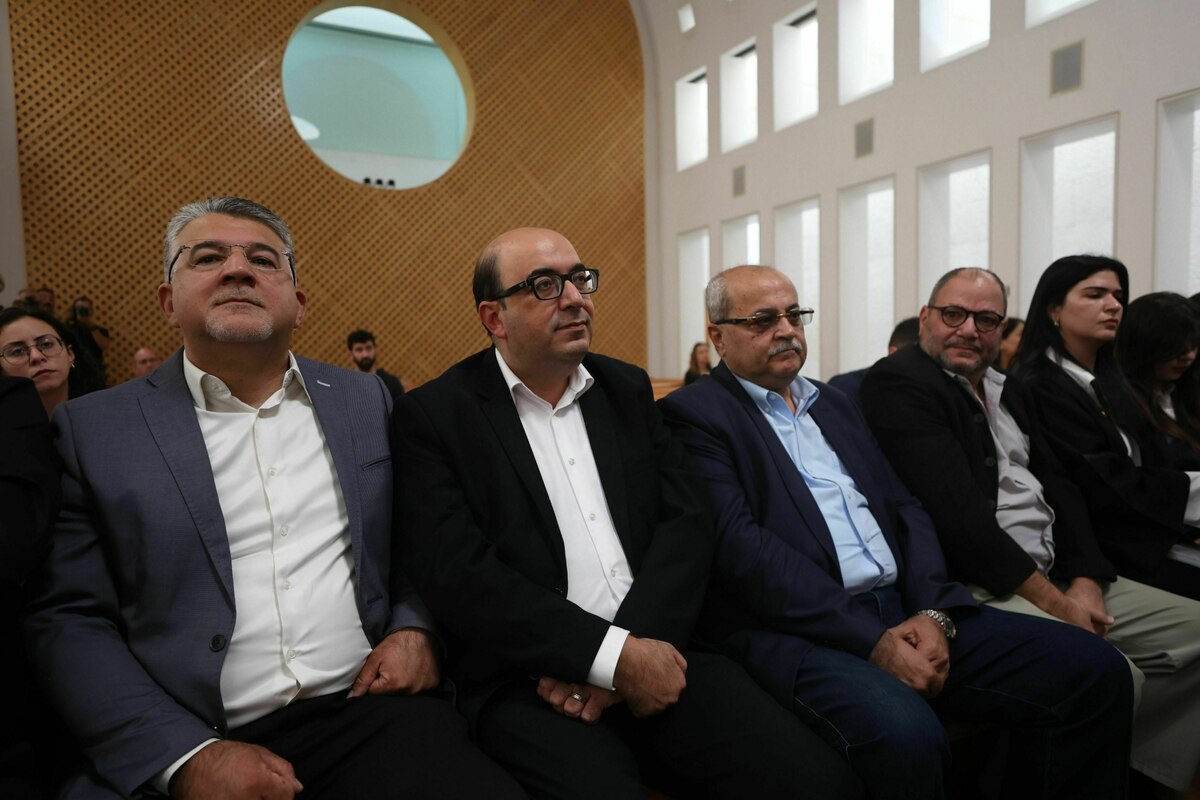
Peter Lintl: Much indicates that there will be a relatively high voter turnout within the Arab population. This is particularly significant given the widespread understanding that they hold the power to prevent Netanyahu’s re-election. The perception that their collective vote can directly influence the national outcome, especially in thwarting a right-wing government, serves as a powerful mobilizer.
The dynamics are clear: the more successful the Arab parties are in garnering votes and exceeding the electoral threshold, the more difficult it becomes for Netanyahu to secure a majority of seats for his bloc. However, this hinges very strongly on Arab voter participation. Historically, Arab turnout has fluctuated, often influenced by feelings of alienation or disillusionment with the political process. But the current high stakes, combined with growing concerns about internal issues such as escalating violence and organized crime within Arab communities – issues that a recent article highlighted as largely ignored by the state – could drive higher participation. This dissatisfaction with the government’s perceived neglect of their communities might translate into a determined effort to change the political leadership.
The opposition bloc, in almost all polls, appears stronger than Netanyahu’s coalition. This would, at least theoretically, allow them to form a minority government supported by the Arab parties from outside the coalition. Such a scenario would be unprecedented and represent a significant shift in Israeli politics, potentially giving Arab parties a degree of influence they have rarely enjoyed. However, it would also pose significant challenges in terms of stability and legitimacy, given the historical tensions and ideological gaps between Zionist and Arab parties.
taz: And what about the Druze? While they make up less than two percent of the population, they serve in the Israeli military and thus hold a special status within the Arabic-speaking population.

Peter Lintl: The Druze community’s voting patterns are quite varied and defy easy categorization. Unlike some other communities, the Druze do not have a clearly defined electoral profile. There are Druze who align themselves very much with the right-wing, often emphasizing their loyalty to the state and their significant contribution to the Israeli military. Others stand with the center-left, focusing on social issues and equality. And there are also those who choose not to vote at all, perhaps due to disillusionment or a sense that no party truly represents their unique interests.
Their distinct position as a loyal, integrated minority that serves in the IDF, while maintaining a strong cultural identity, means their political choices are influenced by a complex mix of national, communal, and individual considerations. They do not vote as a single bloc, making their collective impact harder to predict, but individual Druze votes contribute to the broader tapestry of Israeli democracy.
The Perils of Polling and the Specter of Surprise
taz: All previous assessments are based on polls. How reliable are these, and should we expect surprises on election day?
Peter Lintl: Experience shows that the closer we get to the election, the more reliable the polls become. As the campaign intensifies and voters solidify their choices, the snapshot provided by surveys tends to more accurately reflect the eventual outcome. However, there have certainly been surprises in the past. A notable example was the 2015 election, when most observers anticipated a left-leaning government, only for Netanyahu to stage a spectacular last-minute campaign, ultimately winning the election. His strategy then was to dramatically polarize the electorate, which successfully mobilized his base.
However, I do not believe such a dramatic turnaround is possible under current conditions. The kind of extreme polarization Netanyahu relied on in 2015 has since become normalized and, arguably, exhausted. The country is already profoundly polarized; populism is ubiquitous, so an intensification of such tactics would offer nothing new. I don’t see how an even stronger emotionalization of the campaign would yield significant additional gains. Voters have been subjected to relentless political rhetoric for years, leading to a certain fatigue and a hardening of positions. The current political climate is less about converting undecided voters through emotional appeals and more about ensuring one’s base turns out, while also trying to peel away small numbers of voters from rival camps.

Implications: Governing a Divided Nation
The outcome of this election will have profound implications for Israel’s domestic and foreign policy. A continued Netanyahu government, especially if it relies heavily on ultra-Orthodox and far-right partners, could deepen the existing social divides, particularly on issues of religion and state, and judicial reform. The ongoing debate around the conscription law, for instance, remains a ticking time bomb for any future coalition.
Conversely, an opposition victory, potentially leading to a minority government supported by Arab parties, would signal a significant political realignment. While it might offer a chance for greater national unity and a re-evaluation of government priorities, it would also face immense challenges in forming a stable and cohesive administration. The very act of relying on Arab parties for support, though democratic, would be met with fierce resistance from the right, potentially leading to further political instability and exacerbating existing tensions.
Beyond internal politics, the election results will inevitably impact Israel’s regional standing and its relationship with key international allies, particularly the United States. The stability of any future Israeli government will be crucial for navigating the ongoing conflict in Gaza, managing relations with the Palestinian Authority, and addressing broader security challenges in the Middle East.
Ultimately, Israel stands at a crossroads. The upcoming election is not merely a contest between parties but a reflection of a nation grappling with its identity, security, and future. The choices made on October 27th will resonate for years to come, shaping the trajectory of a country accustomed to living on the edge of profound internal and external pressures.