Berlin, October 22, 2026 – Germany’s governing coalition is grappling with a pivotal challenge to one of its most ambitious legislative projects: the comprehensive nursing care reform. As the Bundestag prepares to debate the proposed "Pflegeneuordnungsgesetz" (Nursing Reorganization Act) in just two weeks, the Social Democratic Party (SPD), a key partner in the "Schwarz-Rot" (CDU/CSU and SPD) alliance, is demanding significant amendments, signaling potential friction within the government.
The reform, designed to address the escalating costs and growing demands on Germany’s social care system, is slated for intense discussion today at the Minister-Presidents’ Conference. The SPD’s health policy spokesperson, Christos Pantazis, has publicly articulated the party’s resolve to "financially stabilize the nursing care insurance without eroding the solidaristic character of our social state," emphasizing a meticulous review of the draft law.
The political maneuvering underscores the profound complexities of reforming a system vital to millions of Germans and under immense pressure from demographic shifts and financial strains. The outcome of these negotiations will not only shape the future of elderly and dependent care but also test the cohesion of the ruling coalition.
Main Facts: A Reform Under Scrutiny
The proposed nursing care reform, a cornerstone initiative of the current government, aims to overhaul Germany’s social care insurance system. However, the SPD has raised serious concerns, advocating for several critical improvements before the bill proceeds to a vote in the Bundestag.
At the heart of the SPD’s demands is a commitment to ensuring affordability and accessibility of care, while simultaneously safeguarding the financial integrity of the system. Christos Pantazis highlighted several key areas requiring immediate attention:
- Financial Stabilization: The SPD seeks to fortify the financial foundations of the nursing care insurance without compromising the principle of solidarity, which underpins Germany’s social welfare state. This implies a careful balance between contributions and benefits.
- Limitation of Personal Financial Burdens: A central objective is to implement "effective limits on financial self-contributions" for care recipients. Currently, many individuals and their families face substantial out-of-pocket expenses, pushing them to the brink of financial distress. The SPD aims to alleviate this pressure.
- Protection of Core Care Services: Concerns have been voiced regarding potential "service restrictions" within the initial draft. The SPD insists on the robust protection of essential care services to ensure that all those in need receive adequate support, regardless of their financial background.
- Relief for Municipalities: The party is pushing for "sustainable relief for municipalities regarding expenditures for ‘Hilfe zur Pflege’" (aid for nursing care). Local authorities currently bear a significant portion of these costs for individuals who cannot afford their care, placing a considerable strain on local budgets.
- Fairness Between Insurance Systems: Pantazis stressed the importance of a "just financial compensation between social and private nursing care insurance," aiming to address any perceived inequities or imbalances between the two parallel systems.
The SPD’s position is not isolated. Influential state leaders, including Manuela Schwesig (Minister-President of Mecklenburg-Vorpommern) and Anke Rehlinger (Minister-President of Saarland), both prominent SPD figures, have also publicly called for a revision of the draft law, echoing concerns about potential cuts to services. Their collective voice has amplified the call for a more socially equitable and financially sustainable reform, positioning their stance as a key element of a resolution proposal for today’s Minister-Presidents’ Conference.
The debate in the Bundestag, scheduled for two weeks from now, is expected to be contentious. The government’s proposed changes, including a 0.3 percentage point increase in contribution rates for childless individuals starting January 1, 2027, and potentially stricter criteria for classifying care levels ("Pflegegrad"), are already drawing scrutiny from various stakeholders.
Chronology: A Path Paved with Negotiations
The journey to the current reform proposal has been marked by intricate political negotiations and a palpable sense of urgency.
- Early 2026: Discussions around the necessity for a comprehensive nursing care reform intensify, driven by persistent warnings from demographers, economists, and care providers about the system’s impending financial and logistical collapse under the weight of an aging population.
- Spring/Summer 2026: Initial policy papers and proposals begin to circulate within the governing coalition. The CDU/CSU and SPD factions engage in preliminary talks, identifying key areas for reform, including financing, benefit structures, and quality of care.
- September 2026: The coalition partners enter a critical phase of negotiations. Sources close to the discussions report "hours-long, night-time" sessions between the SPD and the Union (CDU/CSU) to hammer out the details of the "Pflegeneuordnungsgesetz." These intense talks precede the final cabinet meeting, highlighting the depth of initial disagreements and the effort required to achieve a consensus, however fragile. The goal is to reach a common ground that can be presented as a unified government proposal.
- Late September 2026: Following these protracted negotiations, the Cabinet officially approves a draft of the Nursing Reorganization Act. This cabinet decision marks a significant milestone, transforming the reform from a political concept into a concrete legislative proposal ready for parliamentary review. Key elements, such as the increase in contribution rates for childless individuals and the stricter classification of care levels, are solidified in this draft.
- October 22, 2026 (Today): The Minister-Presidents’ Conference convenes, with the nursing care reform high on its agenda. The unified concerns of several SPD-led states, particularly Mecklenburg-Vorpommern and Saarland, are expected to be formally presented, pushing for an overhaul of the draft law. Concurrently, the SPD parliamentary group announces its intention to seek "nachbesserungen" (improvements/amendments) during the Bundestag debate.
- Next Two Weeks: The draft law is scheduled for its first reading and subsequent committee deliberations in the Bundestag. This period will be crucial for the SPD to introduce its proposed amendments and negotiate with its coalition partners.
- End of January 2027: A parallel development involves the establishment of a specialized commission comprising health experts and legal scholars. This commission is tasked with developing proposals for a "deep-seated" and potentially more fundamental reform of the nursing care system. Their recommendations are expected to be presented by the end of January 2027, suggesting that the current legislative package might be an interim measure or a first step in a longer reform process.
This timeline reveals a complex legislative process, characterized by ongoing internal coalition debates, state-level input, and the anticipation of further expert recommendations, all converging on a policy area of immense societal importance.
Supporting Data: The Urgent Need for Reform
The current nursing care system in Germany, established in 1995, faces unprecedented challenges. Demographic shifts, rising costs, and a persistent shortage of skilled personnel are converging to create a crisis that necessitates fundamental reform.
- Aging Population: Germany has one of the oldest populations in Europe. According to recent demographic projections, the number of people aged 80 and over is expected to increase significantly in the coming decades. In 2022, around 6 million people were over 80; by 2030, this number is projected to exceed 7 million, and by 2050, it could reach nearly 10 million. This demographic trend directly translates into a higher demand for nursing care services.
- Increasing Number of Care Recipients: As of 2025, an estimated 5.3 million people in Germany require nursing care. This figure has been steadily rising and is projected to climb further, potentially reaching 6 million by 2030. Each care recipient represents a claim on the insurance system, either for ambulant (home) care or inpatient (nursing home) care.
- Skyrocketing Costs: The costs associated with nursing care have been escalating dramatically. The average monthly cost for a nursing home resident, particularly in higher care grades, can easily exceed €4,000, with individuals often bearing a substantial portion (sometimes over €2,000-€3,000) out of their own pockets after the insurance benefits. This financial burden is unsustainable for many, leading to reliance on social assistance ("Hilfe zur Pflege").
- "Hilfe zur Pflege" Burden on Municipalities: In 2024, municipalities collectively spent over €5 billion on "Hilfe zur Pflege," a social welfare benefit for those unable to cover their care costs. This sum has been increasing year-on-year, placing immense strain on local budgets. The SPD’s demand for "sustainable relief for municipalities" directly addresses this escalating financial pressure.
- Care Worker Shortage: Germany faces a critical shortage of skilled nursing staff. Estimates suggest a need for tens of thousands of additional care workers to meet future demand. This shortage impacts the quality of care, increases workloads for existing staff, and can lead to difficulties in securing care placements.
- Contribution Rates and Financial Stability: The current nursing care insurance system relies on contributions from employees and employers. While the proposed reform includes an increase in contributions for childless individuals (0.3 percentage points from Jan 1, 2027), there are ongoing debates about whether these adjustments are sufficient to ensure long-term financial stability without additional governmental subsidies or more radical reforms. The current basic contribution rate stands at approximately 3.4% of gross income, split between employees and employers, with an additional surcharge for childless individuals. The proposed increase would push this surcharge higher.
- Stricter Care Grade Classification: The proposal to potentially classify care levels more strictly could have significant implications. Care grades (Pflegegrade 1-5) determine the level of benefits an individual receives. Stricter criteria might lead to fewer people qualifying for higher care grades, thereby reducing benefits and potentially increasing out-of-pocket expenses or shifting more people towards "Hilfe zur Pflege." This aspect is a major point of contention for the SPD, which fears it could undermine access to necessary care.
- Disparities in Insurance Systems: Germany’s dual system of social (statutory) and private nursing care insurance presents its own challenges. While the social system covers the vast majority of the population, the private system caters to a smaller, often higher-income segment. Ensuring "fair financial compensation" between these two systems aims to prevent a two-tiered care provision and ensure equitable funding contributions across the board.
These data points underscore the multifaceted nature of the crisis facing Germany’s nursing care system and explain the urgency and contentious nature of the current reform efforts. The government is attempting to navigate a path that ensures both financial solvency and social equity in the face of daunting demographic and economic realities.
Official Responses: A Coalition in Deliberation
The official responses to the proposed nursing care reform reveal a dynamic interplay of political will, financial pragmatism, and social responsibility within the German government.

Christos Pantazis (SPD Health Policy Spokesperson): As the primary voice of the SPD parliamentary group on this issue, Pantazis has been unequivocal in his call for significant amendments. His statements emphasize a commitment to the foundational principles of Germany’s social state. "We want to stabilize the nursing care insurance financially, without eroding the solidaristic character of our social state," he stated. This declaration serves as a guiding principle for the SPD’s position, indicating that while fiscal responsibility is paramount, it must not come at the expense of social cohesion and equitable access to care. His insistence on "effective limitation of financial self-contributions" directly addresses the increasing burden on families, portraying the SPD as the protector of the financially vulnerable. Furthermore, his focus on "sustainable relief for municipalities" and "fair financial compensation between social and private nursing care insurance" highlights the party’s broader vision for systemic fairness and burden sharing. The SPD’s careful scrutiny of the draft law in the Bundestag is framed as a necessary measure to ensure these principles are upheld.
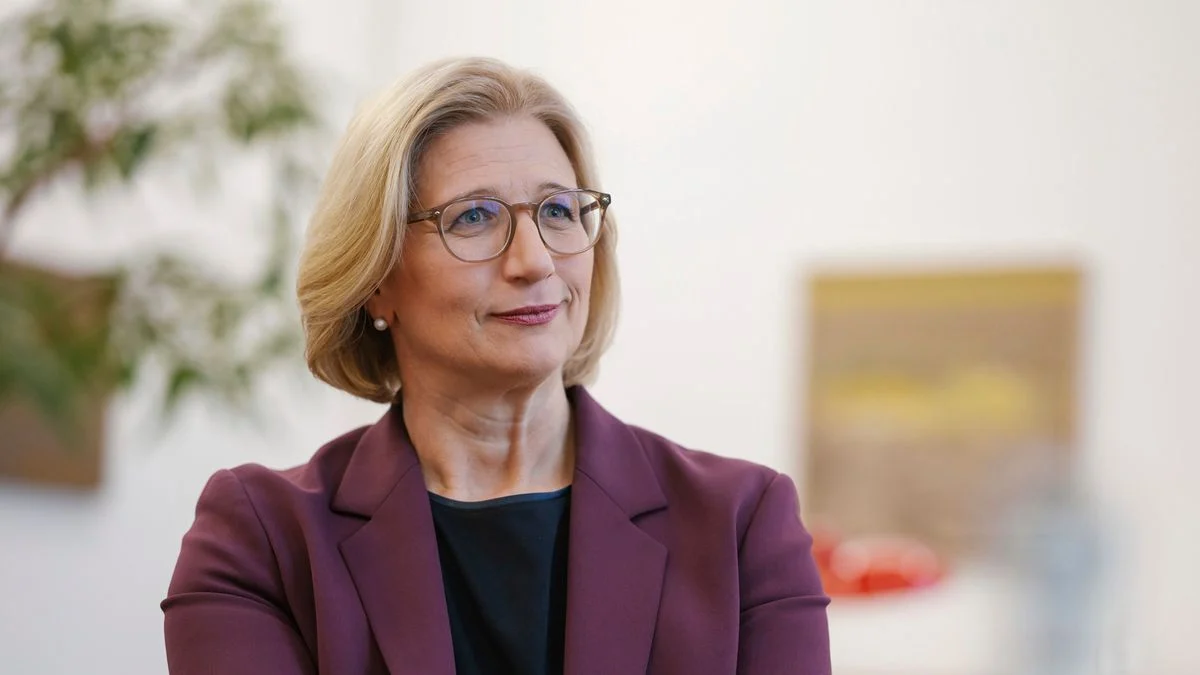
Manuela Schwesig (SPD, Minister-President of Mecklenburg-Vorpommern) and Anke Rehlinger (SPD, Minister-President of Saarland): The intervention of these two influential SPD state leaders adds considerable weight to the party’s demands. Their joint call for an "overhaul" of the draft law and their specific criticism of "service restrictions" signal a deep concern that the current proposal might compromise the quality or scope of care. Their position, now incorporated into a resolution proposal for the Minister-Presidents’ Conference, demonstrates a unified front from significant parts of the SPD, bridging the gap between federal parliamentary concerns and state-level realities. Pantazis welcomed their intervention, stating, "The two Minister-Presidents address important questions that are also of central importance for us as the SPD parliamentary group," underscoring the broad consensus within the party.
Health Minister Carsten Linnemann (CDU): While the original article does not provide a direct quote from Minister Linnemann, his role as the architect of the initial draft law suggests a focus on the structural and financial stability of the system. The fact that the SPD and Union negotiated "for hours – even in the night" to reach a cabinet decision implies that Linnemann’s initial proposal likely contained measures aimed at cost containment and long-term solvency, which the SPD subsequently sought to temper with social safeguards. The proposed increase in contributions for childless individuals and the stricter classification of care grades are likely central elements of his vision for making the system more robust, albeit at a potential cost to individual benefits or access.
The Minister-Presidents’ Conference: This inter-state body serves as a crucial platform for federal-state coordination. The inclusion of the SPD states’ concerns in a resolution proposal for this conference signifies a formal attempt to influence the federal legislative process from the state level. Given that municipalities (under state jurisdiction) bear the brunt of "Hilfe zur Pflege" costs, the states have a vested interest in the financial implications of the reform.
Expert Commission: The establishment of a specialized commission of health experts and lawyers, tasked with developing proposals for a "deep-seated" reform by late January 2027, indicates an acknowledgment by the government that the current legislative package might not be the final word on nursing care reform. This suggests a recognition that the immediate legislative steps are potentially an interim solution, designed to address the most pressing issues while a more comprehensive and sustainable long-term strategy is developed. This expert body’s future recommendations could lead to further legislative changes down the line, indicating an ongoing process of adaptation and reform.
In summary, the official responses highlight a coalition in active deliberation. The SPD is leveraging its position to ensure the reform adheres to its social democratic principles, while the broader government is attempting to balance fiscal prudence with the imperative of providing adequate care for an aging population.
Implications: A High-Stakes Balancing Act
The ongoing debate and the SPD’s push for amendments to the nursing care reform bill carry significant implications across political, social, and economic spheres. The outcome will not only determine the immediate future of care provision in Germany but also set precedents for future social policy.
Political Implications:
- Coalition Stability: The SPD’s firm stance signals potential internal tensions within the "Schwarz-Rot" coalition. While intense negotiations are common in coalition governments, the public demand for "nachbesserungen" on such a critical reform highlights areas of fundamental disagreement. The ability to find a compromise will be a test of the coalition’s resilience and its capacity to govern effectively on complex social issues. Failure to reach an agreeable solution could strain relations, potentially impacting other legislative initiatives.
- Party Profiling: For the SPD, advocating for stronger social safeguards and against service restrictions is a clear move to strengthen its profile as the champion of social justice and the protector of vulnerable citizens. This is particularly important in the context of upcoming elections, where social welfare issues often resonate strongly with voters.
- Ministerial Authority: Health Minister Carsten Linnemann (CDU) faces the challenge of defending his ministry’s draft while also accommodating the demands of a key coalition partner. The need for significant revisions could be perceived as a weakening of his initial legislative authority.
- Federal-State Relations: The active involvement of Minister-Presidents from SPD-led states underscores the critical role of federal-state relations in German policymaking. The states’ financial burden regarding "Hilfe zur Pflege" makes them powerful stakeholders, and their collective voice can exert substantial pressure on the federal government.
Social Implications:
- Impact on Care Recipients and Families: The most direct implications will be felt by those requiring nursing care and their families. If the SPD succeeds in limiting personal financial burdens and protecting key services, it could bring much-needed relief to thousands. Conversely, if stricter care grade classifications proceed without adequate safeguards, it could lead to reduced benefits, increased out-of-pocket costs, and potentially greater reliance on social assistance, exacerbating existing inequalities.
- Quality and Accessibility of Care: Any "service restrictions" could compromise the quality and accessibility of care. The SPD’s emphasis on protecting "important care services" is crucial for ensuring that the reform does not inadvertently create a two-tiered system where comprehensive care is only accessible to those with greater financial means.
- Care Workforce: While not explicitly detailed in the provided text, reforms to the funding and structure of the care system inevitably impact the care workforce. A stable, well-funded system with fair compensation for providers is essential for attracting and retaining skilled nurses and caregivers, addressing the ongoing personnel shortage.
- Solidarity Principle: The SPD’s insistence on preserving the "solidaristic character of our social state" is fundamental. Germany’s social insurance model is built on the premise of collective responsibility. Any perceived erosion of this principle through excessive individual contributions or service cuts could undermine public trust in the welfare state.
Economic Implications:
- Financial Sustainability of the System: The core objective of the reform is to ensure the long-term financial stability of the nursing care insurance. The proposed increase in contribution rates for childless individuals is one mechanism. However, the SPD’s demands for limiting personal burdens and relieving municipalities might require alternative funding mechanisms or higher overall contributions, posing new challenges for economic policy.
- Burden on Taxpayers and Businesses: Any additional funding required to meet the SPD’s demands could translate into higher contributions for all insured individuals or increased subsidies from the general tax budget, impacting taxpayers and businesses.
- Municipal Finances: Sustainable relief for municipalities from "Hilfe zur Pflege" expenses would free up local funds, potentially allowing for investments in other public services or reducing local tax burdens. Conversely, a failure to alleviate this burden would continue to strain municipal budgets.
Future of Reform:
- Interim vs. Comprehensive Reform: The establishment of an expert commission to develop proposals for a "deep-seated Pflegereform" by January 2027 suggests that the current legislative package may be viewed as an interim solution. This implies that even if the current bill passes with amendments, further, more fundamental changes to the nursing care system are likely in the pipeline.
- Long-Term Vision: The ongoing debate will shape the long-term vision for Germany’s social safety net. It forces a national conversation about how society values and funds care for its elderly and dependent members in the face of evolving demographic and economic realities.
In conclusion, the SPD’s demands for revisions to the nursing care reform bill are more than mere political squabbling; they represent a critical juncture for Germany’s social policy. The outcome of these negotiations will have far-reaching consequences, determining the balance between fiscal responsibility, social equity, and the quality of life for millions of citizens for decades to come. The next few weeks in the Bundestag will be pivotal in shaping this vital aspect of the German welfare state.