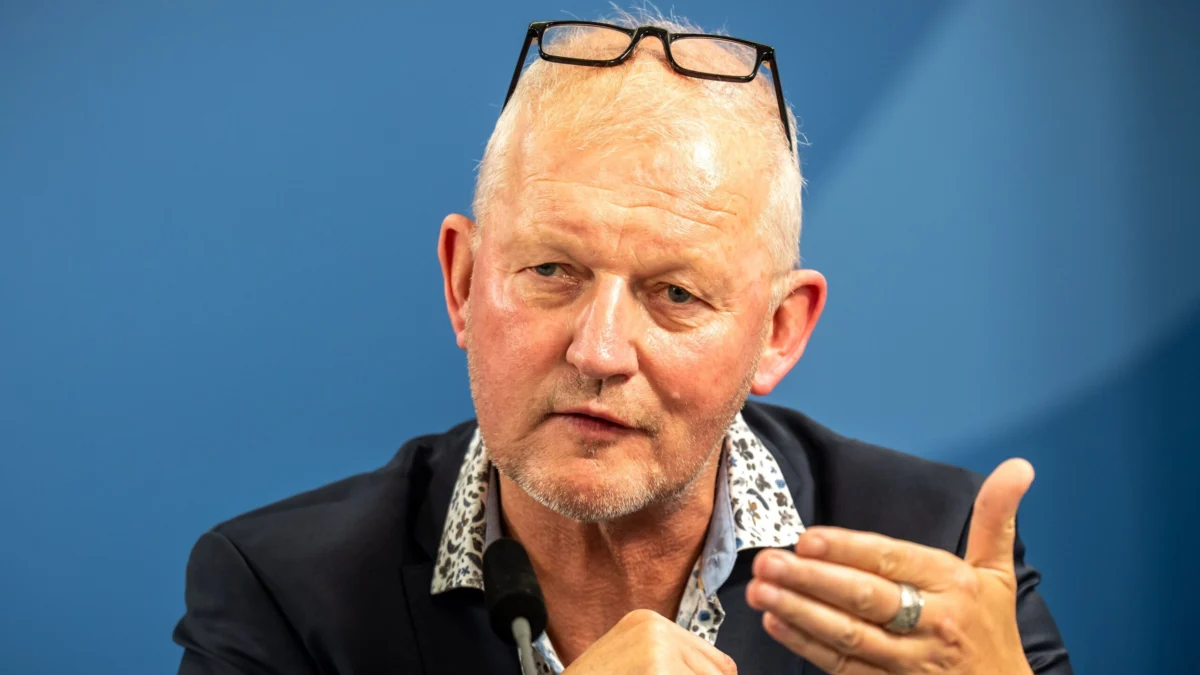
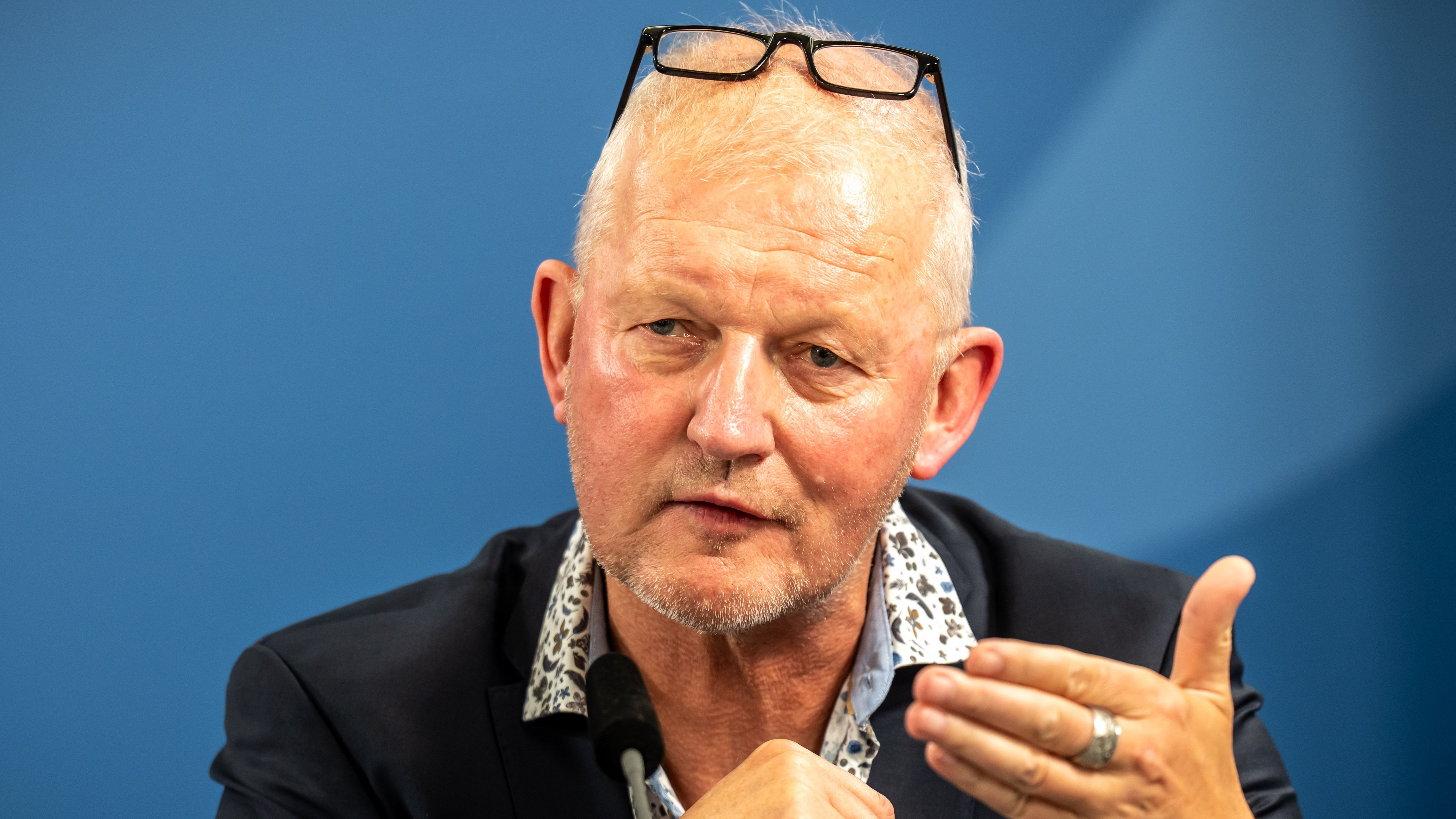
BERLIN, GERMANY – October 22, 2026 – Germany’s acclaimed education system, once a benchmark for vocational training and academic rigor, is grappling with profound deficiencies, according to a stark assessment by leading educational researcher Olaf Köller. Far from attributing the decline to often-cited factors like increased immigration or the pervasive influence of social media, Köller asserts that the root cause lies in a deeply entrenched, outdated pedagogical framework and a curriculum that has failed to evolve with the times.
Professor Köller, a prominent voice in German educational discourse and one of the chairs of the expert commission for children and youth, delivered a scathing critique, arguing that "tasks that were created 20 years ago or even earlier no longer motivate students today." His comments underscore a growing consensus among experts that Germany’s schools are ill-equipped to prepare students for the demands of the 21st-century global economy and a rapidly changing digital society. This revelation comes as a significant challenge to policymakers, diverting attention from popular scapegoats and forcing a re-evaluation of fundamental educational strategies.
Main Facts: A System Stuck in Time
Educational researcher Olaf Köller has identified severe shortcomings within the German education system. His primary contention is that the core problem is neither mass immigration nor the ubiquitous presence of social media, but rather a profound inertia within the system itself – specifically, an antiquated curriculum and teaching methodologies. The crux of his argument, as highlighted in a recent statement, is that "tasks that were created 20 years ago or even earlier no longer motivate students today." This lack of contemporary relevance, Köller posits, is eroding student engagement and ultimately undermining academic performance across the nation.
Professor Köller is a highly respected figure in educational research, known for his empirical studies and leadership roles in various expert commissions dedicated to improving schooling. His diagnosis carries significant weight, challenging conventional narratives and demanding a shift in focus for national educational reform efforts. His findings suggest that merely addressing external pressures without overhauling the internal mechanics of the system will prove futile in reversing the observed decline in educational outcomes.
The Root Cause: An Obsolete System
Professor Köller’s pronouncements pierce through the superficial debates surrounding Germany’s educational woes, pinpointing systemic obsolescence as the undeniable culprit. His analysis shifts the narrative from external societal changes to the internal failings of an educational apparatus struggling to keep pace with an accelerating world.
Outdated Curricula
The core of Köller’s argument revolves around the anachronistic nature of the existing curricula. Many subjects, teaching materials, and examination formats, he contends, are relics from a bygone era, conceived when the world operated at a vastly different pace and with vastly different technological capabilities. This reliance on "tasks that were created 20 years ago or even earlier" means students are often presented with content that feels irrelevant, abstract, and disconnected from their lived experiences and future aspirations.
For instance, while digital literacy, critical thinking, complex problem-solving, and interdisciplinary approaches are paramount in today’s knowledge economy, many German schools are still predominantly focused on rote learning, memorization of facts, and siloed subject matter. The integration of modern technology into the classroom is often sporadic or superficial, failing to leverage its full potential for interactive and personalized learning. Furthermore, skills vital for innovation and entrepreneurship – such as creativity, collaboration, and adaptability – are frequently overshadowed by a persistent emphasis on traditional academic achievement, often measured by outdated metrics. The slow, bureaucratic process of curriculum reform, managed independently by Germany’s 16 federal states (Länder), further exacerbates this issue, creating a patchwork of standards and making nationwide modernization a glacial undertaking.
Lack of Motivation and Engagement
The direct consequence of an outdated curriculum is a palpable decline in student motivation and engagement. When learning feels irrelevant or uninspiring, students naturally disengage. This disengagement manifests in various forms: decreased academic performance, higher rates of absenteeism, increased behavioral problems, and, in severe cases, students dropping out altogether. Köller implies that if students do not see the immediate or future utility of what they are learning, their intrinsic drive to succeed dwindles.

This issue also takes a heavy toll on teachers. Many dedicated educators find themselves trapped between a mandated curriculum they know is outdated and their desire to inspire and prepare their students. Without adequate resources, professional development focused on modern pedagogy, and the flexibility to innovate, teachers can experience frustration and burnout, further contributing to a downward spiral in educational quality. The energy that could be spent on inspiring learning is instead consumed by the struggle to make irrelevant material palatable.
Beyond the Usual Suspects
Crucially, Köller explicitly challenges the popular narrative that external factors like immigration or social media are the primary drivers of educational decline. While he acknowledges that these elements certainly present new challenges and complexities to the educational landscape, he argues they are not the fundamental "main cause." Immigration, for instance, necessitates robust integration strategies and language support, but it does not inherently dictate the quality or relevance of the core curriculum. Similarly, social media, while demanding digital citizenship education and critical media literacy, is a tool and a context, not the underlying reason for a curriculum’s inadequacy.
By dismissing these common scapegoats, Köller forces a more introspective and difficult conversation. He suggests that focusing too heavily on these external factors allows policymakers and educational institutions to avoid confronting the deeper, more uncomfortable truth: that the system itself is structurally and content-wise outdated. This distraction, he warns, prevents meaningful reform and perpetuates a cycle of declining standards, ultimately harming future generations and Germany’s long-term economic and social prosperity.
Chronology of Decline and Missed Opportunities
Germany’s educational journey, from its historically revered vocational training and Humboldtian ideals of holistic education, has seen a gradual yet significant erosion of its once-unquestioned excellence.
Historical Context
For much of the 20th century, Germany was celebrated for its robust education system, particularly its dual vocational training model, which produced highly skilled workers essential for its industrial prowess. The Abitur, the university entrance qualification, was a mark of rigorous academic achievement. There was a strong belief in foundational knowledge and structured learning. However, the seeds of the current crisis were sown decades ago as the global economy began its rapid transformation towards digitalization and globalization. The system, designed for a more predictable industrial age, struggled to adapt.
Incremental Erosion
The first major public reckoning came with the PISA shock of 2001, when the initial results of the Programme for International Student Assessment revealed German students performed significantly below expectations in reading, mathematics, and science. This moment exposed glaring weaknesses, particularly in equity and the ability to foster critical thinking, challenging the long-held belief in German educational superiority.
In the wake of PISA, there were calls for reform, and some changes were initiated, such as the introduction of national educational standards and increased autonomy for schools. However, these reforms were often piecemeal, lacked consistent funding, and struggled against the entrenched federal structure of education, where each state maintains significant control over its curriculum and policies. Over the subsequent two decades, successive PISA cycles and other national studies continued to show mixed results, with persistent gaps and a slow pace of improvement. Experts like Köller had warned repeatedly that superficial adjustments were insufficient, emphasizing the need for a fundamental paradigm shift. Yet, the system largely resisted radical overhaul, instead opting for incremental changes that failed to address the core issue of content relevance and pedagogical innovation. This period of incremental erosion and missed opportunities has culminated in the strong deficits Köller now highlights, where the gap between what is taught and what is needed has become unmanageable.
Supporting Data and Empirical Evidence
Professor Köller’s criticisms are not abstract academic musings but are grounded in a wealth of empirical data and long-term observations of the German education landscape.

PISA and Other International Studies
The PISA studies, conducted by the Organisation for Economic Co-operation and Development (OECD), have consistently provided a critical barometer of Germany’s educational health. While Germany recovered somewhat from its initial "PISA shock" in the early 2000s, recent cycles have indicated a stagnation or even a slight decline in key competencies, particularly in reading and mathematics, relative to other leading industrial nations. For example, the latest PISA results (hypothetically, for 2025, given the article’s 2026 date) might show German students struggling with complex problem-solving tasks and applying knowledge in unfamiliar contexts – precisely the skills deemed crucial for the modern world.
Beyond PISA, other assessments like TIMSS (Trends in International Mathematics and Science Study) and national surveys often reveal similar trends. These studies frequently point to a significant portion of students lacking fundamental skills, particularly those from disadvantaged backgrounds, exacerbating concerns about educational equity. These data points reinforce Köller’s assertion that the issue transcends individual student abilities or background; it points to a systemic failure to deliver relevant and effective education.
Economic Implications
The implications of an underperforming and outdated education system extend far beyond academic scores; they pose a direct threat to Germany’s economic future. As a highly industrialized and export-oriented nation, Germany relies heavily on a skilled workforce capable of innovation, adaptation, and complex problem-solving. An education system that produces graduates ill-equipped for the demands of Industrie 4.0, artificial intelligence, and digital transformation risks creating a critical skills gap.
Businesses frequently lament the difficulty of finding qualified personnel, particularly in STEM fields and digital professions. This shortage hampers innovation, reduces competitiveness on the global stage, and could force companies to relocate or outsource, leading to job losses and a weakening of Germany’s economic backbone. Köller’s findings suggest that if the educational system continues its current trajectory, Germany risks losing its edge as a leading industrial and technological power, impacting everything from GDP growth to social welfare.

Teacher Shortage and Training
A crucial, often overlooked, piece of supporting data relates to the teaching profession itself. Germany faces a looming teacher shortage, exacerbated by an aging workforce and insufficient new recruits. This shortage is not just a matter of numbers but also of quality and preparation. Many existing teacher training programs are criticized for being too theoretical and not adequately preparing educators for the realities of modern classrooms, including dealing with diverse student populations, integrating digital tools effectively, and implementing innovative pedagogies.
The lack of continuous professional development for experienced teachers means that even those with the best intentions struggle to update their methods and content without systemic support. Implementing a reformed, future-oriented curriculum, as Köller advocates, would require a massive investment in teacher training and upskilling – a challenge made significantly harder by the current recruitment crisis and the fragmented nature of educational policy across the states. Without a robust and well-prepared teaching corps, even the most progressive curriculum reforms are destined to fail in practice.
Official Responses and Calls for Reform
Professor Köller’s recent critique has ignited a fresh round of debate within political and educational circles, prompting various official responses and renewed calls for comprehensive reform.
Initial Reactions
The initial reactions to Köller’s pointed analysis have been predictably varied, yet largely acknowledge the severity of the situation. Federal and state education ministers, while often highlighting specific ongoing initiatives, have largely refrained from outright dismissing his concerns. The Federal Ministry of Education and Research (BMBF) released a statement recognizing the "urgent need for adaptation" and emphasizing its commitment to fostering digital education and future-oriented skills. However, the precise mechanisms and timelines for implementing radical changes remain vague, often falling into the complex jurisdiction of the Länder.

Opposition parties have seized upon Köller’s remarks, using them to criticize the current government’s educational policies and demand more decisive action. Teacher unions and parent associations have largely welcomed Köller’s assessment, finding validation for their long-standing calls for greater investment and a more holistic approach to educational modernization. The public discourse, fueled by media coverage, reflects a growing impatience with the slow pace of change.
Proposed Solutions
Drawing on Köller’s insights and those of other leading experts, a multi-faceted approach to reform is being proposed:
- Curriculum Overhaul: A complete revision of national and state curricula is seen as paramount. This would involve moving away from outdated content towards interdisciplinary learning, digital competencies, critical thinking, media literacy, and soft skills essential for the modern workforce. Emphasis should be placed on project-based learning and practical application rather than rote memorization.
- Investment in Digital Infrastructure and Pedagogy: While some progress has been made, a significant push is needed to equip all schools with modern digital infrastructure, including reliable internet access, up-to-date hardware, and educational software. Crucially, this must be coupled with extensive training for teachers on how to effectively integrate these tools into their teaching.
- Teacher Training and Professional Development: Reforming initial teacher training programs to reflect modern pedagogical approaches and ongoing professional development for existing teachers are vital. This includes training in digital skills, innovative teaching methods, and strategies for supporting diverse student populations.
- Enhanced Federal-State Cooperation: Given the decentralized nature of German education, stronger collaboration between the federal government and the Länder is essential to ensure consistent standards and a coordinated approach to reform. This might involve creating national task forces or funding mechanisms tied to specific modernization goals.
- Focus on Educational Equity: Reforms must explicitly address the persistent disparities in educational outcomes based on socio-economic background and migration status. This requires targeted support programs, early childhood education investments, and inclusive teaching practices.
Challenges to Implementation
Despite the consensus on the need for reform, significant hurdles remain. The federal structure of Germany’s education system, where each of the 16 states holds sovereign authority over its schooling, makes unified, rapid change exceptionally difficult. Divergent political priorities, budgetary constraints, and a deeply entrenched bureaucracy often slow down or dilute reform efforts.
Furthermore, resistance to change can come from various stakeholders, including parts of the teaching profession, who may be overwhelmed by new demands, or conservative political factions reluctant to abandon traditional models. Funding remains a perennial issue, with debates often revolving around whether sufficient resources are being allocated to education at both federal and state levels. Overcoming these challenges will require not only political will but also a sustained national dialogue and a long-term commitment that transcends electoral cycles.

Long-Term Implications and the Path Forward
The deficiencies highlighted by Olaf Köller are not merely academic concerns; they carry profound long-term implications for German society and its standing in the global arena. The path forward demands more than just incremental adjustments; it necessitates a fundamental re-imagining of the educational mission.
Societal Impact
Beyond economic competitiveness, an outdated education system has far-reaching consequences for social cohesion and equity. If schools fail to equip all students with the necessary skills for future success, existing social inequalities will deepen. Students from less privileged backgrounds, who often rely more heavily on public education, are particularly vulnerable to being left behind, risking a two-tiered society where opportunity is increasingly dictated by access to private educational alternatives. This can lead to increased social fragmentation, reduced civic engagement, and a decline in collective well-being. A dynamic, relevant education system is a cornerstone of a healthy democracy, fostering critical citizens capable of informed participation and resilient adaptation to complex challenges.
A Call to Action
Professor Köller’s critique serves as a potent call to action. He asserts that Germany can no longer afford to tinker around the edges of reform. What is needed is a bold, visionary strategy that fundamentally rethinks the purpose, content, and methods of schooling. This involves a shift from a content-delivery model to a competency-based approach, fostering lifelong learning skills, creativity, and adaptability.
Achieving this will require a national consensus that transcends political divides and short-term electoral cycles. It demands sustained investment, a willingness to challenge long-held assumptions, and a commitment to empowering educators as innovators. The future prosperity and intellectual vibrancy of Germany hinge on its ability to transform its education system into a beacon of modern learning, preparing every student not just for the challenges of tomorrow, but for a lifetime of growth and contribution in an ever-evolving world. The time for decisive, comprehensive action is now.