Berlin, June 21, 2026 – The German government has announced a significant expansion of its deportation policy for Afghan nationals convicted of serious crimes, marking a decisive shift in its approach to managing migration and enforcing judicial rulings. Effective immediately, the Interior Ministry will facilitate up to three charter flights per month to Afghanistan, supplementing individual deportations already possible via regular commercial flights. This move comes after a period of intense diplomatic engagement and internal political pressure, signaling a tougher stance on foreign offenders.
The announcement, made by a spokesperson for the Interior Ministry, confirms that these measures are designed to accelerate the removal of individuals deemed a threat to public safety and order. German Interior Minister Thomas Dobrindt, speaking to "Bild am Sonntag," underscored the government’s resolve, stating, "Anyone who abuses the protection offered in Germany and commits serious crimes here must seek their future in their home country. Society has a legitimate interest in ensuring that criminals leave the country."
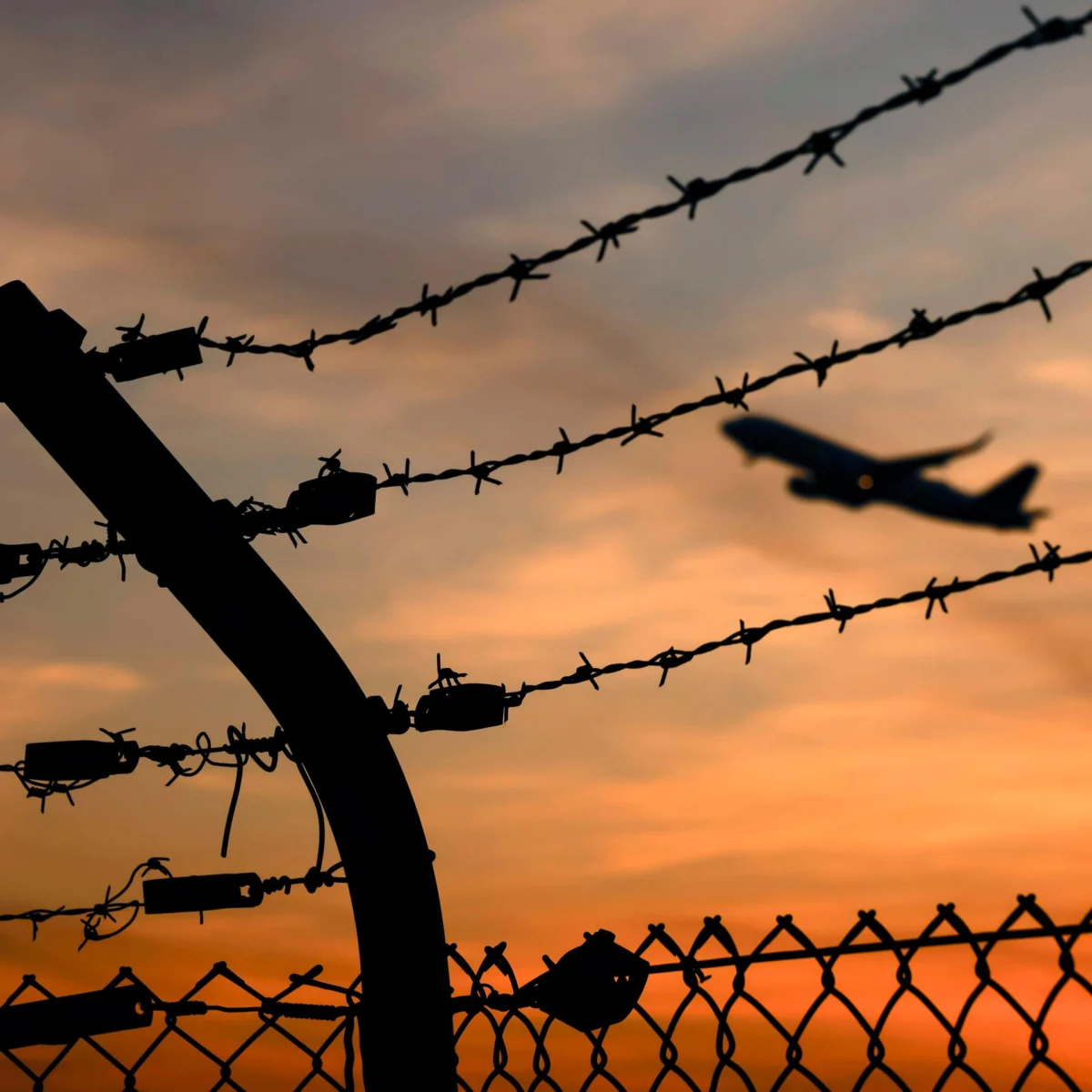
The decision follows a series of technical working-level negotiations between representatives of the German Interior Ministry and the de facto Afghan Taliban leadership, a development that itself has drawn considerable scrutiny. According to "Bild am Sonntag," at least one hundred Afghan nationals, who are currently either in regular detention or awaiting deportation in specialized facilities, are now prepared for immediate removal under these new provisions. The image accompanying the announcement, depicting a plane taking off at sunset viewed through barbed wire, starkly illustrates the perceived urgency and gravity of the policy.
Chronology of Policy Shifts
Germany’s deportation policy concerning Afghanistan has been fraught with complexity and controversy, particularly since the Taliban’s resurgence to power in August 2021. Prior to 2021, deportations to Afghanistan were already contentious, often halted due to the precarious security situation. Following the collapse of the Western-backed government and the Taliban takeover, Germany, like many other nations, imposed an immediate moratorium on all deportations to Afghanistan, citing the extreme instability and severe human rights concerns under the new regime.
For several years, this moratorium remained in place, even as calls from conservative political factions and parts of the public grew louder for its lifting, especially in cases involving serious offenders. The debate intensified with reported incidents of violent crime involving foreign nationals, fueling public discourse on security and the rule of law. Pressure mounted on the federal government to demonstrate a robust response to such incidents, with critics arguing that the inability to deport convicted criminals undermined the justice system and public trust.
In late 2025, discreet reports began to surface about initial contacts between German officials and the Taliban administration, focused on "technical aspects" of potential returns. These exploratory talks, initially denied or downplayed by Berlin, laid the groundwork for the current agreement. The negotiations were reportedly challenging, navigating the complexities of engaging with a regime not officially recognized by Germany or the international community, while also addressing logistical and security guarantees for returnees. The current announcement, therefore, represents the culmination of months of delicate diplomatic and administrative work, marking a significant policy reversal and a new chapter in Germany’s engagement with the Taliban on migration issues.
Supporting Data and Context
The decision to resume and expand deportations to Afghanistan is set against a backdrop of significant migration flows and persistent challenges within Germany’s asylum system. As of early 2026, Germany hosts one of the largest Afghan diaspora populations in Europe, with hundreds of thousands having sought protection, particularly following the 2015-2016 refugee crisis and the 2021 Taliban takeover. While the vast majority of Afghan refugees and asylum seekers are law-abiding, a small but notable number have been convicted of serious crimes, ranging from violent offenses to drug trafficking and sexual assault.
According to statistics from the Federal Criminal Police Office (BKA), while foreign nationals are not disproportionately represented in crime statistics overall when adjusted for demographic factors, certain categories of offenses have seen increased scrutiny. The government’s focus on "Straftäter" (criminals) specifically targets individuals convicted of severe offenses, distinguishing them from those who might have committed minor infractions or who simply had their asylum applications rejected. This distinction is crucial for the government’s narrative, aiming to reassure the public that the policy targets individuals who have forfeited their right to protection through criminal acts.
The security situation in Afghanistan remains dire. Under Taliban rule, human rights organizations consistently report widespread abuses, including restrictions on women’s rights, arbitrary detentions, extrajudicial killings, and severe limitations on freedom of expression. The country faces a severe humanitarian crisis, exacerbated by economic collapse and natural disasters. Critics of the deportation policy argue that returning individuals, even convicted criminals, to such an environment could expose them to further human rights violations, and that Germany risks complicity in the Taliban’s repressive system by cooperating on deportations.
Legally, Germany’s ability to deport individuals is governed by its Residence Act and international conventions. While international law, such as the European Convention on Human Rights (ECHR) and the Convention against Torture, prohibits deportations to countries where individuals face a real risk of torture or inhuman treatment, national courts often weigh the severity of crimes committed against the potential risks in the country of origin. The government’s stance is that individuals who have committed grave offenses have forfeited their claim to protection, and that the state’s interest in public safety outweighs the general risks associated with returning to Afghanistan. The logistical complexities and costs of charter flights, estimated to be significantly higher than commercial flights, also highlight the government’s determination to implement this policy, indicating a strong political will despite the financial burden.
Official Responses and Political Landscape
The announcement has predictably triggered a polarized response across Germany’s political spectrum and civil society.
Government Stance and Justification
Interior Minister Dobrindt’s strong statements reflect the federal government’s firm commitment to the new policy. Sources within the Interior Ministry emphasize that the expanded deportations are a necessary measure to uphold the rule of law and protect German citizens. "Our legal system must be able to act decisively against those who exploit our hospitality and commit grave crimes," stated a ministry official, who wished to remain anonymous due to the sensitivity of the topic. "These measures send a clear signal: Germany will not tolerate severe criminality, regardless of a person’s origin."
The ruling coalition, composed of the Social Democrats (SPD), the Greens, and the liberal Free Democrats (FDP), has shown internal divisions on the issue. While the SPD and FDP have largely supported the move, aligning with the Interior Ministry’s emphasis on security and deterrence, the Green Party has expressed significant reservations. Publicly, Green Party representatives have acknowledged the need to address serious crime but have voiced profound ethical and human rights concerns regarding cooperation with the Taliban and the safety of returnees. "While we condemn all serious criminal acts, we must never compromise on our fundamental human rights principles," a Green Party spokesperson commented, suggesting that the party would closely monitor the implementation of the policy.
Opposition and Human Rights Organizations’ Reactions
The decision has been met with immediate and fierce condemnation from opposition parties on the left and a broad coalition of human rights organizations. The Left Party and sections of the Green Party have vehemently criticized the government for negotiating with and effectively legitimizing the Taliban regime through these agreements. Clara Schmidt, a prominent Left Party Bundestag member, declared, "Deporting people to a terror regime that systematically violates human rights is an act of political opportunism and a betrayal of our values. The Taliban are not a legitimate negotiating partner for human rights issues, let alone returns."
Human rights groups like Amnesty International and Pro Asyl have echoed these concerns, warning of dire consequences for the deported individuals. "Germany cannot turn a blind eye to the reality on the ground in Afghanistan," stated a representative from Pro Asyl. "Even convicted criminals are entitled to basic human rights protections. To send them back to a country where they face arbitrary detention, torture, or even death, particularly if they are perceived as having been ‘Westernized’ or have committed offenses that further alienate them from the Taliban’s strict interpretation of law, is an unconscionable act." These organizations have also highlighted the potential for legal challenges against individual deportation orders, predicting a wave of litigation in German administrative courts.
Public Opinion and Societal Debate
Public opinion on the issue remains deeply divided. Polls consistently show strong support among a significant portion of the German population for stricter measures against foreign criminals, reflecting a broader concern about public safety and the perceived failures of integration. Many citizens believe that those who commit serious crimes should lose any right to remain in Germany, regardless of the situation in their home country. Conversely, a vocal minority, including many civil society groups, religious organizations, and some academics, express profound moral and ethical objections, arguing that Germany has a humanitarian responsibility and that engaging with the Taliban undermines international norms. This polarization reflects the ongoing, often heated, societal debate about migration, national security, and Germany’s role in global human rights.
Implications and Future Outlook
The expansion of deportations to Afghanistan carries far-reaching implications, both practically and ethically, for Germany and potentially for wider European migration policy.
Practical Challenges and Logistics
Implementing this policy will present considerable practical challenges. The identification and verification of individuals’ identities, often complicated by a lack of official documents, will be a major hurdle. Securing travel documents from the Taliban administration, even with an agreement in place, is expected to be a cumbersome process, potentially leading to delays and further negotiations. The logistics of organizing three charter flights monthly, including ensuring adequate security personnel, medical support, and coordinating with Afghan authorities for receiving the individuals, will test the Interior Ministry’s capabilities. Furthermore, the potential for individuals to launch last-minute legal appeals against their deportation orders could lead to numerous cancellations and re-bookings, adding to the administrative burden and cost.
Geopolitical and Diplomatic Ramifications
The decision to formally engage with the Taliban on deportation issues carries significant geopolitical weight. While Germany has repeatedly stated that its engagement does not imply recognition of the Taliban regime, the practical cooperation on such a sensitive matter blurs the lines. This could set a precedent for other European nations grappling with similar challenges, potentially leading to a broader, albeit informal, European engagement with the Taliban on migration. Critics fear this might lend undue legitimacy to the Taliban, undermining international efforts to isolate the regime and pressure it on human rights. Conversely, proponents argue that such engagement, even if pragmatic, is necessary to manage migration flows and ensure the return of criminals.
Ethical and Human Rights Considerations
At the heart of the controversy are profound ethical and human rights considerations. The concept of "safe third country" or "safe country of origin," which typically underpins deportation policies, is difficult to apply to Afghanistan under Taliban rule. Human rights organizations will continue to highlight the severe risks faced by returnees, especially those who may be perceived as having adopted Western values, converted to Christianity, or committed offenses that are anathema to the Taliban’s strict interpretation of Islamic law. The long-term fate of these individuals in Afghanistan, where they may face a lack of support networks, economic hardship, and potential persecution, remains a grave concern. Germany’s commitment to international human rights conventions will undoubtedly be scrutinized, as courts and civil society groups challenge the legality and morality of these expanded deportations, ensuring that the debate around this policy will continue to rage for the foreseeable future.