Berlin/Hohenschwangau, Bavaria – Germany’s regional public transport system faces a critical juncture, as federal and state governments remain deadlocked over crucial funding increases. At their recent joint conference in Hohenschwangau, Bavaria, state transport ministers were met with a firm rejection from Federal Transport Minister Bilger (CDU) regarding their pleas for more financial support, casting a shadow over the future of local services. The states warn that without additional federal funds, they will be forced to implement drastic measures, including raising ticket prices or significantly reducing service frequencies, threatening the nation’s ambitious climate goals and the affordability of public mobility.
Amidst this fiscal standoff, an innovative proposal from North Rhine-Westphalia (NRW) and Hamburg for a nationwide electronic "occasional tariff" ticket for infrequent users was briefly on the agenda before being tabled. While aiming to simplify public transport access, this digital ticket, unlike its popular Deutschlandticket counterpart, is explicitly designed without a price cap, a strategic decision intended to prevent cannibalization of existing subscriptions and avoid additional federal expenditure. The ongoing debate highlights the complex interplay of financial realities, federal-state responsibilities, and the pressing need to modernize and sustain Germany’s public transport infrastructure.
A Looming Crisis for Germany’s Public Transport
The recent gathering of Germany’s transport ministers in the scenic Bavarian town of Hohenschwangau near Füssen underscored a growing chasm between the financial demands of the federal states and the fiscal constraints cited by the federal government. At the heart of the contentious discussions was the states’ urgent call for an increase in federal "regionalization funds" – the primary mechanism through which the federal government contributes to the financing of local public transport. The Federal Transport Minister, Bilger (CDU), remained steadfast in his refusal, asserting that there was no financial leeway within the federal budget to accommodate the states’ demands. This rejection has sent ripples of concern across the federal states, who are now contemplating severe measures to maintain their public transport networks.
The Funding Impasse: States vs. Federal Government
The states’ plea for augmented federal support stems from an increasingly challenging economic environment characterized by soaring operational costs. They argue that the current funding model, while providing a baseline, is no longer adequate to sustain the existing level of service quality and network density. Minister Bilger’s categorical refusal to commit additional funds has left many state representatives frustrated, prompting fears that the burden will inevitably fall upon commuters and local communities. The federal government, meanwhile, emphasizes the need for efficient resource allocation and points to existing contributions, suggesting that the problem lies more in how funds are managed at the state level rather than in the overall quantum of federal support. This fundamental disagreement sets the stage for a prolonged and potentially damaging standoff, with the quality and accessibility of public transport hanging in the balance.
The Backbone of Regional Mobility: Regionalization Funds
To understand the current predicament, it is crucial to delve into the historical context of Germany’s public transport financing. Following the "Bahnreform" (rail reform) in the 1990s, the responsibility for regional passenger rail transport was largely devolved from the federal level to the individual federal states (Länder). This decentralization aimed to allow states to better tailor public transport offerings to local needs. In return, the federal government committed to providing "Regionalisierungsmitteln" (regionalization funds) to help finance these services. These funds are indispensable, enabling states to contract rail services, determine frequencies, and set fares. For the year 2027, the federal budget allocates approximately 13.7 billion euros for these funds, with a stipulated annual increase of 3 percent. While this annual increment was designed to account for general cost increases, the states contend that it has fallen significantly short of covering the actual escalation in expenses over recent years, thus eroding their capacity to maintain the status quo.
Escalating Costs and Legal Challenges
The financial pressures on Germany’s public transport operators and state budgets are multifaceted, extending beyond general inflation. A confluence of global economic trends and specific legal rulings has created a perfect storm, pushing the system to its financial limits. The states’ calls for more funding are not merely reactive but are rooted in tangible and substantial increases in their operational expenditures, making the 3 percent annual increase in regionalization funds seem increasingly inadequate.
The Rising Tide of Operational Expenses
One of the most significant drivers of increased costs has been the volatility and sharp rise in energy prices. Public transport, particularly rail, is heavily reliant on electricity, and recent geopolitical events have led to unprecedented surges in energy markets. These costs are directly passed on to transport operators, who then seek higher compensation from the states that commission their services. Concurrently, Germany has experienced substantial wage increases across various sectors, including the transport industry. Collective bargaining agreements have resulted in higher salaries and benefits for drivers, maintenance staff, and administrative personnel. While these increases are vital for attracting and retaining a skilled workforce, they add considerable pressure to already strained budgets. Furthermore, general inflationary trends affecting maintenance, procurement of spare parts, and infrastructure upgrades contribute to the overall expenditure, making it increasingly difficult for states to sustain service levels with the current federal allocation. As Christian Bernreiter, chairman of the Conference of Transport Ministers and Bavaria’s transport minister, succinctly put it: "Our goal is to be able to maintain the status quo for the next few years." Without a significant boost in funds, he warned, states face an agonizing choice between hiking ticket prices or curtailing service offerings, a move that would undoubtedly impact commuters and hinder broader transport policy objectives.
The Track Access Fee Dilemma
Adding another layer of complexity to the funding crisis is the contentious issue of "Trassenpreise," or track access charges. These are fees paid by railway operators to Deutsche Bahn, which owns and maintains the vast majority of Germany’s rail infrastructure, for the right to use its tracks. Historically, regional public transport services often benefited from certain price brakes or discounts on these fees, recognizing their public service character. However, a recent ruling by the European Court of Justice (ECJ) has declared that a previously applied price brake in regional transport is impermissible. This judgment has significant implications, as it removes a critical cost-saving mechanism for regional operators.
The immediate consequence is an anticipated sharp increase in track access charges over the coming years. This unexpected surge in infrastructure costs directly impacts the financial viability of regional rail services, forcing states to allocate a larger portion of their budgets to these unavoidable fees. Minister Bernreiter articulated the severity of this new challenge, stating, "Additional money is being demanded that we do not have." The states are therefore demanding that the federal government compensate them for these unforeseen additional expenditures, arguing that this is a systemic issue arising from a legal interpretation that transcends their immediate control. The track access fee dilemma underscores the vulnerability of the public transport system to external factors and highlights the urgent need for a robust and flexible funding framework that can absorb such shocks.
Official Responses and Political Repercussions
The funding dispute has elicited strong reactions from all sides, exposing the underlying tensions in Germany’s federal system and drawing sharp criticism from political opposition. While the federal government maintains a stance of fiscal conservatism, the states and opposition parties warn of dire consequences for millions of public transport users.

Federal Stance: Fiscal Prudence and Efficiency
Federal Transport Minister Bilger (CDU) defended the federal government’s position by emphasizing existing substantial contributions to the public transport sector. He stated that the federal government currently supports regional rail with approximately 15 billion euros. This figure, he clarified, includes subsidies for the popular Deutschlandticket, a nationwide monthly subscription that offers unlimited travel on regional and local public transport for a fixed price. While acknowledging the high financial burden on the states, Bilger stressed the importance of "efficient use of funds." His argument implies that before demanding additional federal money, states should first scrutinize their spending and optimize operational processes. This stance, however, has been perceived by the states as an attempt to shift responsibility, ignoring the structural cost increases that are largely beyond their immediate control. The federal government’s perspective underscores a broader budgetary discipline, particularly in light of current economic uncertainties and the need to balance various federal spending priorities.
States’ Warnings: Service Cuts and Fare Hikes
In contrast to the federal government’s position, the state transport ministers presented a unified front, painting a grim picture of potential outcomes if their funding requests are not met. Christian Bernreiter, leading the conference, reiterated the critical need for increased federal support simply "to maintain the status quo." The ministers highlighted that without an adjustment to the regionalization funds, they would be left with two undesirable options: either significantly raise ticket prices for commuters and passengers or drastically reduce the frequency and scope of public transport services. Both scenarios carry severe implications. Fare increases could make public transport less attractive and affordable, particularly for low-income households, potentially driving people back to private cars. Service cuts, especially in rural areas, could lead to reduced accessibility, isolation, and undermine the very principle of public mobility as a common good. Such measures would not only inconvenience millions but also contradict Germany’s broader environmental and climate protection objectives by making sustainable transport options less viable.
Opposition’s Sharp Criticism
The federal government’s refusal to provide additional funding has also drawn fierce condemnation from the political opposition. Vinzenz Glaser, the transport policy spokesperson for the Left Party (Die Linke) parliamentary group in the Bundestag, sharply criticized Minister Bilger’s stance. Glaser declared that Bilger’s "missing financing commitments leave behind a pile of shards for millions of public transport users who will have to bear the brunt of his failure in the future." This strong language reflects the deep concern that the funding dispute is not merely a bureaucratic squabble but a decision with direct, negative consequences for ordinary citizens and the future direction of German transport policy. The Left Party’s critique underscores the political sensitivity of public transport funding, which is often seen as a barometer of social equity and environmental commitment. The opposition fears that the federal government’s current approach risks undermining public trust in the transport transition (Verkehrswende) and exacerbating social inequalities.
An Innovative Path Forward: The Occasional Ticket Proposal
Amidst the contentious funding debates, an innovative proposal emerged from North Rhine-Westphalia (NRW) and Hamburg, aiming to modernize public transport access for a specific user group. This initiative, while temporarily sidelined, offers a glimpse into potential future solutions for a more flexible and user-friendly public transport system.
Bridging the Gap for Casual Users
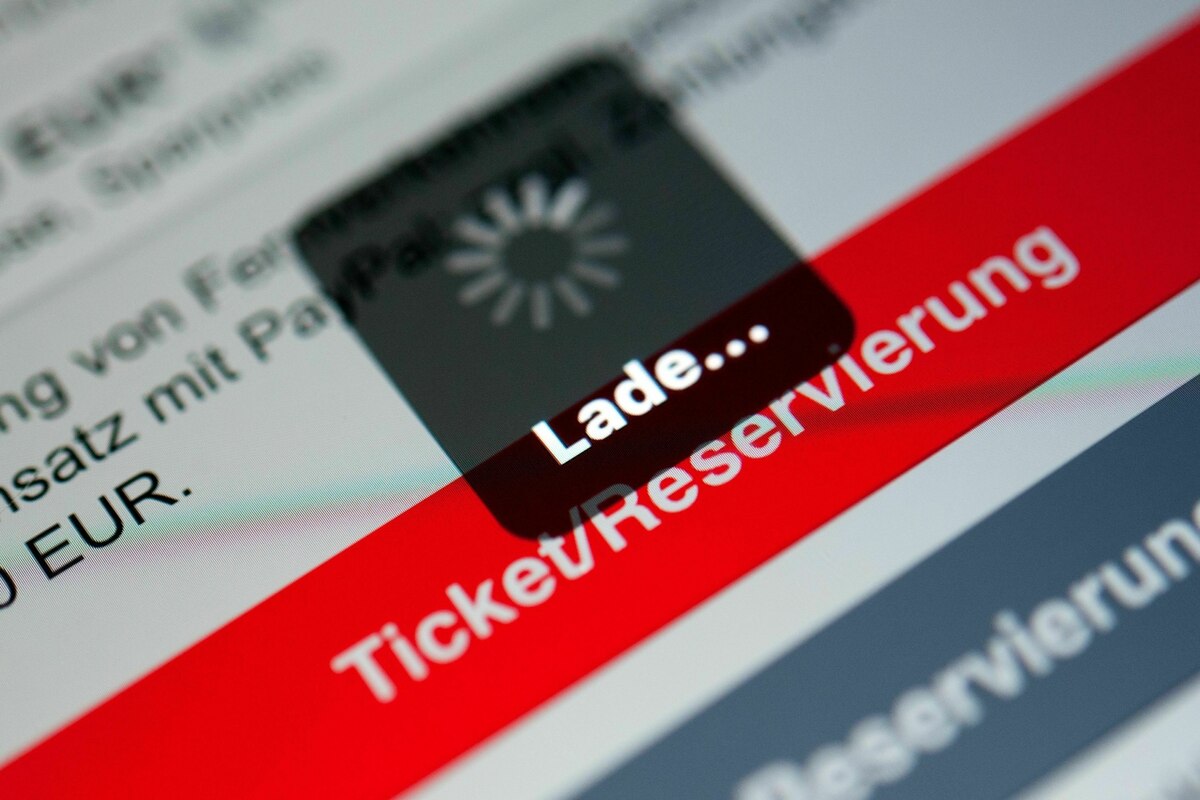
The states of NRW and Hamburg introduced a motion for a "nationwide electronic occasional tariff." The core idea behind this proposal is to create a digital ticket specifically designed for infrequent public transport users. While the Deutschlandticket successfully caters to regular commuters and frequent travelers, there remains a significant segment of the population that uses buses and trains only occasionally. For these individuals, navigating complex local tariff structures, understanding different fare zones, and purchasing tickets can be a deterrent. The proposed digital ticket seeks to remove these barriers, making public transport as straightforward and fair for occasional users as the Deutschlandticket is for daily commuters. Oliver Krischer (Greens), Transport Minister for North Rhine-Westphalia, articulated the rationale: "Those who only occasionally use buses and trains must be able to travel just as uncomplicatedly and on fair terms as frequent travelers with the Deutschlandticket." This initiative represents a strategic effort to expand the appeal of public transport beyond its core user base, potentially increasing ridership and revenue.

The "eezy.nrw" Model and its Adaptations
The inspiration for this nationwide occasional tariff comes directly from a successful regional model already implemented in North Rhine-Westphalia: "eezy.nrw." This system utilizes a smartphone application where users simply check in at the start of their journey and check out at the end. The app then automatically calculates the cheapest possible fare for the trip based on the distance traveled or the specific route. This "check-in/check-out" functionality eliminates the need for users to understand complex fare tables or choose the correct ticket beforehand, simplifying the entire process. The success of eezy.nrw is evident: according to the NRW Ministry of Transport, 1.4 million journeys were accounted for through the system in September alone, demonstrating its popularity and effectiveness. The proposed nationwide ticket would adapt this proven technological framework, extending its benefits across Germany’s diverse public transport landscape.
The Critical "No Price Cap" Clause
A crucial distinction between the proposed nationwide occasional ticket and the existing eezy.nrw model lies in the absence of a price cap. While eezy.nrw users in NRW currently benefit from a monthly maximum fare equivalent to the Deutschlandticket price (currently €63, rising to €66.80 by January 2027), the federal proposal explicitly does not include such a cap. This decision is a strategic one, as Minister Krischer emphasized: "We do not want a price cap for the nationwide occasional ticket. That would cannibalize the Deutschlandticket." His concern is that if an occasional ticket also had a price cap at the Deutschlandticket level, many frequent users might switch to the occasional ticket, believing they would rarely hit the cap, thus undermining the financial model and subscriber base of the Deutschlandticket. Krischer argued that in NRW, most occasional ticket users do not reach the price ceiling anyway, suggesting that the absence of a cap would not significantly disadvantage casual users. This approach aims to create a distinct product that complements, rather than competes with, the Deutschlandticket, thereby protecting the revenue streams associated with the monthly pass.
Political Maneuvering: Off the Agenda but Not Forgotten
The initiative from NRW and Hamburg, despite its innovative appeal, was notably removed from the official agenda at the start of the transport ministers’ conference. This move, however, does not necessarily signify a complete rejection. Instead, it might indicate a need for further refinement, discussion, or perhaps a recognition that its proposed financial structure—without a price cap and thus potentially self-sustaining—would not immediately require federal budgetary intervention. Minister Krischer’s assertion that "because no price cap is foreseen for the nationwide ticket, no additional costs would arise from its introduction" suggests that the proposal might be viewed as fiscally neutral. This could make it an attractive option for future consideration, as it offers a modern, user-friendly solution without directly exacerbating the current federal-state funding dispute. The proposal remains a significant development, highlighting the potential for digital innovation to address accessibility challenges in public transport, even as the broader funding crisis persists.
Implications and the Future of German Public Transport
The current standoff between the federal government and the states over public transport funding, combined with the complexities of new ticketing initiatives, carries profound implications for Germany’s mobility landscape, its climate goals, and the daily lives of millions of citizens.
Threat to the Verkehrswende
Germany has committed to an ambitious "Verkehrswende" – a fundamental transformation of its transport sector aimed at significantly reducing carbon emissions and promoting sustainable mobility. A core pillar of this transition is the substantial shift of passenger and freight traffic from private vehicles to public transport and rail. However, a financially constrained public transport system, forced to raise fares or cut services, would directly undermine these efforts. If public transport becomes less affordable, less frequent, or less accessible, individuals will be incentivized to revert to private car usage, thereby increasing congestion, pollution, and greenhouse gas emissions. The inability to adequately fund the maintenance and expansion of public transport networks could thus jeopardize Germany’s climate targets and its international commitments, transforming the vision of a sustainable future into a distant aspiration.

The Passenger’s Burden
Ultimately, the consequences of the funding dispute will be borne by the passengers. Potential fare increases will disproportionately affect low-income households, students, and the elderly, for whom public transport is often the only viable mode of travel. Higher prices could lead to reduced ridership, creating a vicious cycle where less revenue necessitates further cuts or price hikes. Equally concerning are potential service reductions. In urban centers, this might mean longer waiting times; in rural areas, it could translate into the complete cessation of certain routes, leading to increased isolation and reduced access to essential services, employment, and education. Such outcomes would not only inconvenience commuters but also exacerbate social inequalities, making it harder for all segments of society to participate fully in economic and social life. The public’s trust in the reliability and affordability of public transport, painstakingly built over years, could be eroded, making future efforts to promote sustainable mobility even more challenging.
Federalism and Fiscal Responsibility
The ongoing conflict also highlights the inherent tensions within Germany’s federal system, particularly concerning the division of fiscal responsibilities. While states are mandated to provide regional public transport services, their capacity to do so is heavily dependent on federal financial support. The debate over regionalization funds and compensation for rising track access fees underscores the need for a clear, predictable, and sustainable funding mechanism that accounts for evolving economic realities and external shocks. Without a collaborative approach that recognizes both federal budgetary constraints and state operational needs, the German federal system risks becoming an impediment rather than an enabler of critical public services. The long-term viability of public transport hinges on establishing a funding model that balances local autonomy with national strategic objectives and shared fiscal responsibility.
The Digital Future of Fares
Despite the current financial hurdles, the proposal for a nationwide electronic occasional ticket points towards a promising future for digital, flexible ticketing solutions. Such innovations have the potential to significantly enhance user convenience, streamline fare collection, and provide valuable data for optimizing service provision. By leveraging technology, public transport systems can become more agile, responsive, and appealing to a broader demographic. However, the successful implementation of such initiatives requires not only technological prowess but also robust political consensus and a sustainable financial framework. The current debate surrounding the occasional ticket – particularly the decision regarding the price cap – illustrates the delicate balance required to integrate new digital solutions without disrupting existing successful models like the Deutschlandticket or incurring unforeseen costs. The challenge for Germany is to embrace these technological advancements while simultaneously resolving the fundamental questions of funding and governance that underpin its public transport system.
Conclusion
The recent transport ministers’ conference has laid bare the urgent and complex challenges facing Germany’s public transport sector. The federal government’s refusal to increase regionalization funds, coupled with escalating operational costs and the impact of rising track access fees, has placed immense pressure on the states. Their warnings of impending fare hikes and service cuts are not mere rhetoric but a stark reflection of the difficult choices they confront.
While innovative proposals like the nationwide occasional ticket offer a glimpse into a more flexible and user-friendly future for public transport, their successful integration hinges on resolving the underlying financial instability. The debate is not merely about numbers; it is about the accessibility of mobility for millions, the realization of Germany’s ambitious climate goals, and the fundamental question of how a modern, industrialized nation funds and sustains its essential public services.

As the discussions continue, a sustainable solution will require more than just efficient spending; it will demand a renewed spirit of cooperation between federal and state governments, a realistic assessment of financial needs, and a shared vision for a public transport system that is truly fit for the future – affordable, reliable, and accessible to all. Without such a concerted effort, the promise of a robust and environmentally friendly transport system for Germany risks being severely compromised.