Kyiv, Ukraine – The protracted conflict in Ukraine continues to be a focal point of international attention, marked by a complex interplay of military actions, technological disruptions, and high-stakes diplomacy. Recent developments, including the alleged throttling and subsequent restoration of crucial satellite internet services, underscore the evolving nature of modern warfare and the profound geopolitical implications at play. While US President Donald Trump announced the reinstatement of Starlink services in Ukraine, the incident has ignited a firestorm of criticism from US lawmakers and raised urgent questions about the control and reliability of essential wartime infrastructure. Simultaneously, Russia maintains its relentless assault on Ukrainian territory, even as diplomatic channels for peace are tentatively explored, highlighting a deeply contradictory landscape.
The situation remains fluid, with Ukraine grappling with persistent attacks, economic vulnerabilities, and the need for robust international support, while its allies calibrate their responses and enhance their defensive capabilities. The humanitarian toll continues to mount, particularly in the eastern regions, where civilian evacuations are becoming a grim necessity.
Main Facts: A Volatile Landscape
The past week has seen a rapid succession of critical events shaping the dynamics of the Ukraine war:
- Starlink Restoration and Controversy: US President Donald Trump claimed that the vital Starlink satellite internet service, provided by SpaceX, has been restored for Ukrainian forces after a period of alleged throttling. This announcement followed intense criticism from US Senators who launched an investigation into the temporary restrictions, asserting that they exposed Ukraine to heightened Russian attacks.
- US-Ukraine Relations Strain: The Starlink incident, coupled with earlier decisions by Trump regarding sanctions and a diesel deal with Russia, has further exacerbated tensions in the relationship between the United States and Ukraine. Ukrainian President Volodymyr Zelenskyy has publicly warned against concessions to Russia.
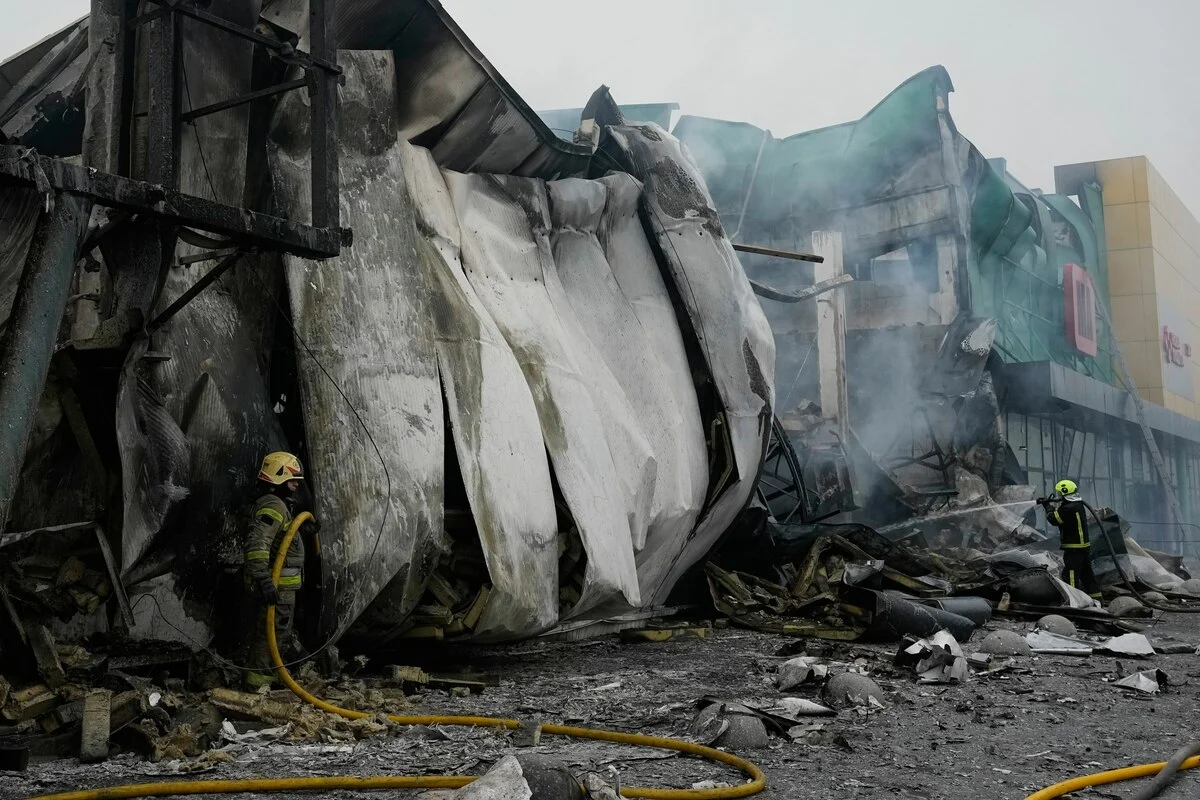
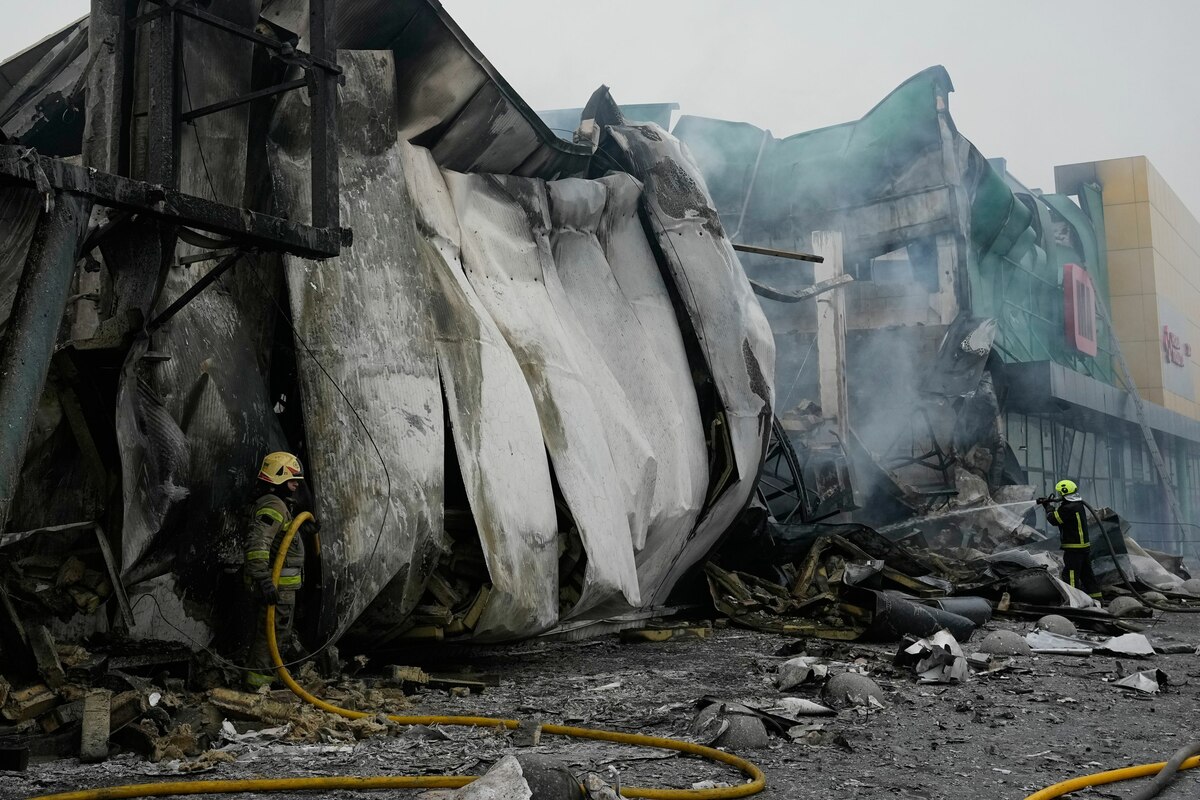
- Continued Russian Aggression: Despite renewed diplomatic overtures from Russian President Vladimir Putin, who expressed readiness for talks with the US and Ukraine, Moscow has simultaneously intensified its missile and drone attacks across Ukraine, resulting in civilian casualties and widespread destruction.
- Economic Security Measures: Ukraine is seeking to relocate customs controls for grain exports to Poland and Slovakia, aiming to protect vital trade routes from Russian drone attacks and ensure economic stability.
- Regional Security Discussions: German Foreign Minister Johann Wadephul is participating in a significant "R4+E3" foreign ministers’ meeting in Istanbul, addressing regional security issues including the Ukraine war, the Palestinian question, and tensions in the Strait of Hormuz.
- NATO Reinforcement: Denmark has announced its first acquisition of long-range precision missiles for its F-35 fighter jets, a move strongly condemned by Russia, signaling a hardening of NATO’s defensive posture.
- Humanitarian Crisis in Donbas: Ukrainian authorities have ordered the evacuation of families with children from frontline cities in the Donbas region, Sloviansk and Kramatorsk, due to incessant Russian bombardment, underscoring the severe human cost of the conflict.
Chronology of the Starlink Saga and US-Ukraine Friction
The saga surrounding Starlink’s operational status in Ukraine, a critical element of Kyiv’s wartime resilience, has unfolded with dramatic twists, reflecting the intersection of private enterprise, national security, and high-level politics.
Initial Restrictions and Kyiv’s Alarm
Reports began to surface days ago from Kyiv, detailing a significant and concerning throttling of Starlink and its associated military variant, Starshield. These satellite internet services, provided by Elon Musk’s SpaceX, have become indispensable for the Ukrainian armed forces. They are the backbone of front-line communications, enabling command and control, facilitating precise drone operations, and enhancing overall situational awareness. The degradation of these services immediately impacted Ukraine’s ability to counter Russian aggression, particularly in coordinating defensive actions and deploying its fleet of reconnaissance and attack drones.
According to a report by the Wall Street Journal, the limitations were allegedly imposed directly by SpaceX CEO Elon Musk. The report indicated that Musk had ordered a reduction in the speed at which Ukrainian devices could connect to the Starshield system. This reduction, critically, had the effect of rendering some Ukrainian drones partially inoperable, severely hindering their effectiveness on the battlefield. The implications were immediate and severe: diminished communication capabilities and a reduced capacity for drone-based reconnaissance and targeted strikes left Ukrainian forces more exposed.
US Political Fallout and Calls for Accountability
The news of Starlink’s alleged throttling triggered immediate concern and outrage among US lawmakers, who swiftly moved to demand clarification and accountability. Senator Richard Blumenthal, a Democrat, announced the initiation of a formal investigation into the matter. In a sharply worded letter addressed to Elon Musk and US Defense Secretary Pete Hegseth, Blumenthal expressed profound alarm. He asserted that the restrictions on Starlink and Starshield services had directly increased Ukraine’s vulnerability to Russian attacks, particularly from sophisticated missile systems and the highly effective Shahed drones, which can reach speeds exceeding 400 kilometers per hour.
Blumenthal’s letter underscored the gravity of the situation, stating, “Regardless of whether the change was ordered by the White House, the Department of Defense, or SpaceX, the incident raises urgent questions.” This statement highlighted the ambiguity surrounding the decision-making process and the potential for a private entity to unilaterally impact the operational capabilities of a sovereign nation in wartime. Republican Senator Thom Tillis echoed these concerns, taking to the social media platform X to demand that those responsible for the restrictions come forward, emphasizing that “otherwise, the matter must be clarified.” The bipartisan outcry underscored the strategic importance of Starlink and the broader implications of its control.
Trump’s Intervention and Ambiguous Claims
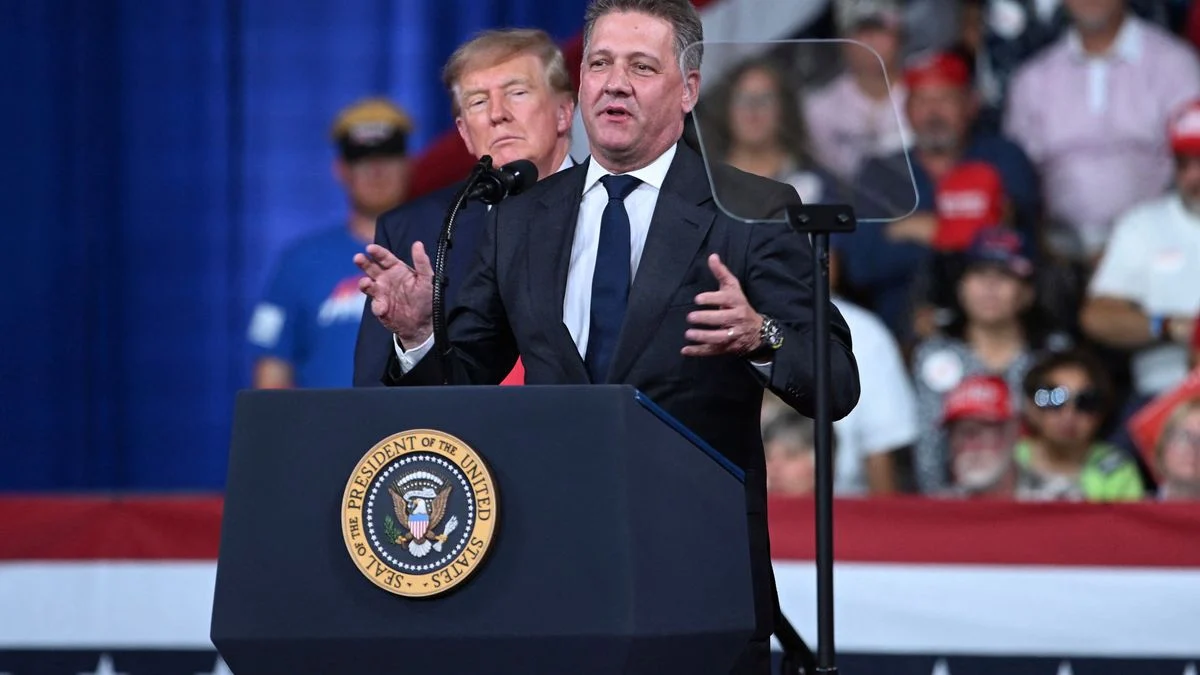
The controversy took another turn with the intervention of former and potentially future US President Donald Trump. Speaking in Washington, Trump announced that Ukraine once again had access to the crucial Starlink satellite internet service. He confidently stated his belief that SpaceX chief Elon Musk had "turned the service back on." However, when pressed by journalists on whether he had personally spoken with Musk, Trump responded evasively, saying, "I want to say nothing about whether I called or whether someone else called – that makes no difference." This ambiguous response left observers questioning the nature of the communication and the precise mechanism behind the service’s restoration.
Further complicating the narrative, Musk had previously attempted to deflect responsibility for any restrictions. He claimed that "all restrictions on speed or use" of the Starshield system were decided by the US military and ultimately by the President. This assertion, however, was swiftly and decisively rejected by both Defense Secretary Pete Hegseth and President Trump himself, leaving Musk’s role and the chain of command concerning Starlink’s wartime operations shrouded in a degree of uncertainty.
Deteriorating US-Ukraine Relations
The Starlink incident did not occur in a vacuum; it emerged against a backdrop of already strained relations between the US and Ukraine, particularly concerning Trump’s influence and actions. Ukrainian President Volodymyr Zelenskyy has been increasingly vocal in his concerns about Trump’s approach to the conflict. Previously, Zelenskyy had sharply criticized Trump for being "on the wrong side of history" following reports of a diesel deal with Russian President Vladimir Putin and the lifting of certain sanctions against Russia.
In a recent interview with CNN, Zelenskyy reiterated his firm stance, warning Trump against making further concessions to Russia. "My position on Putin is very clear. I think if we lift sanctions, we make him stronger," Zelenskyy stated unequivocally. He emphasized the professional nature of his disagreement, clarifying, "It is nothing personal between me and President Trump, and of course I am against any lifting of sanctions." This public admonition highlights Ukraine’s growing apprehension about potential shifts in US policy, particularly given the critical military and financial aid provided by the United States since the full-scale invasion began. The convergence of the Starlink controversy and Trump’s past actions has undoubtedly cast a shadow over the future of US-Ukrainian cooperation.
Supporting Data and Strategic Significance
The ongoing conflict in Ukraine is a stark reminder of how deeply intertwined technology, economics, and military strategy have become. The incidents surrounding Starlink and grain exports are not isolated events but rather critical components of a larger geopolitical struggle.
The Critical Role of Satellite Connectivity
Starlink’s significance for Ukraine cannot be overstated. Beyond basic communication, it provides resilient, high-bandwidth internet access crucial for:

- Battlefield Intelligence: Real-time data transmission from drones, sensors, and ground units to command centers.
- Command and Control: Secure and reliable communication channels for coordinating troop movements, artillery fire, and logistics across vast and often contested territories.
- Drone Warfare: Essential for piloting reconnaissance and attack drones, which have become pivotal in modern combat. The alleged throttling directly impacted the ability of these drones to function effectively, thereby reducing Ukraine’s tactical advantage in reconnaissance and precision strikes.
- Cyber Defense: Providing alternative communication routes in the event of Russian cyberattacks on traditional infrastructure.
The Wall Street Journal‘s reporting on the impact of throttling on drone operability underscores the direct military consequences of such technological disruptions. Furthermore, the vulnerability to high-speed Shahed drones, which can travel at over 400 kilometers per hour, highlights the need for rapid response capabilities that rely heavily on uninterrupted, high-speed data.
The Economic Lifeline: Grain Exports Under Threat
Ukraine is historically known as the "breadbasket of Europe," and its agricultural sector remains a cornerstone of its economy. Grain exports are not just a source of revenue but a vital link to global food security. Since the invasion, Russia has systematically targeted Ukraine’s agricultural infrastructure, including ports, storage facilities, and transport routes, in an apparent attempt to cripple its economy and exert global leverage.
The current negotiations with Poland and Slovakia to relocate customs controls for grain shipments inland are a direct response to this ongoing threat. By moving these controls away from the immediate border areas, Ukraine aims to:
- Mitigate Drone Attacks: Reduce the risk of Russian drone strikes on trucks and logistics hubs at the border.
- Streamline Exports: Potentially speed up the inspection process, reducing bottlenecks and delays that have plagued cross-border trade.
- Ensure Economic Stability: Maintain a consistent flow of agricultural products to international markets, crucial for Ukraine’s wartime economy.
The initiative is not without precedent, as Ukraine has already established similar joint border control points with Moldova. Ukrainian Foreign Ministry spokesperson Heorhij Tychyj explicitly stated that this step is necessitated by a "new security environment" where Russia "deliberately tries to attack Ukrainian borders." Kyiv’s urgency in seeking an agreement with Poland as quickly as possible reflects the critical importance of these measures for national survival.
Official Responses and Diplomatic Maneuvers
The multifaceted crisis in Ukraine has elicited a range of responses from key players, from defiant statements in Kyiv to calculated pronouncements in Moscow and strategic shifts among European allies.
Kyiv’s Resilience and Calls for Support
Ukrainian President Volodymyr Zelenskyy’s public statements, particularly regarding US relations, reflect a delicate balance between expressing gratitude for aid and asserting Ukraine’s sovereign interests. His warning to Trump against lifting sanctions on Russia underscores Kyiv’s firm belief that such actions would embolden the aggressor and undermine the collective effort to deter further Russian expansion. The Ukrainian Foreign Ministry’s proactive engagement with Poland and Slovakia on grain customs controls exemplifies Kyiv’s determination to maintain economic stability and mitigate the effects of Russian aggression through innovative logistical solutions.
On the ground, regional authorities continue to manage the immediate consequences of the conflict. Donetsk Governor Vadym Filashkin’s order for the evacuation of families with children from Sloviansk and Kramatorsk is a stark illustration of the severe conditions faced by civilians. His statement, "The security situation is constantly worsening… Russians attack Kramatorsk and Sloviansk daily, shelling residential areas, civilian transport, and places where people stay," highlights the relentless nature of Russian bombardment and the government’s difficult decision to prioritize civilian safety.

Moscow’s Calculated Rhetoric and Persistent Aggression
Russian President Vladimir Putin’s recent expression of "readiness for negotiations" with the US and Ukraine, following discussions with US negotiator Steve Witkoff, represents a recurring pattern of diplomatic signaling from the Kremlin. Speaking to state television correspondent Pavel Zarubin, Putin stated, "We have agreed that we are ready to resume our trilateral contacts," referencing previous, inconclusive talks. However, the conditions attached to these talks are highly restrictive: they must aim for a "final variant" of a peace agreement that includes security guarantees for both Ukraine and Russia, unequivocally rejecting a temporary ceasefire. This stance effectively means Russia is not interested in de-escalation without significant, long-term concessions from Ukraine and its allies, including the recognition of its territorial gains.
Putin’s rhetoric further revealed his entrenched position on Ukraine’s territorial integrity, particularly concerning the Russian-occupied eastern areas. "My position on this matter is, first of all, that this is not their territory, but territory of historical Russia," he declared. This assertion, which denies Ukraine’s sovereignty over internationally recognized territory, fundamentally contradicts the basis for any genuine peace negotiations. Simultaneously, Russia continues its brutal military campaign, with reports of deadly attacks in Zaporizhzhia and Zhytomyr, underscoring the disjunction between Putin’s diplomatic pronouncements and the reality on the ground.
The Russian Embassy in Copenhagen also issued a strong condemnation of Denmark’s decision to acquire long-range precision missiles. Warning of "unavoidable catastrophic consequences," the embassy accused Copenhagen of harboring a "dangerous illusion" that offensive weapons would enhance its security. This response aligns with Russia’s consistent narrative that NATO expansion and military upgrades by member states are provocative actions.
European and NATO Responses
The acquisition of long-range precision missiles by Denmark marks a significant strategic shift for the NATO member. Defense Minister Jeppe Bruus emphasized that the new "Anthem" missiles (produced in Germany/US) and "Joint Strike Missiles" (Norwegian Kongsberg) for its F-35 fighter jets are intended to enable strikes "behind enemy lines" in the event of an attack. This move reflects a broader trend among European NATO members to enhance their defensive and deterrent capabilities in response to Russia’s aggressive posture in Ukraine. While Bruus did not disclose the quantity or price, the announcement signals Denmark’s commitment to modernizing its military and contributing to collective security.
Concurrently, the "R4+E3" foreign ministers’ meeting in Istanbul represents an important diplomatic initiative. German Foreign Minister Johann Wadephul’s participation alongside counterparts from the UK, France (E3), Turkey, Saudi Arabia, Pakistan, and Egypt (R4) signifies a concerted effort to address a range of regional security challenges. The agenda included the "Palestine question, the situation in the Strait of Hormuz, developments in Yemen, and finding an end to the Ukraine war." The E3 format, established over two decades ago for Iran nuclear negotiations, now integrates with the R4 states, which coalesced this year for closer security policy coordination, partly in response to regional tensions linked to Iran. This expanded format suggests a growing recognition of the interconnectedness of global security issues and the need for broader diplomatic engagement beyond traditional alliances.
Implications and Future Outlook
The events of the past week illuminate critical implications for the future of warfare, international relations, and the humanitarian situation in Ukraine.
The Future of Battlefield Technology
The Starlink incident stands as a potent precedent for the increasing influence of private sector technology in modern warfare. The temporary disruption of such a vital service, irrespective of who ordered it, exposes the vulnerability of technologically advanced armies to the decisions or technical glitches of non-state actors. This raises profound questions about accountability, regulatory oversight, and the potential for technological tools to become geopolitical levers. As conflicts increasingly rely on satellite communications, AI, and advanced cyber capabilities, the interplay between governments, militaries, and tech giants will only grow more complex, demanding new frameworks for collaboration and control.

Shifting Alliances and Geopolitical Chessboard
The strained US-Ukraine relationship, particularly concerning Trump’s past and potential future policies, highlights the fragility of international alliances when confronted with domestic political shifts. The potential for a change in US leadership to alter the trajectory of aid and diplomatic support for Ukraine creates significant uncertainty for Kyiv. Simultaneously, the emergence of formats like "R4+E3" suggests a diversification of diplomatic efforts and the growing agency of regional powers in shaping global security dialogues. This could lead to a more multipolar approach to conflict resolution, but also potentially to divergent interests and less cohesive international responses. NATO’s continued adaptation, exemplified by Denmark’s defense upgrades, underscores a firm commitment to collective security in the face of perceived Russian aggression, but also the escalating nature of regional arms races.
Humanitarian Crisis and Civilian Toll
The ongoing civilian casualties, as tragically evidenced by the attacks in Zaporizhzhia and Zhytomyr, and the forced evacuations in the Donbas, are a grim reminder of the profound human cost of Russia’s strategic objectives. The destruction of homes and infrastructure, coupled with the psychological trauma of constant bombardment, creates a protracted humanitarian crisis. The necessity of evacuating families with children from strategically important cities like Sloviansk and Kramatorsk underlines the intolerable conditions imposed by the conflict. These evacuations, while critical for saving lives, also represent a deeper fracturing of society and displacement of communities, with long-term social and economic repercussions.
Prospects for Peace and Continued Conflict
Putin’s articulated terms for peace, which implicitly demand Ukrainian territorial concessions and a rejection of a temporary ceasefire, reveal a fundamental disconnect with Ukraine’s sovereign aspirations and international law. His insistence on considering occupied Ukrainian territories as "historical Russia" further complicates any genuine path to resolution. Given these maximalist demands and Russia’s continued military aggression, the likelihood of an immediate and comprehensive peace agreement remains exceedingly low. The role of external mediation, whether through US engagement or broader diplomatic forums like the R4+E3, becomes crucial, yet the divergent interests and lack of trust between the warring parties present formidable obstacles. The conflict is thus poised to continue, driven by Russia’s expansionist aims and Ukraine’s unwavering defense of its territorial integrity and sovereignty, with devastating consequences for its people and profound implications for global stability.