

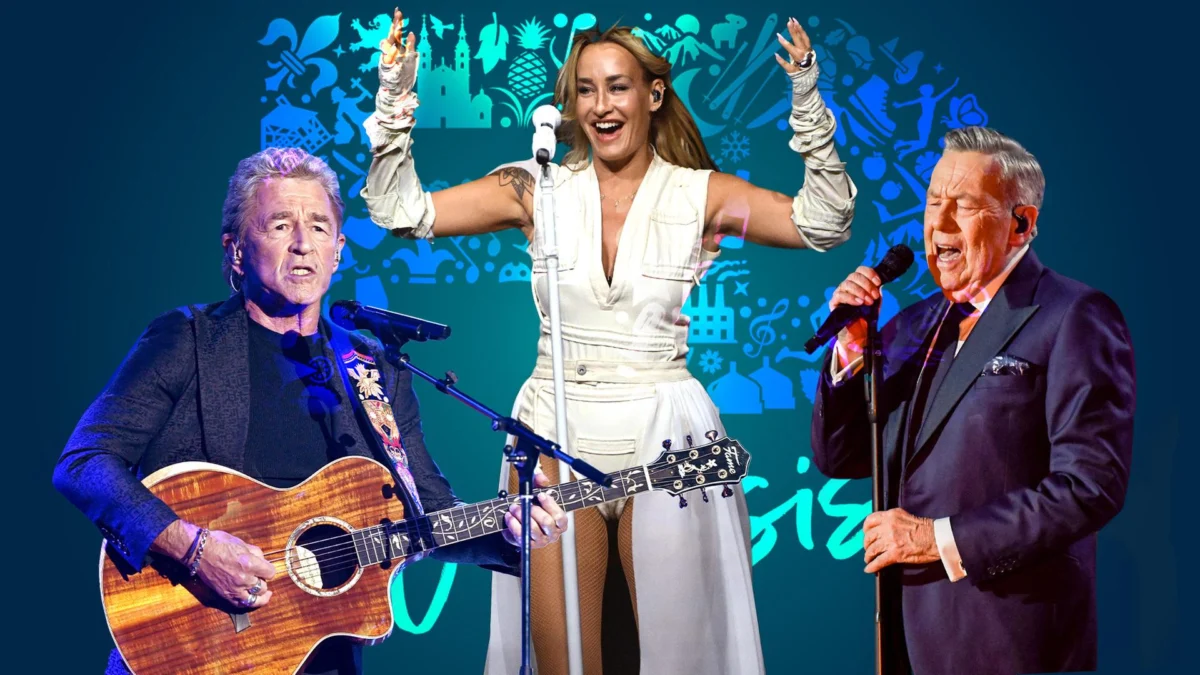
With exactly 30 days remaining until the grand opening, the city of Fulda is transforming into the epicenter of Hessian culture, commerce, and community. From June 12 to June 21, 2026, the historic city will host the Hessentag, Germany’s oldest and largest state festival. Organizers have unveiled an ambitious program that promises to bridge the gap between traditional regional pride and modern entertainment, aiming to attract some 700,000 visitors to the heart of East Hesse.
The Core Concept: "Fulda Instead of Filter Bubbles"
At a press conference held this Wednesday, local officials and state representatives emphasized that the festival is more than just a party—it is a vital instrument for social cohesion. Benedikt Kuhn, Head of the Hessian State Chancellery, underscored the significance of the event in today’s fragmented society.
"In an era where our social cohesion is under pressure and spaces for open, face-to-face encounters are becoming scarce, the Hessentag provides an invaluable service," Kuhn stated. Under the slogan "Fulda instead of filter bubbles," the state government and the city are positioning the festival as a physical meeting ground, encouraging dialogue and communal experiences that transcend digital echo chambers.
Fulda’s Lord Mayor, Heiko Wingenfeld (CDU), echoed this sentiment, expressing his ambition to create an "unforgettable" experience for all residents of Hesse. With the entire festival grounds concentrated within the city center, the city’s design philosophy is clear: everything must be accessible on foot, fostering an intimate, walkable atmosphere that encourages exploration.
A Massive Undertaking: Financials and Logistics
Hosting a state festival of this magnitude is a logistical and financial feat. The city of Fulda has received 23 million euros in funding from the State of Hesse, which has been utilized not only for the event itself but for long-term infrastructure improvements throughout the city.
Beyond the state subsidy, the city projects total expenditures of 12 million euros, against which they aim to generate 4 million euros in revenue. This leaves a municipal contribution of approximately 8 million euros. While substantial, officials argue that the investment pays dividends through regional tourism, enhanced city infrastructure, and the stimulation of the local economy.
Spanning 97,000 square meters—the equivalent of 14 football pitches—the festival footprint is designed to be highly efficient. The "Hessentag Street," a three-kilometer artery, will connect the railway station to the scenic Fulda-Aue, guiding visitors through a curated landscape of 23 "experience worlds" featuring police, fire departments, religious organizations, and community groups.
The Cultural Heart: The Domplatz Arena
The crown jewel of the event is the 11,000-capacity concert arena located at the historic Domplatz (Cathedral Square). The city expects 100,000 visitors to flock to this central hub alone.
A Ten-Day Musical Marathon
The program is a diverse tapestry of genres, spanning from high-energy pop to hard rock.
- June 12: The festival kicks off with a "Best-of-Gala" from the local production house Spotlight Musicals. Having already cemented Fulda’s reputation as a musical powerhouse with hits like The Pope and Robin Hood, the company will debut a 40-minute mini-musical titled The Almighty Handkäs.
- June 13–15: The tempo increases with performances by Schlager legends Roland Kaiser, Giovanni Zarrella, and Melissa Naschwenweng, alongside singer-songwriter Clueso.
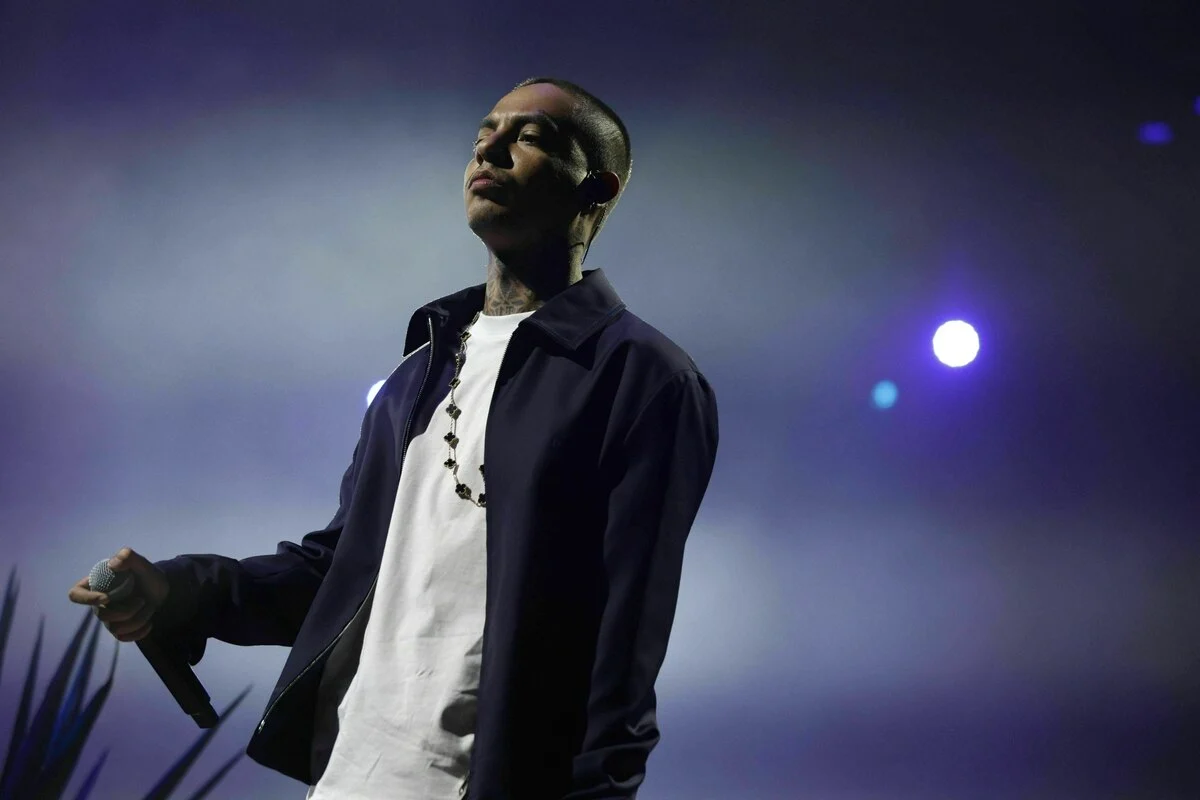
- June 16–19: The genre shifts to rock and pop, featuring the Fulda-based metal band Avantasia, the newly reformed Roxette, chart-topper Sarah Connor, and rapper Montez.
- June 20–21: The festivities conclude with the iconic "Just White Party" and two grand closing performances by rock legend Peter Maffay.
The "hr-Treff": Public Media in the Public Square
The Hessischer Rundfunk (hr) plays a central role in the festival, anchoring the "hr-Treff" located between the Am Rosengarten street and the Wiesenmühle. Expanding on last year’s footprint to cover 1,800 square meters, the area will serve as an interactive laboratory for media consumption.
Engagement and Transparency
Visitors will have the opportunity to step inside a "glass studio," offering a rare glimpse into the mechanics of radio and television production. From newsroom meetings to green-screen technology demonstrations, the station aims to demystify the media process. For younger attendees, the station is even offering "speed internships," allowing aspiring journalists and technicians to test their skills in real-time.
Sports and Community
A major highlight of the programming is the inclusion of the 2026 World Cup. The hr-Treff will host public viewings of the German national team’s matches against Curaçao (June 14) and the Ivory Coast (June 20), followed by massive after-show parties.
Tailored Programming: From Toddlers to Tradition
Recognizing the multi-generational appeal of the Hessentag, organizers have curated specific tracks for different demographics:
- For Children and Families: The first weekend focuses on youth engagement, with performances by Volker Rosin, Nilsen, and the "KiKA Tanzalarm" crew. Iconic characters such as Bernd das Brot and the Biene Maja (Maya the Bee) will roam the grounds, providing photo opportunities. The second weekend features appearances by popular television presenters like "Checker Julian" and Anna from Anna and the Wild Animals.
- Action and Sport: For the active crowd, the "Festival of Sports" (June 12) leads into a weekend of high-octane events, including a breakdance competition on June 13 and a professional skateboard contest on June 20.
- The Unconventional: In a move that has captured local imagination, the 45-meter high Ferris wheel—positioned next to the hr-Treff—will not just offer panoramic views. Couples will have the unique opportunity to exchange vows in the presence of an official registrar while suspended in a glass gondola.
Historical Context and Legacy
The Hessentag holds a storied place in German regional history. First initiated in 1961 by then-Minister President Georg August Zinn, the festival was designed to foster a sense of unity across the federal state.
Fulda is no stranger to the event, having hosted it in 1990. A return visit was originally scheduled for 2021, but the global pandemic forced its cancellation. Consequently, the 2026 edition carries an added layer of anticipation; it represents a long-awaited reunion and a celebration of resilience.
The festivities will reach their crescendo on June 21 with the traditional grand parade. Spanning 1.7 kilometers through the city center, the procession will showcase the regional diversity of the state. For those unable to attend, the event will be broadcast live via the hr-fernsehen channel, the hessenschau.de portal, and the ARD Mediathek, ensuring that the spirit of the event reaches every corner of the state.
Looking Ahead
As the final month of preparation begins, the city of Fulda is in a state of controlled frenzy. Construction crews are finalizing stage setups, and the city’s hospitality sector is preparing for an influx of hundreds of thousands of guests.
For the organizers, the success of the Hessentag 2026 will not merely be measured in ticket sales or visitor numbers, but in the intangible feeling of community that arises when a city opens its doors to the world. In a time of digital isolation, Fulda is betting that the power of physical gathering, shared music, and public discourse will prove more relevant than ever. Whether it is through the lens of a camera in a glass studio or the view from the top of a Ferris wheel, the message from the organizers is clear: come to Fulda, and experience the heart of Hesse.






Leave a Reply