BAUTZEN, GERMANY – In what local authorities are describing as a landmark event in the history of German industrial firefighting, a massive, ongoing blaze at a large-scale lithium-ion battery storage facility in Bautzen has forced authorities to re-evaluate emergency protocols for renewable energy infrastructure. The fire, which broke out on Tuesday, has necessitated the evacuation of local residents, the closure of essential community facilities, and a complete shift in tactical firefighting strategies.
The Core Situation: A New Frontier for Firefighters
As of late Wednesday, July 22, 2026, the situation in Bautzen remains critical. A specialized energy storage park, designed to stabilize the regional power grid by absorbing and discharging massive amounts of electricity, has become the site of a complex, multi-day firefighting operation. According to local fire department spokespersons, this incident represents the first time a battery storage unit of this magnitude has caught fire in Germany.
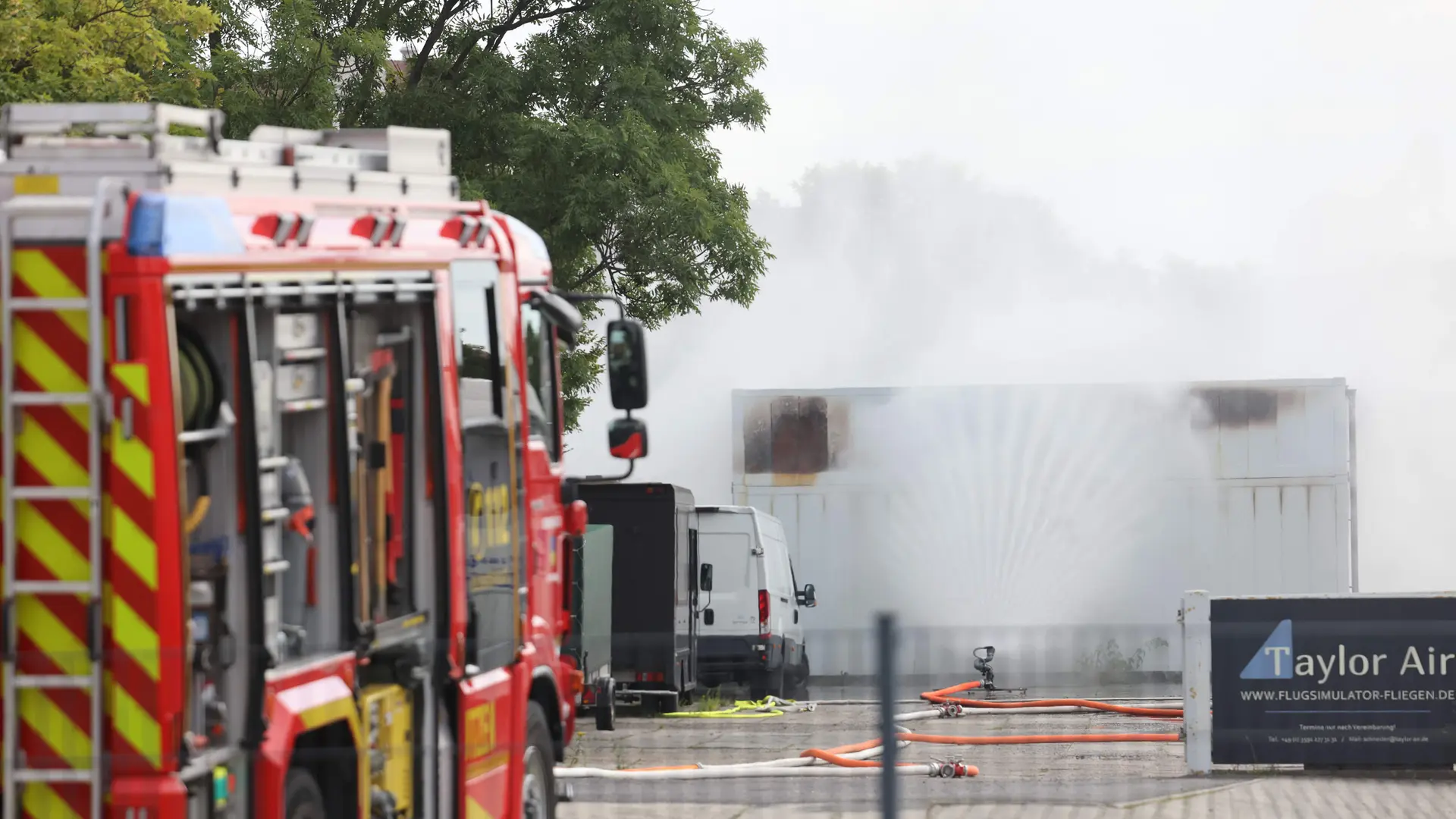
The complexity of the blaze lies in the nature of the "thermal runaway" process inherent in large-scale lithium-ion battery systems. Because the energy is stored chemically and in such high density, the fire cannot be extinguished by conventional means. Instead, it requires sustained, massive cooling efforts and a highly delicate approach to prevent the fire from spreading or causing a secondary, more violent, chemical reaction.
Chronology of the Crisis
The emergency began on Tuesday afternoon when smoke was detected rising from one of the four containers that make up the storage site. The fire department responded immediately, establishing a perimeter to protect the surrounding urban area.

- Tuesday: The initial response focused on cooling the exterior of the affected container to prevent the heat from spreading to the adjacent three units. Firefighters deployed up to 5,000 liters of water per minute, utilizing a massive volume of water to keep the temperature below the threshold of ignition for the neighboring batteries.
- Wednesday Morning: Recognizing that the fire remained active and the chemical processes were intensifying, the city government, in consultation with a national network of fire safety experts, made a difficult decision. The original strategy of "passive cooling" was deemed insufficient to end the crisis.
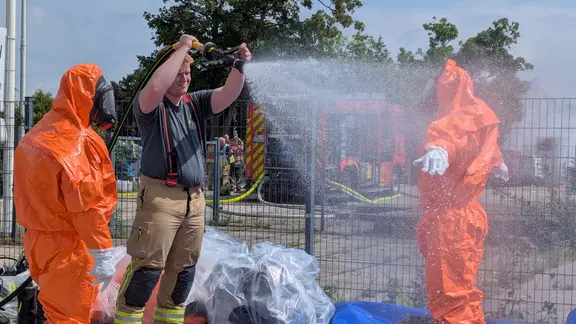
- Wednesday Evening: The firefighting strategy shifted from external cooling to active, direct intervention. Firefighters, supported by specialized equipment brought in from Dresden, breached the containers to attack the source of the fire directly. This operation required an massive increase in water supply, forcing the city to tap into the Spree River to supplement the local drinking water network.
Supporting Data and Tactical Challenges
The technical nature of the Bautzen fire has turned the site into a laboratory for modern industrial safety. The facility consists of four massive containers, each housing an array of batteries. These systems are critical for the energy transition, as they smooth out the fluctuations in supply and demand that are characteristic of wind and solar power.
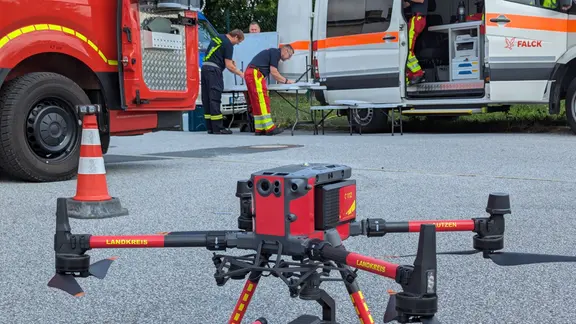
The primary obstacle for the Bautzen fire department is the risk of "oxygen ingress." If the container is opened incorrectly or if the fire is not controlled perfectly, the introduction of fresh oxygen into the superheated environment could lead to a massive, uncontrollable explosion. Consequently, the fire department has acted with extreme caution, relying on drone surveillance to monitor heat patterns inside the containers and employing specialized firefighting robots to minimize human exposure to potential toxic fumes.
Official Responses and Community Impact
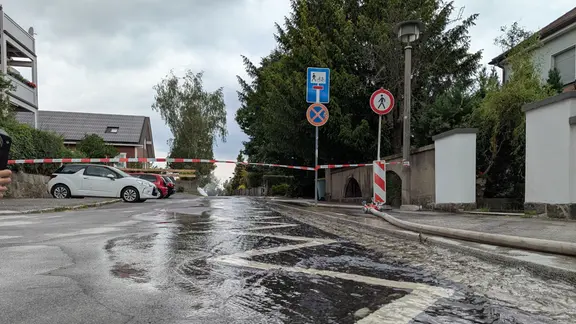
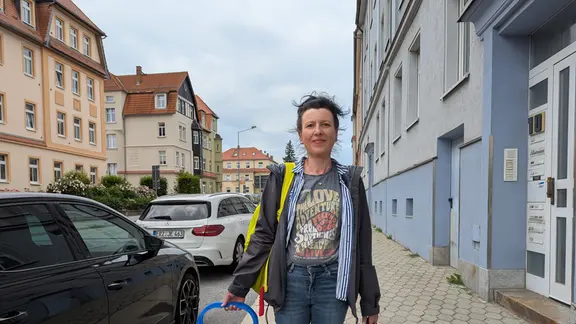
The human cost of the incident has been significant, though fortunately, no injuries have been reported. A total of 42 residents were evacuated from their homes as a precautionary measure due to the potential for toxic gas emissions. While most of the displaced residents managed to find temporary housing with family or friends, the city established emergency shelters in local hotels and schools.
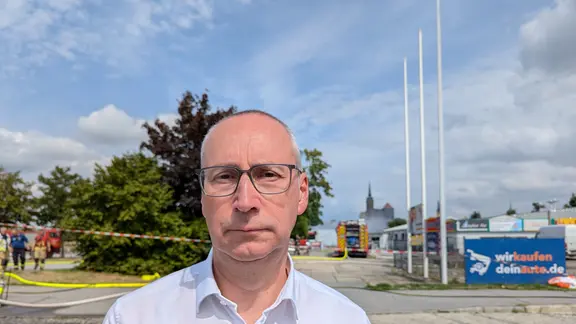
Bautzen’s Mayor, Karsten Vogt (CDU), has been a visible presence at the scene, coordinating between emergency services and the public. In a statement to the press, Vogt pleaded with the public to respect the security perimeters. "The situation is complex, and the safety of our citizens is the absolute priority," Vogt said. "We ask that residents do not attempt to bypass the cordons. Every person who enters the restricted area adds an unnecessary layer of risk and hinders the vital work of the emergency responders."
The disruption extends to the education system as well. Two local daycare centers (Kitas) and after-school care facilities remain closed, with no indication yet of when they will be cleared for reopening. The German-Sorbian Theater also made the difficult decision to cancel a highly anticipated performance, citing the need for public safety and the closure of the surrounding area.
Implications: The Future of Energy Infrastructure
This incident in Bautzen serves as a sobering reminder of the technological challenges inherent in the "Energiewende" (energy transition). As Germany moves toward a grid powered primarily by renewable sources, the reliance on large-scale battery storage will grow exponentially.
1. A Gap in Emergency Preparedness
The Bautzen fire has highlighted a significant gap in current safety regulations and firefighting training. Because this is the first incident of its kind at this scale in Germany, there is no established "playbook" for local fire departments to follow. The Bautzen authorities have had to solicit advice from a nationwide network of experts in real-time, effectively drafting a new standard for industrial firefighting as the crisis unfolded.
2. Environmental Considerations
The environmental impact is also under intense scrutiny. The water used to cool the batteries becomes contaminated with chemical byproducts during the fire. City officials are working closely with environmental agencies to ensure that this "loaden fire-extinguishing water" is properly contained and treated before it enters the local sewage system or the Spree River.
3. The Reliability of the Grid
Despite the scale of the fire, the city of Bautzen has confirmed that there have been no power outages resulting from the blaze. The storage facility, while critical for grid stability, is part of a larger, redundant network. The units have been successfully isolated from the grid, ensuring that the fire remained a localized industrial accident rather than a regional energy catastrophe.
4. The Need for Better Design
Industry experts are already pointing to this event as a catalyst for design changes. Future battery storage sites will likely require more stringent fire suppression systems, better compartmentalization to prevent chain reactions, and improved real-time monitoring systems that can detect the early signs of thermal runaway before a fire starts.
A Long Road Ahead
As the sun sets on Bautzen, the work continues. With 76 firefighters still on the scene, the operation is far from over. The fire department is conducting ongoing air and water quality tests, which so far have shown no dangerous levels of pollutants in the immediate residential areas. However, the presence of an unpleasant odor remains, keeping the community on edge.
The cause of the initial fire remains a complete mystery. Investigators have stated that they cannot begin their forensic analysis until the site is entirely secure and the containers have been cooled to a point where they can be safely entered. This could take days, or potentially longer, as the chemical processes inside the battery cells are inherently volatile.
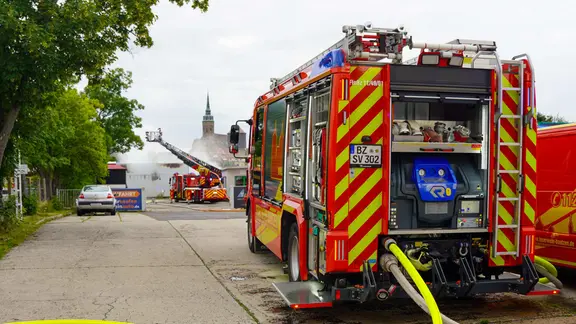
For the residents of Bautzen, this week has been a lesson in the unexpected risks of a high-tech future. For the authorities, it is a test of resilience, coordination, and the ability to adapt to a new type of industrial hazard. As the situation evolves, the lessons learned in Bautzen will undoubtedly shape the future of fire safety standards for battery installations across Germany and beyond. The question remains: how prepared is the rest of the country for the next "first of its kind" disaster? For now, the city waits, watches, and continues to pour water into the heart of the crisis, hoping to eventually bring the situation to a safe conclusion.