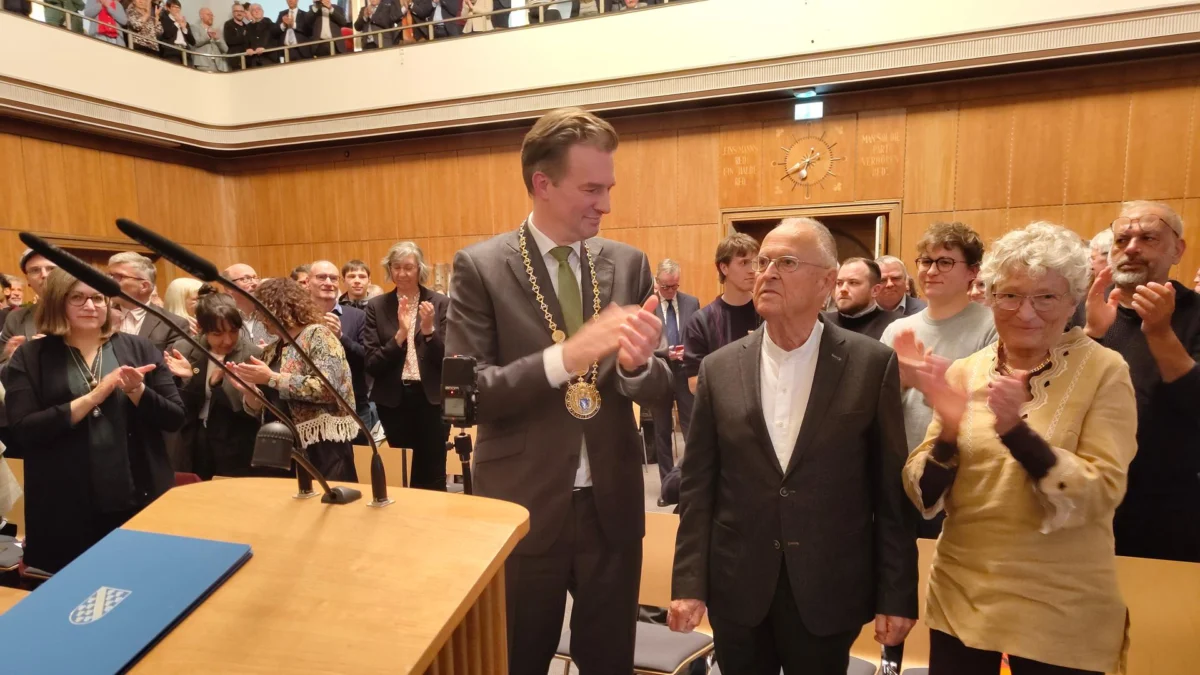
Following the highly successful run of "Body Worlds: The Cycle of Life," the city of Chemnitz is set to unveil its latest major exhibition tomorrow: "Body Worlds of Animals." This new installation promises to provide an unprecedented, scientifically rigorous, and visually striking look into the internal biology of the animal kingdom. Ahead of the public opening, curators and organizers offered an exclusive preview, detailing the meticulous preparation and educational goals behind this unique display.
The Evolution of Anatomical Education: From Humans to Animals
For years, the "Body Worlds" series, founded by Dr. Gunther von Hagens, has captivated audiences globally by using the plastination process to preserve biological specimens. By replacing water and fat with specialized plastics, the exhibition allows visitors to view complex biological structures in a permanent, dry, and odorless state. While previous iterations focused exclusively on the human body—triggering profound reflections on human mortality, health, and lifestyle—the transition to "Body Worlds of Animals" shifts the focus toward the marvels of evolutionary biology and comparative anatomy.
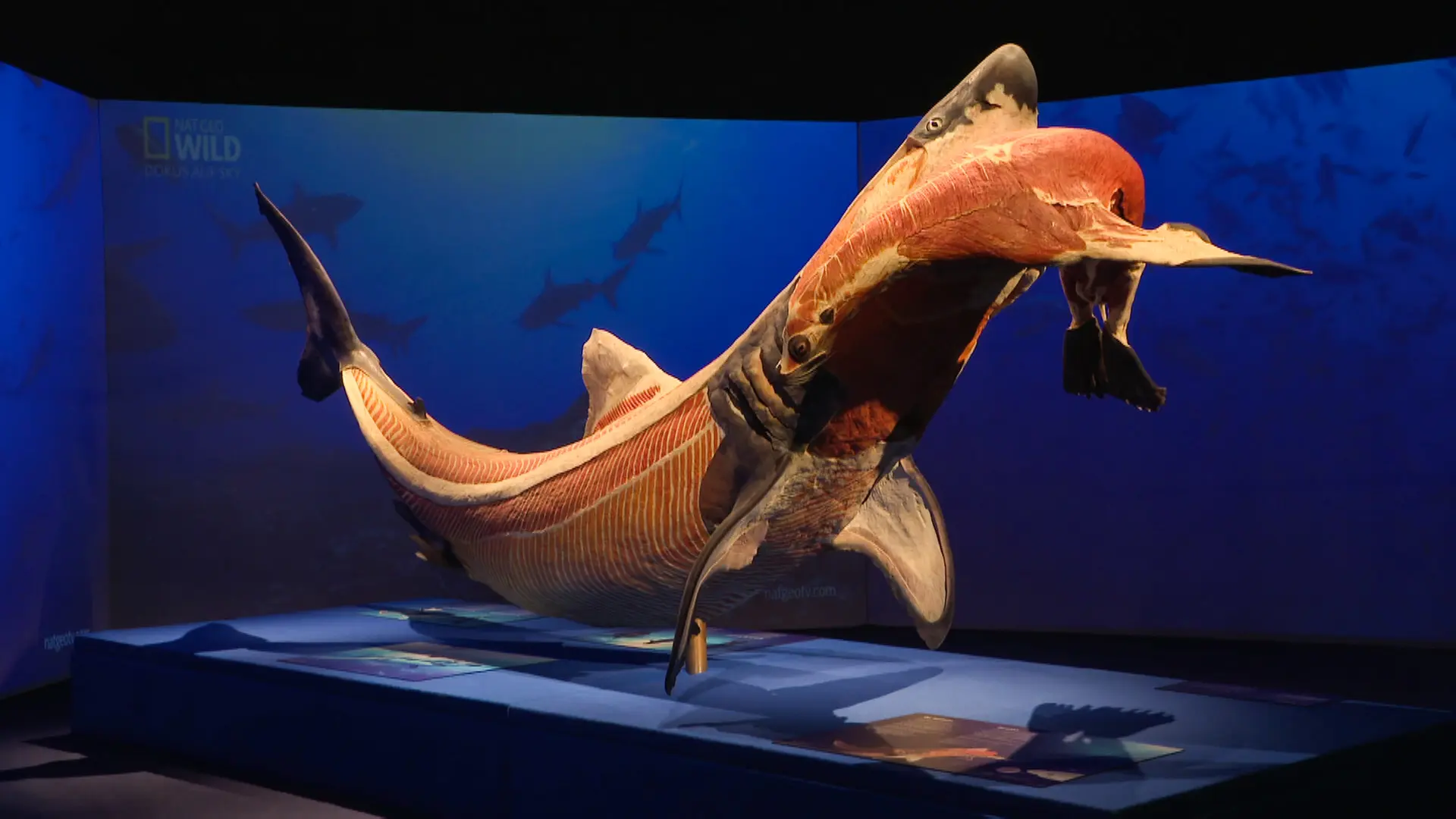
The new exhibition in Chemnitz aims to demystify the inner workings of creatures great and small, ranging from the intricate cardiovascular systems of giraffes to the powerful muscular structures of great white sharks. By presenting these specimens in life-like poses, the exhibition seeks to foster a deeper respect for the natural world and the biological commonalities that connect all living beings.
A Chronology of the Plastination Process
To understand the significance of this exhibition, one must look at the timeline of the development of these specimens. The creation of such an exhibit is not a project of months, but often of years.

- The Early Stages: The inception of "Body Worlds of Animals" began with extensive research into veterinary anatomy. Unlike human specimens, where the goal is often to illustrate pathology or the effects of lifestyle, animal specimens are curated to showcase extreme physiological adaptations to different environments.
- The Preservation Phase: Once an animal has been ethically sourced—typically through donations from zoos or natural history institutions following natural deaths—the process of plastination begins. This involves fixating the body, dehydrating it using a solvent (like acetone), and then forcing a polymer into the cells under a vacuum.
- The Anatomical Dissection: This is the most labor-intensive stage. Trained anatomists spend thousands of hours dissecting layers of tissue to reveal specific organs, muscle groups, and neural pathways. For a large specimen, such as a horse or a giraffe, this can take upwards of a year to complete.
- The Curation in Chemnitz: The final phase involves the logistical feat of transporting these delicate, yet heavy, specimens to the exhibition space in Chemnitz. The installation team must account for structural integrity and environmental controls to ensure the longevity of the displays.
Supporting Data: Why Anatomy Matters for Public Understanding
The value of the "Body Worlds" franchise lies in its ability to translate complex medical data into visual literacy for the general public. Statistics from previous exhibitions suggest that over 70% of visitors report a better understanding of their own biological functions after seeing the plastinated specimens.
In the case of the animal exhibition, the organizers have integrated detailed infographics and interactive elements. For instance, comparing the heart of a marathon-running mammal to that of a sedentary one provides a visceral understanding of how anatomy dictates life expectancy and physical capacity.

Key data points highlighted in the exhibition include:
- Comparative Heart Ratios: A demonstration of how different species have evolved heart sizes relative to their body mass to support their specific metabolic needs.
- Structural Integrity: The use of cross-sections to reveal the density of bone structures in flightless versus flying birds.
- Pathological Insights: When applicable, the exhibit highlights the effects of human environmental impact on animals, such as the presence of pollutants in marine life, serving as a silent but powerful commentary on ecological preservation.
Official Perspectives: The Curation Team and Ethical Considerations
The exhibition has not been without its critics, as is common with any display involving biological specimens. However, the official response from the curatorial board emphasizes the ethical rigor involved.
"Our goal is to inspire awe and curiosity," says a spokesperson for the exhibition. "When a visitor sees the complexity of an elephant’s trunk—which contains thousands of individual muscles—they walk away with a fundamentally different perspective on the animal than they would get from a textbook. We work closely with veterinary experts to ensure that every specimen is treated with dignity and that the information presented is scientifically accurate."
Regarding the provenance of the animals, the organizers state that all specimens are sourced from veterinary universities and zoos. No animal was killed for the purpose of the exhibition. The process serves as an educational afterlife, allowing the animals to continue contributing to scientific knowledge long after they have passed.

Implications for Public Science Literacy
The presence of "Body Worlds of Animals" in Chemnitz has significant implications for local and regional education. By hosting an exhibit of this caliber, the city positions itself as a hub for scientific discourse.
Impact on Local Education
Local schools and universities are expected to utilize the exhibition as a living laboratory. Anatomy students, veterinary trainees, and biology enthusiasts will have the rare opportunity to see structures that are otherwise obscured in traditional, two-dimensional media.

The "Awe Factor" and Conservation
There is a growing body of psychological research suggesting that "awe"—the feeling of being in the presence of something vast or complex—leads to more pro-environmental behaviors. By showcasing the intricate beauty of the animal body, the exhibition organizers hope to foster a stronger commitment to wildlife conservation among visitors. If a visitor understands the intricate, fragile engineering of an animal, they are statistically more likely to support policies that protect natural habitats.
Cultural Tourism
Beyond the educational benefits, the exhibition is a boon for the local economy. Drawing tourists from across the region to Chemnitz provides a ripple effect, supporting local hospitality and retail sectors. As the city continues to develop its cultural profile, hosting high-profile, high-quality exhibitions like "Body Worlds" is a vital component of urban renewal and engagement.
Navigating the Exhibition: What Visitors Can Expect
As visitors prepare to walk through the doors tomorrow, they should approach the experience with an open mind. The gallery space is designed to be immersive, with dimmed lighting to highlight the specimens themselves, which are presented as artistic pieces as much as scientific ones.
Key highlights to look for include:

- The "Flying" Horse: A signature piece of the collection that displays the entire muscular structure of a horse in mid-gallop, allowing visitors to see the precise tension and contraction of muscles required for speed.
- The Deep Sea Corridor: A section dedicated to marine biology, featuring sharks and rays, which are notoriously difficult to study due to their cartilaginous skeletons.
- Interactive Kiosks: Digital touchpoints where visitors can rotate 3D models of the specimens to see them from angles that are not possible to view in person.
Conclusion: A Window into the Natural World
The "Body Worlds of Animals" exhibition is more than just a display of preserved tissues; it is a profound testament to the complexity of life. By shifting the lens from the human experience to the broader biological tapestry, the exhibit in Chemnitz offers a necessary reminder of our shared existence on this planet.
Whether one is a professional scientist, a student, or simply a curious member of the public, the exhibition invites a moment of pause. It forces us to acknowledge the sheer mechanical brilliance of nature—the way bones, muscles, and nerves coordinate to enable flight, hunting, swimming, and survival. As the doors open tomorrow, the people of Chemnitz are invited to step inside and witness the inner architecture of life itself, gaining a renewed appreciation for the biological wonders that inhabit our world.

The exhibition is expected to remain in the city for the coming months, providing ample opportunity for residents and visitors alike to engage with this masterclass in anatomical science. As the scientific community continues to push the boundaries of what we know about animal physiology, exhibitions like this remain the most powerful tool for turning abstract data into tangible, life-changing knowledge.