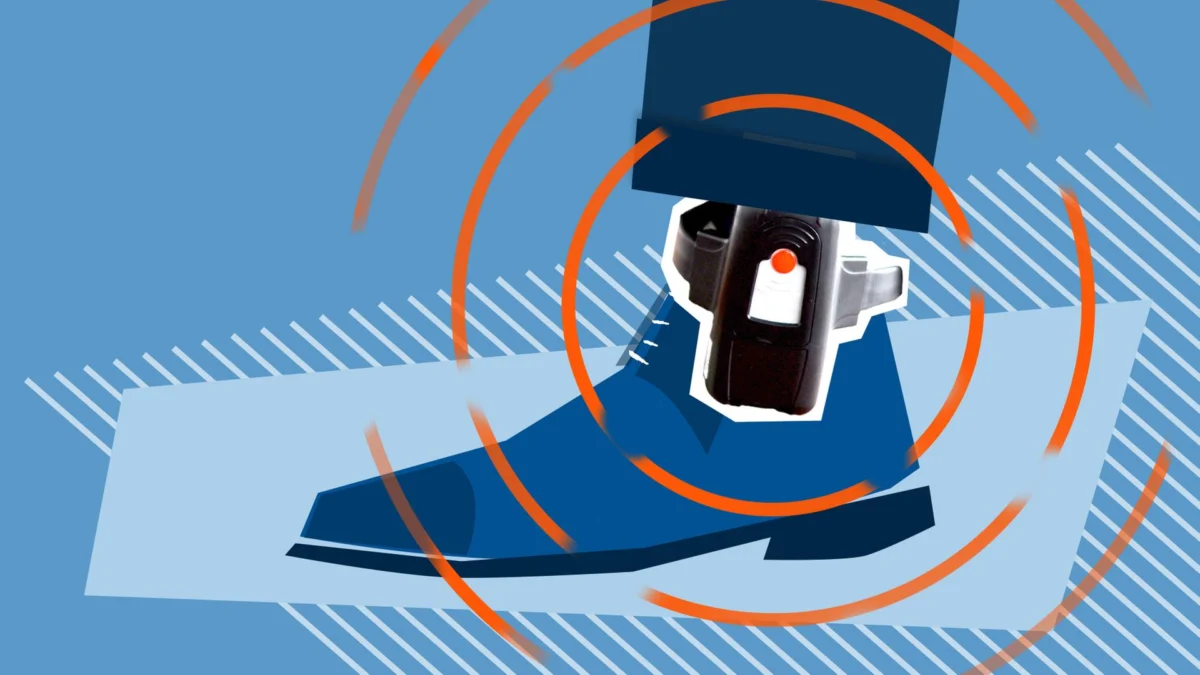
In a landmark shift for victim protection, Germany is significantly scaling up its electronic monitoring capabilities. Based in Weiterstadt, Hesse, the national hub for ankle-monitor surveillance is preparing for a surge in demand as new legislation makes the use of electronic tags a cornerstone of the fight against domestic abuse.
The German judicial system is undergoing a profound transformation. With the implementation of a reformed Protection Against Violence Act, the country is moving toward a more proactive stance, utilizing cutting-edge technology to prevent domestic violence before it escalates into tragedy. At the heart of this effort is the Joint Electronic Monitoring Center of the Federal States (GÜL), located in the Hessian town of Weiterstadt. As the facility prepares to add 72 new personnel to its existing team of 30, it signals a nationwide commitment to ending the cycle of domestic abuse through rigorous, real-time surveillance.
The Core Mandate: Why Weiterstadt Matters
The GÜL in Weiterstadt serves as the technological nerve center for Germany’s domestic security apparatus regarding electronic monitoring. Currently, all federal states rely on this central facility to manage the surveillance of individuals under court-ordered ankle monitor mandates.
The expansion is not merely a bureaucratic adjustment; it is a direct response to a legislative mandate. The reform of the Protection Against Violence Act, passed by the Bundestag and approved by the Bundesrat in June, lowers the threshold for judges to impose electronic monitoring on individuals who pose a threat to their current or former partners. As the number of offenders ordered to wear these devices is expected to climb sharply when the law takes full effect next year, the GÜL must expand its capacity to ensure that 24/7 monitoring remains robust and responsive.
Chronology of a Policy Shift
The road to this expansion has been marked by a blend of technological pilot programs and tragic catalysts.
- Early 2025: Hesse launched an ambitious pilot project based on the "Spanish model" of electronic monitoring. Unlike traditional systems that only track the perpetrator, this model involves a voluntary, dual-tracking system where both the offender and the victim are linked via GPS-enabled devices.
- Mid-2024: Following a series of high-profile domestic violence incidents—including a brutal machete attack in Kelkheim—public and political pressure intensified. The incident served as a grim reminder of the limitations of existing restraining orders that rely solely on police response times.
- June 2024: The German Bundesrat finalized the approval of the revised Protection Against Violence Act. This legislative milestone codified the use of electronic tags as a standard tool for enforcing contact bans.
- Present Day: Federal Justice Minister Stefanie Hubig and Hessian Justice Minister Christian Heinz formally announced the staffing expansion at the Weiterstadt facility, signaling the transition from a pilot phase to a permanent, nationwide security infrastructure.
Understanding the "Spanish Model"
The efficacy of the new system lies in its dual-layered approach. In the traditional, one-sided monitoring model, an offender is tracked to ensure they stay away from specific geographical zones. However, if the offender breaches these zones, the response is often reactive.
The Spanish model, which Hessen pioneered, adds a protective layer for the victim. If a victim chooses to participate, they carry a receiver that communicates with the perpetrator’s ankle monitor. The system operates on a multi-stage alarm protocol:
- Proximity Alert: When the perpetrator enters a pre-defined "exclusion zone" around the victim, the system triggers a warning.
- Escalation: If the perpetrator continues to close the distance, the system alerts the GÜL monitoring center in Weiterstadt, which can then immediately contact law enforcement.
- Panic Function: The victim’s receiver is equipped with a dedicated "panic button," allowing the victim to trigger an immediate emergency signal if they feel an imminent threat.
Since the introduction of this model in Hesse, officials report that there have been no recorded cases of physical violence involving individuals monitored under this dual system. This success rate is a primary driver behind the federal government’s decision to roll out the infrastructure nationwide.
Official Responses and Political Will
During the announcement in Weiterstadt, federal and state officials emphasized that this is a matter of moral urgency. Federal Justice Minister Stefanie Hubig (SPD) was unequivocal in her messaging: "Looking away is not a solution. We must ostracize domestic violence."
Her sentiments were echoed by Hessian Justice Minister Christian Heinz (CDU), who highlighted the logistical challenges and the necessity of the expansion. "We are preparing for a significantly higher volume of monitored persons," Heinz stated. "The safety of the victims is the priority. Every incident we can prevent through better technology and more vigilant monitoring is a success for the rule of law."
The political consensus behind the reform suggests that domestic violence is no longer being treated as a "private matter" but as a systemic issue requiring state intervention. By providing judges with a clear, tech-driven instrument to enforce restraining orders, the state is attempting to close the "enforcement gap" that has long plagued victims of domestic abuse.
Implications for Victims and Society
The move toward expanded electronic surveillance carries significant implications for the future of victim support in Germany.
1. Shift from Reactive to Proactive Policing
Historically, protection orders were "paper tigers"—they relied on the offender’s compliance or the victim’s ability to call for help. With real-time GPS tracking, the state moves toward a proactive model where authorities are alerted before a physical encounter occurs.
2. Empowering the Victim
The voluntary nature of the victim-side tracker is a critical feature. It empowers those at risk by providing them with a direct link to emergency services. This reduces the psychological burden on victims who live in constant fear, potentially allowing them to lead more normal lives while knowing they are under the "virtual protection" of the state.
3. A Deterrent Effect
The presence of an ankle monitor serves as a constant, physical reminder to the offender of their legal obligations. It transforms the abstract legal concept of a "contact ban" into a tangible, high-stakes boundary.
Where to Find Help
While the expansion of the GÜL and the use of electronic tags represent a major advancement, authorities stress that technology is only one part of a broader support network. Domestic violence remains a complex issue that requires social and psychological intervention alongside security measures.
- For Immediate Danger: The police emergency number 110 remains the primary point of contact for anyone facing an immediate threat to life or limb.
- Victim Support: Women affected by domestic violence can reach out to the national "Hilfetelefon" (Help Line) at 116 016. This service is available 24/7, is anonymous, and provides multilingual support.
- Legal and Emotional Aid: Organizations like the Weißer Ring provide long-term support for victims of crime, helping them navigate the aftermath of trauma and the complexities of the legal system.
- For Perpetrators: Preventing recidivism is equally important. Men who recognize they have an aggression or violence problem are encouraged to seek professional help early. The "Wegweiser" (Signpost) brochure, published by the Hessian State Coordination Office against Domestic Violence, provides a comprehensive list of counseling centers designed to help individuals manage anger and resolve conflicts without resorting to violence.
Conclusion
The expansion of the Weiterstadt monitoring facility represents a significant investment in human safety. By embracing the dual-tracking "Spanish model" and increasing the human capacity to monitor these high-risk cases, Germany is setting a new standard for victim protection. While technology cannot solve the underlying causes of violence, it provides a vital shield that keeps perpetrators at bay and offers victims a renewed sense of security. As the project expands, the focus will remain on whether this technological bridge can effectively transition into a sustainable, nationwide culture of safety and accountability.