

In a move that threatens to cast a long shadow over the culmination of the 2026 World Cup, FIFA’s Disciplinary Committee has officially launched a comprehensive investigation into the unruly scenes that marred the final between Spain and Argentina. The governing body has confirmed that it is seeking formal statements from multiple players and staff members following a match that descended into acrimony following Spain’s dramatic 1-0 victory in extra time.
The Incident: A Final Marred by Violence
The 2026 World Cup Final, intended to be a global celebration of football, concluded in a climate of hostility that has left the sport’s governing body with little choice but to intervene. The match, which saw Spain clinch the title in the dying minutes of extra time, devolved into a series of physical confrontations as the final whistle blew.
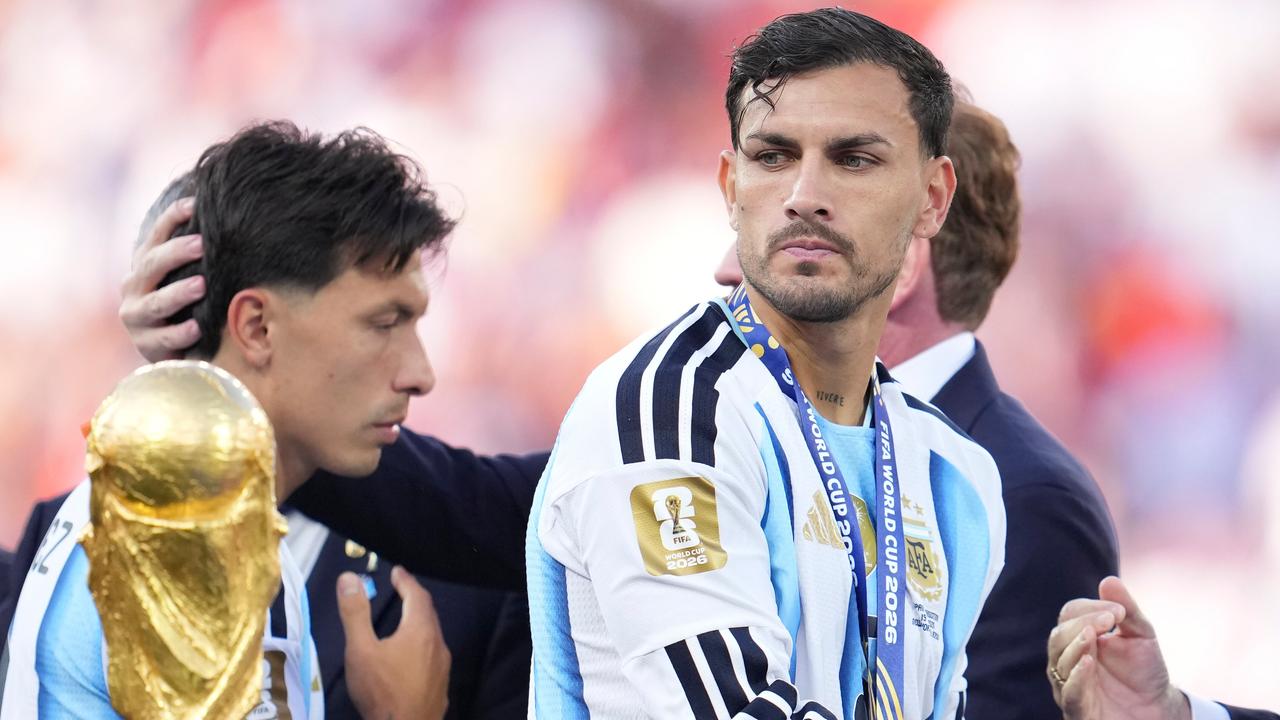
According to preliminary reports and video evidence gathered by FIFA officials, the incidents were not limited to a single skirmish but involved a cascade of unsportsmanlike behavior. The investigation is currently targeting several high-profile Argentine players, including Leandro Paredes, Nahuel Molina, and Thiago Almada, alongside assistant coach Roberto Ayala. On the Spanish side, the young midfield sensation Gavi has been summoned to provide a formal account of his role in the altercations.
Chronology of the Conflict
The tension was palpable throughout the match, but the volatility reached its peak immediately following the conclusion of extra time.
The Escalation
Witnesses report that as Spanish players began their celebrations, Argentine frustration boiled over. The most significant physical altercations involved:
- The Molina-Rodri Incident: Nahuel Molina was observed striking the Spanish captain, Rodri, in the chest with a closed fist. The provocation remains under investigation, but the act of physical violence against a team captain is considered a severe breach of FIFA’s code of conduct.
- The Paredes-Gavi Confrontation: In a separate, high-intensity flare-up, Leandro Paredes was filmed making physical contact with the face of Spanish midfielder Gavi. The incident escalated when Paredes subsequently shoved the Spanish star to the ground. This sequence has become a focal point of the FIFA inquiry, as officials weigh the severity of the contact against the heated atmosphere of the match.
Supporting Data and Broader Allegations
Beyond the individual player altercations, FIFA is looking into systemic issues surrounding the Argentine delegation’s conduct throughout the tournament. The disciplinary proceedings against the Argentine Football Association (AFA) are multi-faceted, covering a range of infractions that occurred both during the final and earlier in the knockout stages.
Patterns of Misconduct
FIFA has explicitly cited the following as grounds for the investigation:
- Discriminatory Behavior: Reports of offensive chants and gestures originating from the Argentine contingent.
- Political Interference: The use of the pitch as a platform for political messaging.
- Operational Failures: Reports of delayed kick-offs attributed to team protocols and the persistent issue of fans throwing objects onto the pitch, which compromised the safety of the match officials and players.
The Falkland Islands Controversy
Perhaps the most sensitive aspect of the investigation involves the political messaging presented by Argentine players earlier in the tournament. Following their 2-1 victory over England in the semi-finals, several players unveiled a banner on the pitch bearing the slogan, "Las Malvinas son Argentinas" (The Falkland Islands belong to Argentina).
The display of this banner—a direct reference to the 1982 conflict between the United Kingdom and Argentina—triggered an immediate international outcry. The British government formally requested that FIFA launch an investigation, citing the organization’s strict prohibition on political, religious, or personal messaging within stadiums. By allowing the banner, critics argue, the Argentine team violated the neutrality that FIFA mandates for its premier international event.
Official Responses and FIFA’s Stance
FIFA has been uncharacteristically opaque regarding the timeline for potential sanctions, stating only that the Disciplinary Committee will reach a decision "in due course." This phrase typically signals a lengthy investigative process involving the review of match reports, video footage, and testimonials from both the officiating crew and the implicated parties.
The AFA’s Position
As of July 29, 2026, the Argentine Football Association has refrained from issuing a comprehensive statement, focusing instead on internal legal reviews. Sources close to the AFA suggest they intend to frame the players’ actions as reactive, potentially arguing that the provocations from the opposition or the intensity of the World Cup environment contributed to the physical outbursts.
Spain’s Perspective
The Spanish Football Federation (RFEF) has maintained that their players acted in self-defense or were victims of unnecessary aggression. Gavi’s upcoming testimony is expected to emphasize that the Spanish team attempted to remain focused on the victory, despite being targeted by the opposition’s frustration.
Implications for the Future
The fallout from this investigation could have profound implications for the 2026 World Cup champions and their rivals.
Potential Sanctions
Depending on the findings of the Disciplinary Committee, the range of consequences is broad:
- Fines: The Argentine Football Association faces heavy financial penalties for the conduct of their fans and players.
- Suspensions: Players found guilty of violent conduct, particularly those involved in the physical altercations with Rodri and Gavi, could face significant bans from international competition.
- Reprimands: Coaching staff members, such as Roberto Ayala, could face touchline bans if their involvement in the pitch-side altercations is confirmed.
A Blow to the "Beautiful Game"
The events of the 2026 Final serve as a grim reminder of the fine line between competitive spirit and hostility. The FIFA Disciplinary Committee is now under immense pressure to set a precedent. If the governing body fails to impose meaningful consequences, it risks signaling that political provocation and physical violence are acceptable by-products of high-stakes football.
As the footballing world reflects on a tournament defined by tactical brilliance and technical skill, the post-match turmoil threatens to become the lasting memory of the 2026 edition. The FIFA investigation is not merely a bureaucratic exercise; it is an attempt to preserve the integrity of the sport against the rising tide of nationalism and aggression that continues to seep into the game.
For now, the players await their summons, and the footballing world waits to see if the sport can reconcile its biggest match with its highest ideals. The final whistle may have blown on July 29, but for the disciplinary chambers in Zurich, the match is far from over.