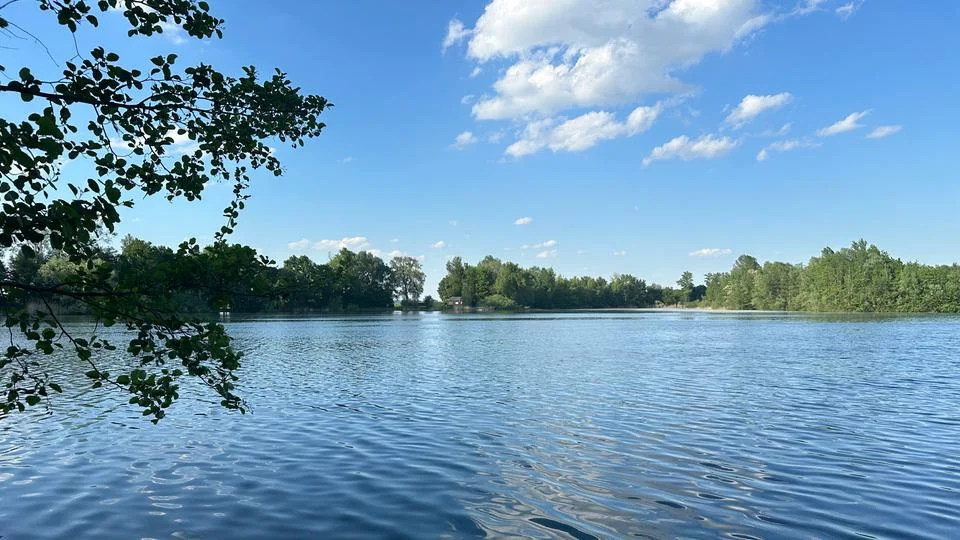
As the summer heat intensifies across Germany, residents and tourists alike are looking toward Hesse’s abundant natural water bodies for relief. Whether you are planning a weekend excursion to the Edersee or a quick evening dip in a local quarry pond, knowing the water temperature is essential for a safe and enjoyable experience.
In this report, we delve into the current status of Hesse’s bathing lakes, explore the factors influencing water quality, and provide a comprehensive guide to navigating the state’s aquatic offerings during the peak of the summer season.
Main Facts: Navigating Hesse’s Bathing Waters
Hesse is home to a diverse array of lakes, reservoirs, and rivers that serve as vital recreational hubs during the warmer months. While the allure of a cool, refreshing swim is undeniable, the state’s hydrologists and public health officials emphasize that recreational water safety extends beyond simply checking the temperature.
Currently, the state provides real-time data for a selection of major bathing sites. These measurements are crucial for swimmers to assess whether the water is suitable for a prolonged stay. Generally, water temperatures in Hesse’s lakes during mid-summer range between 18°C and 24°C. However, these figures can fluctuate rapidly based on ambient air temperatures, recent rainfall, and the depth of the water body.
The most critical fact for any prospective swimmer is that these data points are not exhaustive. While the official interactive map provided by hessenschau offers a snapshot of key locations, it does not cover every private or municipal pond in the state. Swimmers are encouraged to rely on official signage at local beaches, which often includes the most up-to-date hygiene reports and, in some cases, live temperature readings.
Chronology: The Evolution of Seasonal Water Monitoring
The practice of monitoring water temperatures in Hesse has evolved significantly over the past two decades. Historically, information regarding lake temperatures was limited to anecdotal evidence or sporadic reports in local newspapers.
The Digital Shift
In the early 2010s, the integration of digital infrastructure began to transform how the public accessed environmental data. The transition toward real-time, online monitoring was spurred by an increased public demand for transparency regarding water safety.
2020-2024: The Era of Real-Time Data
In recent years, the implementation of sensor-based technology at popular swimming spots has allowed for the automated transmission of temperature data. This shift was accelerated by the need for better communication during record-breaking heat waves. Today, the hessenschau platform serves as a centralized hub, aggregating data from various regional environmental agencies to provide a cohesive view of the state’s bathing conditions.
Supporting Data: Understanding Thermal Dynamics
Water temperature is not merely a comfort factor; it is a primary indicator of the biological and physical health of an ecosystem.
Why Temperature Matters
- Biological Activity: Warmer water promotes the growth of algae and bacteria. If temperatures remain consistently high, the risk of cyanobacteria (blue-green algae) blooms increases, which can pose health risks to humans and pets.
- Thermal Shock: A significant disparity between air temperature and water temperature can cause "cold-water shock," which is a leading cause of distress for swimmers, even in experienced athletes.
- Oxygen Saturation: Cold water holds more dissolved oxygen than warm water. As lake temperatures rise, the oxygen levels available to fish and other aquatic organisms decline, impacting the overall biodiversity of the lake.
Interpreting the Data
When consulting the current temperature maps, users should look for the "Trend" indicator. A rising trend over several days suggests that the water is absorbing significant heat, which may necessitate increased caution regarding water quality. Conversely, after heavy rainfall, temperatures often drop, but water clarity may decrease due to runoff, which is a different type of safety concern.
Official Responses and Public Health Guidelines
The Hessian Ministry for the Environment, Climate Protection, Agriculture, and Consumer Protection works closely with local health authorities to monitor the state’s bathing sites. Their guidelines are centered on the "Bathing Water Directive," which sets strict standards for water quality.
Health Authority Directives
Dr. Elena Richter, a public health official specializing in recreational water safety, notes: "The data provided on our platforms is a guideline, not a guarantee. We urge the public to observe the ‘eyes-on’ test. If the water appears cloudy, has a strange odor, or if there is visible green scum on the surface, do not enter the water, regardless of what the temperature gauge says."
The Role of Local Municipalities
Local authorities are responsible for the maintenance of beach infrastructure. This includes:
- Water Sampling: Regular testing for Escherichia coli and intestinal enterococci to ensure the water is free from sewage contamination.
- Signage: Installing clearly visible flags or signs if a lake is deemed unsafe for swimming due to pollution or dangerous undercurrents.
- Safety Personnel: At larger, state-managed lakes, the deployment of the DLRG (German Life Saving Association) remains the gold standard for water rescue services.
Implications: The Impact of Climate Change on Hessian Lakes
The long-term implications of rising global temperatures are becoming increasingly evident in Hesse’s hydrological landscape. As summer heat waves become more frequent and prolonged, the state’s lakes are under unprecedented thermal stress.
The Threat of "Lake Fever"
Environmental scientists have observed a trend of "lake fever," where the surface layers of lakes reach temperatures previously unseen in Central Europe. This phenomenon forces species of fish that prefer colder water, such as trout, into deeper, darker, and oxygen-depleted sections of the lakes, often leading to localized die-offs.
Changing Recreational Habits
The public is adapting to these changes. There is a noticeable shift in "peak hours" for swimming. Whereas historically, the period between 12:00 PM and 4:00 PM was the most popular, more swimmers are now opting for early morning or late evening dips to avoid both the intense UV radiation and the increasingly warm surface temperatures.
Infrastructure Adjustments
Municipalities are now being forced to rethink their water management strategies. This includes better drainage systems to prevent nutrient-heavy runoff from entering lakes during summer storms—which would otherwise trigger algae blooms—and the potential for artificial aeration systems in smaller, high-traffic ponds.
Conclusion: Enjoying Hesse’s Waters Responsibly
As we look toward the remainder of the summer, the message is clear: Hesse offers some of the most beautiful and accessible bathing waters in Germany. However, the responsibility of a safe experience lies with the individual.
By staying informed through official channels like hessenschau, observing local signage, and exercising common sense regarding water clarity and personal physical limits, you can ensure that your time in the water remains a source of joy rather than danger. Always remember that the temperature data is just one piece of a larger safety puzzle. When in doubt, it is always safer to choose a location with professional lifeguard supervision or to err on the side of caution.
As the season progresses, continue to monitor the provided digital resources for updates. With careful planning, you can navigate the heat and enjoy the refreshing, cool depths of Hesse’s natural treasures throughout the summer.
Note: For the most up-to-date, real-time measurements, always refer to the official interactive map provided on the hessenschau website, which is updated regularly by environmental monitoring stations across the state.