A recent comprehensive survey conducted in Saxony reveals a state deeply divided over the transition to sustainable energy. While general support for renewables remains stable, the "Not In My Backyard" (NIMBY) sentiment persists, presenting a significant hurdle for the government’s ambitious climate goals.
The energy transition—or Energiewende—has long been a cornerstone of German national policy. However, as the state of Saxony attempts to accelerate the deployment of wind farms and solar parks to meet federal mandates, it faces a complex landscape of public opinion. A new study, cited by the Saxon Ministry of Economic Affairs, highlights a paradox: while the majority of citizens agree with the necessity of green energy, enthusiasm wanes significantly when these projects are planned in their immediate vicinity.
The Core Statistics: A Snapshot of Public Sentiment
The survey, which involved 1,500 participants across the Free State of Saxony, offers a nuanced look at public perception. According to the data, 56 percent of the population holds a fundamentally positive view of renewable energy sources. This majority reflects a broad societal consensus that shifting away from fossil fuels is a necessary trajectory.
However, the survey also identifies a significant "gray area" in the political landscape: 28 percent of respondents categorized themselves as undecided. Perhaps most concerning for policymakers is the 14 percent who outright reject the expansion of renewable energy. This indicates that a combined 42 percent of the population is either skeptical or undecided, creating a volatile environment for regional planning and development.

Chronology of the Debate: From Consensus to Conflict
The discourse surrounding energy in Saxony has evolved over the last several years. Historically, the region has been a hub for lignite (brown coal) mining, making the transition to wind and solar a sensitive economic and cultural issue.
- Phase 1 (The Consensus Era): Several years ago, the focus was largely on federal climate targets. During this period, support for green energy was high, often discussed in abstract terms of global environmental protection.
- Phase 2 (The Implementation Gap): As regional authorities began to designate specific sites for wind turbines and solar fields, local opposition groups started to form. Disputes in areas like Jöhstadt and the Oberlausitz region brought the reality of the energy transition to the forefront of local politics.
- Phase 3 (The Current Standoff): The latest survey marks a point of critical reflection. The government now realizes that without winning the "hearts and minds" of the local populace, the physical installation of turbines and panels will continue to face legal and social gridlock.
Supporting Data: Proximity as the Primary Driver
The data suggests that the "Not In My Backyard" phenomenon is the primary factor influencing opposition. When asked about the construction of energy infrastructure in their own neighborhoods, the numbers shift dramatically.
Wind Power vs. Solar Fields
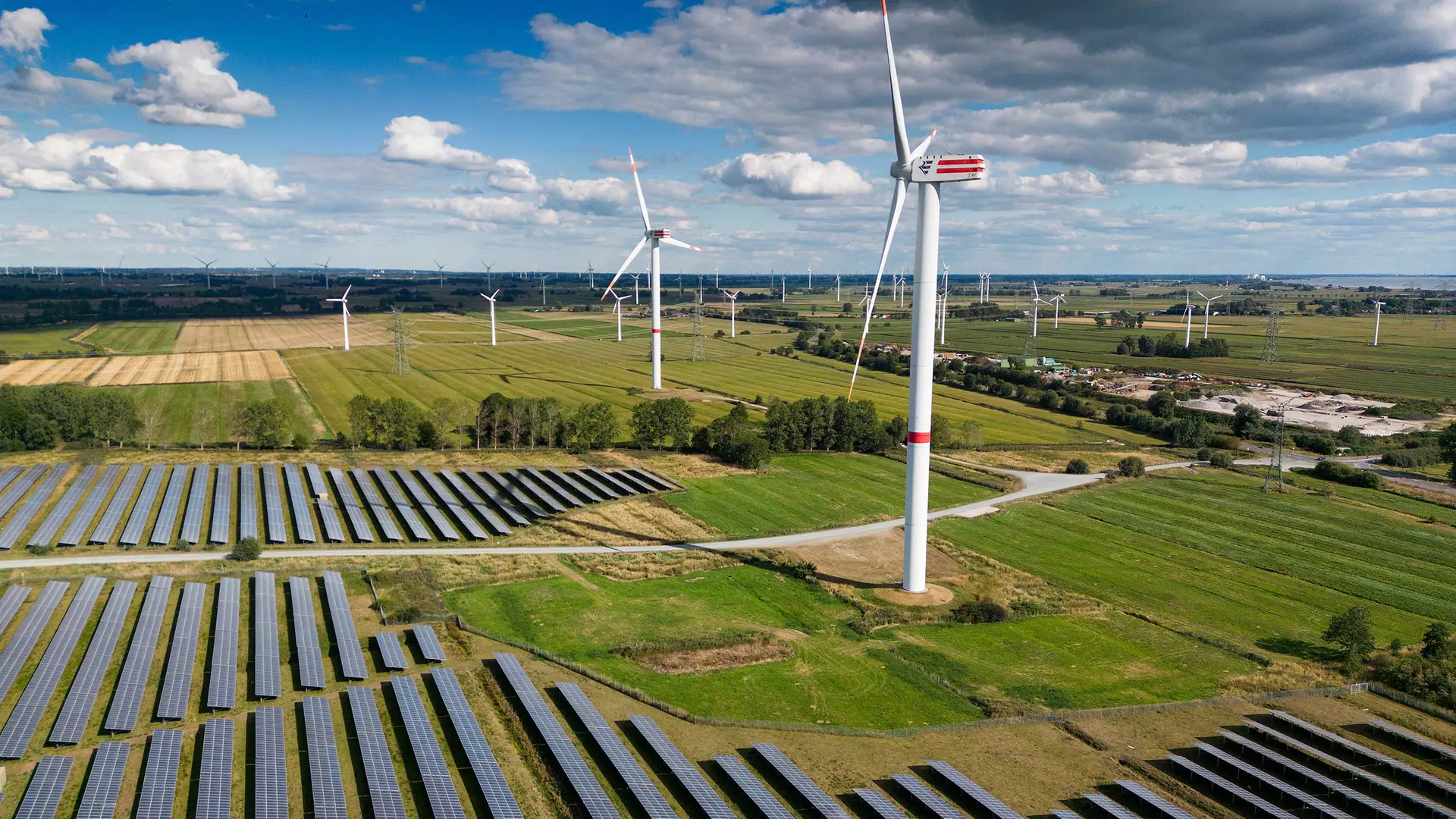
While wind energy is vital for the national grid, it remains the most controversial form of renewable energy in Saxony. Only 33 percent of those surveyed expressed support for new wind turbines in their immediate residential area. Conversely, 42 percent expressed clear opposition.
Solar energy fares slightly better, though it is not immune to criticism. 46 percent of respondents would support the construction of a solar farm on a nearby open field, while 25 percent remain opposed. This indicates that solar installations are generally perceived as less intrusive—both visually and audibly—than the towering presence of wind turbines.
The Comparison with Fossil Fuels
To provide context, the survey also measured attitudes toward traditional energy sources. The results were telling:
- Nuclear Power: Only 24 percent of respondents expressed support for a new nuclear power plant in their vicinity, with 49 percent opposing the idea.
- Coal Power: Support for new coal-fired power plants is at its lowest, with only 16 percent in favor and 53 percent in firm opposition.
While renewable energy faces resistance, the data confirms that the public preference is still firmly tilted away from a return to traditional fossil fuels. The hurdle is not necessarily the source of the energy, but the impact of the infrastructure.
Official Responses: The Government’s Strategy
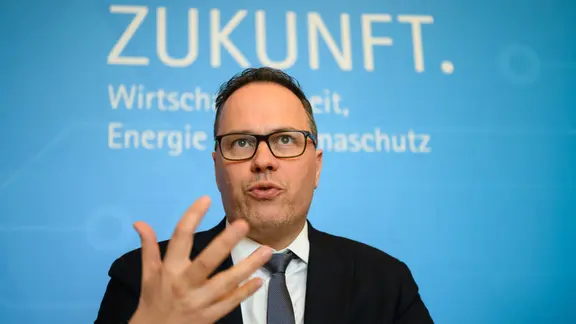
Dirk Panter (SPD), the Saxon Minister of Economic Affairs, has acknowledged the findings with a call for greater transparency and improved communication. During a recent press conference, Panter emphasized the geopolitical urgency of the situation.
"Kriege, crises, and the sharpening of power-bloc conflicts demonstrate that we must achieve greater independence from fossil energy imports," Panter stated. He argued that the energy transition is not merely an environmental project, but a matter of national security and economic sovereignty.
However, the Minister admitted that the government’s previous strategies have been insufficient. "The results clearly show that we must explain the benefits better, involve citizens earlier in the process, and make the tangible advantages of these projects more visible," he said. The government intends to shift from a "top-down" approach to one that emphasizes local community benefits, such as profit-sharing models or local energy subsidies for those living near new installations.
Implications: The Challenge of Land Allocation
The most pressing challenge for the Saxon government is the physical requirement for space. Federal mandates require a specific percentage of land to be designated for wind energy to ensure long-term grid stability.

Currently, only 0.3 percent of Saxony’s total land area is utilized for or designated for wind energy. The federal targets are aggressive:
- By 2027: The state must reach 1.3 percent of its land area for wind energy.
- By 2032: This figure must increase to 2 percent.
Meeting these targets is not just a regulatory hurdle; it is a mathematical one. With the current level of public resistance, finding suitable land that satisfies both geographical requirements (wind speed, grid access) and social acceptance is becoming increasingly difficult.
Looking Ahead: The Path Toward "Acceptable" Energy
The path forward for Saxony is complex. The government’s challenge is to balance the macro-level necessity of a decarbonized economy with the micro-level concerns of local residents. Experts suggest that the focus must move beyond mere consultation to actual partnership.
One potential solution lies in "energy cooperatives," where local citizens are given a financial stake in the wind or solar projects in their area. By turning residents from passive observers into stakeholders, the perception of the infrastructure may change.
Furthermore, the integration of new technologies—such as more silent wind turbine designs or dual-use solar fields (where land can be used for both agriculture and energy production)—could mitigate some of the aesthetic and functional concerns raised by the public.
Conclusion
The survey from the Saxon Ministry of Economic Affairs serves as a reality check for policymakers. It confirms that while the goal of a sustainable energy future is widely accepted in principle, the realization of that future is a deeply personal matter for the people of Saxony.
The energy transition will continue to be a defining challenge for the region. Success will depend on whether the state can bridge the gap between abstract climate targets and the concrete realities of life in local communities. As Minister Panter noted, the transition must be "understandable and transparent." Only by addressing the fears and concerns of the 42 percent who remain skeptical or opposed can Saxony hope to build the infrastructure necessary to secure its energy future in an increasingly uncertain world.
Summary of Key Findings
- Positive Sentiment: 56% support renewables in general.
- The Skeptics: 28% are undecided, 14% are in opposition.
- Local Resistance: Only 33% support local wind projects; 42% are against them.
- Infrastructure Mandates: Saxony must scale from 0.3% to 2% of land usage for wind power by 2032.
- Communication Gap: The government admits it must improve its outreach and early-stage public involvement to prevent further polarization.