By MDR SACHSEN
Updated: July 25, 2026
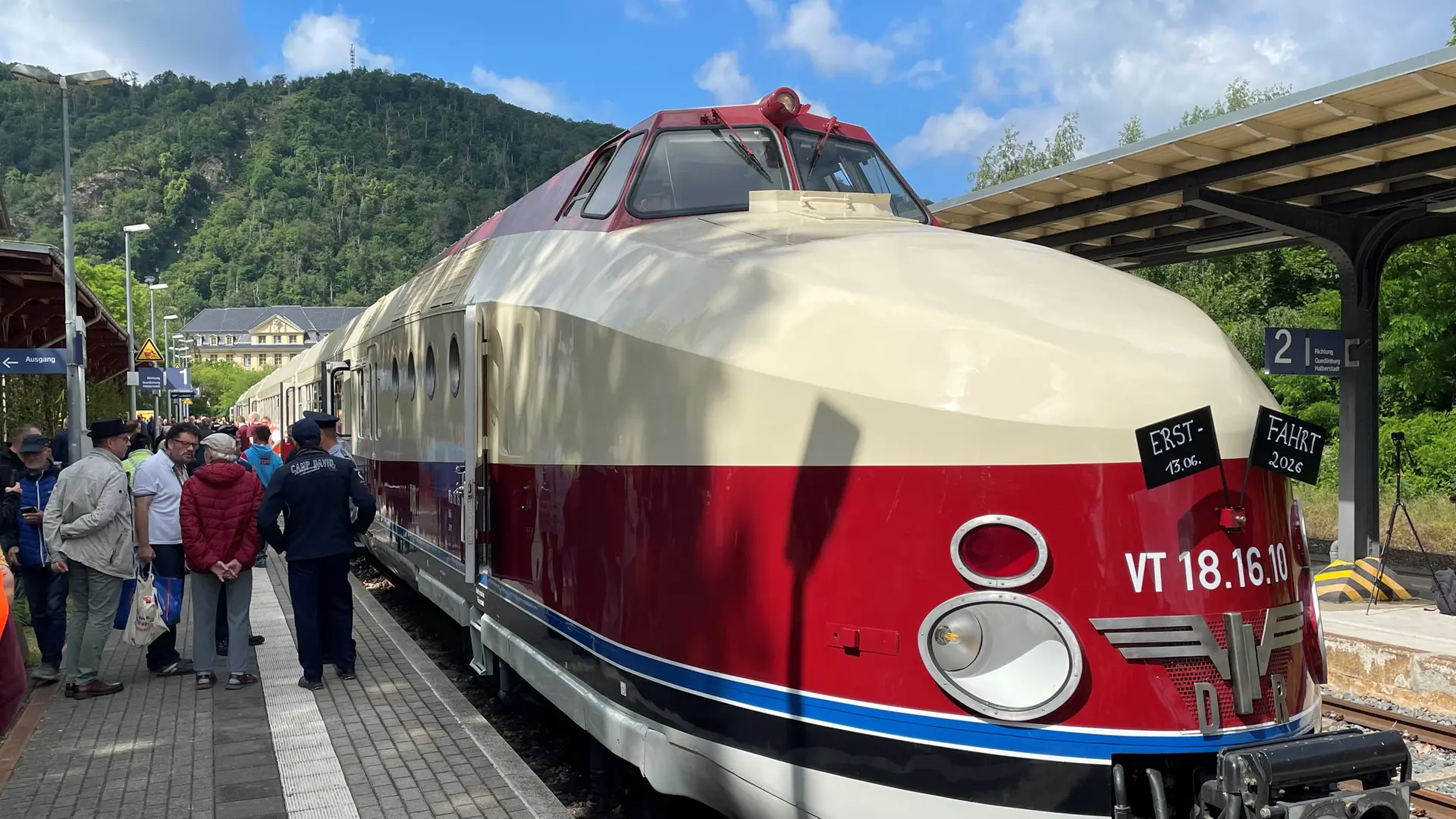
The "Vindobona," an icon of East German rail engineering and a symbol of mid-century European connectivity, has been forced into an indefinite hiatus. Currently sitting on the tracks in a maintenance facility in Radebeul, the historic train—often affectionately dubbed the "DDR-ICE" by rail enthusiasts—is undergoing critical repairs following the discovery of a structural failure in its propulsion system. The operator, SVT Görlitz, confirmed that a hairline crack has been identified in the engine, a setback that has brought the recent revival of this legendary locomotive to a standstill.
Main Facts: The Current Status of the Vindobona
The SVT 18.16, known widely as the "Vindobona," is a masterpiece of the Deutsche Reichsbahn’s golden era. After undergoing an extensive restoration process that saw the train return to the tracks in June for the first time in over two decades, the project has hit a significant snag.
The primary issue, as disclosed by SVT Görlitz, is a metallurgical failure: a hairline crack in the engine block. Such defects are not uncommon in vintage heavy machinery, particularly in rail units that were engineered under the specific material constraints of the 1960s. The discovery of this crack necessitated the immediate suspension of all scheduled special excursion services. Currently, the engine has been removed from the chassis to facilitate a comprehensive forensic inspection and subsequent repair.
Chronology: From Restoration to Forced Stasis
The journey of the Vindobona in recent years has been one of triumph followed by sudden, technical reality.
- Late 2023 – Early 2024: Final stages of restoration work were completed, with engineers and volunteers focusing on preserving the original aesthetic of the train while updating safety-critical systems to meet modern regulatory standards.
- June 2026: The train celebrated a triumphant return to public life. It performed a series of successful test runs and inaugural passenger trips through the scenic landscapes of Saxony, generating significant public interest and nostalgia.
- Early July 2026: During routine inspections following the initial operations, technicians detected the hairline crack. Safety protocols mandated the immediate withdrawal of the unit from service.
- Mid-July 2026: The engine was officially demounted at the Radebeul facility. The "Sächsische Zeitung" was among the first to report the extent of the damage, confirming that the train would not be operating in the near term.
- Current Status: The team at SVT Görlitz is currently in the process of a methodical, step-by-step reassembly of the power unit, following detailed diagnostic checks.
Supporting Data: The Legacy of the VT 18.16 Görlitz
To understand the cultural and technical weight of the Vindobona, one must look back to the 1960s and 70s. The Deutsche Reichsbahn, eager to compete on the international stage, commissioned eight units of the Baureihe VT 18.16 Görlitz. These were not merely trains; they were the flagship of East German prestige, designed to operate at high speeds across international borders.

The network covered by these units was extensive and ambitious:
- The Vindobona Connection: Running between Berlin, Dresden, Prague, and Vienna. It was the premier route for cross-border transit, symbolizing a connection between the Eastern Bloc and Central Europe.
- The Karlex: Linking Berlin, Leipzig, Plauen, and the spa town of Karlovy Vary.
- The Karola: Providing a vital connection between Leipzig and Karlovy Vary.
These routes were characterized by their luxury and speed, representing the pinnacle of railway technology within the GDR at the time. The train’s design—a streamlined, diesel-powered multiple unit—was renowned for its sleek appearance and reliability, characteristics that the modern restoration team is desperately trying to maintain.
Official Responses and Technical Challenges
The restoration and maintenance of a piece of industrial history such as the VT 18.16 present unique challenges. Modern rail engineering relies on computer-aided diagnostics and standardized parts, whereas the Vindobona is a collection of bespoke 1960s components.
"The challenge is not just the repair; it is the provenance," said a spokesperson for the restoration team. "Every component must be treated with the respect of a museum piece while being expected to perform like a working machine."
The decision to demount the engine was taken with the goal of "long-term viability." A temporary patch would have been insufficient given the historic value of the locomotive. The current strategy involves metallurgical analysis to determine if the crack was a result of metal fatigue or a specific mechanical stressor. By disassembling the unit, the engineers can ensure that the structural integrity of the entire powertrain is verified before the train carries passengers again.
Implications: The Preservation of Rail Heritage
The grounding of the Vindobona serves as a poignant reminder of the fragility of technological heritage. While the loss of service for a few months is a disappointment to the thousands of rail enthusiasts who flocked to see it in June, it underscores the difficulty of keeping historical artifacts in an active state.
1. The Burden of Maintenance
Operating a heritage train is fundamentally different from managing a modern railway fleet. The lack of available spare parts means that parts must often be custom-manufactured from scratch, a process that is both time-consuming and prohibitively expensive.
2. Public Perception and Tourism
The Vindobona is a major draw for railway tourism in Saxony. Its presence on the tracks boosts local economies, as tourists travel from across Europe to experience the "DDR-ICE." A prolonged absence could lead to a decline in this specific niche of regional tourism, although the historical significance of the train ensures that public interest remains high.
3. The Path Forward
Despite the setback, the outlook remains cautiously optimistic. The SVT Görlitz organization has a proven track record of overcoming logistical hurdles, as evidenced by the successful restoration that concluded this year. Once the engine reassembly is complete, the train will undergo a series of rigorous safety tests, first in the workshop and then on non-revenue tracks, before receiving clearance for further special excursion journeys.

Conclusion: A Temporary Delay for an Icon
The "DDR-ICE" remains a symbol of an era that, despite its political complexities, produced technological achievements that are still celebrated today. The hairline crack in the engine is a bump in the road, not a terminal diagnosis. As the engineers in Radebeul continue their meticulous work, the focus remains on ensuring that this piece of history can continue to traverse the tracks of Central Europe safely for years to come.
For the many fans of the Vindobona, the message from the restoration team is clear: patience is required. The train will return. The sound of its engine, a signature hum from the mid-20th century, will once again echo through the Saxon valleys, bridging the gap between the past and the present.
Additional Context: Rail Safety and Industrial Preservation
The incident with the Vindobona highlights the stringent safety standards that govern all rail operations in Germany, regardless of whether a train is a historic artifact or a modern ICE high-speed unit. The Federal Railway Authority (EBA) oversees all operations, and the technical requirements for passenger-carrying trains are absolute.
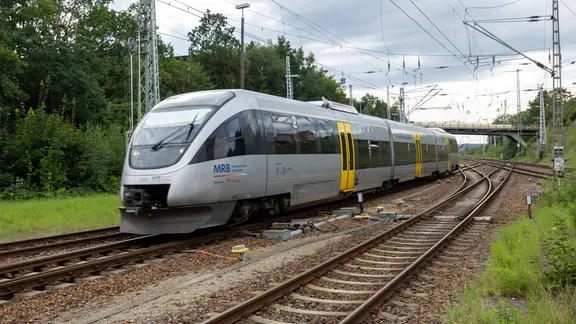
The repair of the Vindobona is being carried out under the close supervision of certified railway engineers who specialize in vintage rolling stock. This is not just a hobbyist project; it is a professional engineering endeavor. The use of advanced materials—such as modern steel alloys that are compatible with the vintage engine architecture—is being explored to ensure that the repair not only fixes the current crack but also prevents future fatigue in the same component.
As the region continues to balance modern infrastructure needs—such as the recent discussions regarding the prioritization of regional news sources on platforms like Google—the preservation of physical history like the Vindobona stands as a testament to a commitment to heritage. The train is more than just metal and glass; it is a rolling archive of a time when the rails were the primary veins of European commerce and culture.
For now, the Vindobona remains in the shade of the Radebeul depot, but the work continues. Each bolt tightened and each measurement taken brings the locomotive one step closer to its next departure. The return of the "DDR-ICE" will undoubtedly be a major event in the rail community, reaffirming the resilience of both the machine and those dedicated to its survival.
For those interested in the latest updates regarding the Vindobona’s return to service, enthusiasts are encouraged to monitor the official channels of SVT Görlitz. Further information on the technical specifications of the VT 18.16 and its historical routes can also be found through the German Railway Museum archives.