In a rapidly shifting global landscape, the race for artificial intelligence supremacy is no longer a binary struggle between Washington and Beijing. A new, sophisticated front is emerging in East Asia, where Japan and South Korea—nations historically defined by their hardware prowess and manufacturing excellence—are pivoting aggressively toward “sovereign AI.” By launching multi-billion-dollar initiatives, these two technological powerhouses are attempting a delicate geopolitical and economic balancing act: reducing their dependency on American and Chinese tech giants while simultaneously positioning themselves as indispensable pillars of the global AI supply chain.
The Strategic Shift: Beyond Hardware
For decades, Japan and South Korea have functioned as the world’s silicon backbone, providing the memory chips, sensors, and robotics that underpin modern computing. However, the generative AI boom has forced a re-evaluation of this role. Leaders in Tokyo and Seoul have realized that relying on proprietary models from OpenAI, Anthropic, or China’s Deepseek leaves their national economies and digital infrastructures vulnerable to foreign gatekeepers.

The goal now is “sovereign AI”—the development of national large language models (LLMs) and local compute infrastructure that reflect local languages, cultural nuances, and data privacy standards. This move is not merely defensive; it is an assertion of agency in an era where AI is rapidly becoming the primary driver of GDP growth.
Chronology of the Strategic Pivot
2023: The Foundation of Domestic Ambition
Throughout 2023, both Tokyo and Seoul began consolidating their industrial policy. In Japan, the government, under the guidance of the Ministry of Economy, Trade and Industry (METI), initiated a series of subsidies aimed at domestic startups like Preferred Networks and Sakana AI. The objective was clear: to create a competitive alternative to Silicon Valley’s software dominance.

Early 2024: The "San Francisco Declaration"
The most significant turning point occurred recently, when South Korean President Lee Jae-myung visited the United States. During his trip, he unveiled what his administration dubbed the “San Francisco AI Declaration.” This was not just a diplomatic overture, but a clear articulation of a new national strategy. President Lee emphasized that South Korea intends to leapfrog from being a mere supplier of hardware to an “irreplaceable key nation” in the global AI supply chain.
Mid-2024: Integration and Investment
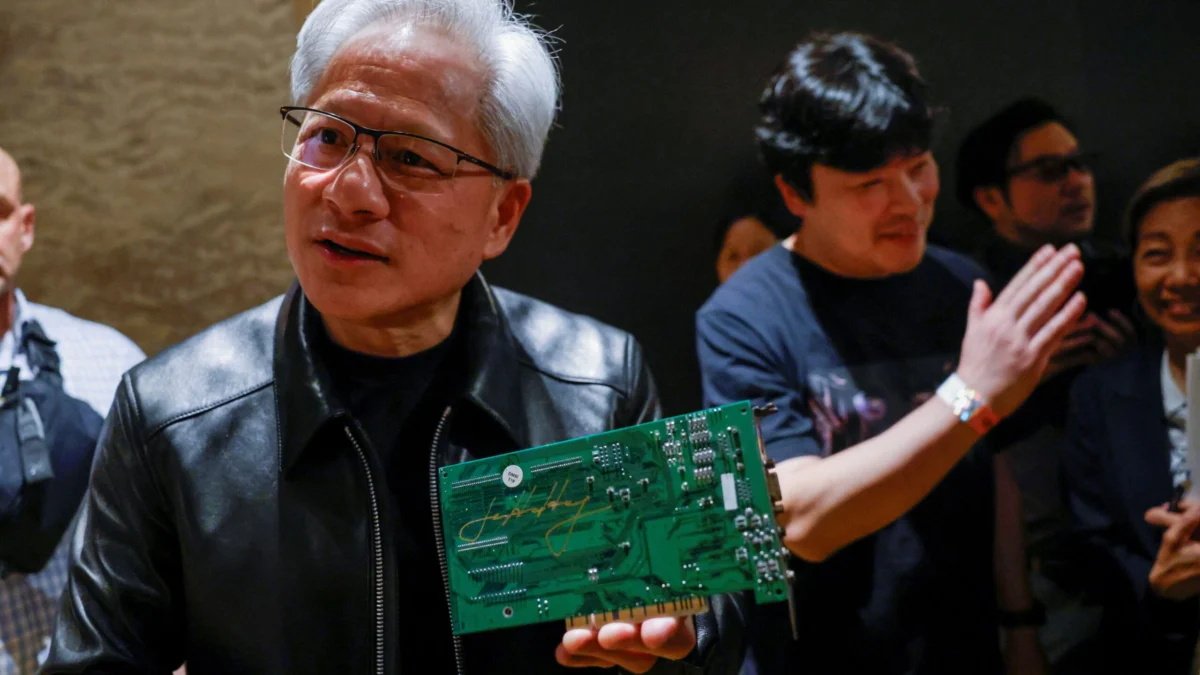
Following the declaration, South Korean conglomerates—led by giants like Samsung and SK Hynix—began deepening their ties with U.S. chip architect Nvidia. These partnerships are designed to secure the compute power necessary to train domestic models, effectively embedding South Korea into the heart of the American AI stack while maintaining the autonomy to develop localized applications.
Supporting Data: The Financial Stakes
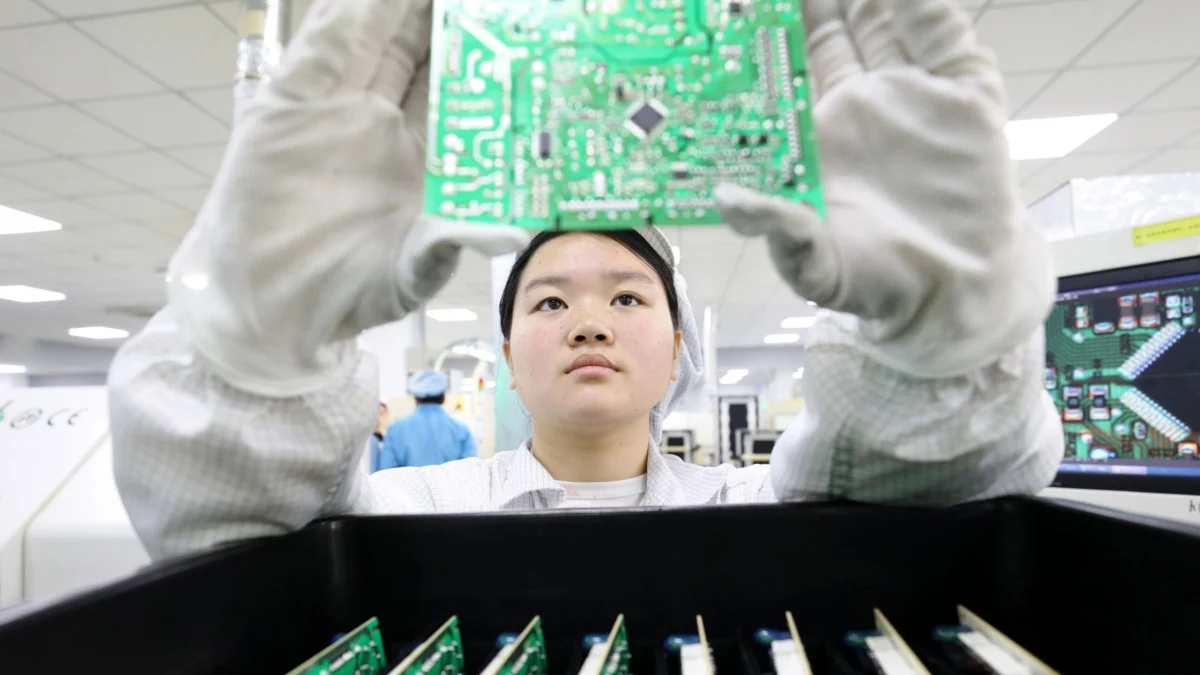
The capital commitment to this transition is staggering. Japan has earmarked over ¥1 trillion ($6.5 billion) to bolster its semiconductor and AI infrastructure, specifically targeting the domestic manufacturing of next-generation chips. This spending is supplemented by private-sector partnerships that aim to bridge the gap between academic research and commercial scalability.
South Korea’s investment strategy is equally aggressive. The government has pledged to invest approximately ₩9.4 trillion ($7 billion) in AI and semiconductor R&D by 2027. This funding is targeted at:

- AI Semiconductor Development: Scaling the production of HBM (High Bandwidth Memory) chips, which are essential for AI data centers.
- National Compute Clusters: Building sovereign data centers that ensure South Korean data remains within national borders.
- Talent Acquisition: Subsidies to lure global AI researchers to Seoul, creating a hub that rivals Bangalore or Berlin.
The Balancing Act: The "Neutral" Player Strategy
The most fascinating aspect of the strategies employed by Tokyo and Seoul is their attempt to remain “neutral.” Both nations are firm allies of the United States and are deeply integrated into the Western defense and economic architecture. However, they are also geographically and economically tied to the Asian market.
By positioning themselves as neutral, sovereign partners, Japan and South Korea hope to offer a "third way" for other emerging economies in Southeast Asia and the Global South. Many of these nations are wary of becoming collateral damage in the ongoing “Tech Cold War” between Washington and Beijing. Japan and South Korea are betting that they can provide the infrastructure—the chips, the servers, and the ethical AI frameworks—that is more palatable and less politically fraught than the options currently dominated by the U.S. or China.

Official Responses and Diplomatic Posturing
The response from the United States has been one of cautious encouragement. Washington views Japan and South Korea as essential nodes in the "friend-shoring" strategy, which seeks to move critical supply chains away from China. However, there is underlying tension regarding whether these nations will eventually become competitors in the high-margin software space.
In Tokyo, officials argue that their AI development will be "human-centric," focusing on societal challenges like Japan’s aging population and labor shortages. By tailoring AI to solve specific domestic demographic issues, they are creating a blueprint that can be exported to other developed nations facing similar crises.

In Seoul, the narrative is focused on industrial integration. President Lee’s administration has consistently highlighted that the future of South Korea depends on its ability to transition from "making the chips" to "making the intelligence." This rhetoric has been well-received by the domestic tech sector, which sees it as an opportunity to secure long-term government support for the transition toward high-value software services.
Implications for the Global Economy
1. Fragmentation of the AI Stack
The most immediate implication is the fragmentation of the global AI landscape. Instead of a single, global standard, we are moving toward a world of regionalized AI stacks. This increases the costs of development but enhances the security and sovereignty of the nations involved. Companies operating globally will soon need to navigate a landscape where they may need to adapt their software to run on different, sovereign-compliant infrastructures in different parts of the world.

2. A New Standard for Hardware-Software Synergy
Japan and South Korea are uniquely positioned to prove that the future of AI is not just about the "LLM" but about the "hardware-software co-design." Because they control the physical manufacturing of the most advanced AI chips, their domestic software models will likely be more efficient and better optimized than those built by pure software firms elsewhere. This could lead to a massive competitive advantage in energy efficiency—a critical concern for the future of AI.
3. The Rise of "Middle-Power" AI
For years, the "Middle Powers" of the world have been forced to choose between the American digital ecosystem and the Chinese one. By developing their own sovereign AI capabilities, Japan and South Korea are signaling that middle powers can, and should, have their own digital destinies. If they succeed, we may see a wave of similar initiatives from nations like India, Brazil, or the European Union, further diluting the absolute power of the current market leaders.

Conclusion: The Long Game
The ambition of Japan and South Korea to challenge the AI hegemony is a high-stakes gamble. It requires not only massive capital and technological breakthroughs but also a level of geopolitical finesse that is rarely seen in industrial policy. They are attempting to walk a tightrope between being the essential allies of the U.S. and the potential rivals of the tech giants that define the American digital economy.
If they fail, they risk squandering billions on models that cannot compete with the sheer scale of the U.S. and Chinese offerings. But if they succeed, they will have redefined the architecture of the 21st-century economy, ensuring that the next generation of artificial intelligence is not just a product of American or Chinese ambition, but a reflection of a more diverse and sovereign global order. The "San Francisco AI Declaration" may be just the first chapter in a long, complex story of how East Asian nations reclaimed their seat at the table of technological supremacy.