Paris, France – November 5, 2026 – A wave of nationwide strikes and demonstrations is set to sweep across France today, as major trade unions have called for widespread industrial action. This mobilization is further amplified by the participation of student and pupil movements, who have been protesting for nearly two months. The crucial question facing the nation is whether this confluence of dissent can coalesce into a sustained movement capable of forcing significant policy changes.
The current wave of unrest, often described as a "classic" protest scenario, sees the country’s prominent trade unions orchestrating a day of action encompassing both strikes and public demonstrations. The demands are multifaceted, touching upon critical issues such as wages, the preservation of public services, employment, and tax justice. Railway unions have also urged their members to strike, raising concerns about potential disruptions to regional and long-distance travel. The effectiveness of this unified front in translating into a lasting protest movement remains to be seen.
A Call for Economic Rebalancing: CGT’s Demands and Vision
At the forefront of these demands is the Confédération Générale du Travail (CGT), one of France’s largest and most influential trade unions. The CGT is advocating for a substantial 10% increase in the statutory minimum wage, pushing it to just over €2,000 gross per month. According to Sophie Binet, the CGT’s Secretary-General, this measure is crucial for boosting purchasing power, which in turn, she argues, is essential for revitalizing the French economy.
Binet articulated a clear vision for economic policy, stating in an interview with France 2, "There must be a change in policy: away from supply-side economics, which costs us a fortune and sacrifices jobs and workers. We need demand-driven policies, we must raise wages to stimulate domestic consumption. Spain has done this: its economy is growing, while its debt is falling." This call for a paradigm shift in economic strategy highlights a deep-seated dissatisfaction with the current government’s approach, which critics argue has prioritized corporate interests over the welfare of ordinary citizens.
Key Sectors Mobilize: Disruptions Expected Across the Nation
The planned industrial action is poised to affect several vital sectors of the French economy. Workers in education, transport, air traffic control, and healthcare are expected to participate in strikes. Railway companies have warned of potential disruptions to regional services, particularly around Paris, and anticipate "minor disturbances" in long-distance travel. The scale of these disruptions will undoubtedly serve as a key indicator of the public’s engagement with the day’s protests.
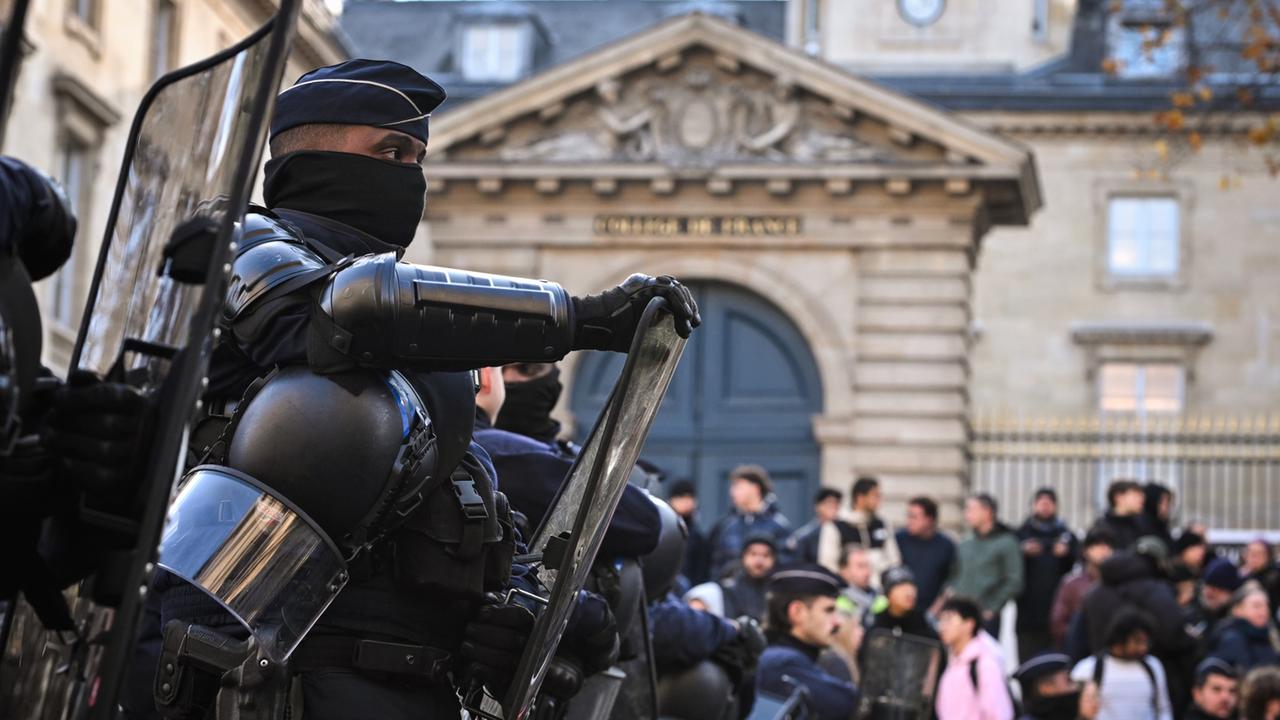
In anticipation of the widespread demonstrations, the Ministry of the Interior has announced a significant security deployment. Minister Gérald Darmanin stated that 70,000 police officers and gendarmes will be on duty nationwide, including specialized police units. This deployment mirrors the security measures in place during the previous two weekends, suggesting a heightened awareness of the potential for escalation.
"We will, of course, protect shops and public buildings," Darmanin said. "The situation is somewhat different: these are protest calls from trade unions – a more classic scenario. However, there is an intention to let the situation get out of hand. If that happens, we will react with the utmost determination." This statement underscores the government’s dual approach: acknowledging the legitimacy of union-led protests while simultaneously signaling a firm stance against any descent into widespread disorder.
Students and Pupils Join the Fray: A Broadening Coalition of Dissent
Today’s day of action is not an isolated event but rather an integral part of a broader protest movement that has been gaining momentum for nearly two months. Students and pupils, expressing dissatisfaction with the government’s response to their demands, have pledged to join the union-led demonstrations. The Coordination of the Yellow Vests, a movement that previously shook the French political landscape, has also indicated its support. Sophie Binet of the CGT emphasized that this "convergence," this unification of various protest movements, is a primary objective of the current mobilization.
Beyond specific economic grievances related to wages, public services, and tax fairness, a more fundamental issue is at stake for many: the right to demonstrate. Since a significant escalation of violence on October 17th, protest marches in many areas have been restricted to the outskirts of cities, with central areas largely off-limits. Binet vehemently condemned these restrictions, calling them an attack on freedom of assembly. "We have never seen anything like it: banning demonstrations in city centers. It’s impossible; demonstrations are meant to be visible! We will not hide and outsource them to the périphérique [Paris ring road]." This sentiment reflects a growing frustration among protestors with what they perceive as attempts to stifle dissent and limit their public visibility.
The Battle for the Streets: Navigating Restrictions and Legal Challenges
The planned route for the demonstration in Paris highlights the ongoing tension between protestors’ demands and government restrictions. Unions had initially aimed to march from the Place de la Bastille to the Place de la Concorde, a route that passes near the National Assembly and the Élysée Palace. However, the Prefecture of Police prohibited this route, proposing an alternative that, while still within the city center, deviates from the original plan.
In response, the unions lodged a legal challenge against the altered route. This appeal was ultimately rejected late Wednesday evening by a Paris administrative court. The court cited the "extremely tense social situation" and the unrest experienced on October 17th as justification for its decision. Furthermore, the court deemed the change in the route "neither unsuitable nor disproportionate." This judicial outcome underscores the challenges faced by protest organizers in securing routes that allow for maximum visibility and impact.
A New Barometer: Gauging the Intensity and Longevity of Social Unrest
The turnout for today’s strikes and protests, particularly among the workforce, is expected to serve as a new benchmark for the intensity and potential longevity of social unrest in France. The ability of the various movements to maintain momentum and exert pressure on the government will be closely watched. The coming hours and days will reveal whether this coordinated day of action can translate into sustained public engagement and ultimately lead to tangible policy shifts, or if it will prove to be another significant, yet ultimately transient, expression of public discontent. The government’s response, both in terms of security measures and its willingness to engage in meaningful dialogue, will be critical in shaping the future trajectory of these protests.