Montreal, Quebec – October 22, 2026 – Canada’s strategic maple syrup reserves, a critical buffer against the volatile whims of nature and global markets, are facing unprecedented depletion. The vast warehouse complex in Laurierville, Quebec, which houses the world’s only strategic maple syrup reserve, is projected to be entirely empty by the end of February 2027. This alarming forecast, issued by the Fédération des producteurs acéricoles du Québec (PPAQ), the powerful cartel that manages 90% of Canada’s maple syrup production, signals a precarious future for the global supply of the beloved golden sweetener.
The immediate cause of this dramatic drawdown is attributed to a massive surge in demand, characterized by what industry insiders describe as "panic buying" or "hamsterkauf" from international importers, primarily from the United States, over the past two years. These preemptive purchases were largely driven by anxieties surrounding potential trade tariffs between the U.S. and Canada, a lingering specter from previous political tensions. While the PPAQ assures that consumer shelves will not be bare in the immediate term, thanks to importers having bolstered their own stocks, the long-term implications for price stability and supply security are now a significant concern, placing immense pressure on the upcoming 2027 harvest.
The Strategic Reserve: A Sweet Shield Against Uncertainty
The concept of a strategic maple syrup reserve might sound quaint, but for Quebec, the undisputed global leader in maple syrup production, it is a cornerstone of economic stability and market control. Established by the PPAQ, often dubbed the "OPEC of maple syrup," the reserve’s primary function is to stabilize prices and ensure a consistent supply to the international market, mitigating the inherent fluctuations of an agricultural product heavily reliant on specific weather conditions. Maple trees require a delicate balance of freezing nights and thawing days in early spring for their sap to flow optimally, making annual yields inherently unpredictable.
This centralized management system allows the PPAQ to store millions of pounds of maple syrup in massive barrels, releasing it onto the market when harvests are poor or demand spikes, and replenishing it during abundant years. This mechanism has historically shielded both producers from price crashes and consumers from severe shortages and extreme price volatility. However, the current situation demonstrates the limits of even a robust strategic reserve when confronted with sustained, extraordinary demand driven by geopolitical anxieties.
Chronology of Depletion: Trade Tensions and Export Surges
The seeds of the current depletion were sown in the years leading up to the present. While the PPAQ declined to specify the exact reasons for the recent surge in demand, industry analysts and government data paint a clear picture. The period between 2024 and 2025 saw an unprecedented increase in Canadian maple syrup exports to the United States, climbing by a staggering 17%. During this time, total exports reached 53.3 million kilograms, a significant portion of which was destined for American markets.
This dramatic uptick is widely believed to be a direct consequence of the looming threat of tariff imposition. Reports from the Canadian Press at the time highlighted that U.S. customers and importers were actively "stocking up" on Canadian maple syrup to pre-empt any potential future tariffs that might arise from trade disputes between the two nations. Although Canadian maple syrup is not currently subject to U.S. import tariffs, the memory of past trade skirmishes and the unpredictable nature of international trade policy, particularly under certain administrations, fueled a sense of urgency among buyers.
Even before the more intense phases of the trade disputes, exports to the U.S. had been on an upward trajectory. By 2025, approximately 65% of all Canadian maple syrup exports were directed to the United States, underscoring the critical dependence of the Canadian industry on its southern neighbor. Beyond North America, Germany emerged as another significant importer, accounting for a healthy seven percent of Canadian maple syrup exports. This global reach highlights the pervasive impact of any instability in Canada’s supply chain.
The PPAQ confirmed that the remaining inventories in the strategic reserve have already been sold. These final batches, amounting to more than 35 million pounds (nearly 16 million kilograms), are slated for delivery to buyers by the end of February 2027, at which point the reserve will be fully exhausted. This mass shipment will, in turn, significantly boost the individual stockpiles of importers and distributors, temporarily averting an immediate retail shortage.
Supporting Data: Quebec’s Unrivaled Dominance
To understand the gravity of the situation, it’s essential to appreciate Quebec’s unparalleled position in the global maple syrup market. According to Canadian government figures from 2025, the Canadian industry as a whole is responsible for approximately 75% of the world’s maple syrup production. Within Canada, Quebec stands as the colossal heart of this industry, contributing a remarkable 90% of the nation’s total output. This makes Quebec not just a major player, but essentially the global arbiter of maple syrup supply.
The PPAQ itself represents over 13,000 maple syrup producers across Quebec, managing an elaborate system of quotas, quality control, and marketing that ensures the product’s integrity and market value. Their mandate extends to regulating production, marketing, and sales, thereby exercising significant control over the global market. The sheer scale of their operation, managing such a vast proportion of a globally consumed product, underscores why the depletion of their strategic reserve is not merely a domestic Canadian issue but a matter of international concern.
Official Responses and the Immediate Outlook
Despite the stark reality of the dwindling reserve, the PPAQ has adopted a tone of cautious optimism regarding the immediate future. A spokesperson for the federation indicated that, given the substantial increase in buyers’ individual inventories, a critical supply bottleneck is not anticipated in the very short term. The 16 million kilograms being delivered from the reserve will bolster distributors’ stocks, providing a temporary cushion.
"While the strategic reserve will be empty by early next year, the market is not facing an immediate crisis," stated a PPAQ representative in a recent briefing. "Our buyers have been proactive in securing their supplies, and their warehouses are currently well-stocked. This provides us with a crucial window to prepare for the next harvest."
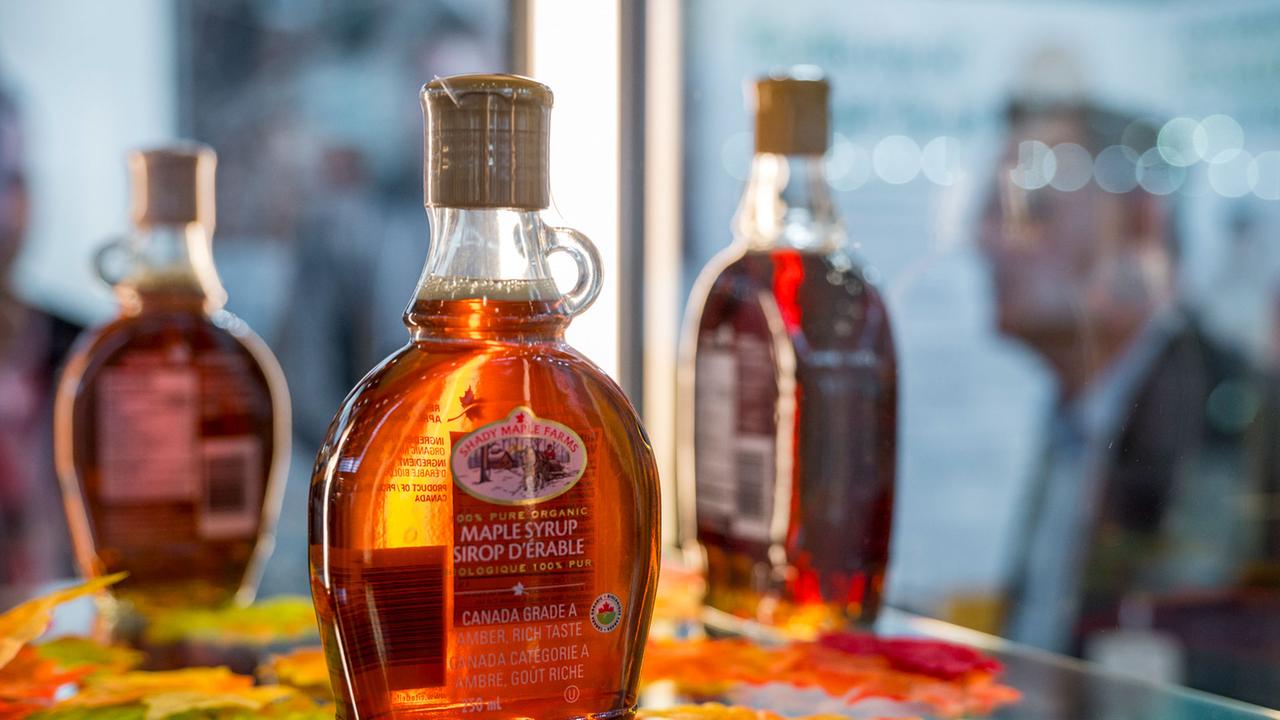
However, this reassurance comes with a significant caveat. The PPAQ’s assessment hinges entirely on the assumption that the 2027 harvest season will be favorable. Should weather conditions prove uncooperative, leading to a poor sap flow and a reduced yield, the absence of the strategic reserve would leave the industry—and indeed, the global market—without its vital shock absorber.
Implications: A Vulnerable Golden Flow
The potential implications of an empty strategic reserve are far-reaching, affecting producers, distributors, and ultimately, consumers worldwide.
1. Price Volatility: Without the buffer of the reserve, the global market for maple syrup becomes significantly more susceptible to price swings. A poor harvest in 2027 would likely lead to sharp price increases, as supply would be unable to meet sustained demand. Consumers in key markets like the U.S. and Germany could face noticeably higher prices for their pancakes, waffles, and other maple-infused delights. This could also impact food manufacturers that use maple syrup as an ingredient.
2. Producer Instability: While high prices might seem beneficial to producers, extreme volatility can be detrimental. It creates uncertainty, making long-term planning difficult and potentially discouraging investment in the industry. The PPAQ’s system was designed to smooth out these fluctuations, ensuring a more stable income for its thousands of members. Its absence could reintroduce significant financial risk for individual "acériculture" (maple farming) operations.
3. Erosion of Market Control: The strategic reserve is a key tool in the PPAQ’s ability to maintain its dominant position and regulate the market. Its depletion, even temporarily, could weaken this control, potentially inviting greater competition or making the market more susceptible to external pressures.
4. Reputation and Reliability: Canada, and Quebec in particular, has built a global reputation as a reliable supplier of high-quality maple syrup. A period of supply instability or significant price hikes could, over time, erode this trust and prompt buyers to seek alternative sweeteners or develop new supply chains, even if these alternatives are currently less established.
5. Environmental Sensitivity: The situation underscores the inherent vulnerability of natural resource-based industries to environmental factors. Climate change, with its potential for more extreme and unpredictable weather patterns, poses a long-term threat to maple syrup production. The reserve acts as a buffer against these natural fluctuations, and its absence makes the industry more exposed.
Looking Ahead: The Critical 2027 Harvest
All eyes are now firmly fixed on the spring of 2027. The successful replenishment of the strategic reserve is paramount to restoring stability and mitigating future risks. This will require not only favorable weather conditions but also potentially an expansion of production capacity. The PPAQ has historically issued new quotas for taps to increase overall production, a strategy that might need to be accelerated.
The process of maple syrup harvesting itself is a delicate dance with nature. Maple trees are tapped in late winter or early spring, typically from late February to April, when temperatures fluctuate above and below freezing. This temperature cycle creates pressure within the tree, causing the sap to flow. The sap, which is mostly water with about 2-3% sugar, is then collected and boiled down, a labor-intensive process that concentrates it into the rich syrup we know. It takes roughly 40 liters of sap to produce just one liter of maple syrup. Any disruption to these ideal conditions – an unusually warm winter, a sudden deep freeze, or a short thawing period – can significantly impact the yield.
Should the 2027 harvest prove insufficient, the PPAQ will face difficult choices. They may need to consider further increasing production quotas, investing in new tapping technologies, or even exploring longer-term climate adaptation strategies for their vast network of maple forests.
In conclusion, while the immediate future of global maple syrup supply appears stable due to the temporary shoring up of distributor stocks, the depletion of Canada’s strategic reserve marks a significant moment of vulnerability. It serves as a potent reminder of the interconnectedness of global trade, the impact of geopolitical tensions, and the delicate balance required to manage a cherished natural resource. The world’s sweet tooth now anxiously awaits the verdict of the coming spring, hoping for an abundant sap flow that can once again fill the golden coffers of Quebec.