BERLIN, Germany – July 22, 2026 – A summer tradition for millions across Germany is becoming increasingly costly, as new data from the Statistisches Bundesamt (Federal Statistical Office, Destatis) reveals a significant surge in the price of admission to public swimming pools. The report, released today, highlights that the cost of a dip in the pool has risen sharply, far exceeding the general rate of inflation and sparking concerns about accessibility and public health.
The findings indicate that in the past month, the average price for swimming pool entry was 3.6 percent higher than a year prior. This increase stands in stark contrast to the national inflation rate, which currently hovers at a more modest 2.3 percent. While some related costs, such as swimwear and parasols, have seen a slight decrease, the core expense of accessing aquatic facilities is climbing, posing a growing challenge for families and communities nationwide. Beyond the immediate financial strain, the report also sheds light on persistent regional disparities in access to these vital recreational spaces, painting a complex picture of Germany’s aquatic landscape.
The Rising Tide: Main Facts Unveiled by Destatis
The latest figures from the Statistisches Bundesamt confirm what many German households have already begun to experience firsthand: the refreshing escape to a public swimming pool now comes with a steeper price tag. The data, reflecting trends up to July 2026, underscores a notable acceleration in leisure costs that directly impacts a cherished aspect of German summer culture.
Startling Statistics from Destatis
According to the official release, a visit to a public swimming pool in the past month (June 2026) was, on average, 3.6 percent more expensive compared to the same period in the previous year (June 2025). This percentage increase represents a substantial jump, particularly when considering the broader economic context. For a nation that values its public infrastructure and recreational opportunities, such a rapid escalation in a fundamental leisure activity is cause for closer examination. Destatis, as the primary provider of official statistical information for Germany, plays a crucial role in monitoring these economic shifts, offering an objective lens through which to view the evolving financial landscape of public services. Their meticulous data collection ensures that these trends are not merely anecdotal but are backed by robust statistical analysis, providing a foundation for informed policy discussions and public debate. The report effectively puts a quantifiable measure to a phenomenon that has been gradually unfolding across cities and towns.
A Divergence from General Inflation
Perhaps the most striking aspect of the Destatis report is the significant divergence between the increase in swimming pool admission prices and the general rate of inflation. While the overall consumer price index registered a 2.3 percent year-on-year increase, the specific cost associated with swimming pool entry surged by an additional 1.3 percentage points. This disparity means that swimming pool operators are either facing unique cost pressures that are not reflected in the broader economy, or they are passing on a disproportionately higher share of their operational expenses to consumers. This phenomenon raises critical questions about the underlying economic factors influencing these facilities, ranging from energy costs to staffing, and the long-term sustainability of affordable public access. For the average consumer, it signifies that their discretionary income is being stretched further for specific leisure activities, potentially forcing difficult choices, especially for families with multiple children. The relative acceleration of swimming pool prices above the general inflation rate suggests that these facilities are grappling with challenges distinct from the wider economic environment.
The Paradox of Related Costs
Intriguingly, the Destatis report presents a nuanced picture when it comes to related swimming costs. While the direct entry fee has climbed, the data indicates a slight silver lining: prices for items such as swimwear and parasols have, in fact, seen a decrease. This paradoxical situation suggests that while the operational costs of maintaining and running a swimming pool facility are escalating, the retail market for associated consumer goods might be experiencing different economic pressures, such as increased competition, supply chain efficiencies, or a normalization of post-pandemic demand. This contrast highlights the complexity of the leisure economy, where various segments can move in opposing directions. However, for many families, the cost of entry remains the primary barrier, making the marginal savings on a new swimsuit less impactful in the face of significantly higher access fees. The core concern remains the increasing cost of access to the water itself, rather than the ancillary purchases.
Chronology: A Decade of Changing Aquatic Costs
The current surge in swimming pool prices is not an isolated event but rather the culmination of several economic and societal shifts over the past decade. Understanding this trajectory provides crucial context for the challenges faced by public swimming facilities today.
Pre-Pandemic Stability and Early Warnings
Before the global upheaval of the COVID-19 pandemic, the landscape of public swimming pool pricing in Germany was characterized by relative stability, punctuated by gradual, incremental increases. From the early 2010s to late 2019, price adjustments were typically modest, reflecting routine operational cost increases, minor renovations, or inflation-aligned adjustments. Municipalities, which often operate these facilities as public services rather than pure profit centres, largely absorbed minor cost fluctuations to maintain affordability. However, even in this period, subtle warning signs began to emerge. Ageing infrastructure, a consequence of deferred maintenance in some areas, necessitated increasingly expensive repairs. The demand for qualified personnel, particularly lifeguards, started to outstrip supply in certain regions, leading to higher wage pressures. Energy costs, while not as volatile as in later years, were a constant consideration for heating and maintaining large volumes of water. These factors, though individually manageable, laid the groundwork for future vulnerabilities.
The COVID-19 Impact and Energy Crisis Aftermath
The onset of the COVID-19 pandemic in early 2020 delivered an unprecedented shock to the public swimming sector. Widespread closures, initially for public health reasons, led to devastating revenue losses. Even when facilities were permitted to reopen, stringent hygiene protocols, reduced capacities, and increased cleaning costs added significant financial burdens. Many pools struggled to recoup losses, relying heavily on municipal subsidies to stay afloat.
Hard on the heels of the pandemic came the European energy crisis, triggered by geopolitical events in 2022. This period marked a dramatic turning point. Swimming pools, especially indoor facilities, are inherently energy-intensive operations, requiring vast amounts of heating for water and air, as well as electricity for filtration systems, lighting, and ventilation. Natural gas prices, in particular, soared to historic highs, pushing operational costs for many pools to unsustainable levels. Some municipalities were forced to implement drastic measures, such as reducing water temperatures, shortening opening hours, or even temporarily closing facilities, to mitigate the financial impact. While energy prices have since somewhat stabilized from their peaks, they remain significantly higher than pre-crisis levels, embedding a new, elevated cost base into pool operations. This double blow of pandemic-induced revenue loss and energy price shocks fundamentally reshaped the financial viability of many public swimming facilities.
The Current Landscape: Persistent Pressures
As of 2026, the German public swimming pool sector continues to navigate a complex environment of persistent financial pressures. While the immediate crises of the pandemic and the energy shock have receded, their after-effects linger. Elevated energy costs, although no longer spiralling, have become a ‘new normal’ that operators must factor into their budgets. Furthermore, a general rise in labor costs across sectors, coupled with an ongoing shortage of skilled personnel (especially certified lifeguards and technical staff), continues to drive up salary expenses. The costs of chemicals for water treatment, insurance premiums, and general maintenance for ageing facilities have also seen upward trajectories. Municipal budgets, often stretched thin by competing demands, find it increasingly difficult to fully subsidize these rising operational expenditures, leading to the inevitable decision to pass a greater share of the costs onto the consumer. The 3.6 percent increase reported by Destatis is therefore not merely a random hike but a reflection of this multi-faceted and sustained pressure on public swimming infrastructure, marking a significant departure from the era of relative affordability.
Supporting Data: Beyond the Headline Figures
The 3.6 percent increase in swimming pool admission prices, while impactful, represents only the tip of the iceberg. A deeper dive into the contributing factors and broader societal implications reveals a more complex narrative.
Deconstructing the Cost Components
The operational costs of a modern swimming pool facility are multifaceted and substantial, explaining why price increases often outpace general inflation. The primary components include:
- Energy: This is arguably the most significant cost driver, particularly for indoor pools. Heating vast quantities of water and maintaining comfortable air temperatures requires immense energy, predominantly natural gas or electricity. Filtration systems, lighting, and ventilation systems further consume substantial electricity. Even for outdoor pools, heating water, pumping, and lighting contribute significantly. The post-2022 energy crisis has permanently recalibrated this expense.
- Personnel: Staffing is another major expenditure. This includes highly trained lifeguards, technical staff for water treatment and facility maintenance, cleaning crews, administrative personnel, and instructors for swimming lessons. The demand for qualified lifeguards, in particular, often outstrips supply, driving up wage expectations.
- Water and Chemicals: While water itself is relatively inexpensive, the sheer volume required for pools is considerable. More importantly, the ongoing cost of chemicals – chlorine, pH regulators, flocculants, and other disinfectants – is essential for maintaining water quality and public health standards. These chemicals are subject to supply chain fluctuations and raw material price increases.
- Maintenance and Repairs: Swimming pools are complex structures exposed to harsh conditions (water, chemicals, temperature fluctuations). Regular maintenance of pumps, filters, heating systems, tiles, and structural elements is crucial but costly. Ageing infrastructure across many German municipalities means these repair costs are often substantial and unpredictable.
- Insurance and Regulations: Compliance with stringent health and safety regulations, coupled with comprehensive liability insurance, adds another layer of unavoidable expense. These costs tend to increase over time in line with evolving legal requirements and risk assessments.
Each of these components has seen varying degrees of price escalation, collectively pushing up the overall operational burden on pool operators and, consequently, on the consumer.
The Regional Divide: Accessibility and Its Economic Implications
The Destatis report also highlights a stark regional disparity in access to swimming facilities, adding another layer of concern to the rising costs. On average, Germans can reach their nearest natural or outdoor swimming pool by car in approximately ten minutes, while an indoor pool typically takes twelve minutes. These averages, however, mask significant inequalities.
In certain rural regions, particularly parts of Mecklenburg-Vorpommern, Brandenburg, northern Saxony-Anhalt, and areas of Rhineland-Palatinate, the drive to the nearest swimming facility frequently exceeds 20 minutes. For many residents in these areas, especially those without private vehicles or access to adequate public transport, this extended travel time transforms a simple leisure activity into a logistical challenge. This "mobility gap" has several profound implications:
- Reduced Participation: Longer travel times deter spontaneous visits and make regular participation in swimming lessons or recreational swimming more difficult, particularly for children and the elderly.
- Socio-Economic Disadvantage: Families without a car or those reliant on infrequent public transport face compounded challenges. The rising cost of fuel for longer journeys further exacerbates the financial burden, potentially excluding them from swimming entirely.
- Impact on Rural Development: The dwindling availability of local public amenities, including swimming pools, contributes to the attractiveness deficit of rural areas, potentially accelerating rural exodus and widening the urban-rural divide.
- Public Health Concerns: Limited access to swimming facilities in rural areas can have long-term public health consequences, including lower rates of physical activity and increased risk of drowning due to lack of swimming proficiency.
The regional disparities underscore that "access" is not merely about the existence of a facility but also about the practical ability of citizens to reach and afford it.
The Socio-Economic Impact: Who Bears the Brunt?
When admission prices rise significantly faster than general inflation, the burden is not distributed evenly across society. Low-income households and large families are disproportionately affected. For them, a 3.6 percent increase might translate into an unaffordable sum, forcing them to forgo swimming altogether.
- Exacerbating Inequality: Swimming, a fundamental life skill and a healthy recreational activity, risks becoming a luxury rather than an accessible public good. This exacerbates social inequality, creating a divide between those who can afford to swim regularly and those who cannot.
- Impact on Children and Youth: Children from disadvantaged backgrounds are often the most affected. Without access to affordable swimming lessons, their ability to learn this crucial life skill is compromised, increasing their risk of drowning and limiting their physical development. Summer holidays, typically a time for fun and cooling off, become less enjoyable and less equitable.
- Community Cohesion: Public swimming pools often serve as vital community hubs, fostering social interaction and providing a safe space for people of all ages to gather. Rising costs threaten this role, potentially leading to reduced community engagement and increased social isolation, particularly in areas where other affordable leisure options are scarce.
The economic reality of rising prices, coupled with accessibility challenges, paints a picture where the very essence of public swimming – its universal availability – is under threat.
Official Responses: Navigating the Challenges
The escalating costs and accessibility concerns surrounding Germany’s public swimming pools have not gone unnoticed by those responsible for their operation and oversight. Municipalities, pool operators, and various levels of government are grappling with the complex challenge of balancing financial sustainability with public service provision.
Statements from Municipalities and Pool Operators
Municipalities, as the primary owners and operators of most public swimming facilities, find themselves in a difficult position. They are mandated to provide essential public services, including recreational amenities, but face tightening budgets and escalating operational costs. Many local councils have issued statements acknowledging the price increases, often attributing them to the factors outlined by Destatis – primarily energy costs, personnel expenses, and the need for ongoing maintenance.
- Financial Predicament: "We are caught between a rock and a hard place," stated a spokesperson for the Association of German Cities (Deutscher Städtetag). "On one hand, we want to keep swimming affordable for all citizens. On the other, the costs for heating, staff, and essential repairs have exploded. Without adjusting prices, many pools would face insolvency or closure."
- Energy Efficiency Investments: Many operators are actively exploring and implementing energy-saving measures. This includes upgrading heating systems, installing solar panels, optimizing filtration processes, and improving insulation. While these investments are costly upfront, they are seen as crucial for long-term sustainability.
- Diversified Revenue Streams: Some pools are experimenting with diversified revenue streams beyond basic entry fees, such as offering specialized courses (e.g., aqua fitness, baby swimming), hosting events, or developing wellness packages.
- Tiered Pricing and Subsidies: Many municipalities already offer tiered pricing (e.g., reduced rates for children, students, seniors, or families). There are ongoing discussions about expanding targeted subsidies for low-income individuals or introducing social tariffs to ensure that financial barriers do not completely exclude vulnerable groups.
Pool operators emphasize that price adjustments are often a last resort, taken only after exhausting other avenues for cost reduction and efficiency improvements. Their primary goal remains to maintain safe, clean, and functioning facilities for the public.
Government Initiatives and Subsidies
While municipalities bear the immediate responsibility, there are growing calls for greater support from state and federal governments to address the systemic challenges facing public swimming pools.
- Infrastructure Programmes: Several federal and state programmes exist to support municipal infrastructure, including sports facilities. However, stakeholders argue that these programmes need to be significantly expanded and specifically targeted towards the unique needs of swimming pools, particularly for energy efficiency upgrades and modernization. The "Sanierung Kommunaler Einrichtungen in den Bereichen Sport, Jugend und Kultur" (Renovation of Municipal Facilities in Sport, Youth, and Culture) programme is one example, but funding is often oversubscribed.
- Energy Cost Relief: During the peak of the energy crisis, some relief packages were introduced for energy-intensive businesses, which sometimes included public facilities. There are suggestions for permanent mechanisms to shield essential public services like swimming pools from extreme energy price volatility.
- Promoting Swimming Proficiency: Recognizing the public health and safety implications, some states have launched initiatives to promote swimming lessons, particularly for children. This includes funding for school swimming programmes or subsidizing lessons for disadvantaged children, indirectly supporting pool operators by ensuring facility usage.
- Addressing Personnel Shortages: Discussions are underway at various levels of government to address the shortage of qualified lifeguards and swimming instructors through improved training programmes, professionalization initiatives, and recruitment campaigns.
Official responses typically underscore the importance of swimming pools for public health, education, and recreation, but the practical implementation of comprehensive, long-term support remains a complex political and financial challenge.
The Role of Public Health and Education
Public health authorities and educational bodies are increasingly vocal advocates for maintaining accessible and affordable swimming facilities. They highlight the indispensable role pools play in:
- Drowning Prevention: Learning to swim is a fundamental life skill. Public pools are crucial venues for formal swimming instruction, especially for children. Reduced access due to cost or distance directly correlates with declining swimming proficiency and an increased risk of drowning accidents.
- Physical Activity and Health: Swimming is a low-impact, full-body exercise suitable for all ages and abilities. Accessible pools contribute significantly to public health by promoting physical activity, combating obesity, and supporting rehabilitation efforts.
- Mental Well-being: For many, swimming is a stress reliever and a source of mental well-being. The social aspect of public pools also contributes to community cohesion and reduces isolation.
Organisations like the German Life Saving Association (DLRG) are actively lobbying for greater political attention and financial support for public swimming pools, emphasizing their critical role beyond mere leisure. They argue that the costs associated with maintaining these facilities are an investment in public health and safety, not merely an expense.
Implications: More Than Just a Price Hike
The Destatis report’s findings extend far beyond the immediate financial impact of a higher admission fee. The rising cost and uneven distribution of swimming facilities in Germany carry profound implications for public health, social equity, and the very future of these cherished community assets.
Public Health Concerns and Drowning Prevention
The most immediate and critical implication of diminishing access to affordable swimming is the potential for a significant decline in swimming proficiency across the population, particularly among children. If families are priced out of regular pool visits or swimming lessons, the fundamental life skill of swimming will become less widespread.
- Increased Drowning Risk: Reduced swimming ability directly translates to an increased risk of drowning, particularly in natural bodies of water during the warmer months. Organisations like the DLRG have consistently warned about this trend, citing a correlation between pool closures, expensive lessons, and a rise in drowning incidents.
- Decline in Physical Activity: Swimming is a highly effective form of exercise, offering cardiovascular benefits and muscle development without high-impact strain. If access to pools diminishes, a valuable avenue for physical activity is curtailed, potentially contributing to higher rates of sedentary lifestyles and related health issues.
- Impact on Vulnerable Groups: Children, the elderly, and individuals with disabilities often rely on swimming for both recreation and therapeutic purposes. Higher costs and reduced accessibility disproportionately affect these vulnerable groups, impacting their overall health and quality of life. The long-term societal cost of poorer public health and increased emergency services demand far outweighs the short-term savings from neglecting pool maintenance or increasing prices.
Social Equity and Community Cohesion
The increasing cost of swimming facilities also has significant ramifications for social equity and the fabric of German communities. When a basic recreational activity becomes unaffordable for a segment of the population, it deepens existing social divides.
- Leisure Inequality: Swimming pools are often democratic spaces where people from all walks of life can interact. If cost becomes a barrier, these spaces risk becoming exclusive, accessible only to higher-income groups. This creates a form of "leisure inequality" where opportunities for healthy recreation are determined by economic status.
- Exclusion of Disadvantaged Families: For families facing financial constraints, the decision to forego a trip to the pool is often a painful one, especially during hot summers. This exclusion can lead to feelings of marginalization and reduce opportunities for social integration and shared experiences within the community.
- Impact on Integration: For new immigrants and refugee families, public swimming pools can serve as important spaces for integration and cultural exchange. If costs prevent access, these opportunities are lost, hindering efforts towards social cohesion.
The erosion of affordable public swimming facilities chips away at the principle of universal access to public goods, undermining efforts to build inclusive and healthy communities.
The Future of Public Swimming Facilities
The trends highlighted by Destatis raise serious questions about the long-term viability and future landscape of public swimming facilities in Germany. Without substantial intervention, several scenarios could unfold:
- Further Closures and Deterioration: If costs continue to outpace revenue and subsidies, more public pools may be forced to reduce operating hours, defer critical maintenance, or even close permanently, particularly in rural areas or financially strapped municipalities. This would lead to a further contraction of the swimming infrastructure.
- Shift to Private Models: A decline in public options could lead to an increase in private, often more expensive, alternatives. While these might cater to certain demographics, they would not fulfill the public service role of accessible, community-oriented swimming.
- Reduced Quality of Service: To cut costs, some pools might reduce staff levels, leading to longer queues, less supervision, or even compromise on water quality and hygiene standards, although strict regulations aim to prevent the latter.
- Innovation and Modernization: Conversely, the current pressures could spur innovation. Municipalities might accelerate investments in highly energy-efficient designs, explore public-private partnerships, or adopt more flexible operational models to ensure survival.
The trajectory of swimming pool access will be a critical indicator of how Germany prioritizes public health, social equity, and the preservation of its communal infrastructure in the face of economic challenges.
Calls for Action and Sustainable Solutions
The complex web of rising costs, accessibility disparities, and profound societal implications necessitates a multi-faceted and coordinated response. Calls for action are growing louder, urging stakeholders at all levels to collaborate on sustainable solutions:
- Increased Public Investment: There is a clear need for greater federal and state investment in the modernization and energy-efficient renovation of public swimming pools. This includes targeted funding programmes that go beyond general infrastructure grants.
- Support for Operators: Subsidies for operational costs, particularly for energy, should be considered for a limited period or as a permanent mechanism to shield essential public services from extreme market volatility.
- Social Tariffs and Subsidies: Municipalities and regional governments should explore expanding social tariffs, family discounts, and targeted subsidies to ensure that low-income households and large families are not excluded.
- Workforce Development: Investments in training and recruitment programmes for lifeguards and swimming instructors are essential to address personnel shortages and ensure safety and educational capacity.
- Innovative Funding Models: Exploring public-private partnerships, community fundraising initiatives, and local sponsorship models could provide additional revenue streams and shared responsibility for facility maintenance.
- Promoting Water Safety Education: Enhanced national campaigns promoting water safety and the importance of learning to swim, coupled with accessible lesson opportunities, are crucial.
The Statistisches Bundesamt’s report serves as a critical alarm bell. Ensuring that "Schwimmen gehen" (going for a swim) remains an accessible and affordable pleasure for all Germans requires immediate attention and a concerted effort to preserve a vital part of the nation’s social and recreational infrastructure. The future of Germany’s public pools, and the health and well-being of its citizens, depend on it.
This news article was based on information broadcast on Deutschlandfunk on July 22, 2026.
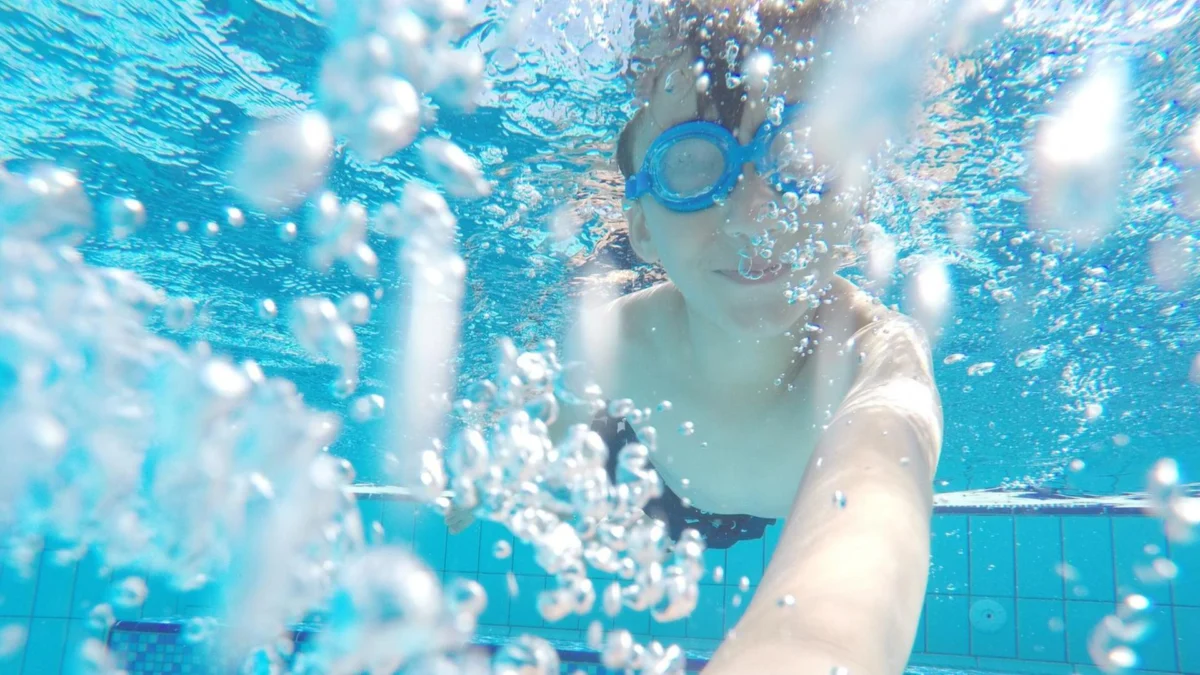
(Image Caption: Underwater shot of a child diving in a swimming pool. The admission prices increased significantly more than the general inflation rate. Source: http://www.imago-images.de/)