By Investigative Desk
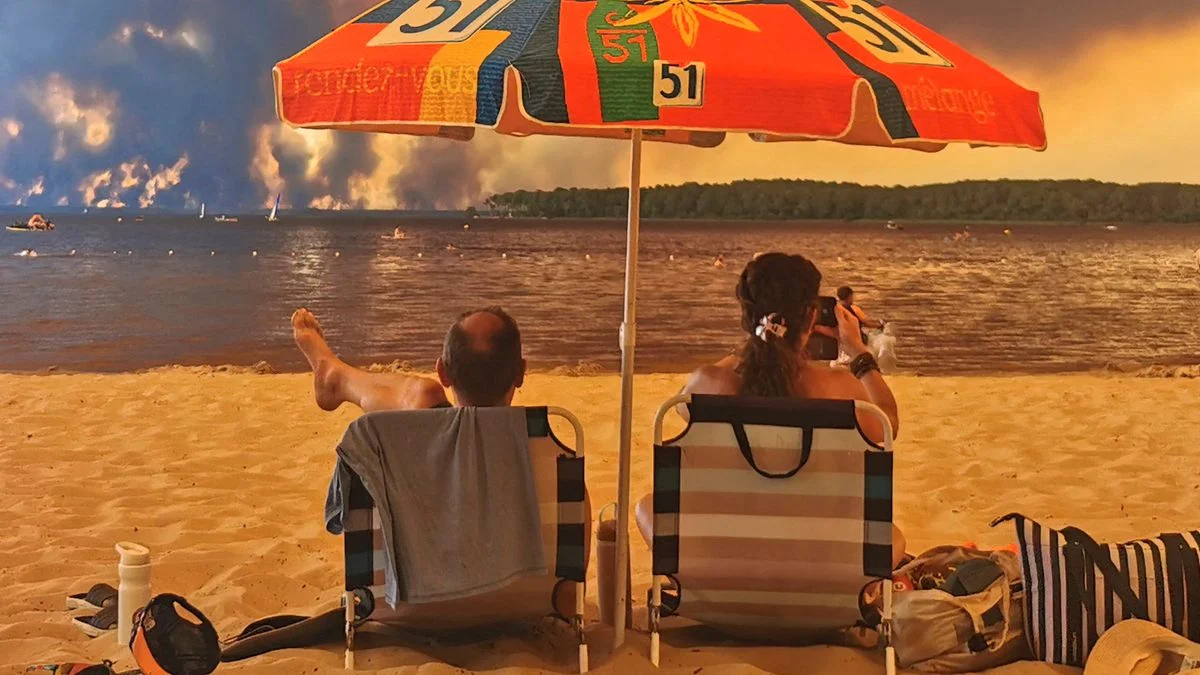
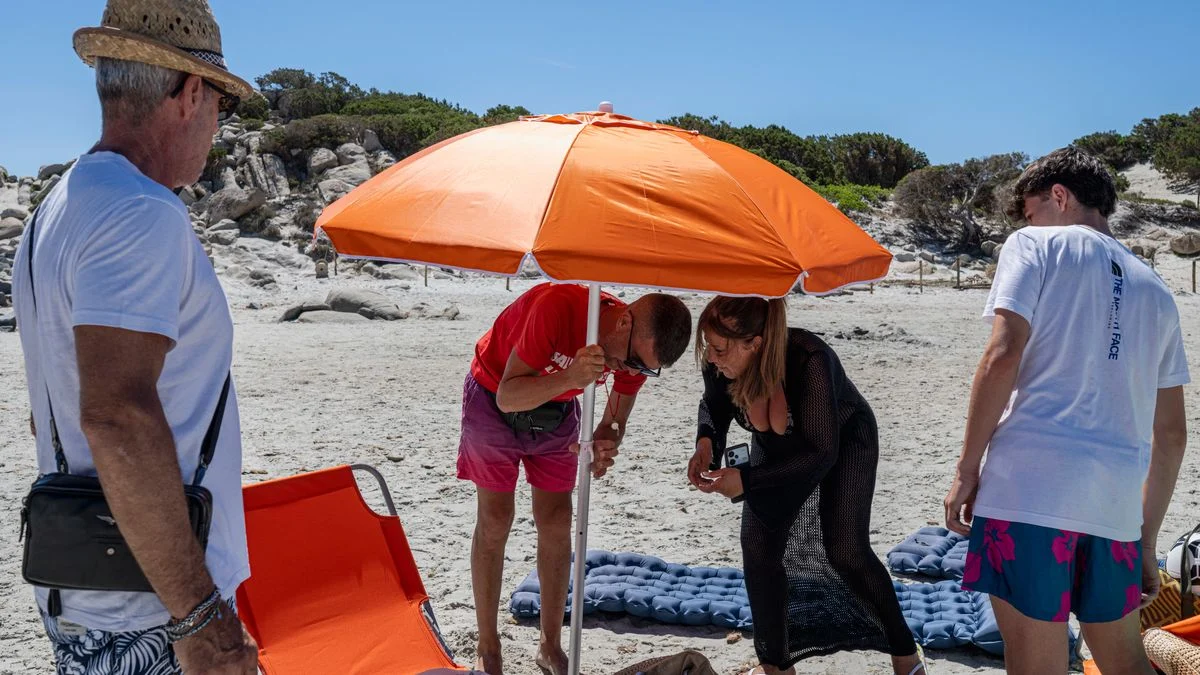
For millions of tourists, the ritual is as iconic as the sea itself: arriving at a pristine beach in Sardinia or the Amalfi Coast, finding a prime spot on the sand, and anchoring a parasol firmly into the ground to claim a sanctuary of shade. It is a moment of peace, the beginning of a long-awaited holiday. However, beneath the serene surface of Mediterranean summer leisure lies a frequently overlooked, yet potentially catastrophic danger: the flying beach umbrella.
As climate patterns shift and wind gusts become increasingly erratic and powerful, the humble beach parasol has transitioned from a tool of relaxation to a lethal projectile. Recent incidents across Italian coastal regions have prompted safety experts, local authorities, and medical professionals to raise the alarm on what is being described as a "hidden aerodynamic threat."
The Main Facts: An Unseen Hazard
The physics of the modern beach umbrella are deceptively simple, yet dangerous when subjected to coastal wind tunnels. A standard umbrella acts as a sail. When wind speeds exceed 20 to 30 kilometers per hour, the lift generated by the canopy can overcome the friction of the sand, turning the metal or fiberglass pole into a spear.
In recent years, several high-profile incidents have occurred on the beaches of Sardinia and Tuscany. While most minor injuries go unreported, the frequency of "near-misses"—where umbrellas have been ripped from their moorings and sent hurtling toward sunbathers—has reached a level that has triggered a re-evaluation of beach safety protocols. These aren’t just minor inconveniences; they are life-threatening events. A sharp-tipped umbrella pole traveling at high velocity has the capacity to cause severe puncture wounds, fractures, or worse, if it strikes an individual in the head or torso.
A Chronology of Coastal Incidents
The evolution of this threat is closely tied to the increasing intensity of Mediterranean weather systems.
- Summer 2021: A surge in reports of "parasol displacement" occurred during an unusually gusty July in Sardinia. Local lifeguards reported that they were spending more time patrolling the sand for rogue equipment than monitoring the water.
- Summer 2022: A tragic incident in a popular resort area saw a child hospitalized after a sudden "dust devil" wind gust caught an improperly anchored umbrella, lifting it nearly ten meters into the air before it landed on a crowded area of the beach.
- Spring 2023: Italian consumer protection agencies began lobbying for stricter guidelines regarding the structural integrity and anchoring requirements of umbrellas sold in seaside kiosks.
- Present Day: The debate has moved into the realm of public policy. Beach club operators are now being held increasingly liable for the safety of their patrons, leading to a shift in how umbrellas are deployed and secured on managed beaches.
Supporting Data: The Physics of the Parasol
Why do these umbrellas pose such a risk? The answer lies in the engineering of the product versus the environment of the beach.
The Aerodynamic Problem
Most consumer-grade parasols are designed for portability. They feature lightweight poles and thin, nylon or polyester canopies. When the wind hits the canopy, the pressure differential creates lift. Unless the pole is buried at a depth of at least 30 to 40 centimeters—and ideally reinforced with a weighted sandbag or a specialized auger—it will fail.
Environmental Variables
Coastal wind speeds are rarely constant. They are subject to "venturi effects" caused by dunes, beach bars, and high-rise hotels. Data suggests that wind speeds on the beach can be 15–20% higher than the ambient wind speed reported by local weather stations, creating a "false sense of security" for tourists who check the forecast before heading out.
Injury Statistics
While centralized data is difficult to track due to the nature of beach injuries (often treated at local first-aid posts rather than hospitals), anecdotal evidence from beach patrol units indicates a consistent rise in "blunt force impact" injuries over the last five years.
Official Responses and Safety Recommendations
Local Italian municipalities have begun to take proactive measures. In several districts, ordinances now require that all parasols be secured with professional-grade corkscrew-style anchors rather than simple spiked tips.
Guidelines from Experts:
- The Depth Rule: If you are using a standard spike, it must be buried at least one-third of the pole’s length into the sand.
- Angle of Incidence: Tilt the umbrella slightly into the wind. This reduces the surface area available for the wind to catch.
- The "Collapse" Threshold: If the wind is strong enough to make you feel unstable while standing, it is strong enough to launch your umbrella. Take it down immediately.
- Invest in Anchors: Sand augers, which screw into the sand, provide significantly more resistance than traditional push-down spikes.
"The responsibility lies with the individual," says Dr. Elena Rossi, a public safety advocate in Sardinia. "People see the beach as a place of total safety, but they forget that the beach is an outdoor environment subject to the laws of physics. An umbrella is not a stationary object; it is a temporary structure that must be managed."
Implications: The Future of Beach Tourism
The "parasol threat" has broader implications for the tourism industry. As climate change continues to produce more unpredictable weather, the Mediterranean coast may need to move toward a model of "fixed-shade infrastructure."
The Move Toward Fixed Infrastructure
Many high-end beach clubs are transitioning away from portable umbrellas entirely, opting for heavy-duty, permanently installed, or semi-permanent shade structures that are engineered to withstand gale-force winds. While this reduces the flexibility of beach layouts, it significantly mitigates the risk of flying debris.
Legal and Insurance Impacts
Insurance companies have begun to take note. Liability policies for beach clubs now often include clauses requiring the use of certified anchoring systems. If a tourist is injured by an umbrella that was not properly secured by the staff, the operator faces significant legal exposure. This has created a "culture of compliance" that is slowly spreading across the Mediterranean.
The Consumer Responsibility
Tourists must also become more "wind-aware." The onus is on the consumer to recognize that the beach is not a static environment. Education campaigns in hotels and travel brochures are beginning to include "beach safety briefings," similar to the safety demonstrations seen on airplanes.
Conclusion
The sun, the sand, and the sea remain the primary draws of the Italian coast. However, the experience must be tempered with a modern understanding of risk. The parasol is a vital tool for sun protection, but when misused, it becomes a danger to the very people it is meant to shelter. By adopting better anchoring habits and respecting the volatility of coastal winds, tourists can ensure that their holiday remains a story of relaxation, rather than a cautionary tale.
As we look toward the future of summer travel, the message is clear: protect your skin, but don’t ignore the sky. The hidden peril of the beach is entirely preventable, provided we treat the environment with the respect—and the caution—it demands.
This article is intended for informational purposes regarding beach safety and the technical risks associated with coastal equipment. For more in-depth reporting on travel safety and consumer rights in Europe, subscribe to our digital archives for full access to our investigative series.