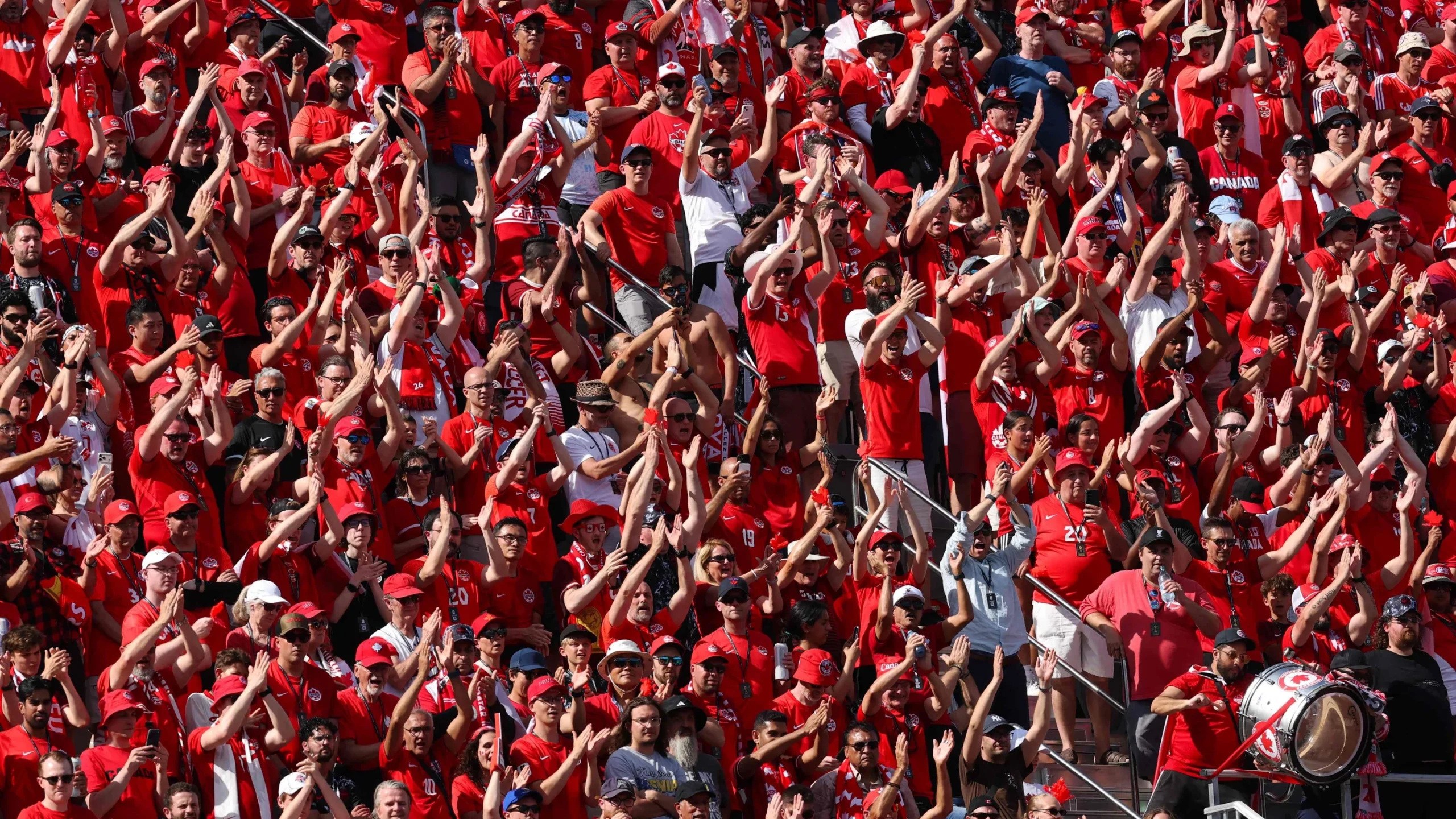
The FIFA World Cup 2026, hosted jointly by the United States, Canada, and Mexico, has arrived with a distinct flavor in Toronto. While the absence of the Italian national team—a squad that would have turned the city into a sea of Azzurri blue given the half-million Italian-Canadians residing in the Greater Toronto Area—was a blow to local expectations, the tournament has quickly evolved into something far more profound. It has become a celebration of the city’s identity as a global "multicultural mosaic."
The Main Facts: A Tournament of New Beginnings
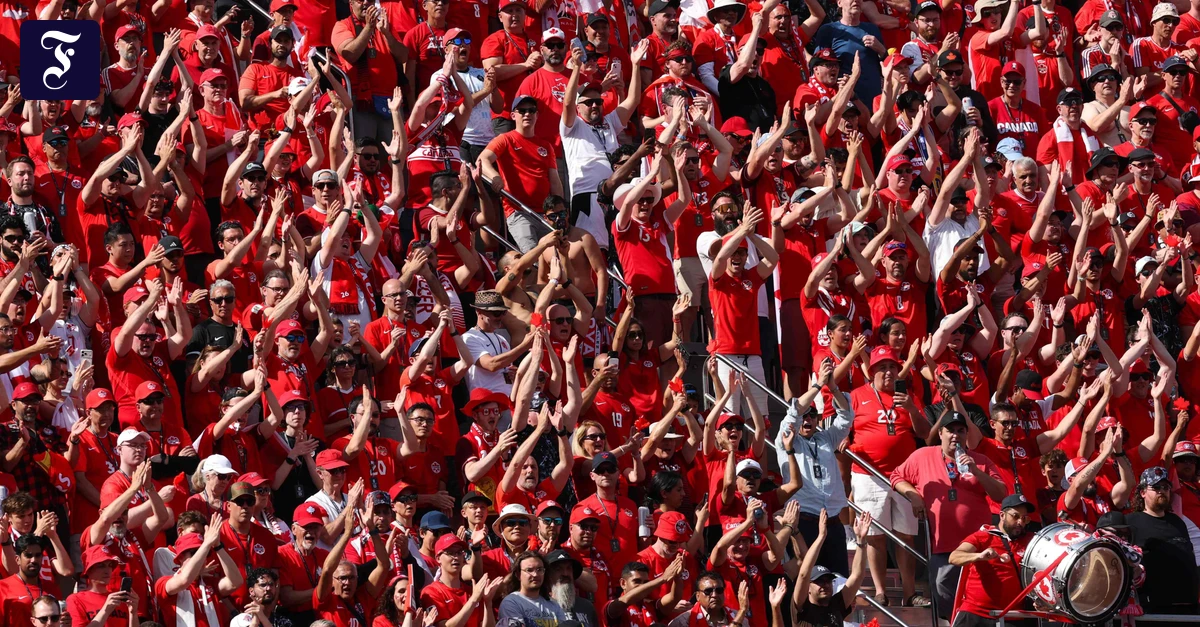
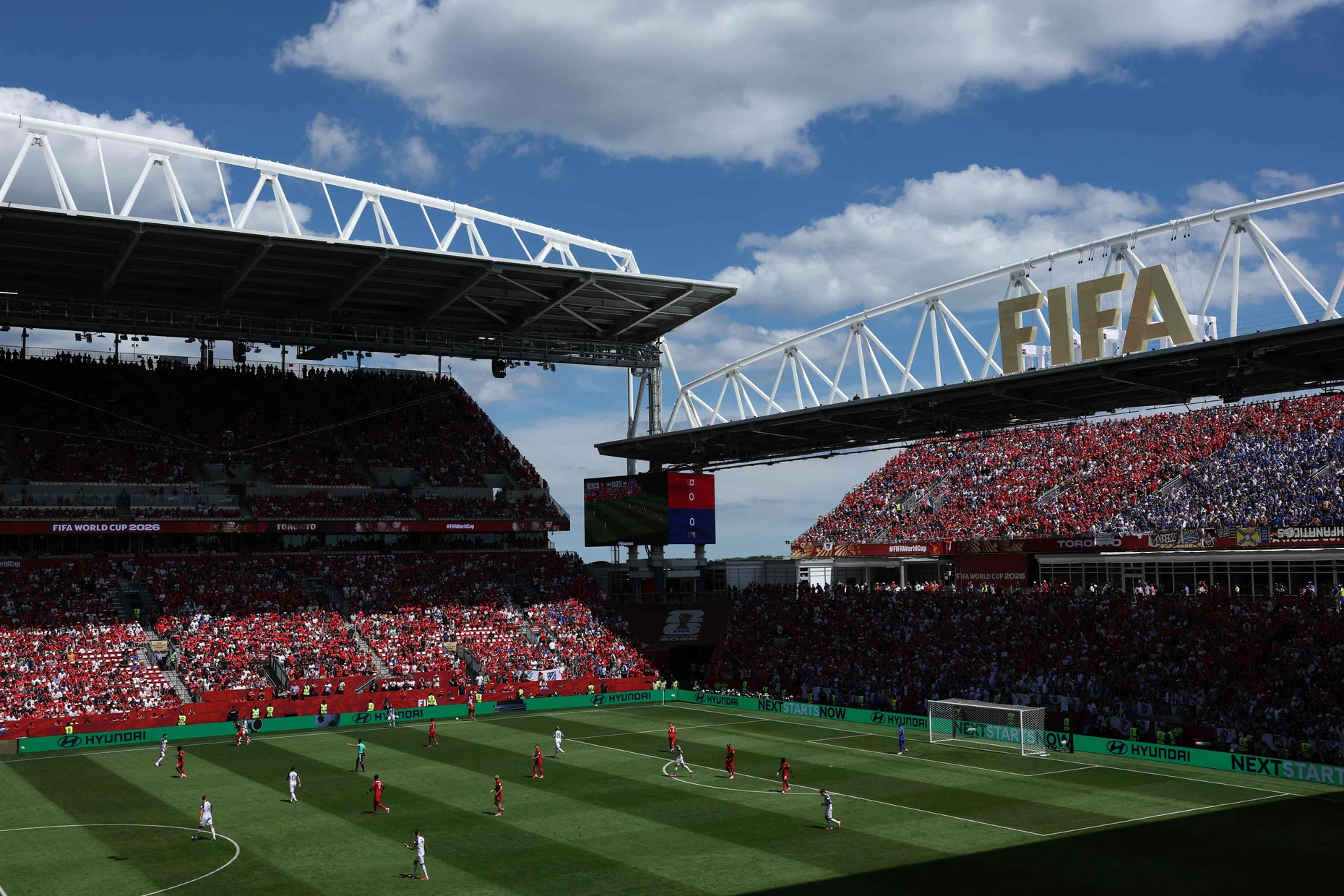
When the Canadian national team took to the pitch at the BMO Field on June 12 for their opening group match against Bosnia-Herzegovina, the atmosphere was electric. The resulting 1:1 draw marked a historic milestone: Canada’s first-ever point at a men’s World Cup.
For Chris Shewfelt, a manager at Toronto FC, the experience is bittersweet but inspiring. Having spent months overseeing the transformation of the BMO Field into a FIFA-compliant venue—which included replacing 20 centimeters of soil and installing a hybrid surface of 95% natural grass reinforced with 5% synthetic fibers—Shewfelt sees the stadium’s role as the heartbeat of the city’s football fever. "Even for the city, it would have been a remarkable event," he reflects on the missed opportunity for an Italy-Canada clash. Yet, he acknowledges that the current reality is perhaps more fitting for a nation built on immigration.
Chronology of a Transformation
The evolution of football in Canada is a relatively recent phenomenon, accelerating rapidly over the last two decades. Once overshadowed by ice hockey and basketball, football (or soccer, as it is colloquially known) has surged to become the most popular youth sport in the country. This shift is inextricably linked to Canada’s demographic landscape.
- Pre-Tournament: The BMO Field, originally a modest stadium, underwent a temporary expansion to increase its capacity to 45,000, adding 17,000 seats to accommodate the influx of fans.
- June 12: The official kickoff for Toronto’s World Cup journey with Canada vs. Bosnia-Herzegovina.
- Upcoming: The German national team is slated to face the Ivory Coast in a high-stakes match this Saturday at 10:00 PM, drawing in fans of European clubs who are eager to see stars like Antonio Rüdiger, Florian Wirtz, and Kai Havertz on home soil.
Supporting Data: The Multicultural Engine
Toronto’s demographic reality is the engine driving this tournament. According to Sharon Bollenbach, who leads the FIFA secretariat for the City of Toronto, more than half of the city’s residents were born outside of Canada.
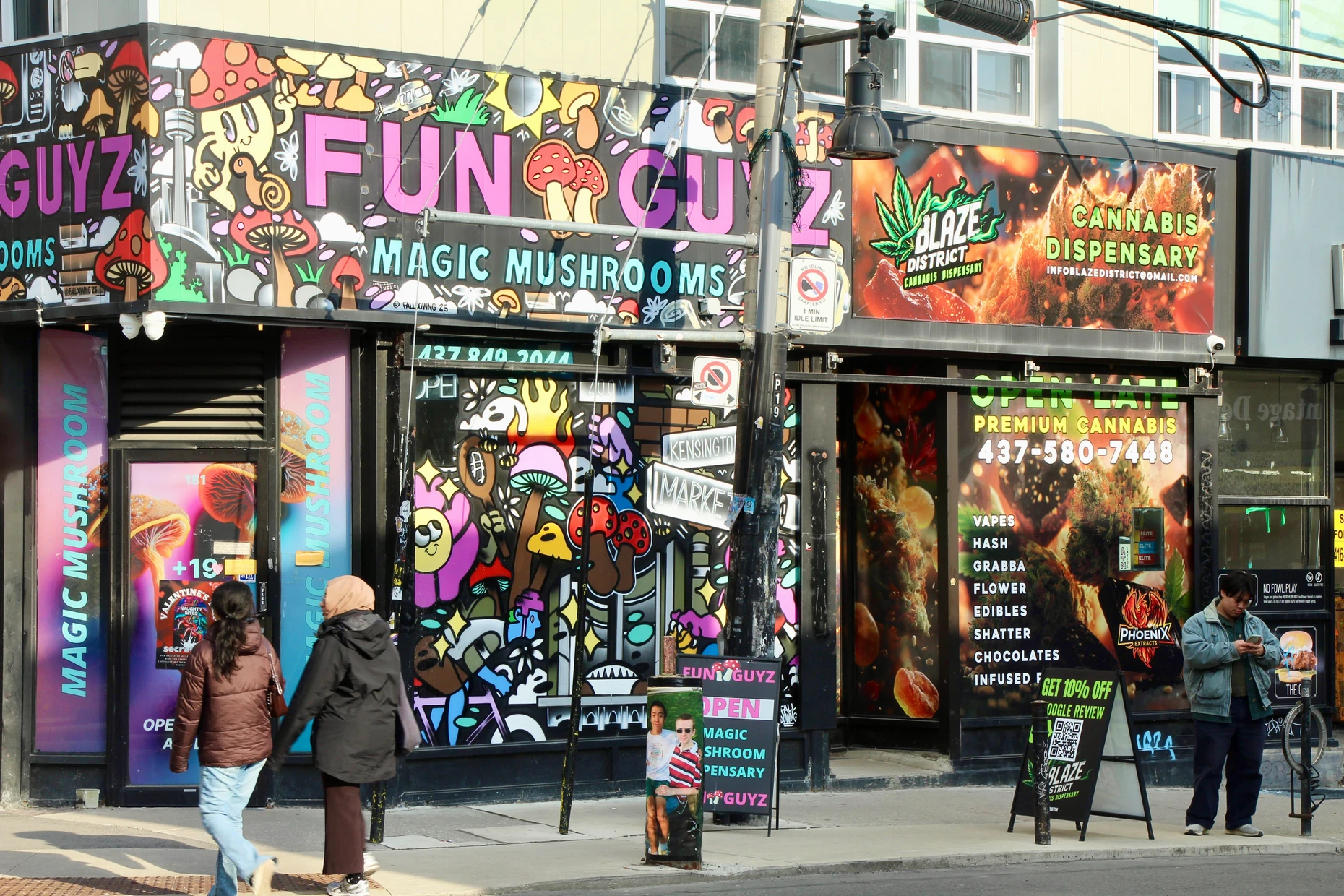
"They came from more than 200 countries and brought their preferences with them—including a passion for football," Bollenbach explains. This diversity is visible in the Kensington Market district, where the culinary and cultural influences of the world converge. From Tibetan momos to Jamaican patties and Swedish cinnamon rolls, the neighborhood serves as a microcosm of the city’s ethos.
The economic implications are equally significant. The local fan clubs for nations like Ghana, the Ivory Coast, and Senegal have pooled their resources to create a shared fan zone in Downsview Park. This cooperation serves a dual purpose: it mitigates the high costs of hosting and fosters a spirit of camaraderie where fans of one team shift their support to others if their favorites are eliminated.
Official Responses and Perspectives
The city’s approach to the tournament has been met with both praise and criticism. While social media users have pointed to Toronto hosting the smallest venue of the 16 host cities, local officials remain defiant. "We won’t apologize for that," says Bollenbach. "On the contrary: our stadium is unique in its intimacy. Nowhere else will the spectators be so close to the action."
Mayor Olivia Chow has emphasized that the city’s investment—roughly 158 million CAD—has been strategically allocated. Rather than focusing solely on the stadium, the city prioritized transit infrastructure, public fan zones, and new community football pitches in the suburbs that will benefit citizens long after the final whistle blows in 2026.
Implications: A New Model for Global Events
The Toronto experience suggests that the future of international sporting events lies in sustainability and inclusivity rather than "bigger is better" infrastructure.
The "Sorry" Culture of Safety
Toronto is frequently cited as one of the world’s safest cities, a reputation that has not gone unnoticed by international visitors. The local propensity for polite social interactions—often jokingly attributed to the immigrant experience where "excuse me," "please," and "thank you" are the foundational vocabulary of new arrivals—has created a welcoming environment for tourists.
Economic and Travel Realities
For those planning to visit or navigate the city during the remaining matches, the logistics are well-defined:
- Entry: German passport holders require an Electronic Travel Authorization (eTA), which is typically processed within minutes. Authorities warn travelers to avoid "imitation" websites that charge exorbitant fees for this service; the official government fee is capped at 7 CAD.
- Transit: The BMO Field’s location is a logistical triumph compared to US venues often buried in sprawling suburbs. The "Exhibition Loop" streetcar stop and the Lakeshore West GO Transit line provide seamless access to the city center for a fraction of the cost found in other host cities.
- Accommodations: While hotel prices have surged, the market remains more stable than in American host cities. Options range from the high-end Hotel X to more economical solutions provided by the University of Toronto’s Scarborough campus, which offers multi-bedroom units for groups.
A Legacy Beyond the Pitch
The story of Alphonso Davies, the Ghanaian-born Canadian superstar currently playing for Bayern Munich, serves as the ultimate narrative arc for this tournament. His journey from a refugee camp to the global stage resonates deeply with Toronto’s 60,000-strong Ghanaian community.
As the tournament progresses, Toronto is proving that a World Cup can be more than just a series of matches. It is a stage where the "multicultural mosaic" of Canada is on full display. The city is not merely hosting games; it is validating the idea that a society can maintain its varied roots while unified by a common passion. Whether it is the aroma of Waakye rice dishes in a local bakery or the sound of multiple languages cheering in unison at the BMO Field, Toronto is setting a standard for how a global city embraces the beautiful game.
For the fans from Germany, Africa, or anywhere else, the message from Toronto is clear: the city is ready, the streets are safe, and the welcome is as genuine as the football is competitive. The tournament, in all its intimacy and complexity, is a testament to the resilience and openness of a city that continues to grow, one goal at a time.