

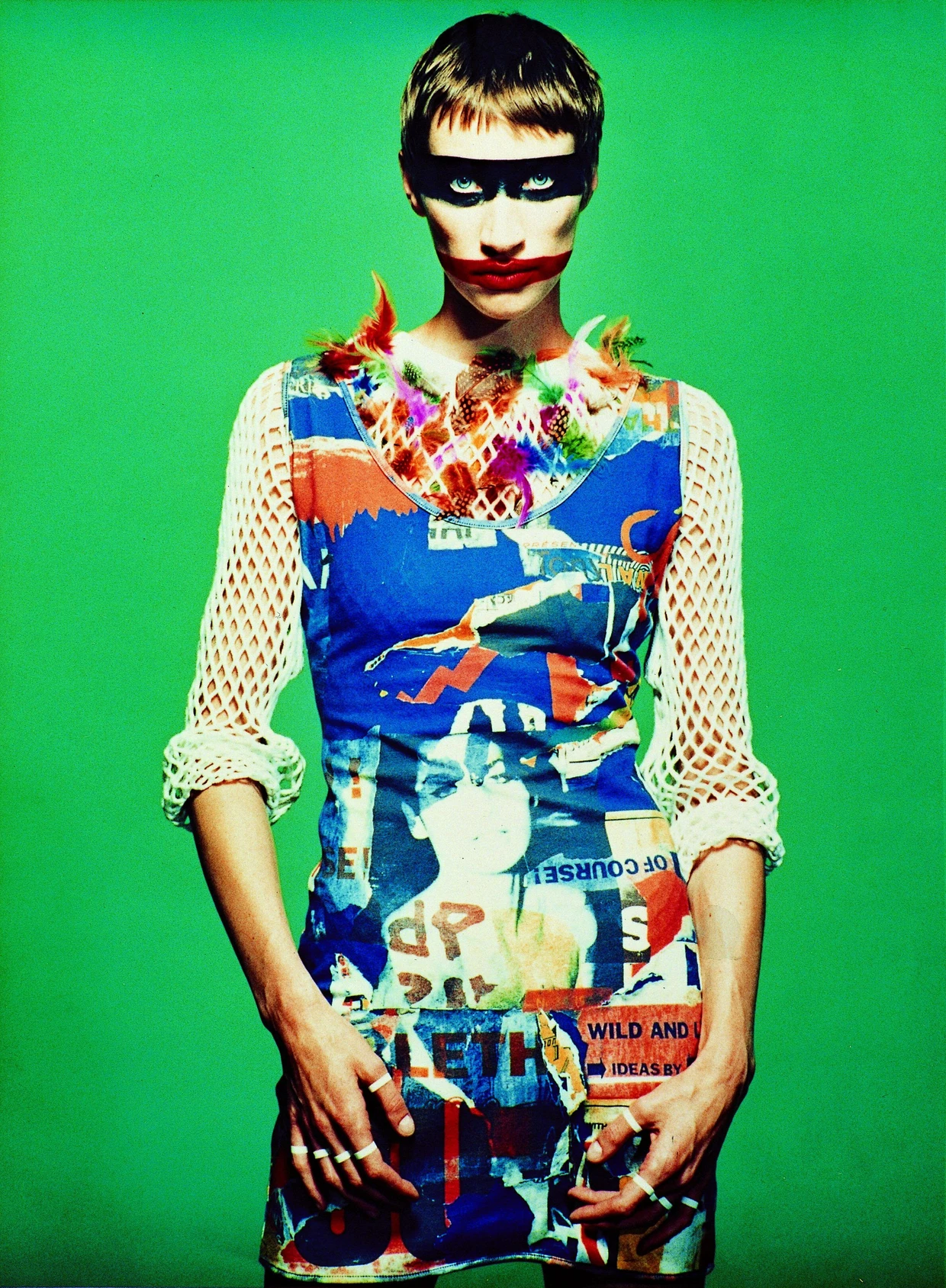
The Chaotic Genesis of a Global Phenomenon
The history of fashion is often written in the polished, sterile halls of Paris or Milan. But the story of the "Antwerp Six" began in a scene of refreshingly chaotic, unmistakably Belgian disarray. In March 1986, a group of young graduates from the Royal Academy of Fine Arts in Antwerp prepared for their pilgrimage to the British Designer Show in London. They packed their half-dozen collections into a rented camping van, only to realize, moments before departure, that the keys were missing. To this day, no one knows who lost them, nor who miraculously retrieved them, but the incident almost derailed the trip that would eventually redefine the global fashion landscape.
The group consisted of friends and creative cohorts: Marina Yee, Dirk Bikkembergs, Walter Van Beirendonck, Dirk Van Saene, and Dries Van Noten. The original sextet was not even fully present; Ann Demeulemeester, the visionary behind the deconstructivist movement, was pregnant and decided to stay behind. Yet, in a testament to their camaraderie, she entrusted her sunglasses collection to Geert Bruloot, ensuring the group remained six in spirit and inventory.
Chronology: From Obscurity to Icon Status
The London Baptism (1986)
Upon arriving in London, the reality of their status was sobering. The designers, all under thirty, were relegated to a sixty-square-meter booth in the furthest, least-trafficked corner of the exhibition hall. The first day passed in total silence—not a single buyer visited their stand. Refusing to accept defeat, the six designers printed their own flyers and spent hours navigating the venue to distribute them.
The strategy worked. The curiosity of the industry was piqued, and by the second day, their booth was a hub of activity. Buyers from major department stores in Paris, Amsterdam, New York, and San Francisco began placing orders. However, a final hurdle remained: their Flemish surnames were notoriously difficult for British tongues to pronounce. The media, struggling to label this influx of unconventional talent, collectively coined the term "The Antwerp Six." The name stuck, and the port city of Antwerp was suddenly catapulted onto the global stage, positioning itself as a more rebellious, intellectual alternative to the established fashion capitals.
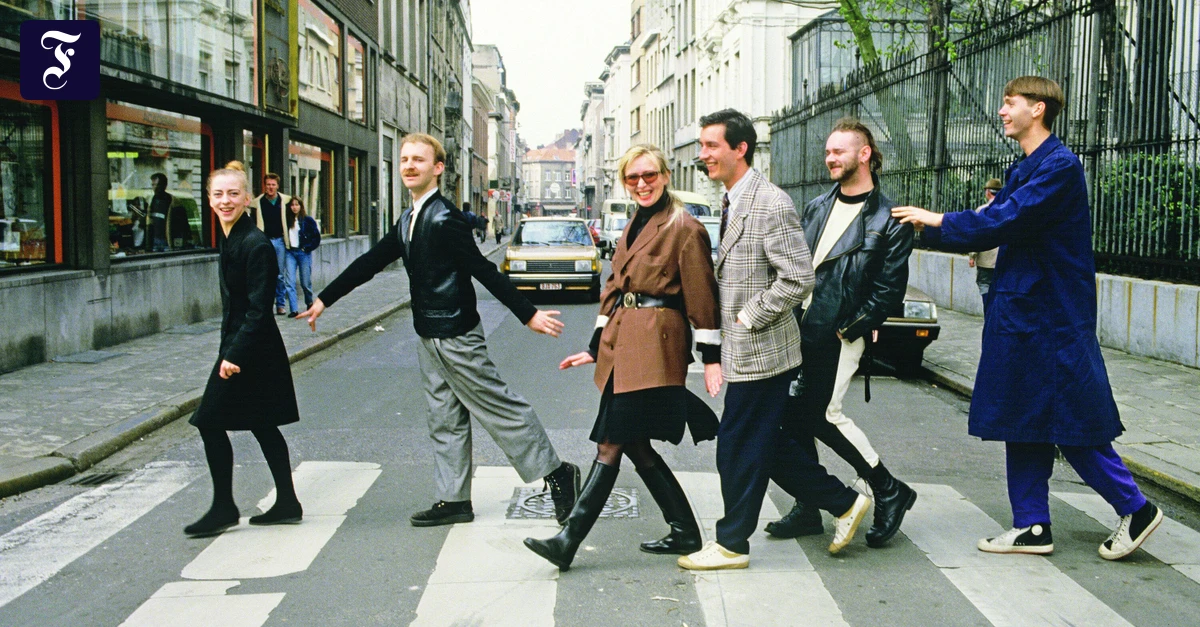
The Rise of a Creative Ecosystem (1990s–2010s)
The following decades saw the six designers diverge into their own distinct artistic identities. Dirk Van Saene, reflecting on the era, recalls an environment where competition was non-existent. "We were all friends," he notes. The city of Antwerp, then undergoing a massive urban shift as its port relocated, provided a playground of abandoned warehouses and industrial spaces that fostered this collaborative spirit.
As the years progressed, the "Six" evolved. By 2011, Dirk Bikkembergs had presented his final collection. In 2013, Ann Demeulemeester departed her eponymous label to pursue furniture and ceramic design. Dries Van Noten, perhaps the most commercially successful of the group, transitioned into a new chapter by handing over his Creative Director role in 2022. The tragic passing of Marina Yee in late 2023 marked the end of an era for the group as a whole, yet their influence persists through the generations of talent that followed them at the Royal Academy.
Supporting Data: The Legacy of the Academy
The Royal Academy of Fine Arts in Antwerp remains a powerhouse of fashion education. The pedigree of its alumni—who have gone on to lead some of the most prestigious houses in the world—is staggering. The list includes Meryll Rogge (Marni), Glenn Martens (Maison Margiela and Diesel), Raf Simons (Prada), Pieter Mulier (Alaïa), and Demna (Balenciaga).
While the "Antwerp Six" was a unique, lightning-in-a-bottle moment of synergy, the "Antwerp DNA" remains consistent. It is characterized by an informal tone, a deep respect for craftsmanship, and a familial atmosphere that defies the cutthroat nature of the broader industry.
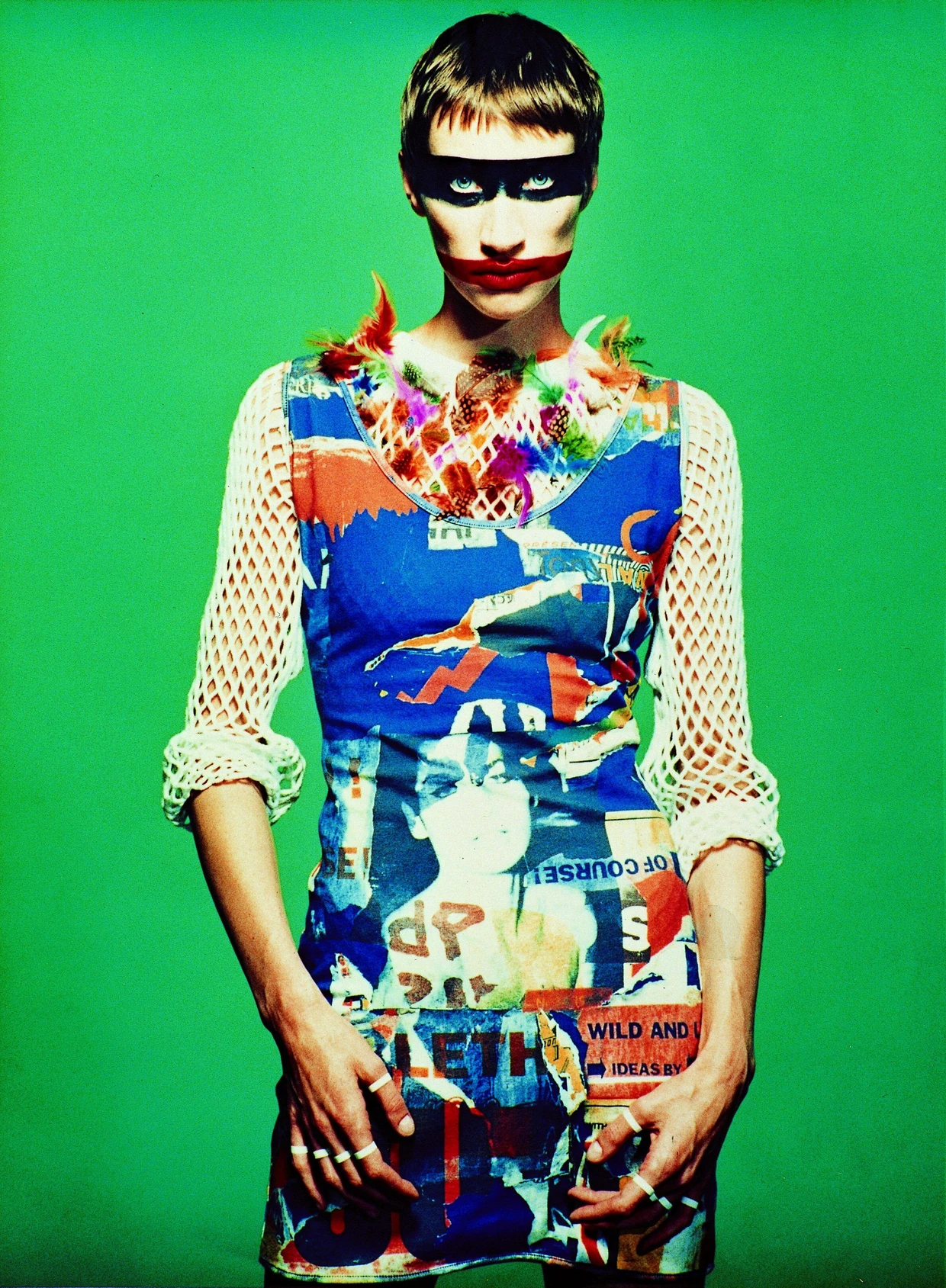
The MoMu Retrospective: A Four-Decade Celebration
To mark the 40th anniversary of their London breakthrough, the MoMu (Fashion Museum) in Antwerp has launched a monumental exhibition titled "The Antwerp Six." The exhibit offers a comprehensive journey through the decades, starting with a recreation of that humble 1986 booth and the very flyers that saved their careers.
The exhibition highlights the divergent trajectories of the designers:
- Dries Van Noten: A master of "tableaux vivants," blending vibrant prints, intricate embroidery, and eclectic patterns.
- Ann Demeulemeester: The architect of fluid, gothic-tinged silhouettes and the iconic androgyne aesthetic.
- Dirk Bikkembergs: Known for his structural approach, emphasizing raw masculinity and athletic precision.
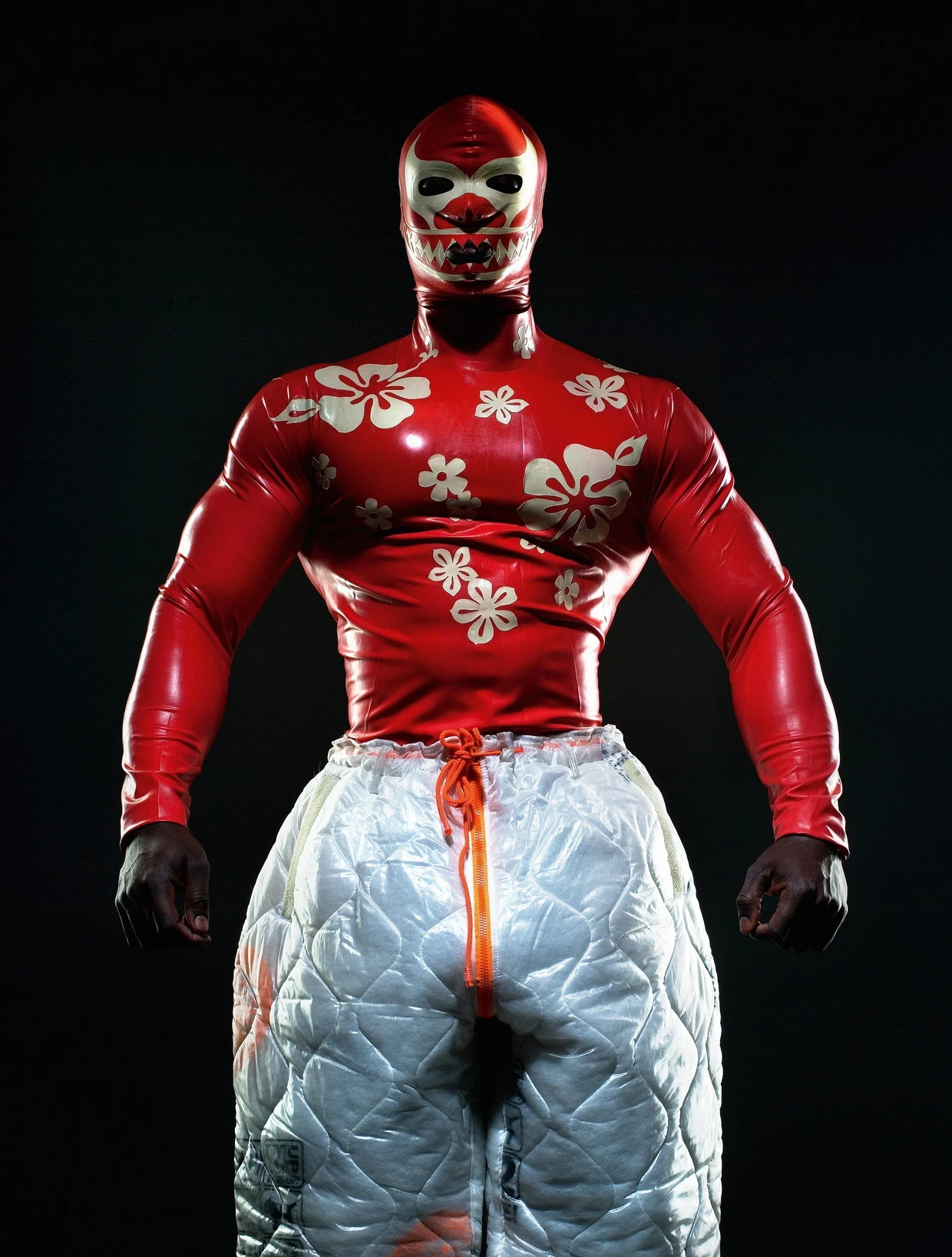
- Walter Van Beirendonck: A provocateur who treats the world as a pop-infused, fetishistic playground, consistently pushing the boundaries of what is wearable.
- Dirk Van Saene: A surrealist who integrates trompe-l’œil effects into his intricate designs.
- Marina Yee: A pioneer of upcycling, whose work is celebrated through a recreation of her "Shabby-Chic" atelier.
Implications for Modern Fashion
The "Antwerp Six" did more than just design clothes; they changed the philosophy of the fashion business. They demonstrated that fashion could be intellectual, sustainable, and local without sacrificing global appeal.
Sustainability as the New Standard
Today, the streets of Antwerp—particularly between the Vrijdag Markt and the Bourla Theater—reflect a shift toward conscious consumption. Shops like Rosier 41 sell second-hand luxury, while boutiques like Maison Anna Heylen operate strictly by appointment, utilizing exclusively local or European materials. Newer initiatives, such as REAntwerp, founded in 2023, focus on deconstructing deadstock from various designers to create new, circular collections.
The "Wild Side" Meets Corporate Reality
The era described by Time Magazine in the 1980s as "Look on the Wild Side" is largely a memory. The underground beats of the 90s have been replaced by the steady click of tourist luggage wheels. While the city has gentrified, the mark of the designers remains visible in the public space. From the custom-designed bench by Ann Demeulemeester in front of the Museum of Fine Arts to the botanical concepts by Dries Van Noten in the Rubens House garden, the designers have physically woven themselves into the fabric of the city.
A Taste of the Avant-Garde
Perhaps the most peculiar, yet fitting, testament to their legacy is the recent collaboration with chocolatier Julius Persoone. Named "Chocolatier of the Year" by Gault & Millau in 2023, Persoone created the "MoMu Chocolate Collection," where each of the twelve pralines is inspired by a specific silhouette from the Antwerp designers. A praline inspired by Van Beirendonck’s "Wonderland" collection features notes of fermented squid and cherry blossom, while Dries Van Noten’s praline balances coconut, cardamom, and Kaffir lime. It serves as a culinary reminder that Antwerp fashion was, and remains, an acquired, sophisticated, and daring taste.
Visitor Information:
The "The Antwerp Six" exhibition at the MoMu (Nationalestraat 28, www.momu.be) is open Tuesday through Sunday, 10:00 AM to 6:00 PM, until January 17, 2027. Further tourist information can be found at www.visit.antwerpen.be.












Leave a Reply