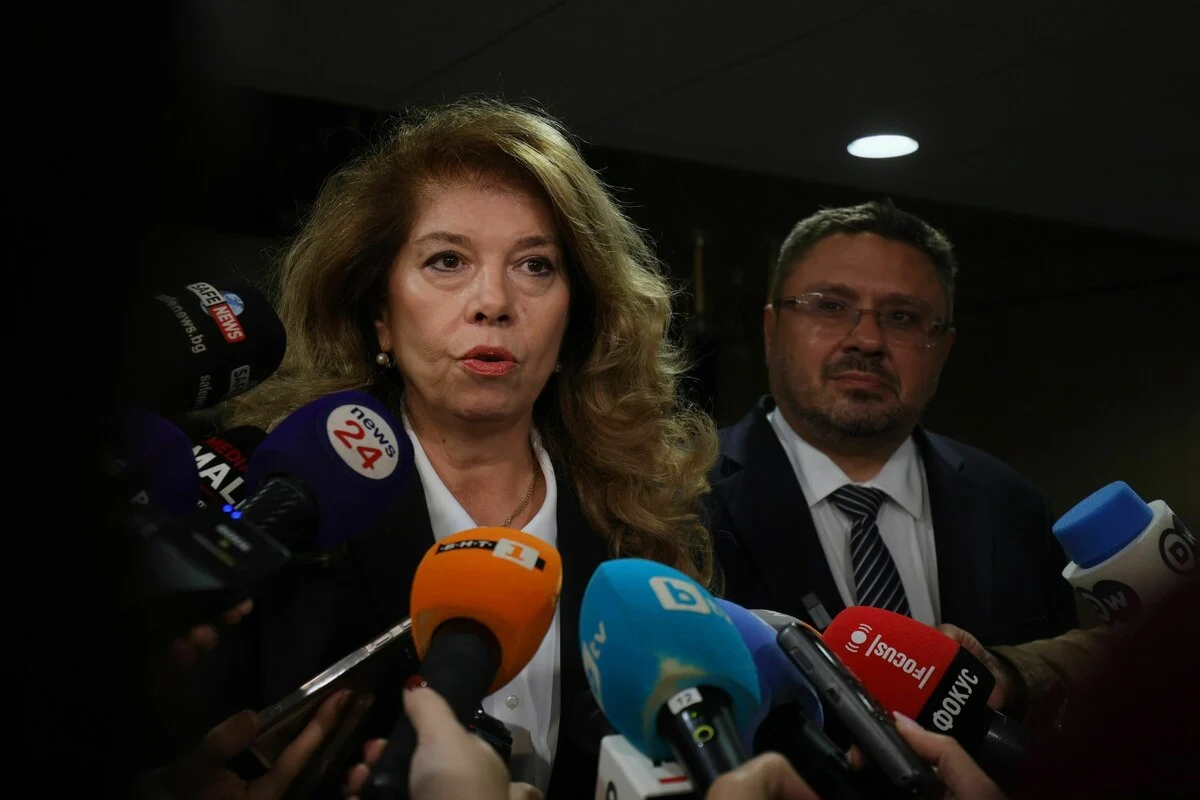
The political landscape in Bulgaria is undergoing a significant stress test as the country’s presidential election heads to a decisive second round. Following a first round of voting that saw lower-than-anticipated turnout and a surprisingly narrow margin between the top two contenders, the nation finds itself at a crossroads. Incumbent President Ilijana Jotowa, who entered the race as the clear frontrunner, now faces a formidable challenge from the pro-Western economist and former interim government head, Andrej Gjurow.
The results, confirmed by data from the Mjara polling institute, indicate that no candidate secured the absolute majority required to win in the first instance. With a voter turnout languishing at a mere 22.2 percent—far below the 50 percent threshold needed for a definitive mandate—the Bulgarian electorate will return to the polls next Sunday to determine the country’s next head of state.
The First Round: A Statistical Surprise
The initial projections from Mjara revealed a political reality that defied pre-election polling. President Ilijana Jotowa, a seasoned political figure, secured 35 percent of the vote. While she maintained her lead, her margin over her closest challenger was thinner than expected. Andrej Gjurow, the 50-year-old reform-minded economist, managed to capture 31.9 percent of the vote.
Political analysts had widely predicted a much larger gap between the two, suggesting that Gjurow’s campaign has successfully tapped into a vein of voter dissatisfaction that was previously underestimated. Gjurow, who represents a pro-Western, reform-oriented coalition, has now emerged as a viable alternative to the status quo, setting the stage for a high-stakes duel in the runoff.
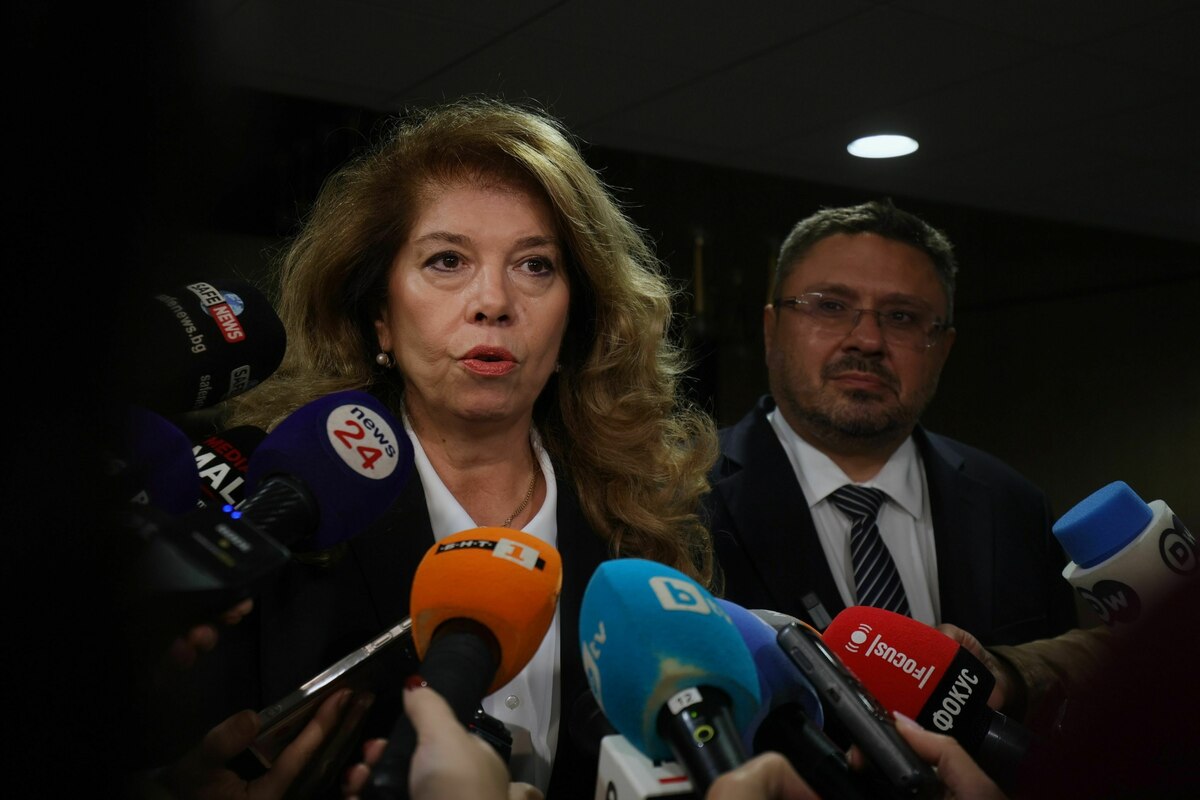
Chronology of the Campaign and Current Political Climate
The run-up to the first round was characterized by a distinct lack of direct engagement between the top candidates. Despite the importance of the office, the campaign period saw no formal debates between Jotowa and Gjurow, a vacuum that many voters and pundits criticized as a missed opportunity for transparency.
Following the announcement of the preliminary results, the atmosphere shifted immediately. Gjurow, sensing momentum, issued a direct challenge to the incumbent: "We should both present ourselves to the Bulgarian citizens in an open, honest, and civilized debate," he stated. This call for a televised confrontation highlights the newfound urgency in his campaign, as he seeks to capture the votes of those who backed eliminated candidates in the first round.
The political context is further complicated by the legacy of former President Rumen Radew, whose resignation in early 2026 left a void that Jotowa, his former deputy, has attempted to fill. The ongoing debate revolves around whether the presidency should serve as a check on executive power or remain aligned with the current governmental trajectory.
The Geopolitical Shadow: The Ukraine Factor
While the presidency is a largely symbolic office with limited executive authority compared to systems like that of France, the position holds immense weight as the commander-in-chief of the armed forces and as a voice for the nation’s foreign policy. This has never been more relevant than now, with the conflict in Ukraine raging just hundreds of kilometers from Bulgaria’s borders.

The security environment in the region has deteriorated significantly. In October, four merchant ships in the Bulgarian Black Sea were reportedly struck by drones. Furthermore, acts of sabotage against critical infrastructure, such as the arson attacks on Starlink satellite internet terminals near Sofia—technology vital to Ukrainian defense efforts—have brought the reality of the war to the doorstep of the Bulgarian public.
This proximity has polarized the electorate. The upcoming runoff is essentially a referendum on Bulgaria’s strategic orientation. Gjurow advocates for a decisively Western-aligned stance, pushing for greater integration with NATO and a more proactive role in supporting regional security. Conversely, Jotowa reflects the more cautious, skeptical approach championed by the previous administration under Rumen Radew.
Radew, and by extension the wing of the political establishment represented by Jotowa, has expressed explicit opposition to the creation of a specialized Ukraine tribunal, arguing that Russia has not yet been "defeated." The government has also blocked participation in certain EU financial aid packages for Kyiv. Jotowa has consistently campaigned on a platform of "peace through negotiation," a message that resonates with a segment of the population wary of the economic and geopolitical costs of the conflict.
Institutional Limitations vs. Political Influence
It is essential to contextualize the role of the Bulgarian President within the national constitutional framework. Unlike a head of government, the president cannot dissolve the cabinet or initiate broad legislative changes. However, the office possesses a vital "veto" power, allowing the occupant to send legislation back to the National Assembly for reconsideration.

Because of this, the balance of power between the President and the Prime Minister is delicate. The opposition, supporting Gjurow, has argued that the country cannot afford a situation where the President and the government represent the same political camp, as this would remove the necessary checks and balances. Gjurow noted in the aftermath of the vote, "I believe that Bulgaria needs an active president who brings balance against the concentration of power."
Supporting Data and Voter Sentiment
The exceptionally low turnout of 22.2 percent serves as a damning indictment of voter engagement in the current political cycle. This apathy is not new to the region; recent trends across the Balkans suggest that populist rhetoric and economic stagnation have contributed to a growing disillusionment among the electorate.
When comparing Bulgaria to other nations in the region, economic data paints a bleak picture. While liberal-leaning economies in Central Europe, such as Poland and Hungary, have seen periods of industrial growth, nations like Bulgaria, Serbia, and Romania have struggled to maintain momentum. Analysts suggest that this economic malaise is directly linked to political instability and the prevalence of populism, which often prioritizes short-term political survival over long-term structural reform.
Implications for the Runoff and Beyond
As the nation prepares for the final round, several key factors will dictate the outcome:

- Consolidation of the Opposition: Gjurow must successfully court the voters who supported the smaller, defeated candidates. His ability to build a "big tent" coalition against the incumbent will be the primary test of his leadership.
- Mobilization: The low turnout in the first round is a major concern for both parties. The side that manages to "get out the vote" among the disenfranchised and the undecided will likely emerge victorious.
- The Debate: If a debate occurs, it will serve as the most critical event of the campaign. For Gjurow, it is a chance to prove his statesmanship; for Jotowa, it is a chance to defend her record and frame her opponent as inexperienced or radical.
- Foreign Policy Narrative: The candidates must decide how much emphasis to place on the Ukraine war. While Gjurow will likely push for a stronger, clearer stance on security, Jotowa will continue to play to the anxieties of voters concerned about the impact of the war on the domestic economy.
Conclusion: A Nation at a Crossroads
Bulgaria’s presidential election is far more than a contest between two individuals; it is a fundamental debate about the identity of the nation in the 21st century. Will the country align itself more closely with the collective security and political ideals of the European Union and NATO, or will it persist in its current policy of cautious neutrality and internal skepticism?
The narrow margin between Jotowa and Gjurow suggests that the country is almost evenly divided. The coming days will be filled with intense lobbying, political maneuvering, and high-stakes communication. As the candidates head into the final week of campaigning, the eyes of the region—and the broader international community—will remain fixed on Sofia. The outcome of the runoff will not only determine who sits in the presidential palace but will also set the tone for Bulgaria’s role in the increasingly volatile European security architecture.
For now, the voters remain the final arbiters of this process. Whether they choose the experienced incumbent or the fresh, reform-minded challenger will be the defining story of Bulgarian politics for the next five years.