In a move that marks a pivotal chapter in the history of the German industrial titan, Robert Bosch GmbH has announced a comprehensive restructuring of its organizational architecture. As the technology and automotive giant faces a confluence of geopolitical instability, sluggish global growth, and mounting pressure from international competitors—particularly from China—the company is carving out its core divisions into independent legal entities. This transition, which will impact approximately 62,500 employees, is aimed at streamlining decision-making and bolstering the firm’s long-term financial health.
The Core of the Restructuring: Decentralization as Strategy
The reorganization will see the transformation of the mobility division, central internal service departments, IT, and real estate operations into distinct, independent subsidiary companies. While these units will operate under their own legal frameworks, the leadership at the company’s Gerlingen headquarters has emphasized that they remain integral components of the broader Bosch Group.
Bosch CEO Christian Fischer framed the initiative as a necessary evolution. "The objective is to sustainably increase the earning power of the entire group so that we can continue to finance technological breakthroughs from our own resources," Fischer stated. By granting these units greater autonomy, Bosch aims to shed the bureaucratic weight often associated with massive, centralized conglomerates.
Chronology of the Transformation
The transition is not an overnight occurrence but a meticulously planned multi-year process. Bosch intends to finalize the structural changes by the end of 2027.
- Foundation and Precedent: Bosch has historically utilized subsidiary models for its industrial technology, consumer goods, and energy/building technology sectors. The current announcement effectively brings the mobility and service divisions into alignment with this existing operational model.
- Implementation Phase: Throughout the next two years, the legal and administrative groundwork will be laid to ensure the seamless transition of employment contracts.
- Operational Launch: The new, independent legal entities are scheduled to commence full-scale operational activities on August 1, 2027.
The continuity of the workforce remains a primary focus of the transition. Bosch has explicitly stated that existing employment contracts will transfer to the new entities, ensuring that pay scales, seniority, and working conditions remain unaffected by the legal shift.
Mobility: The Engine Under Pressure
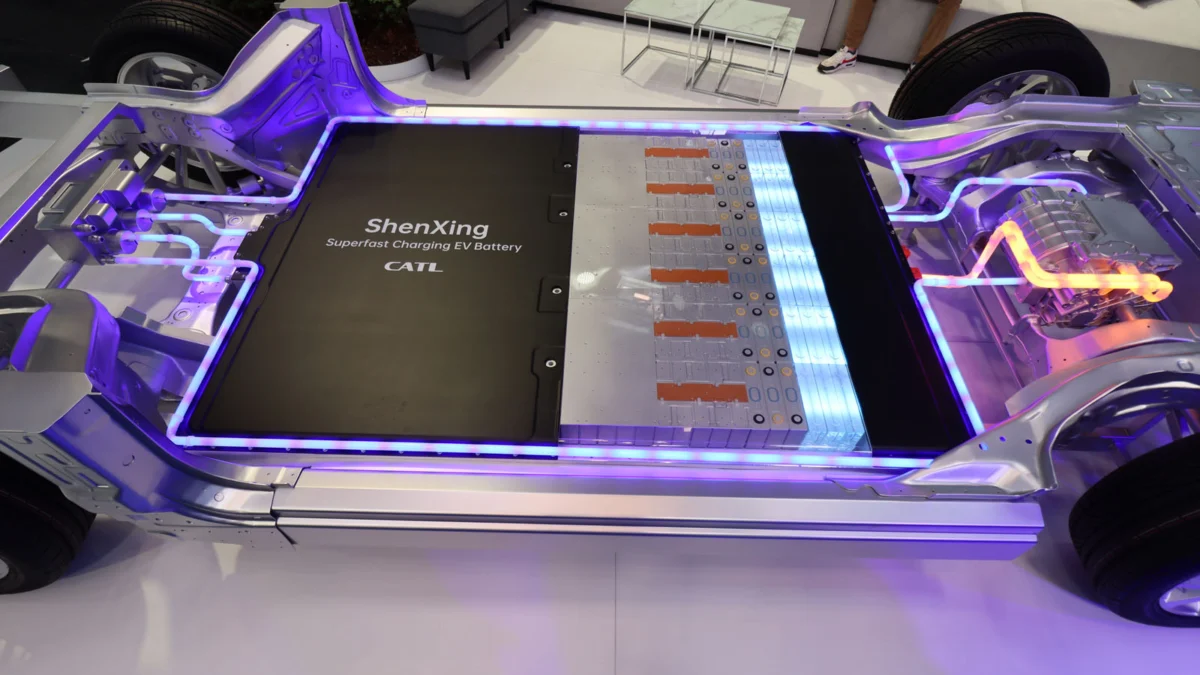
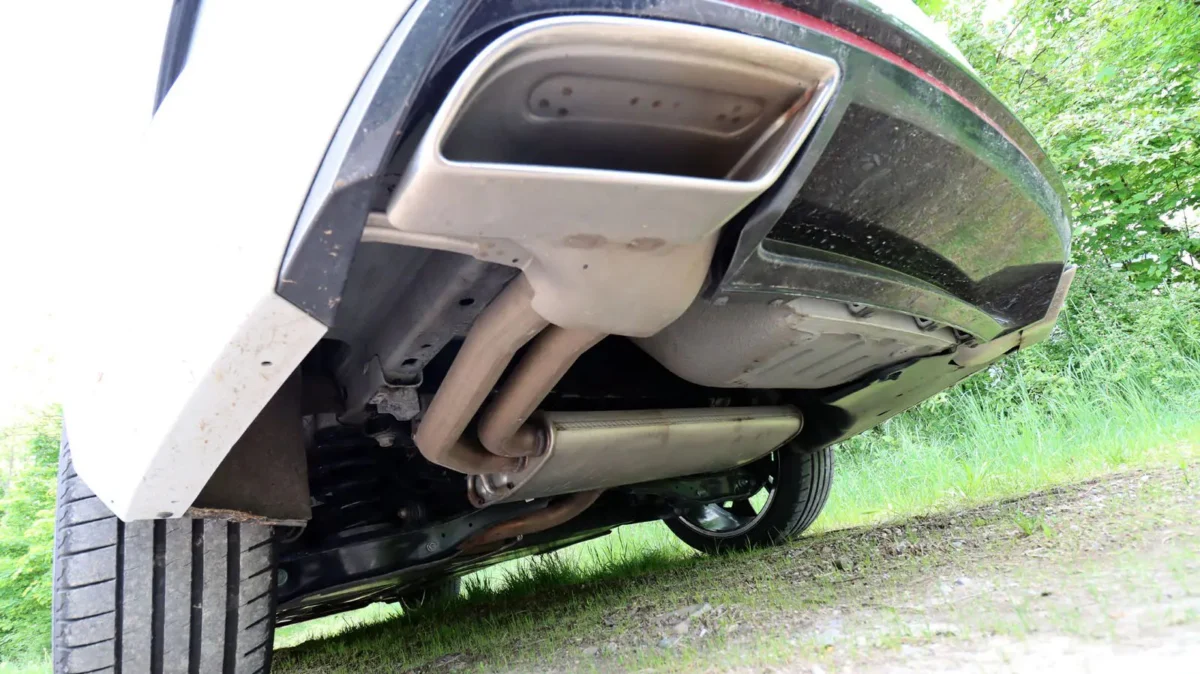
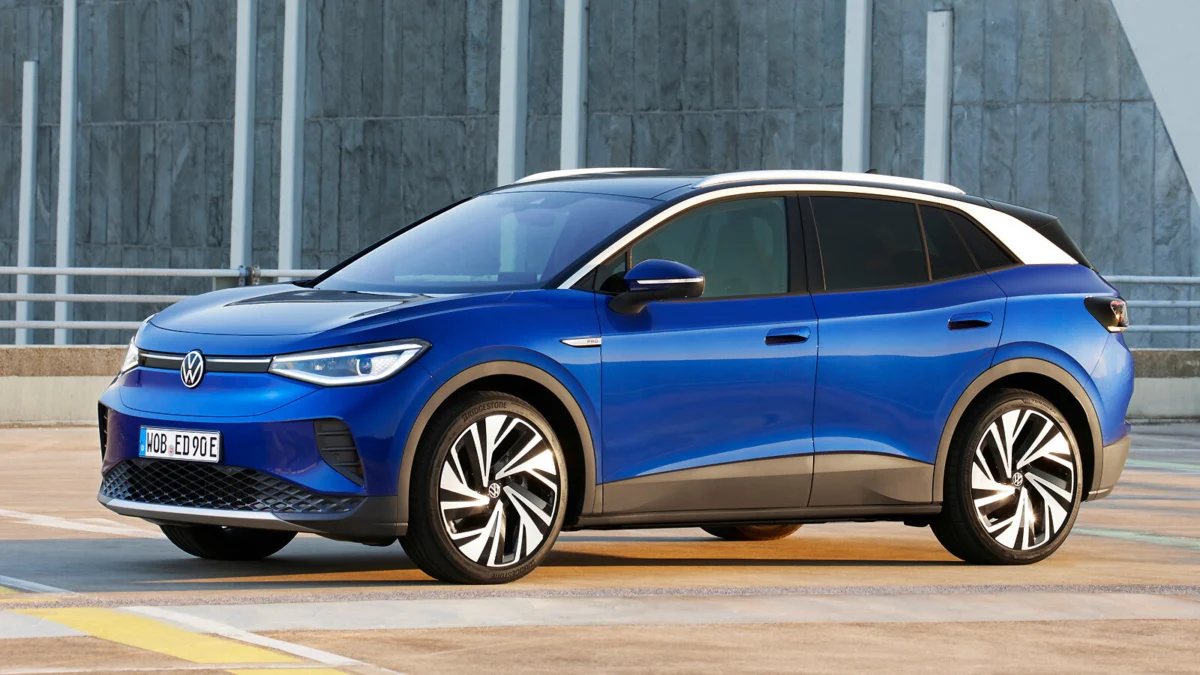
The mobility division remains the crown jewel of the Bosch portfolio. In 2025, this sector generated €55.8 billion in revenue, accounting for roughly 61 percent of the total group turnover. However, the automotive landscape is currently undergoing a painful metamorphosis, characterized by a transition to electric vehicles and a cooling of production demand in traditional markets.
By establishing "Bosch Mobility" as a standalone company, leadership believes the division can react with greater agility to market shifts and align itself more precisely with evolving customer requirements. "At the same time, we are creating new scope for strategic partnerships and future growth fields," Fischer noted. As one of the few suppliers with a robust presence in every major global region, Bosch views this independence as a mechanism to defend its market share against increasingly nimble competitors.
Supporting Data: Economic Context and Financial Performance
The restructuring comes at a time when the broader automotive supply industry is struggling to maintain profitability. In the first half of 2026, Bosch reported a 3.6 percent increase in revenue compared to the same period in the previous year, reaching €46.4 billion.
However, a closer look at these figures reveals the underlying volatility:
- Acquisition-Driven Growth: A significant portion of the growth was inorganic, fueled by the acquisition of the heating, ventilation, and air conditioning (HVAC) businesses of Johnson Controls and Hitachi. This move added approximately €2 billion to the top line.
- Profitability Concerns: Despite the revenue growth, the company’s operative earnings before interest and taxes (EBIT) fell from €2.3 billion to €2.2 billion. This erosion in margins highlights the cost-base challenges that the new structure is designed to address.
- Global Competition: Bosch has openly acknowledged that its cost structure is currently not competitive in several key segments, a situation exacerbated by the aggressive pricing strategies of Chinese market entrants.
Official Responses and Stakeholder Sentiment
The announcement has been met with a mix of cautious support and vigilance from labor representatives. Frank Sell, the head of the General Works Council for the mobility division, emphasized that the workforce is looking for clarity rather than just corporate jargon.
"The management promises more speed and competitiveness," Sell remarked. "For us, however, it is decisive that this restructuring is not carried out at the expense of our colleagues. The company and the employees must emerge from this process strengthened."
The management team has attempted to preemptively calm fears regarding further mass layoffs. A company spokesperson confirmed that this restructuring in itself does not trigger additional job cuts beyond those already announced. Bosch had previously communicated plans for significant reductions, including the shedding of roughly 900 jobs in Nuremberg—half of the local workforce—as part of a wider program to cut 25,000 jobs across Germany over the coming years.
Implications: The Long-Term Vision
The decision to reorganize is a clear signal that the "Bosch model" of the 20th century is being overhauled to suit the high-velocity, high-risk environment of the 2020s.
1. Agility in the EV Era
As the automotive industry shifts toward software-defined vehicles, the ability to pivot is paramount. By separating the mobility unit, Bosch can foster a culture that prioritizes rapid iteration and specialized R&D, rather than being forced to compete for capital and focus within a massive, diversified conglomerate.
2. Operational Efficiency
The separation of IT, real estate, and internal services into their own companies is a move designed to commoditize and professionalize these functions. By treating these as service providers to the wider group, Bosch expects to see clearer accountability and cost transparency.
3. Geopolitical Resilience
Operating in an era of heightened geopolitical risk, particularly with the instability caused by regional conflicts and shifting trade policies, requires a decentralized approach. Autonomous subsidiaries are better equipped to navigate local regulatory environments and supply chain challenges without dragging the entire global group into local crises.
4. Financial Sustainability
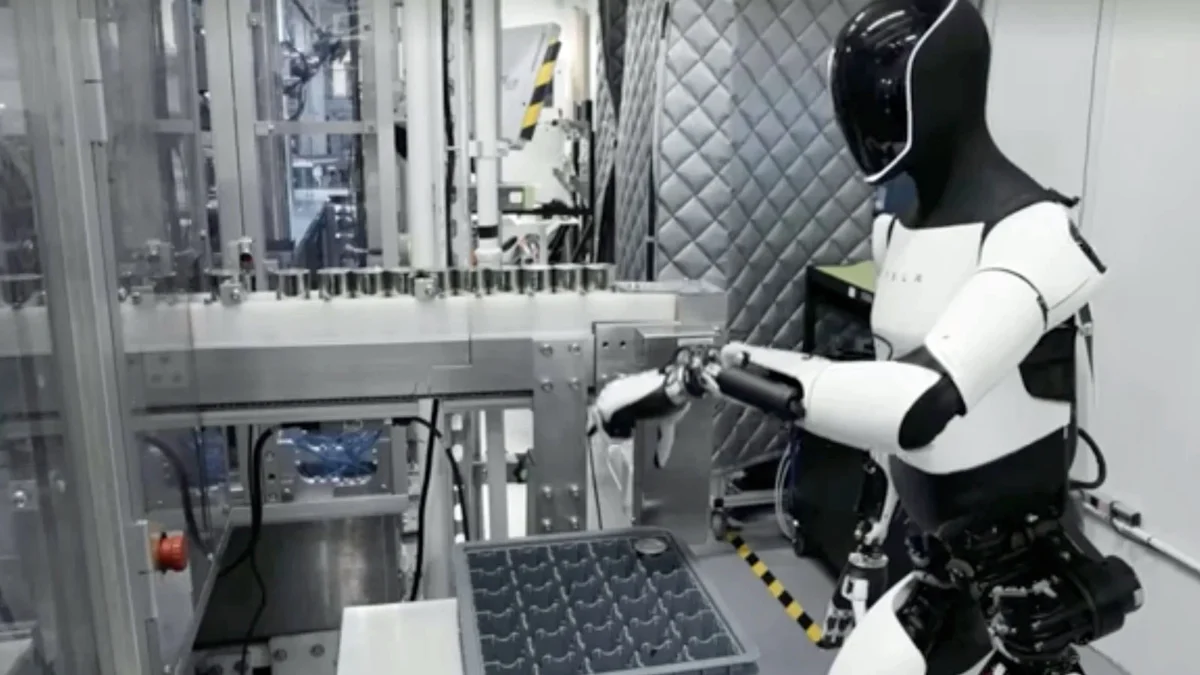
Perhaps most importantly, the restructure is a defensive mechanism against the threat of stagnation. By optimizing the cost base of each subsidiary, Bosch aims to recapture the profit margins that were once standard. This, in turn, provides the capital necessary for the R&D spending required to lead in emerging technologies such as hydrogen, advanced sensors, and AI-driven automation.
Conclusion
Bosch stands at a crossroads. While the company remains a dominant force in global engineering, the shift toward a decentralized structure acknowledges that the old ways of managing such a colossal entity are no longer sufficient. By August 2027, the "new" Bosch will emerge—not as a single monolithic block, but as a constellation of agile, specialized, and legally distinct entities.
The success of this transition will ultimately be measured by its ability to balance the cold, hard requirements of financial efficiency with the need to maintain the loyalty and motivation of a massive, specialized workforce. As the company moves forward, the global industrial sector will be watching closely to see if this structural evolution is enough to keep Bosch at the forefront of the technological frontier in an increasingly competitive world.