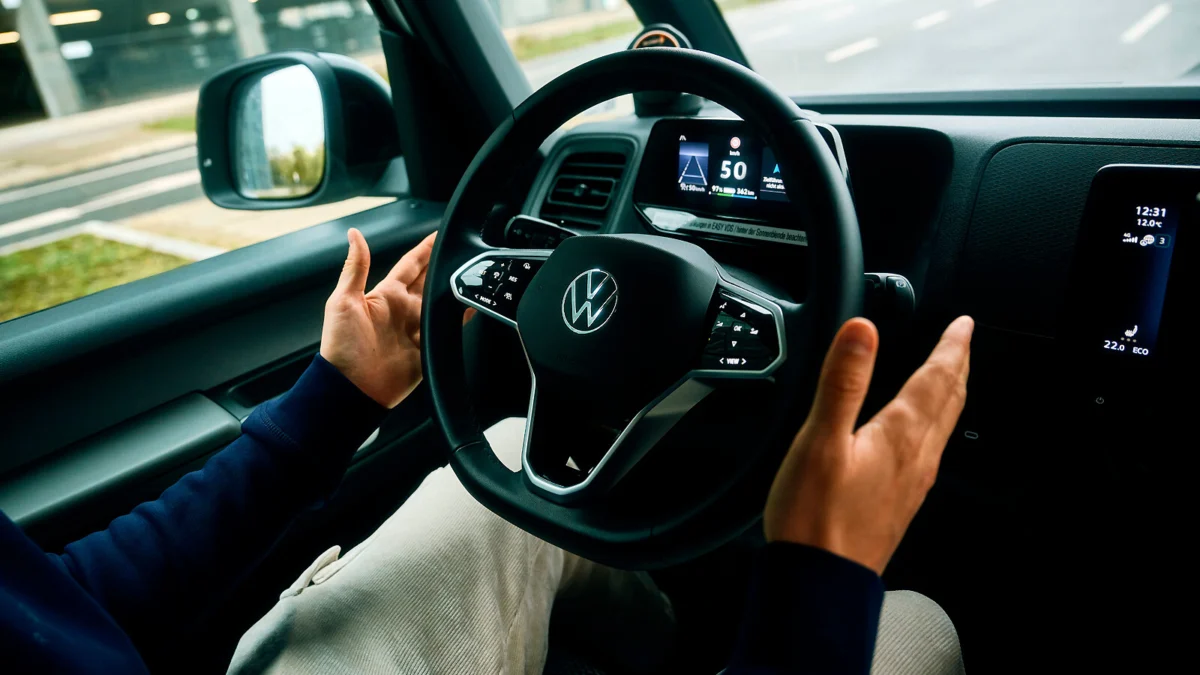
In a strategic pivot aimed at reclaiming its competitive edge in the rapidly evolving software-defined vehicle market, the Volkswagen Group is undertaking a major organizational overhaul. According to internal documents obtained by the German Press Agency (dpa), the automotive giant is consolidating its fragmented efforts in driver assistance systems (ADAS) and high-automation driving under a single, unified entity known as "OneTeam." This move signals a departure from the siloed development structures that have hampered the company’s progress in recent years and marks a critical milestone in the ongoing restructuring of its software subsidiary, Cariad.
Main Facts: The Genesis of "OneTeam"
The "OneTeam" initiative is designed to act as a centralized engine for European research and development concerning automated driving. By integrating the technical competencies of Cariad—the VW Group’s standalone software unit—with the specialized development teams of the group’s individual brands, Volkswagen aims to streamline decision-making and accelerate development cycles.
The new unit, which began its formation phase recently and is scheduled to become fully operational by November, will be led by Manuel Birke. Birke, who currently serves as the Chief Technology Officer for ADAS at Cariad, will occupy a pivotal dual-reporting role, answering directly to both the Audi Board of Management and the Cariad Board.
The primary objective is the creation of a "group-wide technology platform." Historically, VW brands have often developed proprietary software solutions, leading to redundancies, compatibility issues, and delayed rollouts. By centralizing this under "OneTeam," Volkswagen hopes to achieve the economies of scale that have long been the hallmark of its hardware manufacturing but have remained elusive in its software operations.
Chronology: A Trajectory of Transformation
The shift toward "OneTeam" is the latest chapter in a turbulent narrative that began under former CEO Herbert Diess and has been radically reshaped by his successor, Oliver Blume.
- The Diess Era: Cariad was established with the ambitious goal of developing a unified software stack ("E3") for the entire group. However, the project was plagued by technical delays, which contributed to the launch setbacks of key models like the Porsche Macan EV and the Audi Q6 e-tron.
- The Blume Pivot: Upon taking the helm, Oliver Blume initiated a "back-to-basics" approach. Recognizing that the company could not "do everything itself," he began shifting the strategy toward selective cooperation with tech-forward partners.
- Strategic Realignment (2023–2024): Throughout the last year, Cariad has undergone a series of layoffs, reducing its headcount from approximately 6,500 to 4,300, with an additional 1,000 roles slated for elimination.
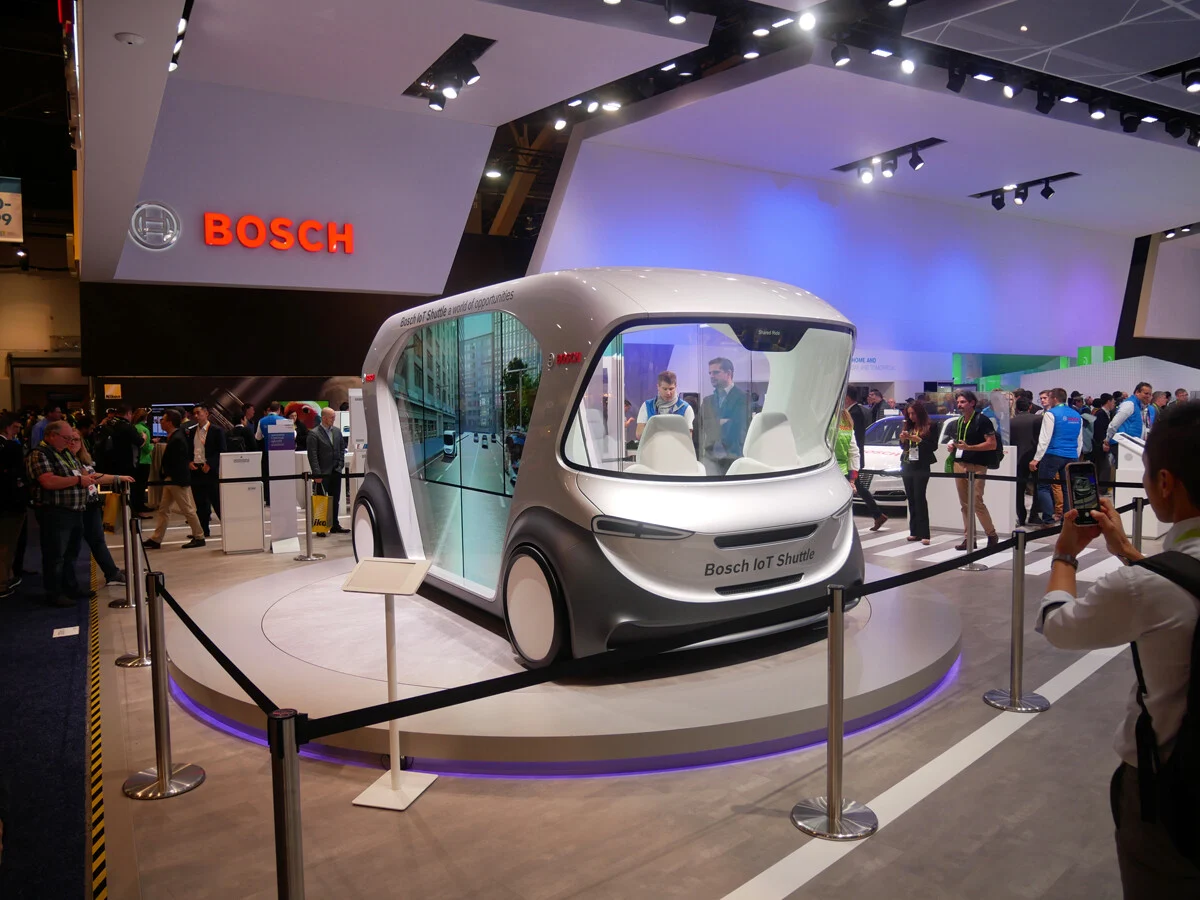
- The Bosch Split: In July 2024, the company signaled a definitive break from previous strategies by terminating its long-standing collaboration with Bosch on automated driving functions, opting to focus on proprietary core competencies while seeking agile, external partnerships elsewhere.
- The Launch of OneTeam: Announced internally in late 2024, the entity is set to go live in November, marking the formal integration of Audi’s leadership into the group’s software development core.
Supporting Data: The Scale of the Challenge
To understand the necessity of this restructuring, one must look at the financial and operational pressure facing Volkswagen. The automotive industry is currently in the midst of a "software-defined vehicle" (SDV) arms race.
Workforce Contraction
Cariad’s headcount reduction is not merely a cost-cutting exercise; it is a fundamental shift in the organization’s DNA. By moving from a bloated, high-headcount structure to a leaner "tech-focused" organization, VW is attempting to mirror the agility of Silicon Valley startups. However, this transition is fraught with risk. The loss of institutional knowledge—compounded by the departure of thousands of engineers—poses a challenge to the continuity of complex coding projects.
The "Partner-First" Shift
Volkswagen’s data-driven approach to partnerships has evolved significantly. The current strategy relies on:
- China: A multi-billion-euro investment in XPeng, aimed at leveraging Chinese speed in software integration for the local market.
- USA: A $5 billion joint venture with Rivian, focused on bringing Rivian’s sophisticated electrical architecture to future VW and Audi vehicles.
- Internal Core: While external partnerships provide the "top-layer" features, VW is concentrating its internal resources on "differentiated" tech: cloud-based data processing, infotainment ecosystems, and proprietary vehicle dynamics software.
Official Responses and Strategic Rationale
The internal announcement, as described by Werner Tietz, Head of Group Research and Development, frames the formation of "OneTeam" as an "essential step toward efficiency in the context of our broader transformation."
"We are building Cariad into a new, smaller, and speed-oriented tech organization with competitive working conditions," a company spokesperson noted. This statement highlights the tension between the need for high-end tech talent and the necessity of keeping development costs within the bounds of traditional automotive margins.
Peter Bosch, the current CEO of Cariad, has emphasized that "OneTeam" is the foundational step for a "highly competitive, group-wide technology platform." By putting Audi in charge of the development, the Group is leaning into the brand’s reputation for technical excellence and engineering rigor. The dual-reporting structure of Manuel Birke is intended to ensure that while the platform is universal, it remains tethered to the high-performance requirements of the group’s premium brands.
Implications: What This Means for the Future
The formation of "OneTeam" carries profound implications for the Volkswagen Group’s future, both in the showroom and on the balance sheet.
1. Unified Tech vs. Brand Identity
The ultimate test of "OneTeam" will be its ability to balance standardization with brand differentiation. Can a software platform be "group-wide" while still allowing a Porsche to drive like a Porsche and an Audi to feel like an Audi? Volkswagen’s challenge is to ensure that the "OneTeam" architecture is modular enough to accommodate these nuances without creating the "spaghetti code" that derailed previous efforts.
2. The End of "Do It Yourself"
The termination of the Bosch alliance and the reliance on XPeng and Rivian suggest that VW has moved past the hubris of thinking it could out-code the entire global software industry. By outsourcing non-core functions and focusing on the interface between the car and the driver, VW is adopting a more pragmatic, realistic development lifecycle.
3. Investor Sentiment and Market Pressure
Investors have long viewed Cariad as a "money pit" that eroded the margins of the entire group. The creation of a smaller, more efficient, and clearly managed "OneTeam" is a signal to shareholders that management is taking the software crisis seriously. If the company can demonstrate a faster "time-to-market" for the next generation of automated features, it may finally silence critics who have long doubted the group’s ability to transition into a software-led company.
4. Cultural Integration
Perhaps the greatest challenge lies in the human element. Integrating Cariad’s "tech-startup" culture with the established, process-driven culture of the traditional Volkswagen and Audi engineering divisions is a monumental task. The success of "OneTeam" will depend less on the code they write and more on the cultural synergy they build between these historically disparate groups.
Conclusion
The "OneTeam" initiative is more than an organizational reshuffle; it is an admission of past failures and a bold blueprint for the future. By placing the development of autonomous driving systems under a unified, leadership-backed structure, Volkswagen is attempting to shed its reputation for software sluggishness.
As the automotive industry pivots toward an era where the operating system of the car is as important as the engine under the hood, the stakes for Volkswagen could not be higher. If Birke and his team can deliver on the promise of a truly scalable technology platform, the move could be the turning point that secures the German automaker’s relevance in the age of autonomous mobility. If not, the "OneTeam" project may be remembered as merely the latest in a long string of organizational experiments that failed to bridge the gap between automotive tradition and digital innovation.
For now, the automotive world waits with bated breath to see if the November rollout will finally provide the cohesion that has eluded the Volkswagen Group for so long. The road to automated driving is long, and for Volkswagen, it is finally being paved with a clearer, singular strategy.