Washington D.C., USA – The political landscape of the United States is currently a whirlwind of high-stakes investigations, controversial presidential rhetoric, and significant policy maneuvers, all set against the backdrop of critical upcoming congressional elections. Recent developments highlight the deep polarization gripping the nation, from federal probes targeting prominent opposition figures to unprecedented statements from the Oval Office and strategic shifts in energy and foreign policy.
Main Facts: A Tumultuous Overview
The past weeks have seen a cascade of events shaping the American political narrative: Federal investigators reportedly seized the mobile phone of Democratic Congresswoman Ilhan Omar as part of a grand jury investigation into alleged immigration fraud. Simultaneously, President Donald Trump made headlines with a stunning assertion that informants who leak classified military information should be "shot," a statement that has drawn widespread condemnation and raised concerns about press freedom and whistleblower protection.
In a series of campaign appearances, Trump also unveiled plans for "unprecedented" actions during the remainder of his term, while grappling with rising energy prices, leading to considerations of easing sanctions on the "shadow fleet" of tankers transporting oil from sanctioned nations. The Democratic Party, anticipating a potential victory in the November elections, is preparing an ambitious 100-day legislative agenda focused on economic affordability and rigorous oversight of the current administration.
Technological and judicial fronts are also active, with AI company Anthropic integrating official election information into its chatbot Claude to combat misinformation, and the Supreme Court intervening in a transparency dispute involving Elon Musk’s government efficiency body, Doge. The White House itself saw a swift end to its new press secretary’s debut and continued judicial protection for media access, while overseas, US troops returned to Lithuania, and an ambassador was dismissed amidst allegations of influence peddling.
Perhaps most controversially, the Pentagon confirmed plans for a live-streamed military execution of a convicted Fort Hood attacker, Nidal Malik Hasan, a move approved by President Trump.
Chronology of Key Events and Developments
The incidents unfolded rapidly, each adding another layer to the complex narrative of the current administration.

Political Investigations and Controversial Rhetoric:
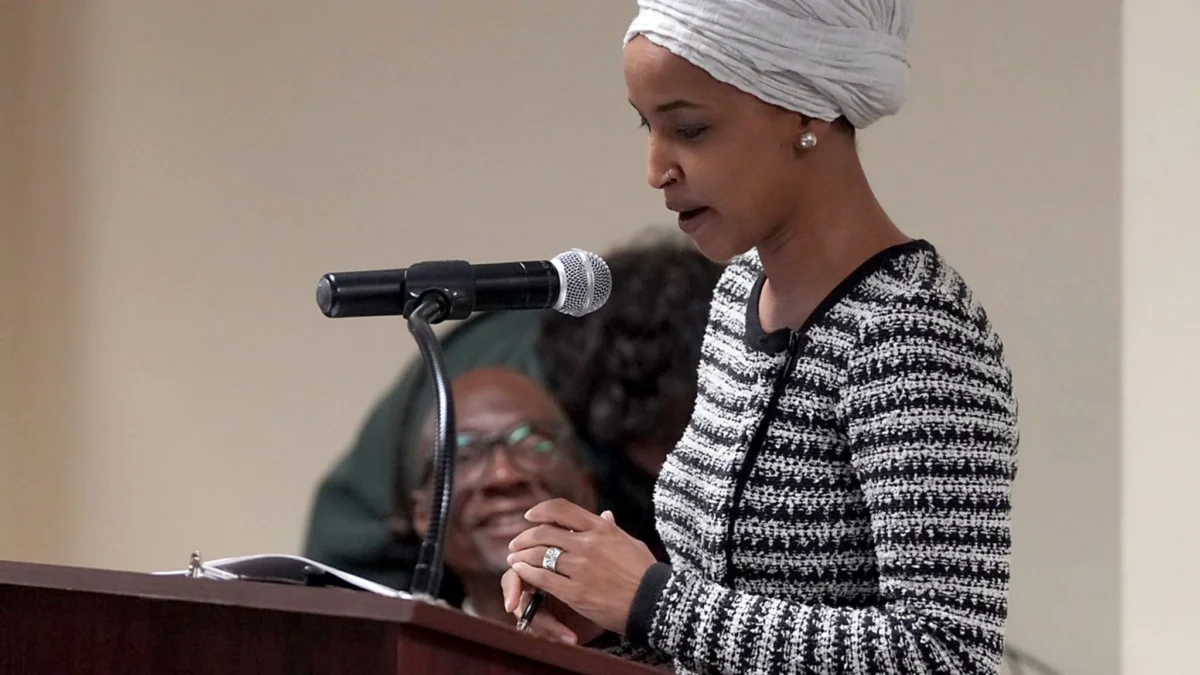
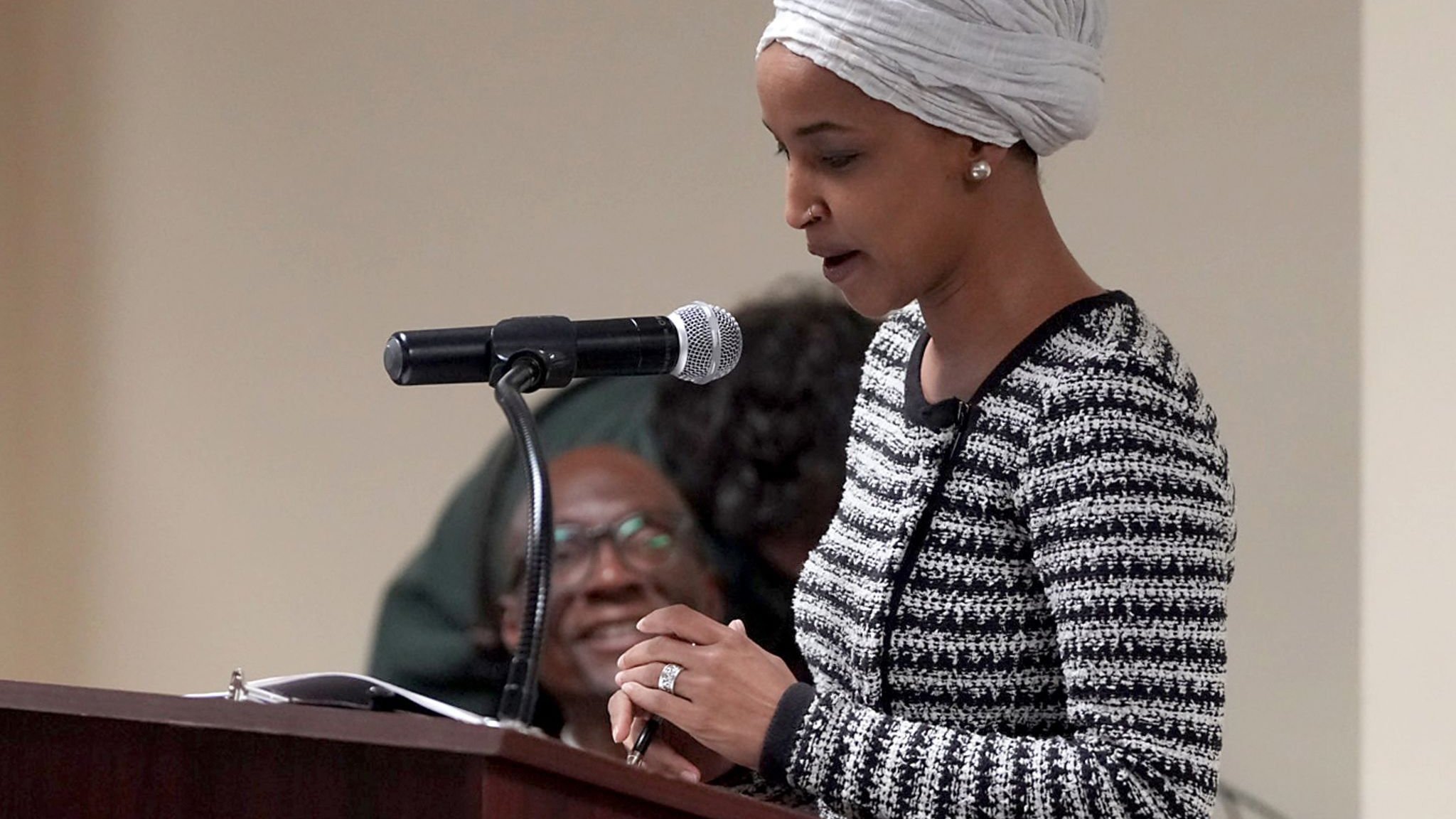
- Ilhan Omar Investigation (October 14, 2026): Federal authorities reportedly confiscated the mobile phone of Representative Ilhan Omar and issued over a dozen subpoenas, some targeting her relatives. The actions stem from a Minnesota grand jury investigation into potential immigration fraud related to Omar’s documents. Omar, a 44-year-old Democrat and a member of "The Squad" – a group of progressive female House members – is a vocal critic of President Trump. She has accused Trump of orchestrating an intimidation campaign against her, especially after his repeated public attacks.
- Trump’s "Shoot Informants" Remark (October 14, 2026): During a campaign rally in Arizona, President Trump declared that informants leaking classified military information to the press should be "shot," claiming this was customary "in the old days." He specifically cited an anonymous tipster who allegedly divulged the timing of a June 2025 attack on Iranian nuclear facilities as part of "Operation Midnight Hammer." This operation saw US forces bomb Iranian uranium enrichment plants in Natanz, Fordo, and an atomic facility in Isfahan. Trump has consistently justified his military actions against Iran by asserting that the Islamic Republic, a rival of US ally Israel, should not possess nuclear weapons, a claim Tehran denies, stating its nuclear program is for civilian purposes.
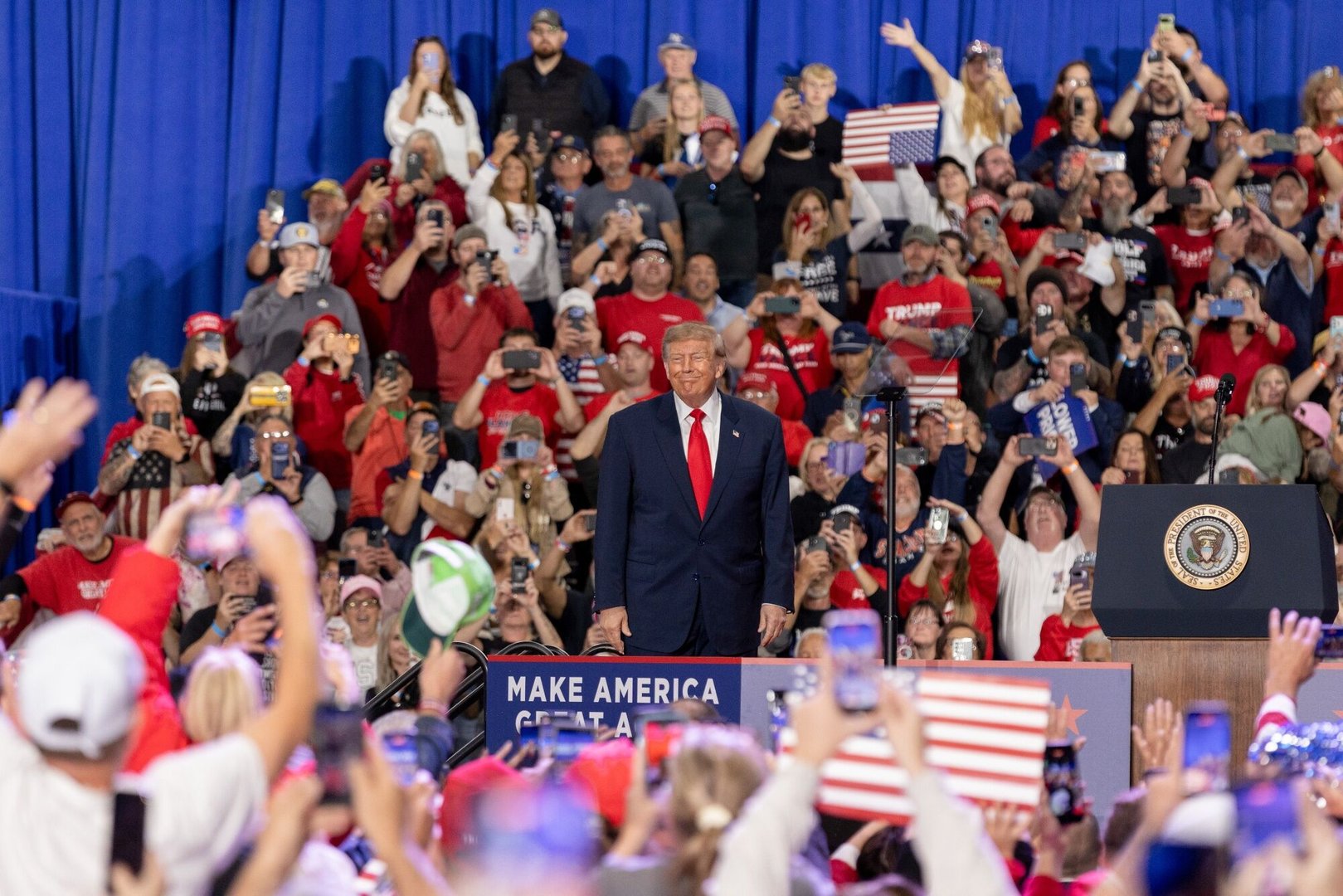
- Trump’s "Unprecedented" Future Plans (October 14, 2026): At the same Arizona rally, President Trump promised "things no one has seen before" in the remaining two years of his term. Despite chants of "four more years" from supporters, Trump acknowledged the constitutional two-term limit, describing it as "pretty hard to get around." He also suggested the Republican Party possessed a "strong bench" of potential future leaders.
- Trump Attacks Ilhan Omar at Ohio Rally (October 7, 2026): President Trump publicly assailed Representative Ilhan Omar at a campaign event in Youngstown, Ohio, criticizing her Somali origin. The crowd responded with chants of "send her back." Trump defended the federal probe against Omar, an immigrant from Somalia, by claiming she came from a country "without laws, without police, without military," where people "just shoot each other." He then questioned her right to lecture Americans on the Constitution, given her origins from "one of the worst countries in the world."
Economic and Energy Policy Shifts:
- Potential Easing of "Shadow Fleet" Sanctions (October 14, 2026): US Energy Secretary Chris Wright, speaking via video to the World Energy Congress in Riyadh, indicated that the Trump administration is considering relaxing sanctions on the "shadow fleet" of tankers that transport oil and oil products from sanctioned countries like Russia, Iran, and Venezuela. This move is reportedly aimed at reducing surging global freight costs. An insider cited by Reuters suggested the US might allow non-sanctioned oil and products to be transported on previously sanctioned vessels to increase crude and refined product supply from the Gulf region. This follows Trump’s recent lifting of sanctions on Russian diesel until April 7, a decision that drew criticism from Ukraine’s President Zelenskyy, European nations, and some Republican senators.
- Greenland Oil Exploration Dispute (October 10, 2026): Greenland’s government contradicted President Trump’s claim on Truth Social that "massive explorations" for oil, gas, and mineral deposits were imminent on the Arctic island. Jørgen Hammeken-Holm, a senior official in Greenland’s Ministry of Business, clarified to CNN that while US companies are involved in smaller exploration projects, large-scale operations are "very far away" and could take years. Trump had referred to Greenland as "our new and beautiful Greenland" and claimed experts believed its easily accessible oil reserves were globally significant, despite the historical difficulty of resource extraction there. Trump’s comments appear to be an attempt to address rising energy prices ahead of the congressional elections, particularly the fuel costs exacerbated by his administration’s conflict with Iran.
- Taiwan Purchases Alaska Pipeline Gas (October 3, 2026): President Trump announced at an Alaska campaign rally that Taiwan has agreed to purchase 30% of the gas from a pipeline project in Alaska, though he provided no further details. Last year, Taiwan’s state energy company CPC had signed an agreement with the Alaska Gasline Development Corp for LNG purchases and investment in the project, with Taiwan’s then-President Lai Ching-te stating the investment would bolster the island’s energy security.
Elections and Democratic Strategy:
- Democrats’ 100-Day Legislative Blitz (October 12, 2026): House Democrats are reportedly planning an ambitious 100-day agenda to swiftly implement their campaign promises if they win a majority in the November elections. The agenda would focus on making life more affordable and instituting comprehensive oversight of the Trump administration. Current Minority Leader Hakeem Jeffries, expected to become House Speaker if Democrats win, outlined four priorities they would pursue "from the starting line."
- Anthropic Integrates Election Info into Claude (October 11, 2026): AI company Anthropic announced plans to integrate official election information and results into its chatbot Claude ahead of the US congressional elections. Starting this month, US users asking about election procedures will receive answers directly from the non-profit Democracy Works database. The initiative aims to position Claude as a useful tool for political discourse while preventing election-related misuse, reflecting a broader trend of AI firms establishing their chatbots as news and information sources.
Foreign Policy and Military Engagements:
- US Troops Arrive in Lithuania (October 9, 2026): Lithuanian President Gitanas Nauseda announced the arrival of a new contingent of US troops, thanking President Trump for the deployment. Lithuania, situated on NATO’s eastern flank and bordering Russia’s Kaliningrad exclave and Belarus, views the US presence as crucial for deterrence. Defense Minister Robertas Kaunas stated that approximately 100 soldiers have arrived initially, with more to follow, aiming for two battalions to be stationed at the Pabrade training ground by mid-November. US forces have rotated units to NATO’s eastern border since 2014, although over 1,000 American soldiers had recently concluded their deployment in Lithuania in the summer.
- Trump Considers Meeting Kim Jong Un (October 6, 2026): President Trump told journalists that he is considering a meeting with North Korean leader Kim Jong Un during his upcoming Asia trip in November. Trump is scheduled to visit China to meet President Xi Jinping and attend the Asia-Pacific Economic Cooperation (APEC) summit in Shenzhen, potentially offering an opportunity for talks with Kim. Trump had previously expressed a desire to meet Kim earlier in the year.
- USS Abraham Lincoln Returns Home (October 1, 2026): After a months-long deployment, the US aircraft carrier USS Abraham Lincoln returned to San Diego. The ship had reportedly been at sea for 265 days without a port call, making headlines during its deployment, including during the Iran conflict, due to alleged supply shortages and complaints from its 5,000 sailors and their families. Reports cited issues with water supply, clogged toilets, and increasing psychological stress among the crew, with some family members claiming sailors attempted to jump overboard. The US military denied the most serious allegations.
White House Operations and Media Relations:
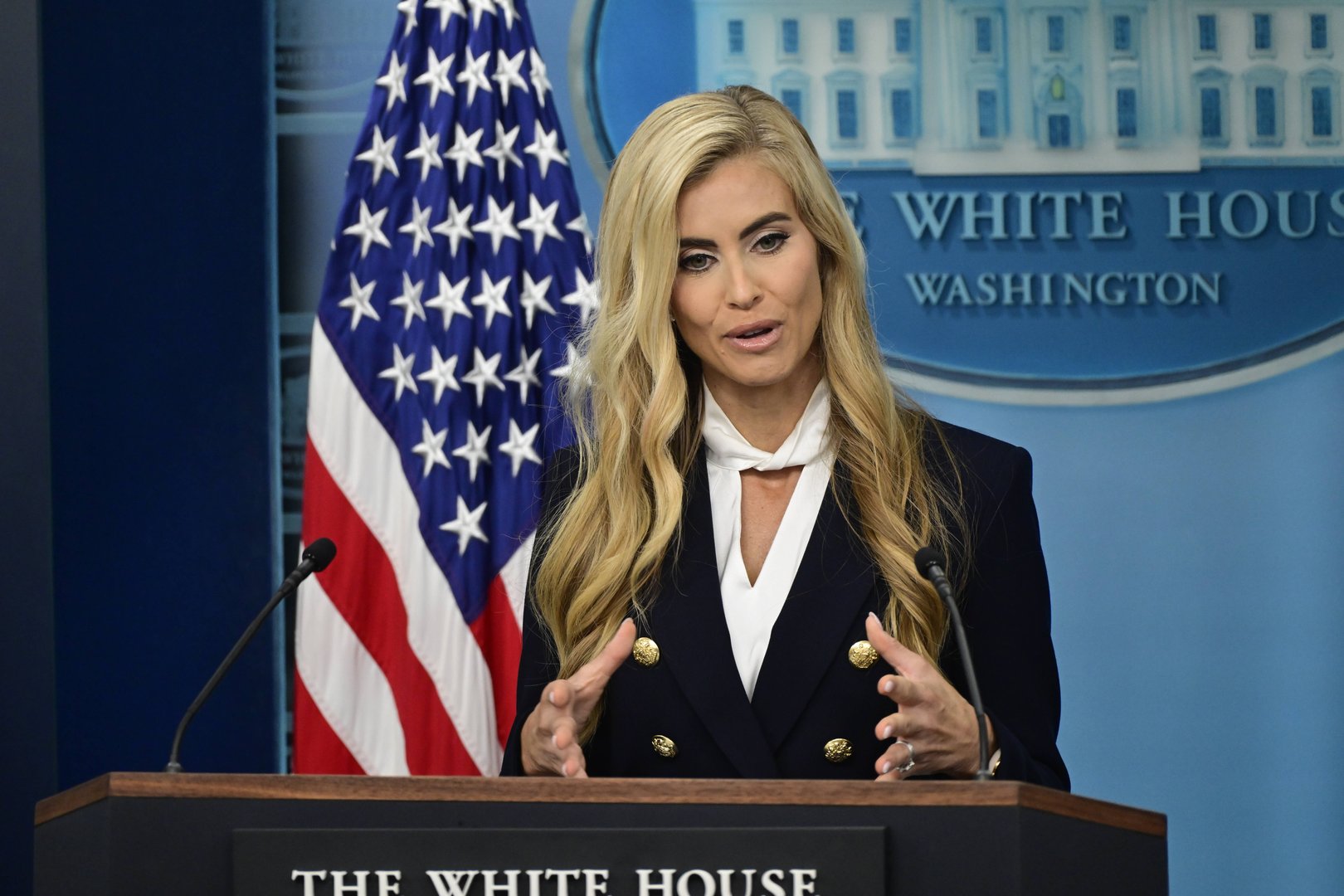
- New Press Secretary’s Abbreviated Debut (October 8, 2026): Katie Zacharia, the new White House Press Secretary, abruptly ended her first press conference after less than fifteen minutes. After a lengthy opening statement, Zacharia took questions from only three reporters before citing President Trump’s trip to Alaska as reason to conclude the briefing. Zacharia, like her predecessor Karoline Leavitt, expressed a desire to bring "new media" outlets, often conservative and government-friendly, into the White House briefing room. Her first question went to Breitbart, a right-wing online publication. Zacharia appeared nervous, reading much of her opening statement and at one point mistakenly referring to "my President" instead of "my husband" when speaking about her family. Appointed by Trump days prior, Zacharia is known for her staunch conservative views and loyalty to the President, having previously shown an affinity for conspiracy theories.
- Judge Protects Media Access to White House (October 5, 2026): A US federal judge extended the injunction preventing the Trump administration from denying White House access to journalists from CNN, MS NOW, and Politico. Judge Timothy Kelly’s decision will remain in effect while the lawsuit against the exclusion of these reporters proceeds, with Kelly believing the media outlets are likely to succeed in their claims based on freedom of speech and due process. The judge had previously ordered the reinstatement of permanent press passes for the affected journalists. While maintaining the injunction, Kelly clarified that his ruling did not validate criticisms of media accuracy or fairness, nor did it entirely strip the government of its power to protect national security regarding classified information leaks. Kelly was a Trump nominee.
- Justice Department Probes TV Networks for Antitrust (September 30, 2026): The Justice Department is investigating potential antitrust violations by television networks following a temporary suspension of coverage of President Trump by several outlets. The New York Times and other media reported that the Justice Department contacted ABC, CBS, CNN, NBC, and Fox News – members of the White House TV pool – requesting documents related to their pool arrangements. The TV pool system involves major networks sharing material from presidential events and trips to distribute costs and ensure comprehensive coverage.
Judicial Interventions and Capital Punishment:
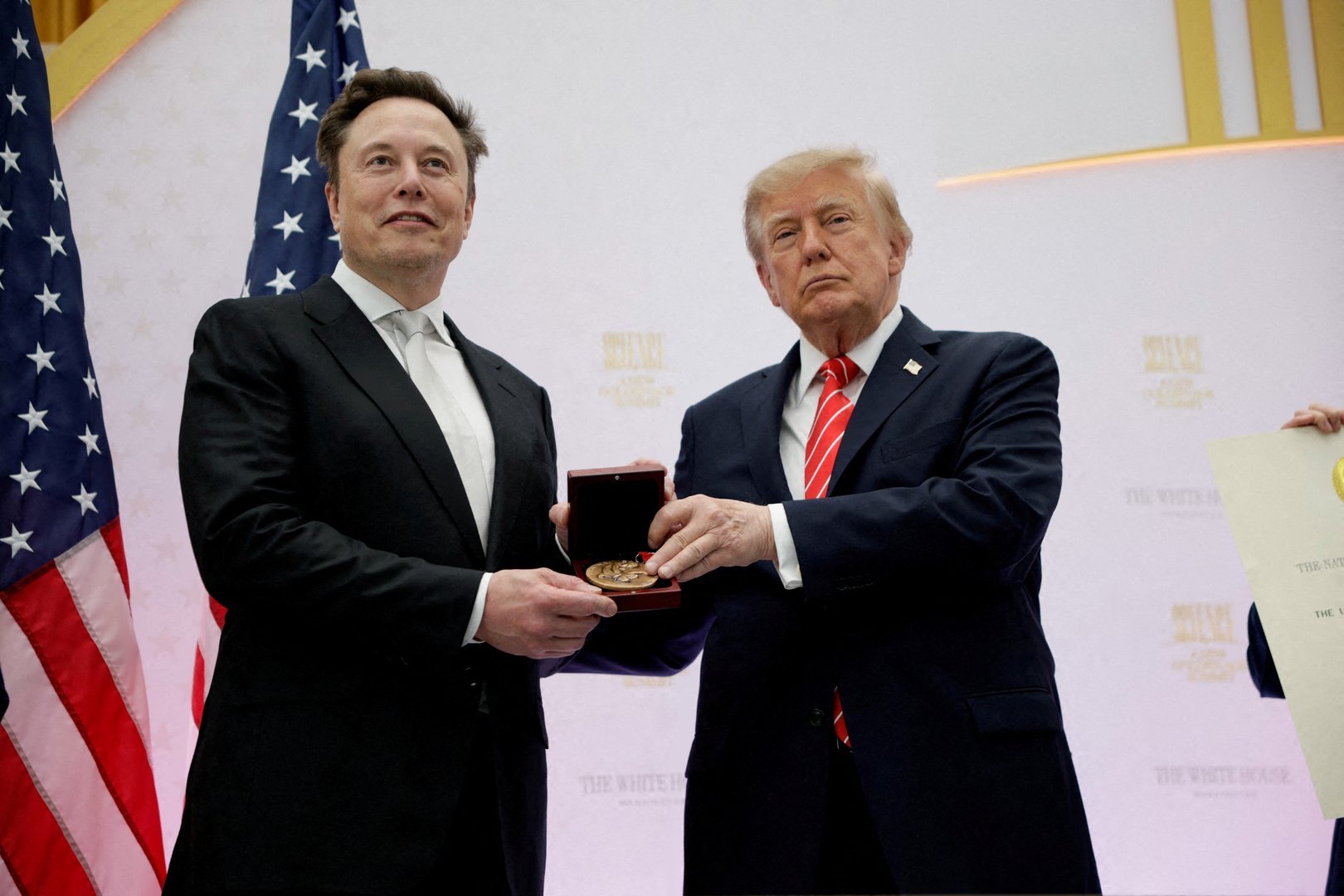
- Supreme Court Intervenes in Doge Transparency Dispute (October 4, 2026): The Supreme Court announced it would hear a case concerning the release of records from the government efficiency body, Doge, which was led by Elon Musk. This marks the second time the Supreme Court has weighed in on a lawsuit filed by the non-governmental organization CREW. CREW argues that Doge is a federal agency subject to the Freedom of Information Act (FOIA), requiring it to release information to the public. The Trump administration, however, maintains that Doge is merely an advisory body, not subject to FOIA. The Supreme Court had previously blocked a district court order for Doge to release documents, despite an appeals court ruling in favor of CREW. Doge was established at the start of Trump’s second term, overseeing significant job cuts and reductions in federal agencies.
- Tax-Funded Trump Ad Spots Halted by Judge (October 2, 2026): A US federal judge ordered the Trump administration to cease broadcasting remaining tax-funded television advertisements that promoted President Trump’s political messages. The ruling, issued on a Sunday evening, came even as the government claimed the ad campaign was concluding. Federal Judge Jennifer L. Rochon in New York sided with a coalition, including the non-partisan watchdog Common Cause, who argued the ads constituted an illegal use of public funds. The temporary injunction mandated the cancellation of all outstanding broadcasts, including those scheduled for that evening.
- Pentagon Confirms Livestreamed Military Execution (September 29, 2026): The Pentagon confirmed that the planned execution of convicted Fort Hood attacker Nidal Malik Hasan would be livestreamed. Defense Secretary Pete Hegseth had previously indicated the execution would be public. Hasan is scheduled to be executed by firing squad on December 3 at 1:00 PM local time at Fort Hood, Texas, following President Trump’s approval of the death warrant on October 2. Hegseth told Real America’s Voice that the execution would be public, and people could watch, with the Pentagon clarifying this meant a live broadcast. Hasan, a former Army psychiatrist, killed 13 people and wounded 32 in a 2009 attack at Fort Hood. A military court sentenced him to death in 2013. This would be the first military execution in the US since 1961 and the first by firing squad since World War II.
- Hegseth Advocates for Public Military Execution (September 28, 2026): Defense Secretary Pete Hegseth stated his intention for the planned execution of Nidal Hasan to be public, telling Real America’s Voice that people should be able to witness it to understand the "serious consequences" of such actions. He did not specify whether this meant a widely accessible public viewing or a more controlled broadcast/witness system. Public executions were used as deterrence in the US, including during the Civil War. The last firing squad execution by the US military was in 1945, and the last generally public execution in the US was a hanging in Kentucky in 1936.
Campaign Finance and Political Influence:
- Elon Musk Becomes Top GOP Donor (October 1, 2026): Elon Musk, the world’s wealthiest individual, has emerged as the Republican Party’s largest donor ahead of the November midterm elections. Andrew Romeo, a spokesperson for Musk’s political action committee, confirmed to the Associated Press that Musk has contributed over $276 million to Republican campaigns since July. The New York Times had initially reported the donations. This makes Musk the single largest donor to the Republicans, who are battling to maintain their majorities in both congressional chambers. Reportedly, $158 million went to the Senate Leadership Fund, which supports Republican Senate candidates, while $76 million went to America PAC, Musk’s own PAC, which successfully mobilized voters for Trump in 2024. An additional $10 million was donated to Texas Senate candidate Ken Paxton.
Supporting Data and Context
The events underscore a period of intense political activity and division. The investigation into Ilhan Omar is not her first brush with scrutiny; she has faced past allegations related to campaign finance and marital history, which she has consistently denied. The timing of the federal probe, amidst a heated election cycle and constant presidential criticism, raises questions about political motivation, regardless of the merits of the underlying allegations. Trump’s rhetoric regarding informants and media access reflects a broader pattern of challenging established norms and institutions, including the press and the judiciary. His preference for "new media" often translates to outlets supportive of his administration, raising concerns about transparency and accountability in the White House press corps.
The discussion around "shadow fleets" highlights the complex interplay of geopolitical sanctions, global energy markets, and economic pressures. While sanctions aim to curb the revenue of adversarial nations, their impact on global supply chains and consumer prices can be significant, forcing difficult policy choices. Similarly, the Greenland oil exploration comments intertwine energy independence goals with environmental concerns and historical US attempts to acquire the territory.
On the democratic side, the 100-day agenda is a common tactic for incoming majorities to demonstrate legislative momentum, but its success will depend on securing a clear majority and overcoming potential obstruction. The integration of election information into AI chatbots like Claude is a critical step in addressing the pervasive issue of election misinformation, a growing concern in the digital age.
The military movements in Lithuania reinforce NATO’s commitment to collective defense in the face of Russian aggression, a recurring theme in Eastern European security. The return of the USS Abraham Lincoln after a prolonged deployment draws attention to the immense demands placed on military personnel and the critical need for adequate support and resources.
The Supreme Court’s involvement in the Doge dispute underscores the ongoing tension between government transparency and executive privilege, especially concerning advisory bodies. The ruling against tax-funded political ads reaffirms the legal boundaries between government functions and partisan campaigning.
The planned livestreamed military execution is a deeply controversial move, unprecedented in modern US history. While proponents might argue for deterrence or transparency, critics raise serious ethical and human rights concerns, fearing it could normalize state-sanctioned violence and diminish the dignity of the legal process.
Elon Musk’s massive financial contributions to the Republican Party highlight the escalating influence of wealthy donors in American politics, particularly through Super PACs, which can spend unlimited amounts to support or oppose candidates. This trend raises ongoing debates about campaign finance reform and the democratic process.
Official Responses
- Ilhan Omar: Has consistently denied any wrongdoing and criticized the investigation as politically motivated intimidation.
- President Trump: Has defended the investigation into Omar and his aggressive stance on informants and critical media. He maintains his actions and rhetoric are aimed at protecting national security and American interests. His comments on Greenland oil exploration were presented as a path to energy abundance.
- Greenlandic Government: Directly contradicted Trump’s claims of "massive" oil exploration, clarifying that any ongoing projects are minor and long-term.
- Lithuanian President Nauseda: Expressed gratitude to President Trump for the deployment of US troops, emphasizing its importance for regional security.
- White House (on Katie Zacharia): Stated that Ambassador Guilfoyle was asked to step down and wished her well, without detailing the reasons. Zacharia herself expressed a desire to include "new media," interpreted as conservative and friendly outlets.
- Judge Timothy Kelly: While protecting media access, noted his decision did not validate media reporting nor completely strip the government of national security protections.
- Pentagon (on Nidal Hasan execution): Confirmed the execution and the intention to livestream it, with Defense Secretary Hegseth emphasizing the need for severe consequences for such acts.
- Elon Musk’s Spokesperson, Andrew Romeo: Confirmed the significant donations to the Republican Party, indicating Musk’s substantial financial backing.
- Common Cause (on tax-funded ads): Celebrated the court’s decision as a victory for preventing the misuse of public funds for political campaigning.
- New York Mayor Zohran Mamdani: Condemned the ICE shooting in the Bronx, calling it "outrageous" and urging President Trump to end ICE enforcement actions in the city.
Implications
The flurry of activity paints a picture of a presidency that continues to challenge conventional norms and operate on multiple fronts simultaneously.

For American Democracy and Institutions:
The federal investigation into a sitting Congresswoman, coupled with the President’s incendiary remarks about informants and relentless attacks on critics, fuels concerns about the weaponization of government power and a chilling effect on dissent. The White House’s selective engagement with media outlets, despite judicial intervention, further strains press freedom and the public’s access to unbiased information. The Supreme Court’s involvement in the Doge transparency case will set precedents for government accountability. The halting of tax-funded political ads reinforces the separation of government functions from partisan campaigning.
For the Upcoming Elections:
The congressional elections in November are poised to be fiercely contested. The Democrats’ proactive 100-day agenda signals their intent to immediately pivot to key policy areas and robust oversight, likely contrasting sharply with the current administration’s approach. Trump’s focus on energy prices and national security at rallies aims to mobilize his base, while the investigation into Ilhan Omar and his rhetoric could energize both sides of the political spectrum. Elon Musk’s unprecedented financial contributions could significantly influence the outcomes of key races, reflecting the growing role of big money in US elections. The integration of election information into AI platforms highlights the ongoing battle against misinformation, a critical factor in voter perception.
For US Foreign Policy and Global Standing:
The potential easing of sanctions on "shadow fleet" tankers, while aimed at domestic economic relief, could have significant geopolitical repercussions, potentially weakening international pressure on countries like Russia, Iran, and Venezuela. The continued deployment of US troops to NATO’s eastern flank reinforces alliances and deterrence against Russian expansionism. Trump’s consideration of another summit with Kim Jong Un indicates a continued personal diplomacy approach to North Korea, with uncertain prospects for denuclearization. The controversy over Ambassador Guilfoyle’s dismissal underscores the challenges of political appointments and ethical standards in foreign service.

For Human Rights and Legal Precedents:
The decision to livestream a military execution is a deeply contentious issue that could set a disturbing precedent. It raises profound questions about human dignity, the purpose of capital punishment, and the potential for desensitization to violence. Such a move would undoubtedly draw international condemnation and spark intense domestic debate, potentially impacting the future of capital punishment in the US military and civilian justice systems.
In sum, the current political environment in the US is characterized by a high degree of volatility, with each development, from federal probes to presidential pronouncements and judicial rulings, contributing to a complex and often turbulent national narrative. The outcomes of these ongoing events will undoubtedly have lasting implications for American domestic policy, international relations, and the very fabric of its democratic institutions.