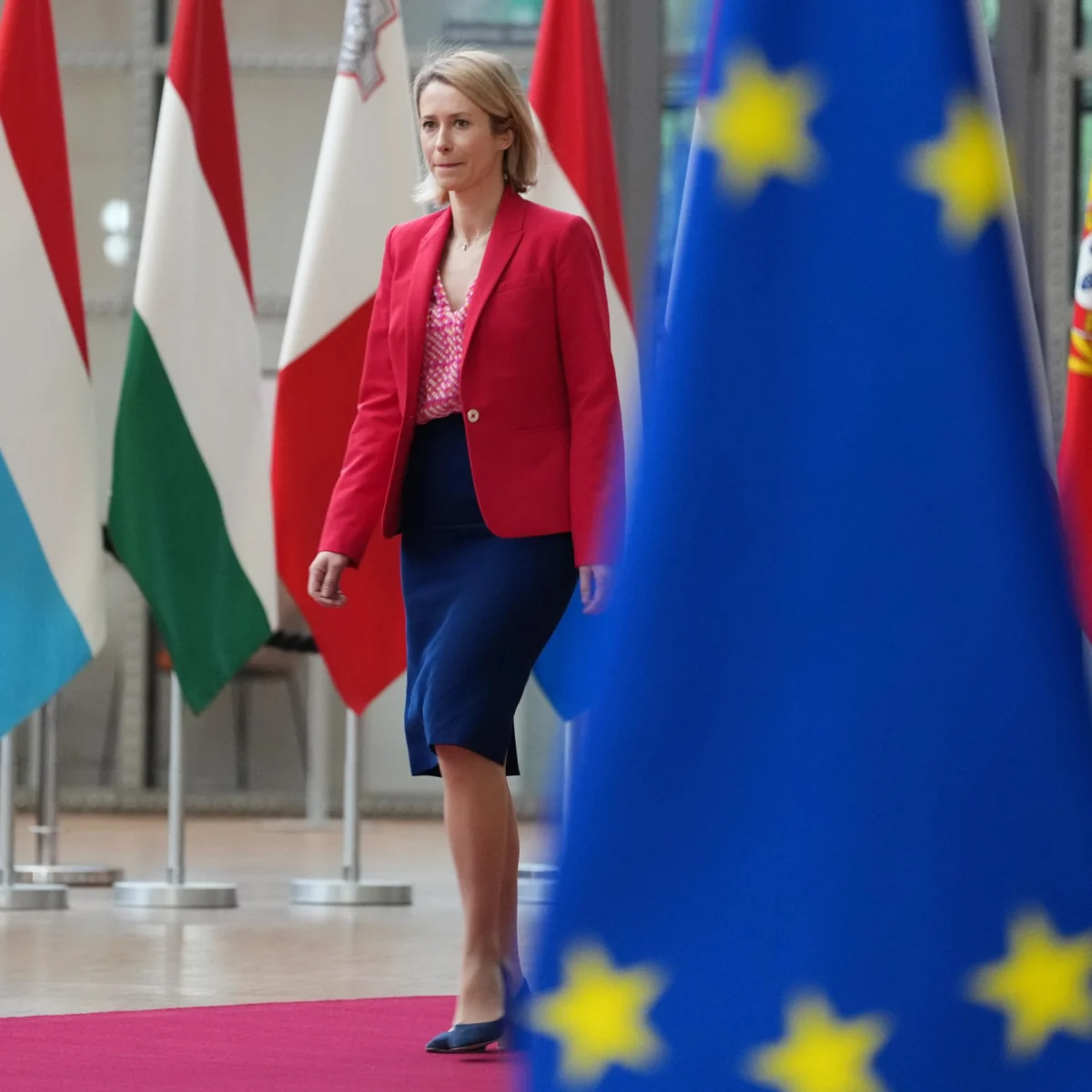
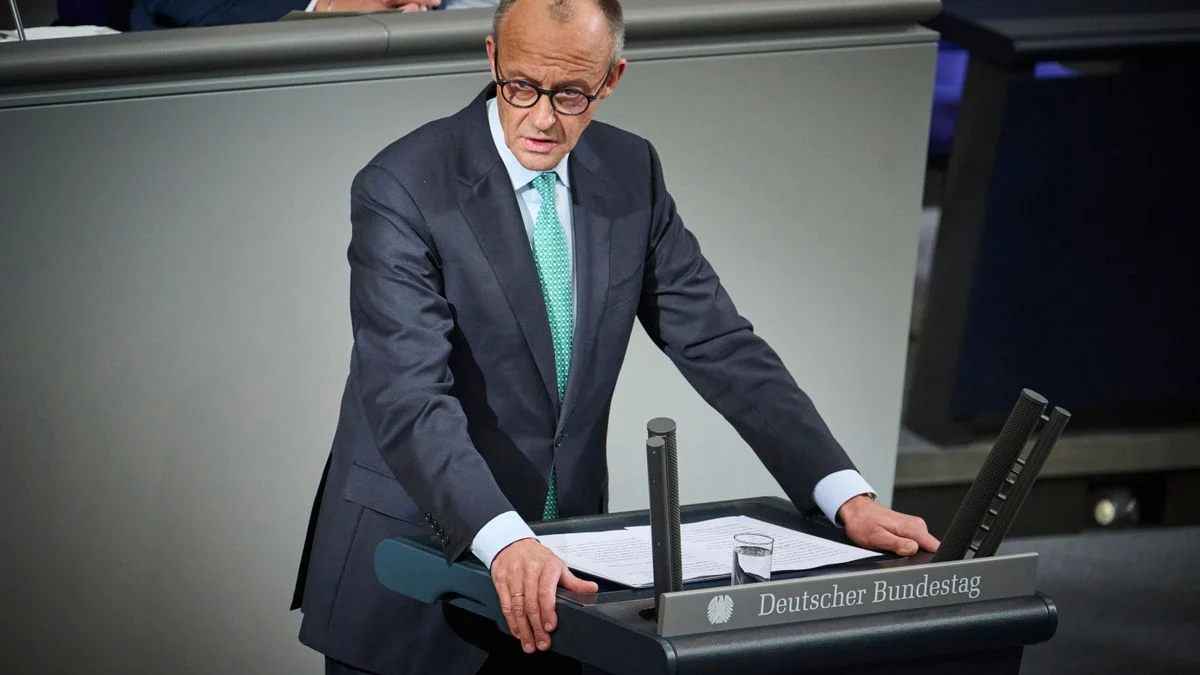
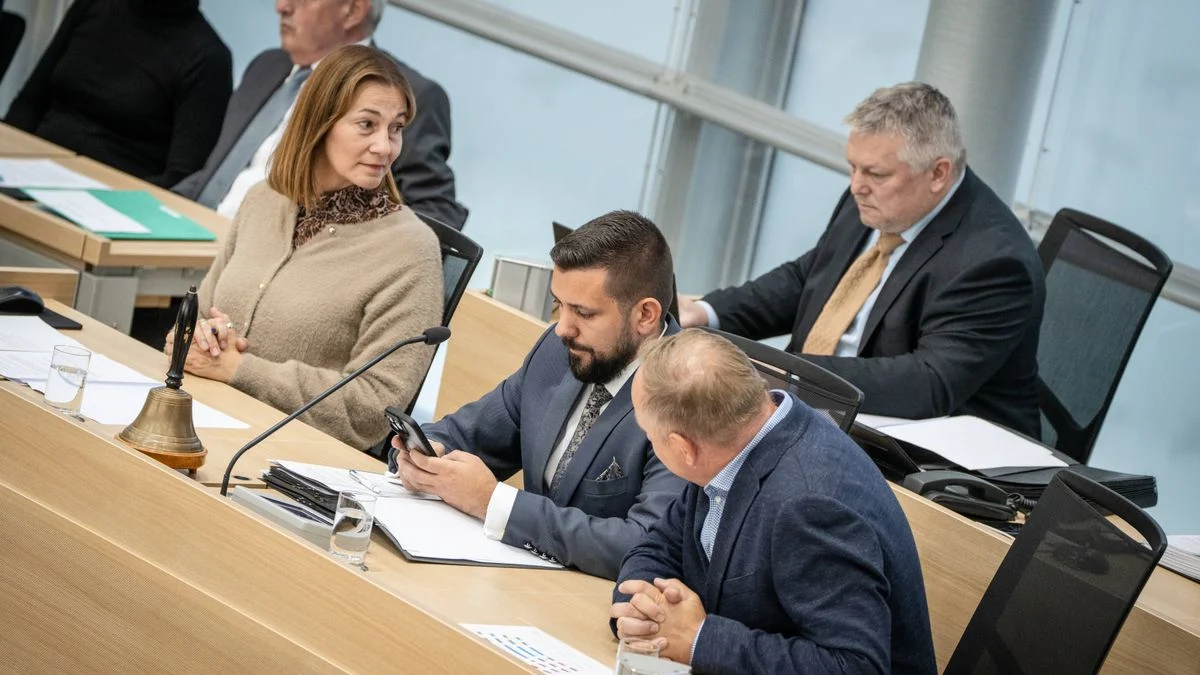
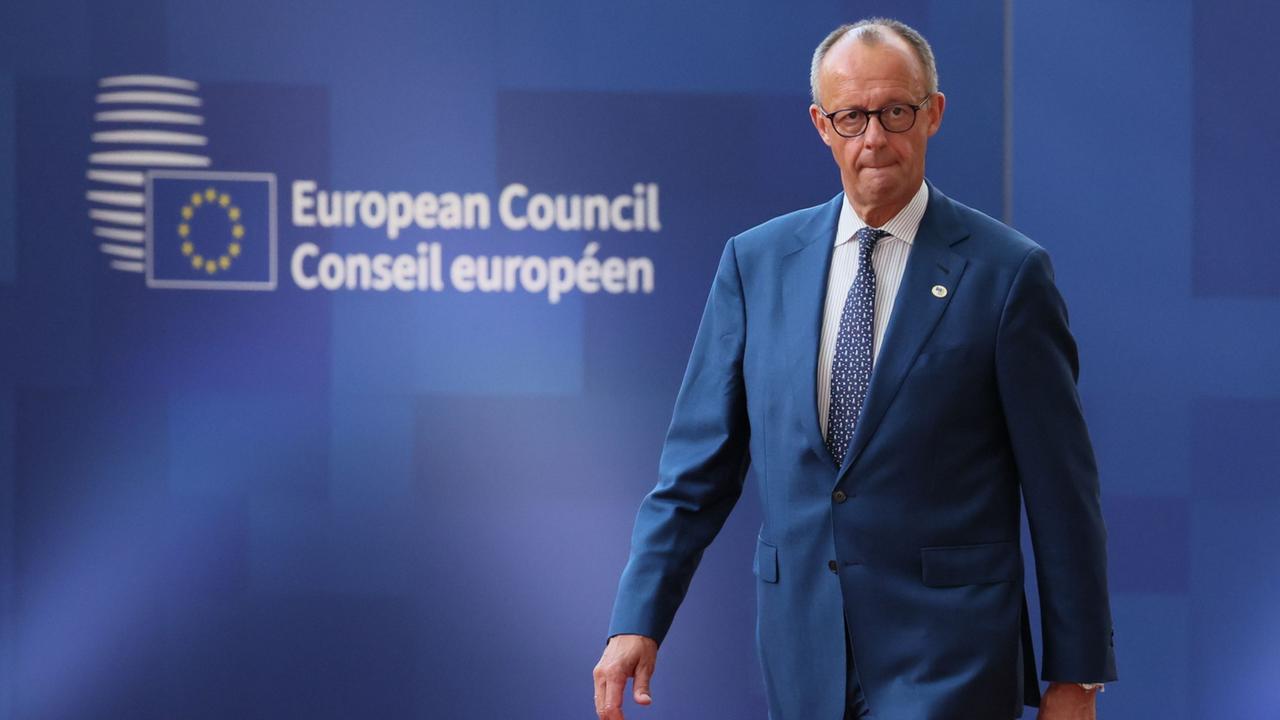
Brussels, Belgium – October 15, 2026 – European leaders have converged on Brussels for a pivotal two-day summit, grappling with an agenda that promises to shape the continent’s trajectory for the better part of a decade. At the heart of the intense discussions lies the formidable challenge of the European Union’s next multiannual financial framework (MFF), potentially encompassing up to two trillion euros for the period spanning 2028 to 2034. German Chancellor Friedrich Merz, representing the EU’s largest net contributor, has arrived with a clear mandate for fiscal tightening, advocating for significant cuts to the proposed budget. This stance, however, is meeting considerable resistance from other member states and EU institutions, setting the stage for what is anticipated to be a contentious negotiation.
Beyond the contentious budget, the summit’s extensive docket includes pressing geopolitical concerns: the ongoing imperative to support Ukraine through a harsh winter, the volatile crisis in the Middle East and its cascading effects on European energy prices, the complex path of EU enlargement, and the perennial quest for bureaucratic streamlining. The extended duration of this summit underscores the gravity and interconnectedness of the issues at hand, with financial decisions poised to have profound "long-term effects" on the EU’s capacity to act on these critical fronts.
The Immediate Stakes: A Budgetary Battle Royale
The central drama of the Brussels gathering revolves around the EU’s long-term budget, the Multiannual Financial Framework (MFF), which outlines the Union’s spending priorities and limits for a seven-year period. The current proposals for the 2028-2034 MFF range from approximately 1.8 trillion euros, put forth by the European Commission, to over two trillion euros, as advocated by the European Parliament. These colossal figures represent the financial backbone for all EU policies, from agricultural subsidies and research initiatives to regional development and foreign policy interventions.
Germany, a foundational pillar of the EU, shoulders a significant portion of this financial burden, contributing roughly one-fifth of the total budget as the largest net payer. Chancellor Merz has consistently voiced concerns about the sustainability of ever-increasing EU expenditures, particularly in an era of global economic headwinds and domestic fiscal pressures. His pre-summit statements have been unequivocal: "The resources available to us are, however, limited," Merz declared. "We will therefore have no choice but to limit the current proposal in all areas once again." This resolute call for austerity has positioned Germany at the forefront of a bloc of member states advocating for fiscal prudence.
Chronology of the Budgetary Standoff
The current budgetary impasse is not a sudden development but the culmination of months of intense deliberation and strategic posturing by various EU actors.
Setting the Stage: Months of Pre-Summit Deliberations
Chancellor Merz’s concerns regarding the EU budget have been a recurring theme in German political discourse for several months leading up to this summit. His government has consistently signaled its intention to push for a more streamlined and efficient financial framework. The European Commission, responsible for drafting the initial budget proposal, presented a figure of around 1.8 trillion euros, aiming to balance ambition with fiscal reality. Shortly thereafter, the European Parliament, typically advocating for a more robust budget to support its legislative priorities and address new challenges, countered with a proposal exceeding two trillion euros.
In an effort to bridge the growing divide, the Irish Council Presidency, tasked with facilitating negotiations among member states, recently tabled its own compromise proposal. This draft included certain cuts in an attempt to appease the more fiscally conservative nations. However, for Chancellor Merz, these proposed reductions did not go far enough. He had already stated that while "not having a new financial framework is by far the most financially favorable solution for Germany," it was not a desirable outcome due to the severe limitations it would impose on Europe’s capacity to act. This seemingly paradoxical statement underscored the delicate balance Merz aims to strike: achieving fiscal discipline without crippling the EU’s operational effectiveness.
The Two-Day Deliberation in Brussels
Unlike many previous single-day gatherings, this EU summit has been specifically designated for two days. This extended duration is a clear indicator of the complexity and depth of the issues requiring resolution, particularly the intricate negotiations surrounding the MFF. The leaders anticipate that the most contentious debates, particularly those concerning financial allocations, will dominate the afternoon sessions of the first day, often extending late into the night. The two-day format allows for more intensive back-and-forth, corridor diplomacy, and the potential for a breakthrough on issues that have proven stubbornly resistant to consensus. It also reflects the understanding that the decisions made here will not only address immediate crises but also lay the groundwork for the EU’s strategic direction for nearly a decade.
Supporting Data and Perspectives
The debate over the MFF is not merely about numbers; it’s about the very vision for Europe’s future and its role in a rapidly changing world. Both proponents and opponents of budget increases present compelling arguments rooted in economic realities and strategic necessities.
The Scale of the MFF: Trillions at Stake
The figures under discussion – 1.8 to 2 trillion euros over seven years – are staggering. To put this into perspective, Green MEP Rasmus Andresen highlighted that "the EU budget is roughly twice the size of the budget of North Rhine-Westphalia or other larger German federal states." This comparison helps to contextualize the magnitude of the EU’s financial power, even if it is distributed across 27 member states and numerous policy areas. The ultimate figure agreed upon will dictate the scope and ambition of European integration for the coming years.
Germany’s Role as the Leading Net Contributor
Germany’s position as the largest net contributor to the EU budget is central to Chancellor Merz’s argument for fiscal restraint. As a nation contributing approximately one-fifth of the total MFF, any increase in the overall budget has a substantial impact on German taxpayers. Merz’s insistence on "limited means" resonates with a domestic electorate often concerned about the financial burden of EU membership, especially during periods of economic uncertainty. His approach aims to ensure that EU spending is efficient, targeted, and provides demonstrable value for money, reflecting a broader conservative fiscal philosophy.
Beyond Austerity: The Case for Increased Investment
While Germany advocates for cuts, many European Parliamentarians and other member states argue that the proposed budget increases, when adjusted for inflation, are not as substantial as they appear. They contend that the EU is being asked to take on an ever-expanding array of responsibilities, which naturally demands greater financial investment. These new mandates include:
- Enhanced Defense Capabilities: In a turbulent geopolitical landscape, the EU aims to bolster its collective defense and security, requiring significant investment in research, development, and procurement.
- More Assertive Foreign Policy: The crises in Ukraine and the Middle East underscore the need for a more coherent and impactful EU foreign policy, which requires financial backing for humanitarian aid, diplomatic initiatives, and reconstruction efforts.
- Completion of the Single Market: Further integration and removal of remaining barriers within the single market necessitate funding for infrastructure, regulatory harmonization, and digital transformation.
- Climate Transition and Digital Transformation: The ambitious European Green Deal and digital agenda require massive investments in renewable energy, sustainable technologies, digital infrastructure, and reskilling programs.
These parliamentarians argue that cutting the budget would be short-sighted, hindering the EU’s ability to address these existential challenges and compete effectively on the global stage. The EU, in this view, functions as a complex "interest-balancing machine," where diverse national priorities must be harmonized through collective investment for the common good.
Regional Impact: Who Benefits from EU Funds?
A significant portion of the EU budget is allocated to programs that directly benefit citizens across the Union. Major categories include:
- Agricultural Subsidies: The Common Agricultural Policy (CAP) provides direct payments to farmers and supports rural development, ensuring food security and environmental stewardship.
- Research and Innovation: Programs like Horizon Europe fund cutting-edge research, fostering innovation and competitiveness across various sectors.
- Regional Development (Cohesion Policy): These funds aim to reduce economic and social disparities across regions. They support critical infrastructure projects, promote job creation, and invest in education and training. In Germany, while generally a net contributor, specific regions benefit substantially. Saxony-Anhalt, for instance, receives the most EU funding per capita, utilizing these resources for vital projects such as school renovations, road construction, and the acquisition of advanced medical technology for hospitals.
The EU Commission’s draft proposal also includes a significant architectural change for regional funding, suggesting that more responsibility for managing these funds should shift from regional authorities to national capitals. This proposed centralization aims to enhance efficiency and oversight but could also spark debates about local autonomy and responsiveness to specific regional needs. The final word on this structural alteration is certainly yet to be spoken.
Official Responses and Political Reactions
The diverging views on the EU budget have elicited strong reactions from political figures across the spectrum, highlighting the deep divisions that leaders must now attempt to reconcile.
Chancellor Merz’s Firm Stance
Chancellor Merz has maintained a firm position, reiterating that "the means at our disposal are limited" and that Germany cannot countenance a budget proposal without significant curtailments. His controversial pre-summit declaration, stating that "not having a new financial framework is by far the most financially favorable solution for Germany," while immediately qualified by his aversion to such an outcome due to its debilitating effect on Europe’s capacity to act, still sent ripples through Brussels. It was interpreted by some as a high-stakes bargaining chip, emphasizing Germany’s leverage but also risking accusations of prioritizing national financial interests over European solidarity.
Critics Warn of Political Damage and Loss of Trust
The Chancellor’s assertive stance has drawn sharp criticism from several quarters, particularly from within the European Parliament. Matthias Ecke, an SPD Member of the European Parliament, explicitly warned that "Chancellor Merz is playing with fire." Ecke argued that if the EU fails to agree on a new budget, the previous year’s framework (2027) would simply roll over, albeit with an inflation adjustment. While this might seem like a practical stop-gap, Ecke stressed that such a scenario would inflict immense "political damage and a loss of confidence in financial markets." He urged Merz to abandon what he termed a "radical position" and instead adopt the pragmatic, compromise-oriented approach that has characterized previous German chancellors in EU budget negotiations, seeking consensus in the middle ground of member states.
Rasmus Andresen, a Green MEP, echoed concerns about the implications of Merz’s demands. He and other parliamentarians also challenged the narrative that the EU budget is inflating excessively, pointing out that when adjusted for purchasing power and the array of new tasks assigned to the Union – from strengthening defense and foreign policy to completing the single market and investing in climate action – the budget’s real growth is far less dramatic. They argue that demanding more from Europe while simultaneously cutting its financial resources is an unsustainable contradiction.
Implications and Future Outlook
The outcome of this EU summit, particularly regarding the MFF, will have profound and far-reaching implications, extending well beyond the immediate budgetary figures.
The Stakes for European Unity and Action
The budget directly impacts the EU’s ability to respond to its most pressing challenges. A constrained budget could severely hamper efforts to:
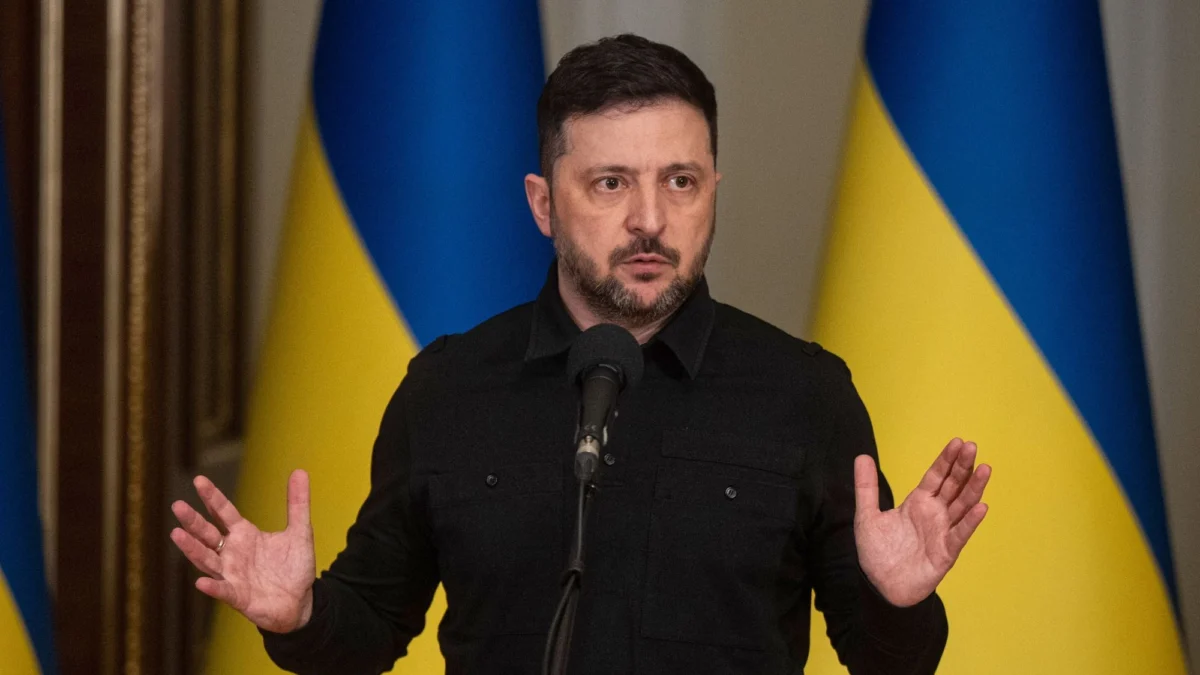
- Support Ukraine: As winter approaches, Ukraine’s need for humanitarian aid, energy infrastructure repairs, and financial assistance remains critical. A robust EU budget is essential to sustain this support and demonstrate unwavering solidarity.
- Address the Middle East Crisis: The escalating tensions and humanitarian needs in the Middle East demand a coordinated EU response, both diplomatically and financially.
- Tackle Climate Change: The ambitious targets of the European Green Deal require substantial investment in sustainable transitions across all sectors.
- Accelerate Digital Transformation: Competing in the global digital economy necessitates significant funding for research, infrastructure, and skills development.
- Manage Enlargement: The prospect of welcoming new member states from the Western Balkans, Ukraine, and Moldova, while vital for geopolitical stability, requires substantial pre-accession and post-accession funding to ensure successful integration and cohesion.
A failure to agree on a forward-looking and adequately funded MFF would not only undermine the EU’s credibility on the global stage but also jeopardize its internal cohesion and capacity to deliver tangible benefits to its citizens.
The Long Shadow of the 2028-2034 MFF
The "long-term effects" highlighted in the original article’s headline are indeed central to this summit. The MFF for 2028-2034 will essentially define the EU’s strategic priorities and operational capabilities for nearly a decade. It will determine the trajectory of key policies, the pace of integration, and the Union’s ability to adapt to unforeseen future crises. The challenge for leaders is to balance national financial concerns with the collective imperative to build a resilient, competitive, and unified Europe. Achieving a compromise will require significant political will, flexibility, and a shared vision for the future of the European project.
Beyond the Budget: Other Critical Agenda Items
While the budget dominates headlines, the summit’s other agenda items are equally critical and often intertwined with financial decisions:
- Bureaucracy Reduction: Leaders are keen to explore ways to streamline EU processes, reduce administrative burdens, and enhance the efficiency of European governance, which could free up resources and improve public perception.
- EU Enlargement: The discussion on who may soon join the EU is highly sensitive. It involves not only the readiness of candidate countries but also the EU’s own capacity for absorption and institutional reform. Financial implications of enlargement are vast, requiring investment in new member states’ infrastructure and economies.
- Ukraine Aid: Beyond immediate winter aid, leaders will discuss long-term support for Ukraine’s reconstruction and eventual integration, a massive undertaking that will require sustained financial commitment.
- Middle East Crisis and Energy Security: The volatility in the Middle East directly impacts global energy markets. European leaders will discuss strategies to bolster energy security, diversify supplies, and mitigate the impact of rising energy prices on consumers and businesses, potentially requiring new investments in renewable energy and infrastructure.
The comprehensive nature of the summit’s agenda reflects the multifaceted challenges confronting the European Union. The ability of leaders to navigate these complex issues, particularly the contentious budget negotiations, will be a defining moment for the continent, setting the tone for European integration and its global standing in the years to come.