MANNHEIM – The global agricultural and energy landscapes are currently undergoing a period of profound volatility, and few companies illustrate this transformation as clearly as the Mannheim-based food and bio-energy conglomerate, Südzucker AG. In a recent announcement that sent shockwaves of optimism through the financial markets, the company reported a stellar performance for the quarter ending in August 2026. With an 80 percent leap in operating profit compared to the previous year, Südzucker has not only exceeded analyst expectations but has also significantly upgraded its fiscal guidance for the 2026/27 financial year.
As shares of the SDAX-listed firm surged by as much as eight percent, investors are beginning to recognize how effectively the company has leveraged a "perfect storm" of global conditions—specifically, the nexus of climate-induced agricultural disruption and the escalating geopolitical tensions in the Middle East.
Main Facts: A Robust Financial Upward Trajectory
The latest financial disclosures from Südzucker paint a picture of a company capitalizing on its diversified business model. For the fiscal year ending in February 2027, the company has revised its revenue expectations upward to a range of 8.3 to 8.7 billion euros, an increase of 200 million euros over previous estimates. Perhaps more importantly, the operating profit forecast has been narrowed to a range of 540 to 680 million euros, signaling a strong confidence in the company’s ability to maintain margins in a turbulent environment.
This revision follows a remarkable quarterly performance where the operating profit hit 168 million euros. This success is not accidental; it is the result of high-performing business segments—specifically its specialty foods division and its bio-ethanol subsidiary, CropEnergies—navigating a global market where supply is shrinking while demand remains stubbornly high.
Chronology of a Market Shift
The path to this quarter’s success was paved by several critical developments over the past 18 months:
- Early 2024: Südzucker consolidated its control over CropEnergies, taking the unit private and increasing its stake to over 94 percent. This strategic move ensured that any gains in the bio-ethanol market would accrue directly to the parent company.
- Summer 2026: As drought conditions intensified across major sugar-producing regions, global sugar prices saw a meteoric rise, increasing by nearly 20 percent since the start of the year.
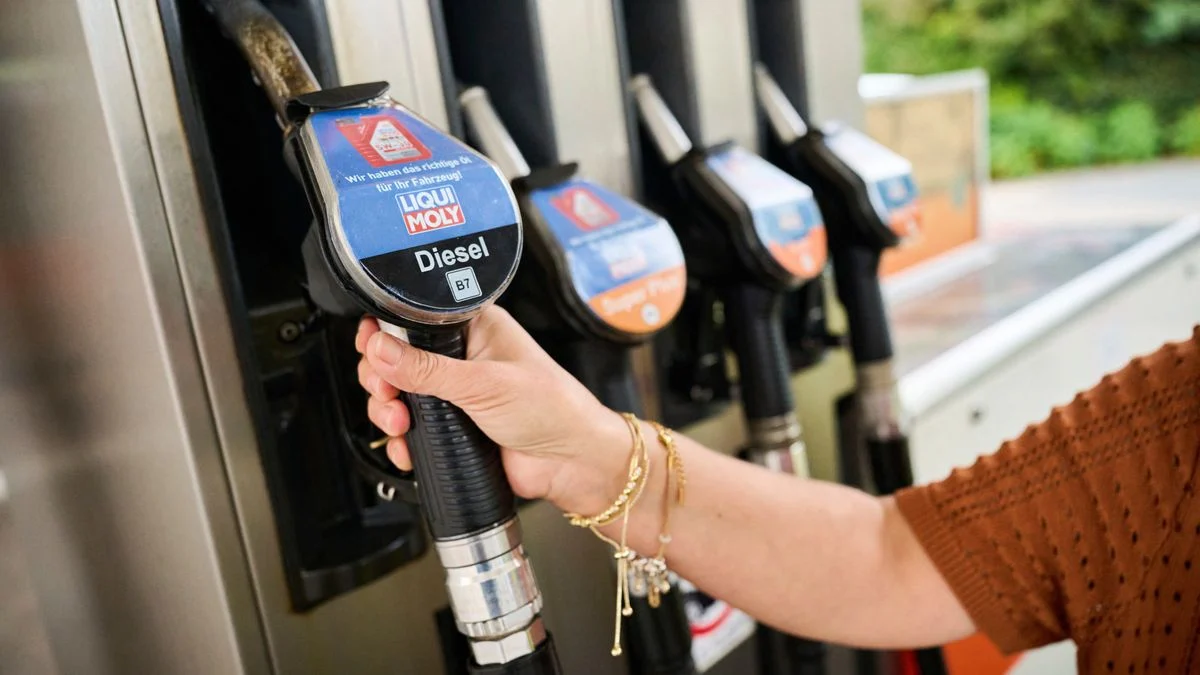
- Late Summer 2026: The intensification of the Iran conflict led to a sustained rally in crude oil prices. As a direct consequence, the market for alternative fuels, specifically bio-ethanol, became significantly more attractive, creating a secondary revenue stream for Südzucker.
- September 28, 2026: The company issued its updated earnings guidance, triggering a significant rally in its stock price, which has seen an overall gain of nearly 40 percent year-to-date.
Supporting Data: The Drivers of Growth
Südzucker’s success is anchored in two primary pillars: the skyrocketing price of raw sugar and the surge in bio-ethanol demand.
The Sugar Deficit
The global sugar market is currently experiencing a supply crunch. Climate change has manifested as persistent, severe drought periods in key sugar-cane and sugar-beet regions, leading to repeated harvest failures. When supply contracts, prices rise, and as a market leader, Südzucker has been able to pass these costs on to consumers and food manufacturers.
The Energy Link
Südzucker’s subsidiary, CropEnergies, has become a vital component of the company’s resilience. The price of ethanol is intrinsically linked to the availability of its raw materials—maize, sugar beet, and wheat—all of which have seen their own supply constraints. Ethanol prices have risen nearly 16 percent since the beginning of 2026.
Furthermore, the "Iran Factor" has altered the energy calculus. As geopolitical instability drives up the cost of oil, governments are accelerating the shift toward renewable alternatives. The policy momentum behind "E20" fuel—a blend containing 20 percent bio-ethanol—has moved from theoretical discussion to legislative priority within the European Union. This shift creates a structural floor for ethanol demand, decoupling it from the volatility of fossil fuel supply chains.
Official Responses and Strategic Management
The management at Südzucker has maintained a pragmatic, if cautious, outlook. While the current windfall is significant, the company acknowledges the inherent volatility of its operational environment. By bringing CropEnergies back under full control, the board demonstrated an intent to streamline operations and maximize the synergy between its food production and energy units.
In a statement following the earnings release, the company noted that while the current market conditions are favorable, the "short-term nature of many of these drivers" necessitates a cautious approach to long-term projections. The board is prioritizing debt reduction and capital efficiency, ensuring that the company remains insulated should the geopolitical climate stabilize or agricultural yields recover unexpectedly.
Implications: A New Era for Agricultural Conglomerates
The success of Südzucker carries significant implications for the broader European market and the industrial sector at large.
1. The Climate-Profitability Paradox
Südzucker’s case serves as a stark reminder that in the modern economy, climate change does not impact every firm negatively. While climate instability poses a threat to long-term food security, companies with the ability to manage supply chain logistics and pivot toward bio-energy can find themselves in a position of "climate-driven profitability."
2. Geopolitical Hedging
For years, investors looked for companies that were insulated from political risk. Südzucker, however, has proven that there is a strategic advantage in being positioned exactly where geopolitical risk meets energy policy. By providing a "cleaner" alternative to oil, the company has essentially hedged against the volatility of the oil market.
3. Investor Sentiment and Market Stability
Despite the ongoing regional conflicts and the upward pressure on oil prices, the broader German market, represented by the DAX, has shown remarkable resilience. The fact that the DAX is hovering near 25,418 points, even as regional instability continues, suggests that institutional investors are increasingly viewing companies like Südzucker as "safe havens"—entities that provide tangible goods and essential energy components, rather than speculative tech or services.
4. Future Challenges
The road ahead is not without obstacles. The reliance on short-term market fluctuations means that Südzucker’s stock may experience periods of high volatility. Furthermore, the company faces potential regulatory pushback if high food prices lead to social unrest or if governments decide to cap the prices of essential commodities like sugar. Additionally, the transition to a high-biofuel economy requires massive investment in infrastructure, a burden that will fall on both the public sector and private conglomerates.
Conclusion
Südzucker’s 2026 performance is a masterclass in adaptation. By effectively navigating the dual pressures of a warming planet and a destabilized geopolitical order, the company has transformed potential threats into a record-breaking fiscal period. As it looks toward the remainder of the 2026/27 financial year, the challenge for the Mannheim giant will be to sustain this momentum while preparing for a global market that is fundamentally less predictable than it was a decade ago.
For shareholders, the lesson is clear: in an era of global volatility, the companies that thrive are those that provide the basic building blocks of life and energy, and that know how to pivot when the winds of global politics shift. As the company continues to refine its strategy, all eyes will be on whether these gains can be solidified into a new, higher baseline for long-term growth, or if they remain merely a symptom of a highly abnormal global cycle.