Introduction: A Tale of Two Realities
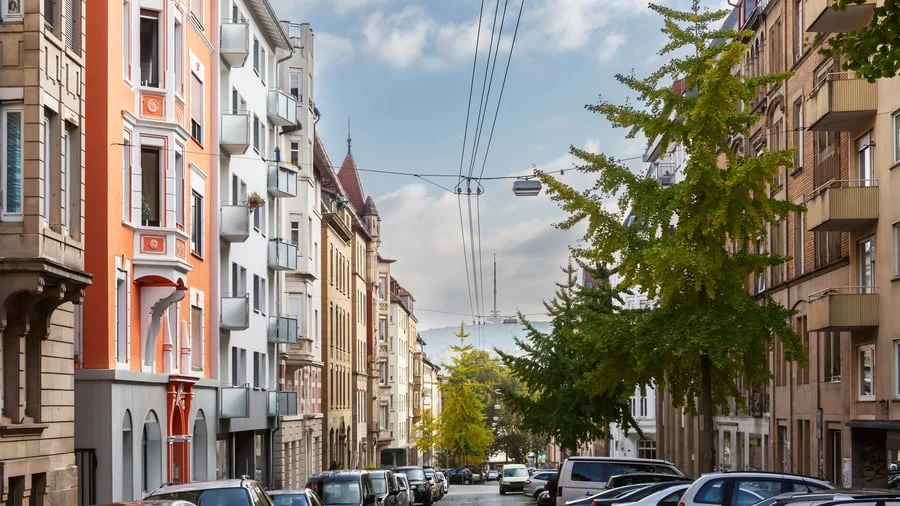
The German housing market, long considered a pillar of economic stability, is currently undergoing a period of profound transformation. As the latest GREIX-Mietpreisindex (German Real Estate Index) published by the Kiel Institute for the World Economy (IfW) reveals, the days of uniform price trends across the country are over. Instead, a striking divergence is emerging: while some metropolitan hubs are experiencing an aggressive acceleration in asking rents, other urban centers are seeing a surprisingly moderate, or even stagnant, trajectory.
For prospective tenants, this creates a landscape of uncertainty. The search for affordable housing has evolved into a strategic challenge, where geographic choice plays a more significant role than ever before. This article explores the mechanics behind these shifting rental trends, the socio-economic factors driving the disparity, and what the current data suggests for the future of urban living in Germany.
Main Facts: The Current State of the Rental Market
The core finding of the latest data from the Kiel Institute is that the rental market is no longer moving in lockstep. The index, which tracks rental prices across 37 major German cities and regions, highlights that the "housing crisis" is not a monolithic event, but a collection of localized phenomena.

- The Divergence: Certain Tier-1 cities are seeing double-digit percentage growth in asking rents, driven by a chronic shortage of supply and a persistent influx of residents.
- The "Cooling" Pockets: In contrast, some mid-sized cities that were previously considered "up-and-coming" are beginning to show signs of price fatigue, where the rapid rent increases of the past few years have reached a ceiling.
- The Index Methodology: The GREIX-Mietpreisindex is a robust metric that analyzes actual listings rather than just contract rents. This provides a "real-time" pulse of the market, reflecting what a new tenant would pay today, rather than what a long-term resident might be paying under an old lease.
Chronology: How We Arrived at This Juncture
To understand today’s rental landscape, one must look at the timeline of the last five years, which have been defined by extreme volatility.
2020–2021: The Pandemic Effect
At the start of the COVID-19 pandemic, there was widespread speculation that city centers would lose their appeal as remote work became the norm. Indeed, for a brief window, rental growth slowed in the most expensive cities like Berlin and Munich, as people sought more space in the suburbs.
2022: The Interest Rate Shock
The landscape shifted dramatically in 2022. As the European Central Bank (ECB) began raising interest rates to combat inflation, the era of "cheap money" ended. This had a dual effect: first, many prospective buyers were priced out of the homeownership market, forcing them to remain in the rental pool for longer. Second, construction projects ground to a halt as financing costs soared, severely limiting the delivery of new, much-needed rental units.

2023–2024: The Supply-Demand Mismatch
The current environment is characterized by a "locked-in" effect. Existing tenants are staying put because moving would mean signing a new contract at significantly higher market rates. This has caused a massive drop in the availability of "re-letting" apartments, creating a vicious cycle that pushes up the price of the few units that do become available.
Supporting Data: Analyzing the Regional Disparities
The GREIX data emphasizes that location is the primary determinant of rent volatility. While national averages exist, they often mask the extremes at the local level.
The High-Pressure Hubs
In cities like Munich, Berlin, and Hamburg, the demand-side pressure remains relentless. The data shows that in these markets, the competition for a single apartment can involve hundreds of applicants. The result is a sharp, upward pressure on asking rents that shows little sign of abating. The lack of new supply is the primary culprit here; in Berlin, for instance, the construction of new apartments has fallen significantly short of the Senate’s targets for years.
The Moderate Performers
Conversely, cities like Leipzig or certain regions in the Ruhr area are witnessing a shift. After years of explosive growth as people sought alternatives to the ultra-expensive hubs, these markets are now showing signs of moderation. Investors who bet on rapid, perpetual growth in these secondary markets are finding that the local wage levels are struggling to keep up with the asking prices, leading to a natural correction in the market.
Official Responses and Expert Analysis
Policy makers and economic institutes are split on the best path forward. The debate centers on whether the solution lies in stricter regulation or supply-side stimulation.
The Regulatory Argument
Many political factions continue to advocate for tighter "Mietpreisbremse" (rent brake) laws. The argument is that in an era of high inflation, the housing market requires protection to ensure that city centers remain accessible to essential workers. Critics of this approach, however, point to historical data suggesting that rent controls often lead to a "shadow market" and discourage landlords from investing in energy-efficient renovations, which are currently mandated by the EU’s Green Deal.

The Economic Perspective
Economists at the IfW and other institutions argue that the only sustainable way to combat rising rents is to tackle the "supply gap." They point to the bureaucratic hurdles, the high cost of building materials, and the stringent environmental regulations that make new construction prohibitively expensive. Without a reduction in the "cost of building," they argue, the supply of new, affordable apartments will remain stuck in a state of paralysis.
Implications: The Long-Term Social Consequences
The trend of rising rents has significant implications for the fabric of German society.
The "Squeezed" Middle Class
The most significant impact is on the middle class. While low-income earners may qualify for social housing or rental subsidies, and the wealthy are largely insulated from price fluctuations, the middle-income demographic—teachers, nurses, engineers—find themselves increasingly squeezed. This leads to longer commutes and reduced disposable income, which in turn cools the local retail and service economies.

The Shift in Demographics
We are witnessing a "suburbanization of the workforce." Younger families are increasingly looking to the periphery of major cities to find affordable living space. While this can revitalize suburban areas, it also places immense pressure on local infrastructure, particularly public transportation, which is often not designed for such rapid population growth.
Impact on Mobility
The rental market is also acting as a brake on labor mobility. When an employee is offered a job in a different city, the prospect of having to find a new apartment at current market rates often prevents them from accepting the offer. This "lock-in" effect is not only a personal issue but a macroeconomic one, as it hinders the efficient allocation of labor across the German economy.
Conclusion: The Path Ahead
The latest rental index confirms that Germany is in the midst of a structural adjustment. The era of low-interest-rate-fueled growth in the housing sector has ended, and the market is now forced to contend with the realities of supply constraints and shifting urban demographics.

Moving forward, the success of the housing market will depend on a multi-pronged approach. While regulation may provide short-term relief, the long-term health of the market depends on unlocking construction capacity. This requires a concerted effort to simplify planning processes, incentivize sustainable building practices, and perhaps, a rethink of how we define "living space" in an era where remote work has redefined the necessity of living in the immediate city center.
For now, prospective tenants must remain vigilant, prioritize location-agnostic employment where possible, and prepare for a market where the gap between the "haves" (those with existing, older contracts) and the "have-nots" (those looking for new housing) continues to widen. The "Great Rental Divide" is not just a temporary fluctuation; it is a fundamental shift that will shape the German urban experience for years to come.