Kyiv, Ukraine – October 14, 2026 – The Ukrainian capital, Kyiv, found itself once again in the crosshairs of a relentless Russian assault late yesterday evening. A barrage of ballistic missiles struck the city, igniting fires and causing casualties. President Volodymyr Zelenskyy expressed grave concern over the lack of prior warning from Western allies, a sentiment echoed by Ukrainian officials. The attack, which targeted critical energy infrastructure, has amplified existing tensions between Kyiv and Washington, casting a shadow over the future of crucial intelligence cooperation.
The Barrage and its Immediate Aftermath
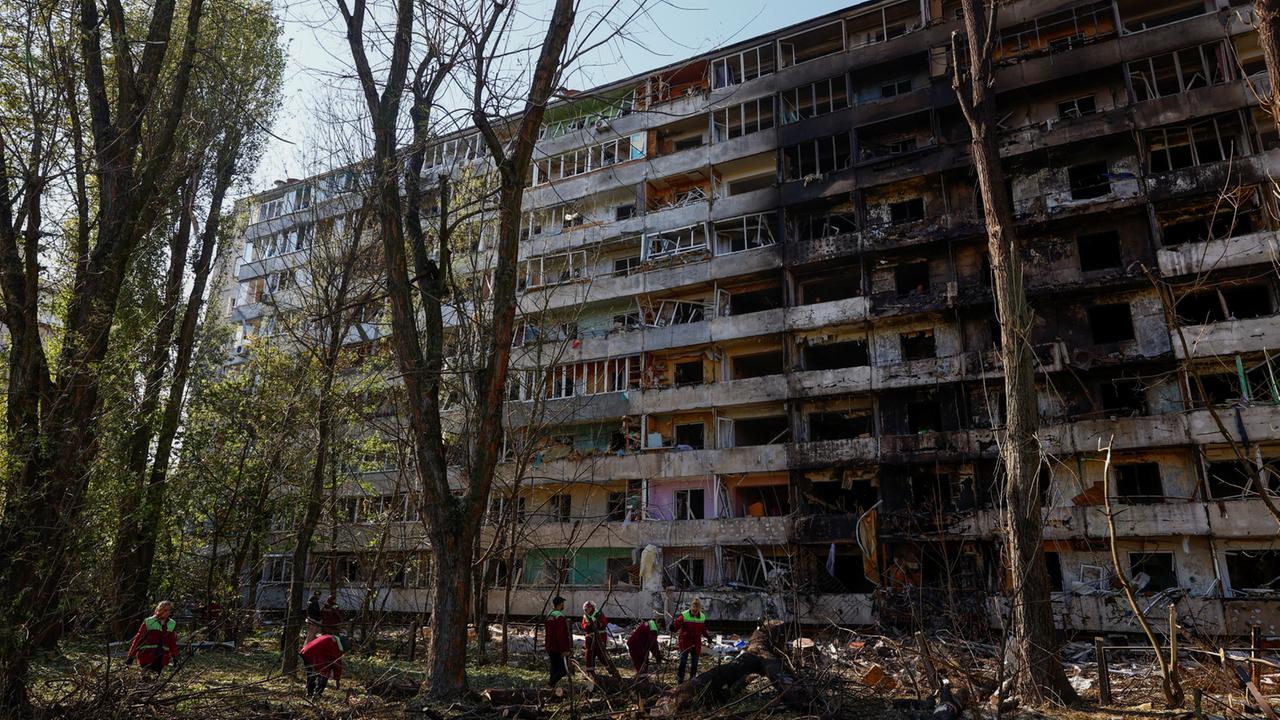
The latest assault on Kyiv unfolded with terrifying speed. According to the Ukrainian news portal, The Kyiv Independent, the city was rocked by explosions mere moments after air raid sirens wailed across the metropolis. The immediate aftermath saw a nine-story residential building engulfed in flames, a stark testament to the indiscriminate nature of the attack. Mayor Vitali Klitschko reported a grim toll of at least two fatalities and over 20 individuals injured, with rescue operations commencing amidst the wreckage.
The primary target, as revealed by President Zelenskyy via social media, appeared to be the city’s energy infrastructure, specifically targeting the heating and power plant CHP-4. "Russian attack with a ballistic missile on Kyiv. Once again, no prior warning from our partners," Zelenskyy stated, underscoring a recurring pattern of intelligence gaps that leave Ukraine vulnerable. While he did not immediately provide details on casualties or further damage to the power plant, the strategic targeting of such facilities highlights Russia’s ongoing campaign to cripple Ukraine’s ability to sustain itself during the harsh winter months.
A Pattern of Unwarned Attacks and Growing Frustration
The lack of advanced warning regarding these missile strikes is a significant point of contention for the Ukrainian leadership. Dmytro Lytwyn, an advisor to the Ukrainian President, informed journalists, as reported by The Kyiv Independent, that international partners, including the United States, had provided no advance notice of the incoming missiles. This confirmation from the Ukrainian Air Force further deepens the concern.
This recurring intelligence deficit comes at a critical juncture in the protracted conflict. Ukraine has become heavily reliant on Western intelligence, particularly from the United States, for early warnings of Russian attacks and for identifying strategic targets. The perceived failure to provide timely intelligence not only jeopardizes civilian lives but also potentially impacts Ukraine’s operational capabilities on the battlefield.
Escalating Tensions: The Trump Factor
The current situation is significantly complicated by a recent shift in the political landscape of the United States and its implications for Ukraine. The article highlights a series of public statements and actions by former US President Donald Trump that have created considerable friction with Kyiv.
Trump, following a meeting with Russian President Vladimir Putin, announced plans to purchase hundreds of thousands of tons of diesel fuel from Russia. This move, widely seen as a concession to Moscow, was followed by Trump’s public calls for new elections in Ukraine and the ousting of President Zelenskyy. Trump asserted that Ukraine needed a new leader capable of negotiating an end to the war, a stance that appears to disregard Russia’s role as the aggressor and its consistent refusal to engage in meaningful peace talks. Furthermore, Trump falsely claimed that Ukraine’s attacks on Russian energy infrastructure had contributed to global diesel shortages, while the article correctly points out that rising crude oil and diesel prices were primarily driven by the conflict in the Middle East.
The Threat to Intelligence Sharing: A Dangerous Precedent?
The article raises a critical question about the potential cessation of vital intelligence sharing between the US and Ukraine. While not officially confirmed, reports suggest that the United States may have threatened to cut off this flow of information. The Financial Times, citing European officials, reported that the US had warned Ukraine to cease attacks on Russian energy infrastructure, or face the suspension of intelligence support.
This potential withholding of intelligence marks a dangerous escalation in the complex geopolitical dynamics surrounding the war. It could be interpreted as a leverage tactic, attempting to dictate Ukraine’s strategic decisions regarding its defense. The article also references a previous instance in March 2025, following what was described as an "orchestrated humiliation" of President Zelenskyy during his visit to the White House, where Washington temporarily suspended the provision of certain essential military intelligence to Ukraine. This was officially confirmed by CIA Director John Ratcliffe at the time, illustrating a precedent for the curtailment of crucial support.
Trump’s prior announcement of an "energy ceasefire" between Russia and Ukraine, which Moscow evidently disregarded by continuing its attacks on civilian targets, further underscores the volatile and unpredictable nature of these international relations.
Implications for Ukraine’s Defense and Global Stability
The implications of reduced or halted intelligence sharing are profound for Ukraine’s ability to defend itself. Early warning systems are paramount in mitigating the impact of missile and drone attacks, saving lives, and allowing for the mobilization of air defenses. Without this crucial information, Ukraine faces an even greater disadvantage against a persistent and technologically advanced adversary.
Moreover, the apparent friction between Kyiv and Washington, as highlighted by Trump’s statements and the potential intelligence cut-off, could embolden Russia and undermine the united front that has been critical in supporting Ukraine. It raises concerns about the long-term commitment of key allies and could create divisions within the international coalition supporting Ukraine.
The targeting of energy infrastructure is a deliberate strategy by Russia to break the will of the Ukrainian people and cripple the nation’s economy, especially as winter approaches. The lack of timely warnings exacerbates this threat, making it more challenging for Ukraine to implement effective countermeasures and protect its citizens.
The ongoing conflict has already had significant global ramifications, from energy markets to food security. Any further destabilization, potentially exacerbated by weakened intelligence cooperation, could have far-reaching consequences for international security and stability. The world is watching closely as these critical geopolitical developments unfold, with the fate of Ukraine hanging precariously in the balance. The need for clear, consistent, and reliable intelligence sharing between allies has never been more paramount.