


Budapest, Hungary – October 13, 2026 – In a landmark decision that signals a dramatic shift in Hungary’s socio-political landscape, the nation’s parliament today voted to repeal key provisions of the controversial "child protection law" enacted under former Prime Minister Viktor Orbán. The legislation, which severely restricted the rights and visibility of LGBTQ+ individuals, particularly concerning minors, had drawn widespread international condemnation and triggered significant conflict with the European Union.
The decisive vote, with 139 in favor and 51 against, saw lawmakers strike down the sections that prohibited the depiction and "promotion" of homosexuality and gender diversity to individuals under the age of 18. This move represents a clear and significant departure from the policies of the Orbán era, with the new government, led by Prime Minister Péter Magyar and his centrist-conservative Tisza party, having ousted Orbán’s Fidesz party in the April parliamentary elections.
A Turning Point: From Restriction to Re-engagement
For years, Hungary under Viktor Orbán implemented a series of measures that progressively curtailed the rights of sexual and gender minorities. Books deemed to contain LGBTQ+ themes were forced into black plastic wrapping in bookstores, certain films and television programs faced restrictions on depicting same-sex relationships, and Pride parades were frequently met with administrative hurdles and outright bans. The rationale presented by the Orbán government for these measures was the protection of children. However, critics vehemently argued that these laws were discriminatory, equating homosexuality with pedophilia and sexual violence against children, thereby deeply stigmatizing the LGBTQ+ community.
The repeal of these provisions marks a significant victory for LGBTQ+ rights advocates in Hungary and a strong signal of the new government’s commitment to aligning with European values. Prime Minister Magyar, who had campaigned on a platform of breaking with Orbán’s authoritarian tendencies and improving relations with the EU, has now taken a concrete step in that direction. While Magyar had previously maintained a degree of caution on LGBTQ+ issues during his campaign, this legislative action demonstrates a clear willingness to address past injustices.
Chronology of Discrimination and the Path to Repeal
The controversial "child protection law" was initially passed in 2021. Its passage was met with immediate outcry from human rights organizations, LGBTQ+ activists, and international bodies. The law’s central tenets focused on restricting access to information for minors regarding sexual orientation and gender identity. This manifested in tangible ways:
- Bookstore Restrictions: Retailers were compelled to sell books addressing LGBTQ+ themes in opaque, black plastic packaging, effectively rendering them invisible and inaccessible to young readers. This created a chilling effect on publishers and authors, discouraging the creation and distribution of diverse content.
- Media Censorship: The law imposed limitations on the portrayal of same-sex relationships and gender diversity in television, film, and advertising. This not only reduced the visibility of LGBTQ+ individuals in public life but also contributed to their marginalization.
- Educational Restrictions: While not explicitly banning all discussion, the law created a climate of fear and uncertainty around educating young people about LGBTQ+ issues, making it difficult for schools and educators to provide comprehensive and inclusive information.
- Impediments to Public Gatherings: The "child protection" provisions were frequently invoked as a justification for denying permits for Pride marches and other LGBTQ+ events, effectively stifling public expression and celebration of LGBTQ+ identity.
The impact of these restrictions extended beyond the borders of Hungary, creating significant friction with the European Union. In late 2022, the EU began withholding approximately half a billion euros in funding from Hungary, citing the country’s non-compliance with EU values and laws, particularly concerning the rule of law and fundamental rights, with the child protection law being a key point of contention. Further solidifying the EU’s stance, the European Court of Justice ruled in April of this year that Hungary’s "child protection" regulations violated EU law and the Union’s core principles.
The election of Péter Magyar and the Tisza party presented a clear opportunity for a policy reversal. Magyar’s administration has framed the repeal as a necessary step to re-establish Hungary’s credibility on the international stage and to foster a more inclusive society. The new law aims to shift the focus of child protection efforts towards genuine threats, such as sexual violence and exploitation, and away from the stigmatization of minority groups.
Supporting Data and International Reaction
The discriminatory nature of Orbán’s "child protection law" was well-documented. Reports from organizations like Amnesty International and Human Rights Watch consistently highlighted the negative impact on the LGBTQ+ community, detailing instances of increased harassment, discrimination, and mental health challenges among young LGBTQ+ individuals who felt increasingly isolated and unsupported.
The EU’s actions, including the withholding of funds and the ruling by the European Court of Justice, provided significant external pressure for change. These bodies underscored that the law not only violated Hungary’s commitments as an EU member but also contradicted fundamental human rights principles enshrined in international law.
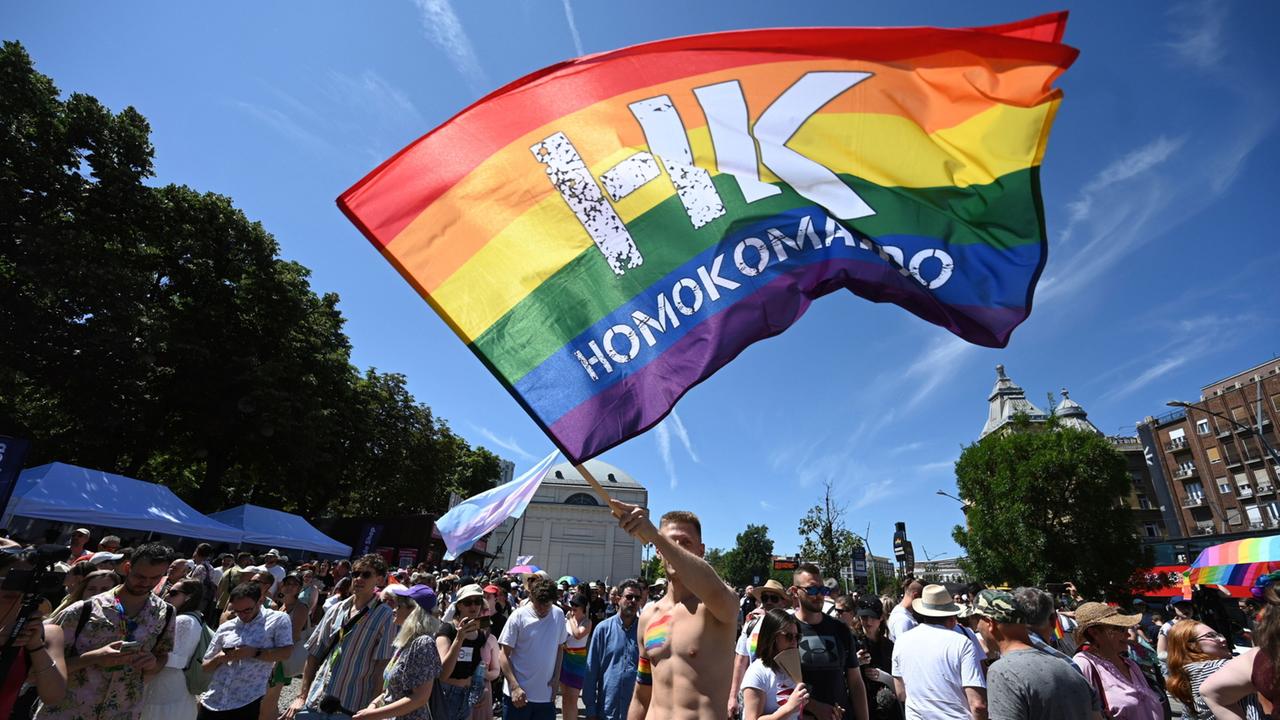
The international community, including many Western governments and human rights organizations, welcomed the news of the repeal. Statements from various quarters expressed relief and optimism that Hungary is moving towards a more rights-respecting future.
Official Responses and Shifting Political Narratives
Prime Minister Péter Magyar has been vocal in his criticism of the previous government’s policies. He has characterized the opposition from members of the former ruling party Fidesz and the far-right Mi Hazank party to the repeal as "shameful," particularly their resistance to a law now focused on protecting children from genuine harm. This rhetorical shift signifies a deliberate effort to reframe the narrative around child protection, moving away from what many considered a politically motivated tool of discrimination.
"This is a crucial step in restoring Hungary’s standing within the European Union and reaffirming our commitment to fundamental human rights," stated a spokesperson for the Prime Minister’s office. "Our government believes in a society where all individuals are treated with dignity and respect, and where the protection of children is focused on real threats, not on the marginalization of minority groups."
The repealed law, under Orbán’s government, was often defended as a measure to safeguard traditional family values and protect children from perceived "gender ideology." This narrative, however, was widely seen as a means to mobilize a conservative base and distract from other political and economic issues. The new government’s approach seeks to dismantle this divisive rhetoric and promote a more inclusive and evidence-based understanding of child welfare.
Implications for the Future of LGBTQ+ Rights in Hungary
The repeal of the "child protection law" is undoubtedly a significant positive development for the LGBTQ+ community in Hungary. It signals a potential end to an era of state-sanctioned discrimination and opens the door for greater visibility, acceptance, and legal protection.
However, questions remain about the extent to which all restrictions imposed under Orbán’s tenure will be fully dismantled. While this repeal addresses a key piece of legislation, other measures and societal attitudes may still present challenges. The LGBTQ+ community and their allies will likely continue to advocate for comprehensive anti-discrimination laws, equal marriage rights, and increased public awareness campaigns to foster a truly inclusive environment.
The move also has broader implications for Hungary’s relationship with the European Union. By reversing course on a policy that led to significant legal and financial disputes, Magyar’s government is signaling a renewed commitment to European integration and shared values. This could pave the way for the unblocking of EU funds and a more constructive dialogue with Brussels.
In conclusion, the Hungarian parliament’s decision to repeal the controversial anti-LGBTQ+ law marks a pivotal moment. It represents a significant step towards rectifying past injustices and aligning Hungary with the democratic and human rights standards upheld by the European Union. While the journey towards full equality and acceptance may still be long, today’s vote offers a powerful beacon of hope for the LGBTQ+ community and a testament to the transformative power of political change.







