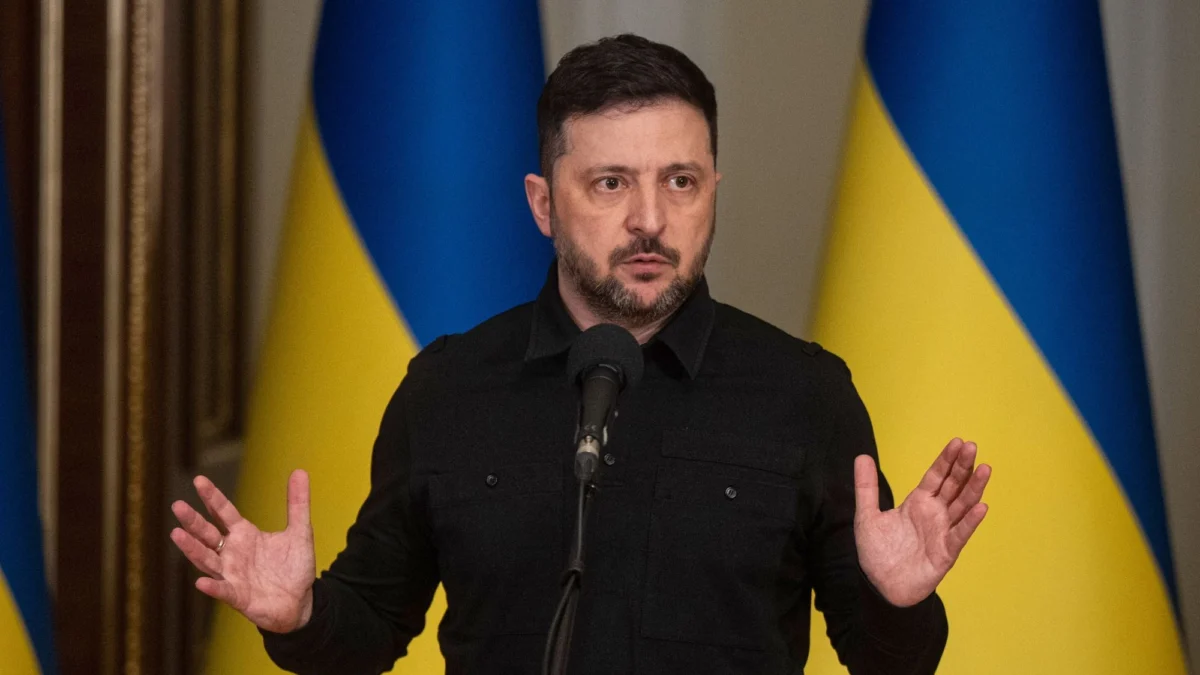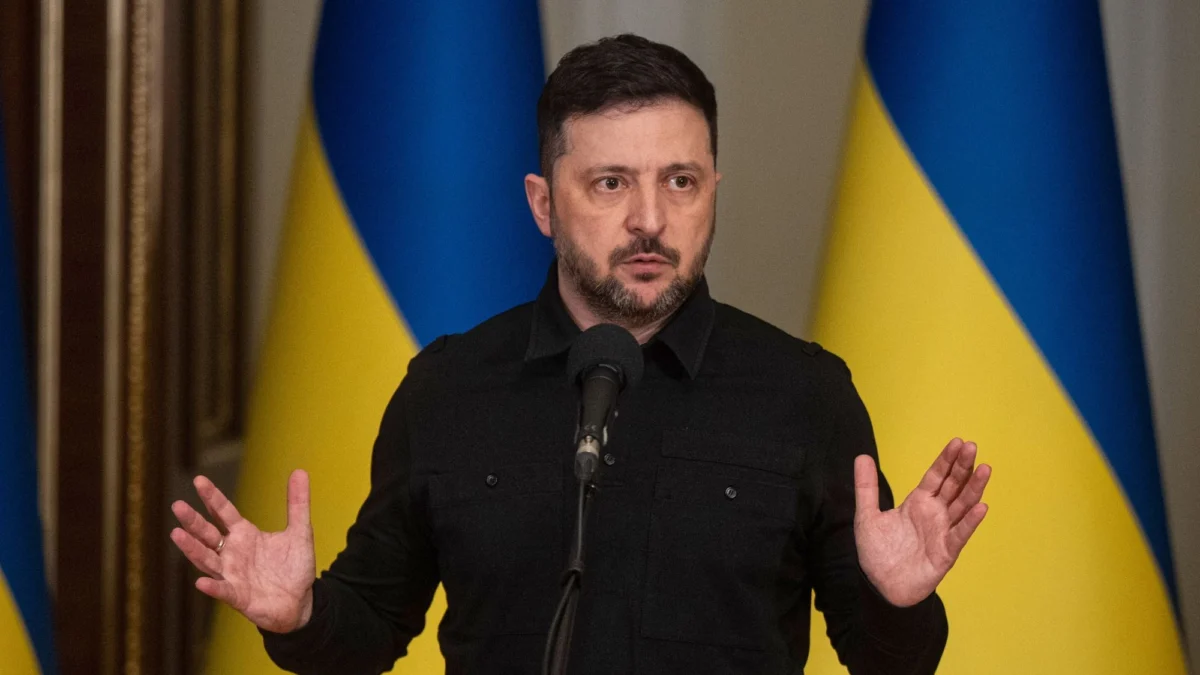
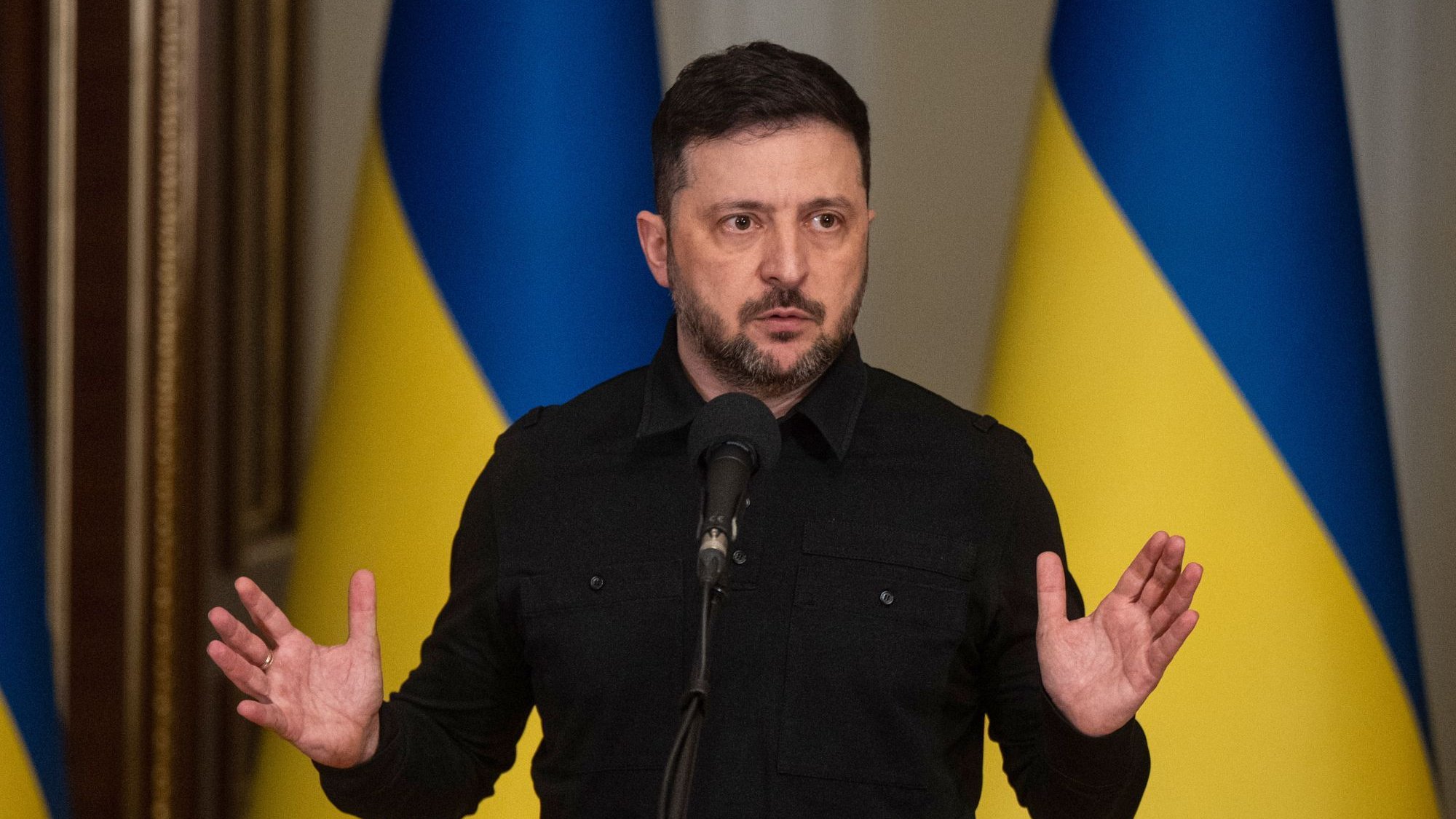
Kyiv, Ukraine – In a significant escalation, Ukrainian President Volodymyr Zelenskyy has announced that Ukraine will resume its drone attacks on Russian oil refineries, declaring that "the block is lifted. We are ready." This decision, revealed in an interview with the Financial Times, signals a renewed and aggressive phase in Ukraine’s strategy to cripple Russia’s war economy, despite previous pressure from Washington to halt such operations. The announcement comes amidst a flurry of diplomatic activity, ongoing military engagements, and complex geopolitical maneuvering involving major international players.
The decision to resume these contentious strikes follows a period where Kyiv had reportedly paused its attacks on Russian energy infrastructure under considerable pressure from the United States. Zelenskyy disclosed that US military officials had threatened to withhold vital intelligence and even slowed the Starlink satellite internet service as leverage to curb the attacks. However, Ukraine points to Russia’s continued and devastating assaults on its own energy infrastructure, which have claimed over 100 civilian lives in the past week alone, as justification for its renewed offensive. This tit-for-tat escalation underscores the brutal reality of the conflict, where both sides are increasingly targeting critical infrastructure far behind the front lines.
The broader international landscape remains fractured, with Western allies grappling with how best to support Ukraine while managing the wider economic and security implications. The United Kingdom is pushing for tougher sanctions against Russia’s shipping sector, while the European Union has committed billions in military aid. Simultaneously, concerns are mounting over the reliability of crucial satellite communication services and the potential for a shift in US foreign policy, particularly given past statements attributed to former President Donald Trump regarding an "energy ceasefire" and reports of proposed asset releases by envoys associated with him.
This multi-faceted crisis is unfolding against a backdrop of intense fighting, cyber warfare, and a deepening humanitarian toll, highlighting the intricate challenges facing Ukraine and its allies as the war enters another critical phase.
Chronology of Recent Developments
The past week has seen a rapid succession of events, illustrating the dynamic and volatile nature of the conflict and its international repercussions.
Ukrainian Resolve and US Pressure (Late Week):
The most impactful development emerged when Ukrainian President Volodymyr Zelenskyy confirmed in a Thursday interview with the Financial Times that Ukraine would resume its attacks on Russian oil refineries. "The block is lifted. We are ready," Zelenskyy stated, indicating a reversal of a previous cessation of such strikes. He revealed that this earlier halt was a direct result of intense pressure from the United States, which had reportedly threatened to cut off crucial intelligence sharing and even throttled the Starlink satellite communication service as a punitive measure. Ukraine’s justification for resuming the attacks is rooted in Russia’s relentless targeting of Ukrainian energy infrastructure, which has caused widespread devastation and resulted in over 100 civilian deaths in the preceding week alone. The reference to former US President Donald Trump denying an "information halt" adds a layer of political complexity, suggesting internal US debates or historical context influencing current policy.
Starlink Restrictions and Musk’s Defense (Mid-Week):
Adding to Ukraine’s challenges, SpaceX, the company behind the vital Starlink satellite internet service, faced accusations from Kyiv of restricting its use, thereby impeding Ukraine’s drone and air defense capabilities. Ukrainian military officials reported that without warning, military Starlink terminals ceased functioning effectively at speeds above 160 kilometers per hour, leading to the abortion of several critical missions. Some units even reported limitations at speeds as low as 72 km/h. Elon Musk, CEO of SpaceX, responded by clarifying that Starshield, the military arm of the network, is US government property and controlled by the US military and ultimately the US President, implying that any restrictions originate from official channels. He further stated that Starlink’s civilian service is limited to defensive activities and cannot be used for offensive military purposes. Poland’s Foreign Minister, Radosław Sikorski, publicly criticized Musk on X (formerly Twitter), questioning whether he was "playing politics" with his products, noting that European customers, including Poland (which pays for Ukraine’s Starlink subscriptions), were closely observing.
Escalation in the Black Sea and Sanctions Debate (Mid-Week):
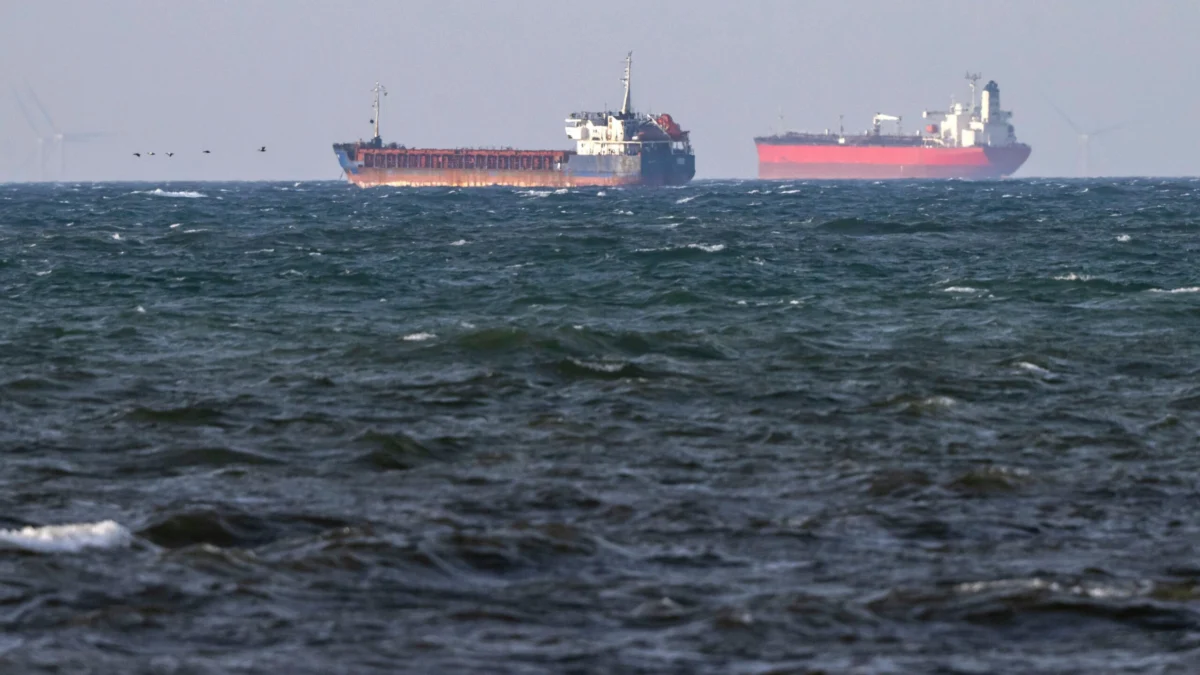
Tensions in the Black Sea escalated dramatically with an explosion and fire on the unloaded tanker "Yara J," flying under the Comoros flag, approximately 10 nautical miles southeast of Sulina, Romania. While Romanian Defense Minister Radu Miruta stated that air defense systems did not detect a drone approaching the vessel, the incident sparked an investigation into a possible drone attack. Fortunately, the 17-person crew, comprising Syrian, Indian, and Iranian nationals, managed to extinguish the fire before Romanian maritime rescue arrived, with no reported injuries. This event occurred just nine days after a Turkish grain ship was hit by a drone and sank near Sfântu Gheorghe in Romania’s exclusive economic zone, killing two crew members.

In response to Russia’s continued aggression and maritime incidents, the UK’s Chancellor of the Exchequer, Jeremy Hunt, urged his counterparts at the IMF annual meeting in Bangkok to implement stricter shipping sanctions against Russia. He emphasized the need to curb Russia’s "shadow fleet" that circumvents existing sanctions and finances its war efforts. This call for tougher measures highlighted a divergence in strategy, as a US government official (likely reflecting internal US debate rather than official Biden administration policy) had reportedly considered easing sanctions on the "shadow fleet" to alleviate record-high global freight rates.
Russian Attacks and Ukrainian Counter-Claims (Mid-Week):
The Russian Ministry of Defense claimed responsibility for missile and drone attacks that targeted six Ukrainian power plants overnight, including facilities in Kyiv, its surrounding region, and Kharkiv. Ukrainian Prime Minister Serhiy Koretskyy confirmed that all three Kyiv thermal power plants were attacked, leaving at least 600,000 people without power. President Zelenskyy condemned these attacks as "demonstrative disrespect" and stated that Russia had employed 39 ballistic missiles and over 120 drones.
Conversely, Ukraine explicitly denied Russia’s claims of hitting Russian oil refineries on Wednesday. Dmytro Lytwyn, an advisor to President Zelenskyy, clarified that while Ukrainian forces did attack a data center and another target in Russia, these were not refineries. This denial directly contradicted Russian Deputy Prime Minister Alexander Nowak’s assertion that Ukraine had shelled two refineries in Saratov and Ryazan, which he presented as evidence that Ukraine was not working towards an "energy ceasefire."
Cyber Warfare and Russian Defenses (Mid-Week):
In a related development, Ukrainian drones successfully struck Russia’s largest data center, operated by Sberbank in the Saratov region. Although Sberbank claimed operations were unaffected, this attack followed previous strikes on Yandex data centers. Kyiv characterized these cyberattacks as retaliatory measures for Russia’s targeting of Ukrainian server farms.
Amidst these cyber threats, Russian President Vladimir Putin convened a meeting with high-ranking officials to discuss cybersecurity, underscoring the growing urgency of the issue. Presidential Spokesman Dmitry Peskov stated that while Artificial Intelligence offers many benefits, various states are attempting to weaponize these new technologies, posing a threat to entire economic sectors. Peskov denied any direct link between this meeting and the recent Ukrainian drone attacks on Russian data centers, asserting that the discussions were "fundamental" in nature and not a reaction to "isolated attacks." Ministers, top security officials, the head of Sberbank, and Central Bank Governor Elvira Nabiullina were among the attendees.
Ground Developments and Humanitarian Impact (Mid-Week):
On the ground, Ukraine reported further gains in its counteroffensive in the eastern Donetsk region. Brigadier General Andriy Biletskyy stated that three more villages had been liberated, bringing the total to 16 recaptured settlements and expanding the reclaimed territory to 277 square kilometers, approximately 30 kilometers north of the strategically important city of Sloviansk. Biletskyy asserted that "the Kremlin’s plan to conquer Donetsk and Luhansk regions will not be realized soon." These claims, though unverified by Reuters, are part of a broader push by Ukraine’s Third Army Corps to dislodge Russian forces north of Sloviansk, a key stronghold in Ukraine’s "fortress belt." Russia continues to demand the cession of the 20 percent of Donetsk it still controls, alongside the nearly fully occupied Luhansk, which together form the resource-rich Donbas region.
Tragically, a Russian attack on the western Ukrainian city of Lutsk resulted in three fatalities and at least twelve injuries. Roman Romaniuk, the local governor, reported on Telegram that drone debris struck a warehouse, and a residential building was also damaged.
Further human cost was revealed by Bangladesh’s Special Response Battalion (SRB), which reported that at least 20 Bangladeshi nationals, allegedly lured to Russia with false promises of work, had died as "bait" on the Ukrainian front lines. Preliminary investigations indicated that these individuals, unfit for combat, were forced into three-week training before being handed over to the Russian military, their passports and mobile phones confiscated upon arrival. The SRB suggested an international human trafficking network was involved in this recruitment scheme.

International Support and Concerns (Mid-Week):
The European Union demonstrated its continued commitment to Ukraine by transferring €2.86 billion for the procurement of drones, air defense systems, and missiles. A spokesperson for the EU Commission stated that these funds are intended to meet Ukraine’s urgent battlefield needs and strengthen its defensive capabilities, specifically for purchasing equipment from Ukrainian companies. However, the Commission declined to comment on the ongoing speculation regarding Starlink’s performance throttling and its potential political motivations.
Meanwhile, NATO Secretary-General Jens Stoltenberg, during a visit to Tallinn, Estonia, urged alliance members to provide more aid to Ukraine, particularly air defense systems, in anticipation of the approaching winter and Russia’s persistent aggression. "Allies must do more," he declared after meeting with Estonian Prime Minister Kristen Michal. Stoltenberg asserted that Russia’s hybrid attacks on NATO allies and its assaults on Ukrainian civilians were signs of weakness, and that "Putin is failing on the battlefield in Ukraine." He reaffirmed NATO’s resolve, stating the alliance possesses all necessary options to respond to these threats, while noting there is no immediate military threat to NATO territory.
Diplomatic Engagements and Political Stances (Mid-Week):
President Zelenskyy traveled to London for talks with British Prime Minister Rishi Sunak, using the opportunity to call on the US and other nations to respond decisively to Russia’s ongoing air attacks. He condemned Russia for squandering opportunities for de-escalation and choosing to continue its "insane war of annihilation." Zelenskyy is also expected to visit an EU summit in Brussels later in the week.
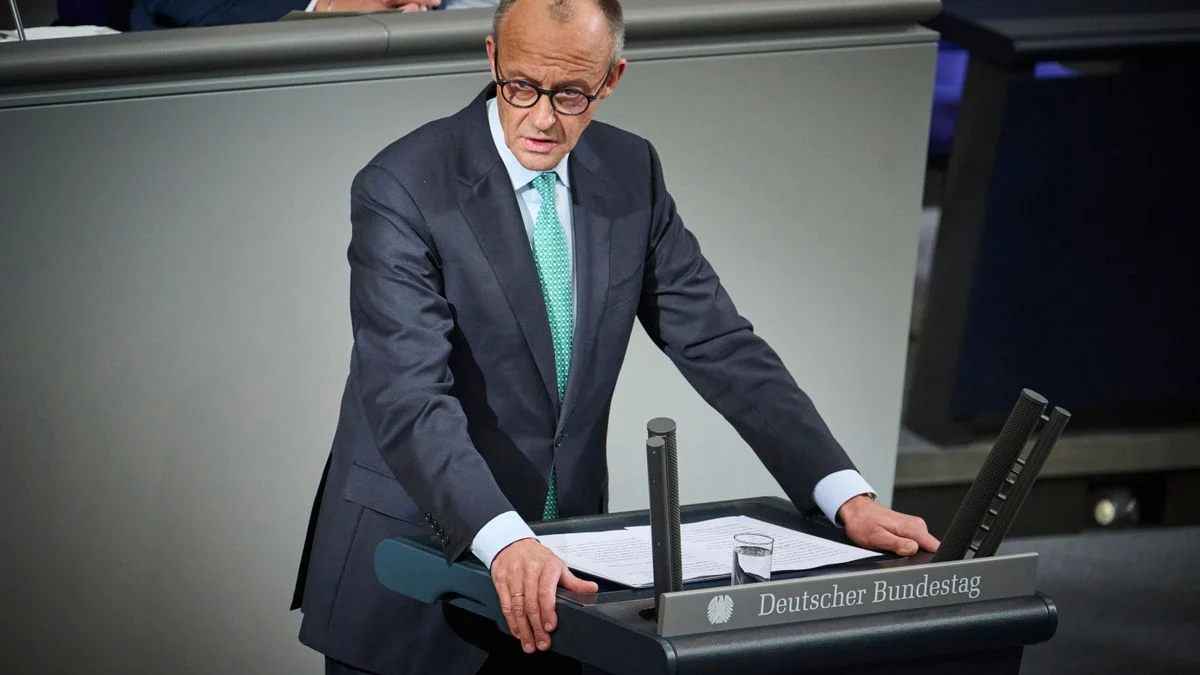
In Germany, opposition CDU leader Friedrich Merz refuted claims from right- and left-wing parties that aid to Ukraine was coming at the expense of social spending. Merz asserted in the Bundestag that "no euro is missing from social spending," explaining that the government utilized a "sectoral exemption" in the debt brake for defense and Ukraine aid. He accused the AfD and Left Party of attempting to divide Germany. Additionally, Johann Wadephul, a CDU foreign policy expert, stressed the importance of maintaining pressure on Russia and avoiding economic "gifts" in light of recent attacks on civilian ships in the Black Sea. He emphasized that "gifts embolden Putin… only toughness creates willingness to talk" and called for an immediate ceasefire for civilian shipping to prevent global food shortages.

French right-wing populist Marine Le Pen, a potential presidential candidate, stated that France could no longer afford to financially support Ukraine, citing the country’s "extremely problematic economic situation" with a high budget deficit and weak economic growth. Her comments highlight a growing divergence in European political discourse regarding aid to Ukraine.
Starlink Ground Station Attacks (Ongoing Investigations):
Beyond the operational restrictions, Starlink ground stations themselves appear to be targets. Following an attack on a Starlink ground station in Poland, a fire also occurred at a facility in Bulgaria near its capital, Sofia. Bulgarian Prime Minister Rumen Radev confirmed the incident but withheld details due to ongoing investigations. However, the pro-Western opposition alliance Democratic Bulgaria (DB) publicly alleged that 11 of 17 antennas at a clandestine Starlink facility near Sofia were "deliberately set on fire" on September 9th. These antennas, crucial for main connections to SpaceX and used in the Ukraine war, led DB to suspect a Russian connection, raising concerns about hybrid warfare targeting vital communication infrastructure.
Supporting Data and Context
The decision by Ukraine to resume attacks on Russian oil refineries is not merely a tactical shift but a strategic move with significant economic and military implications. Russia’s oil and gas revenues are critical to financing its war effort, and successful strikes on refineries can disrupt fuel supplies to the military and impact export earnings. Previous attacks have demonstrated Ukraine’s capability to reach deep into Russian territory, forcing Moscow to divert air defense assets to protect industrial sites rather than frontline positions.
The revelations about US pressure on Ukraine regarding these strikes highlight a complex dynamic within the alliance. Washington’s concern likely stems from the potential for global oil price spikes and an uncontrolled escalation that could draw NATO further into direct conflict. The alleged throttling of Starlink services underscores the dual-use nature of commercial technologies in modern warfare and the considerable leverage held by private companies and their home governments. Starlink has been indispensable for Ukrainian communication, command, and control, particularly for drone operations, making any restrictions a serious blow to Kyiv’s military capabilities.

The Black Sea incidents, particularly the suspected drone attacks on commercial vessels, signal a dangerous expansion of the conflict into international waters, threatening vital shipping lanes for global trade, especially grain exports. This poses a direct challenge to maritime security and international law, drawing condemnation and calls for stricter enforcement of sanctions. The discussion around Russia’s "shadow fleet" further exposes the loopholes in existing sanctions regimes and the persistent efforts to circumvent them.
The EU’s substantial financial commitment to procure drones, air defense systems, and missiles directly from Ukrainian companies is a testament to its long-term strategy to bolster Ukraine’s defense industry and self-sufficiency. This move aims to ensure a more sustainable supply chain for critical military hardware, reducing reliance on external partners in the long run.
The reported deaths of Bangladeshi nationals at the front lines reveal the darker side of recruitment tactics in the conflict. The alleged human trafficking scheme highlights the exploitation of vulnerable individuals from developing countries, drawing them into a brutal war under false pretenses. This points to a desperate need for manpower on the Russian side and raises serious human rights concerns.
Official Responses and International Stance
The latest developments have elicited strong reactions from various international actors, reflecting a complex web of alliances, divergent interests, and strategic calculations.

Ukraine: President Zelenskyy’s assertive stance on resuming refinery attacks is a clear signal of Ukraine’s determination to prosecute the war on Russia’s economic front, despite external pressures. His condemnation of Russia’s continued attacks on Ukrainian energy infrastructure as "demonstrative disrespect" underscores Kyiv’s view that Russia has forfeited any moral high ground or expectation of restraint. The denial of attacks on specific Russian refineries, while acknowledging strikes on data centers, indicates a careful messaging strategy aimed at justifying retaliatory actions while potentially avoiding direct confrontation on specific targets.
Russia: Moscow’s claims of intercepting hundreds of Ukrainian drones and successfully hitting Ukrainian power plants serve to project an image of strength