Introduction: The Return of History
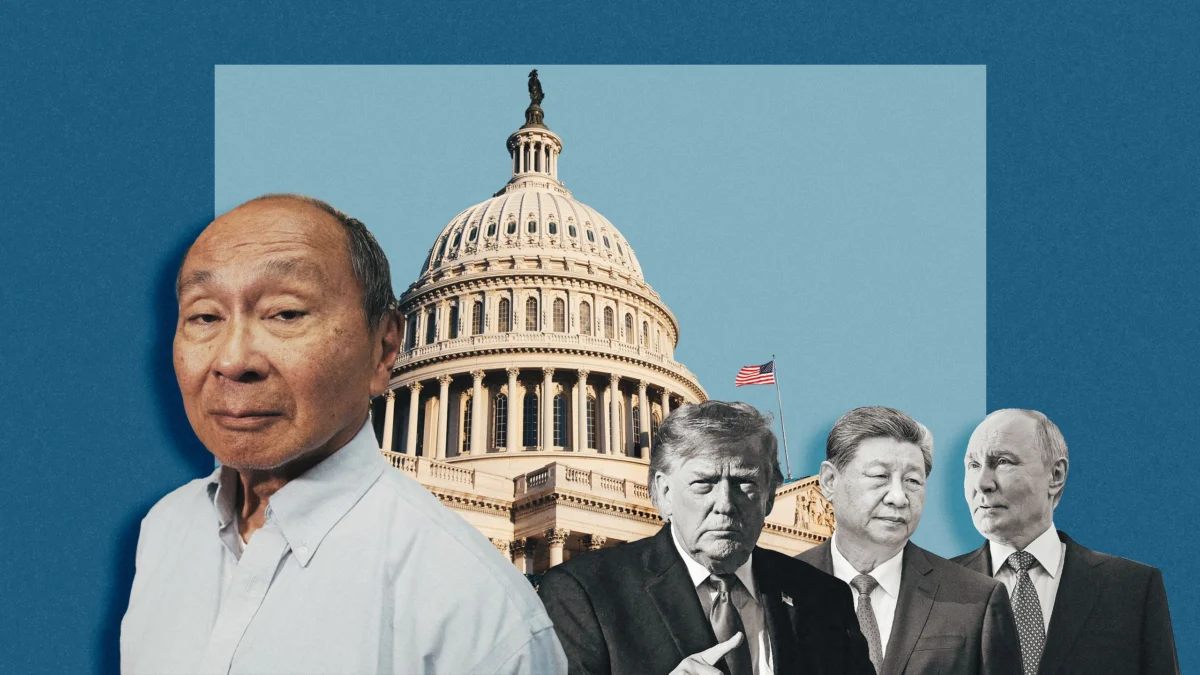
In 1992, Francis Fukuyama, a then-rising star in the firmament of political science, published The End of History and the Last Man. His thesis—that the collapse of the Soviet Union signaled the final triumph of Western liberal democracy as the definitive form of human governance—became the defining intellectual touchstone of the post-Cold War era. Decades later, as the global landscape shifts under the weight of populism, authoritarian resurgence, and geopolitical polarization, the 73-year-old Stanford University professor finds himself in a position he likely never envisioned: defending his life’s work against the harsh, often chaotic realities of the 21st century.
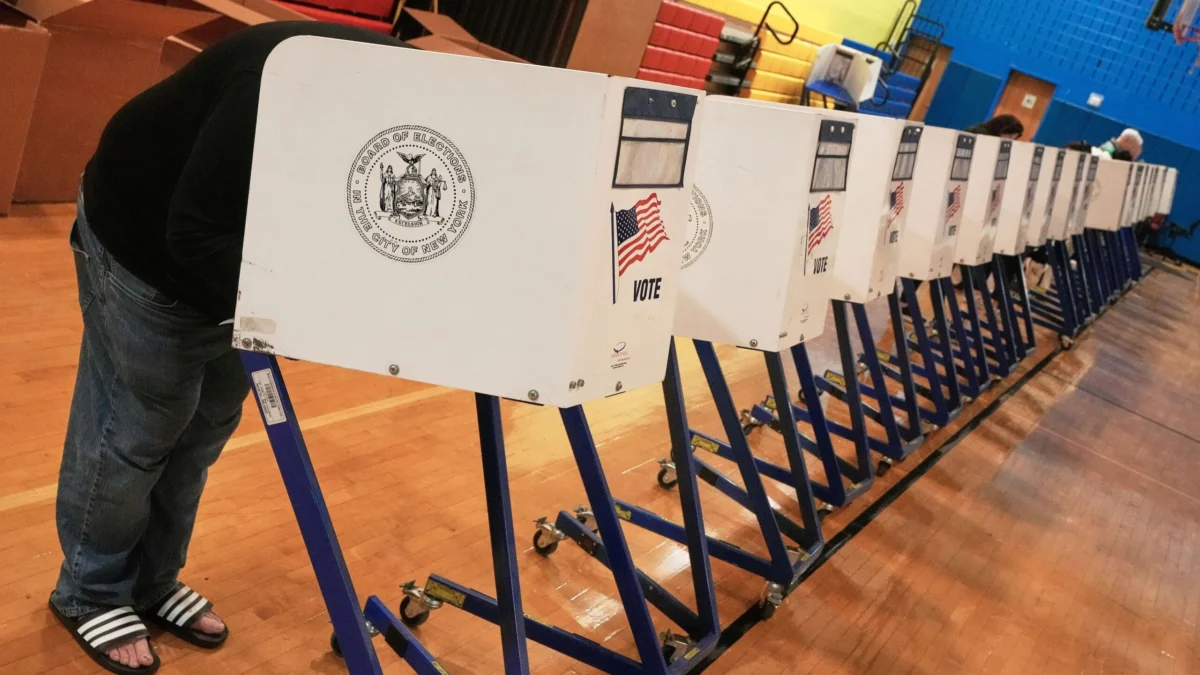
As the United States approaches critical electoral junctions, Fukuyama warns that the "End of History" was never a guarantee of permanence. Instead, it was an invitation to complacency. In a profound assessment of the current state of American democracy, the scholar argues that the institutions once thought to be ironclad are currently facing their most severe stress test since the Civil War.

Main Facts: The Anatomy of the Crisis
The core of Fukuyama’s contemporary concern lies in the erosion of institutional norms. He observes that the "Trumpist" movement represents a fundamental rupture in the American political consensus. According to Fukuyama, the primary threat is not merely the policy agenda of a specific political faction, but the systematic delegitimization of the mechanisms that hold power in check—the judiciary, the electoral process, and the free press.
Fukuyama identifies three specific drivers of this democratic erosion:

- The Cult of the "Strongman": He posits that Donald Trump’s political appeal is rooted in a psychological affinity for authoritarian leaders. By admiring autocrats like Vladimir Putin and Xi Jinping, Trump signals a preference for centralized, unconstrained power over the messy, deliberative processes of democracy.
- Polarization as a Weapon: The transformation of American politics into an identity-based struggle, where the opponent is seen not as a competitor but as an existential enemy, has paralyzed the legislative branch.
- The Erosion of Truth: The post-truth political environment, amplified by social media and ideological silos, has made it impossible for the electorate to agree on a common set of facts, a prerequisite for any functioning democratic society.
Chronology: From the Fall of the Wall to the Rise of Populism
To understand the current crisis, one must trace the timeline of the post-Cold War era:
- 1989–1991: The fall of the Berlin Wall and the subsequent dissolution of the Soviet Union create a vacuum in global ideology. Liberal democracy appears to have no viable challengers.
- 2001: The September 11 attacks and the subsequent wars in Afghanistan and Iraq reveal the limitations of liberal interventionism and the complexities of nation-building.
- 2008: The global financial crisis shatters public confidence in Western economic institutions, leading to the rise of populist sentiments across Europe and the United States.
- 2016: The election of Donald Trump marks the "return of history." For the first time, a major Western power begins to question the value of the democratic alliances and international norms it helped create.
- 2020–2024: The challenge to the legitimacy of the 2020 U.S. presidential election and the subsequent rise of an "anti-establishment" movement solidify the domestic divide, moving the U.S. closer to a state of internal fragility.
Supporting Data: The Global Trend Toward Autocracy
Fukuyama’s observations are bolstered by data from organizations like Freedom House and the V-Dem Institute, which have tracked a decade-long "democratic recession."
- Global Freedom Indices: For 18 consecutive years, global freedom has declined. Nations that were previously trending toward democracy—such as Turkey, Hungary, and parts of Southeast Asia—have regressed toward "illiberal democracy" or outright autocracy.
- Trust in Institutions: In the United States, trust in federal institutions, including the Supreme Court and Congress, has hit historic lows. Fukuyama notes that when citizens no longer believe that their government can deliver basic public goods, they turn to charismatic figures who promise to dismantle the system entirely.
- Economic Inequality: Research supports the theory that the stagnation of the middle class and the rise of income inequality have created a fertile environment for populist rhetoric. The perception that the "system is rigged" has moved from the fringes to the center of American political discourse.
Official Responses and Academic Discourse
The academic community remains divided on Fukuyama’s diagnosis. While many political scientists agree with his assessment of institutional decay, some argue that the "End of History" framework was fundamentally flawed from the start.
Critics of Fukuyama argue that he underestimated the power of nationalism and religious identity—forces that were never fully eclipsed by the promise of liberal markets. Others, however, defend his work, noting that he never argued democracy was inevitable, but rather that it was the only system that satisfied the human "thirst for recognition."

From the political sphere, the reaction has been bifurcated. Supporters of the populist movement dismiss his analysis as the "elitist hand-wringing" of a Washington-aligned intellectual class. Conversely, pro-democracy advocates view his recent work as a necessary wake-up call, emphasizing that the defense of democracy requires not just voting, but active participation in the maintenance of local and national civic life.
Implications: Is the American Experiment Still Viable?
The most haunting question posed by Fukuyama is whether the American republic can survive its current trajectory. He warns that if Trump were to return to power or if the current patterns of obstructionism continue, the damage to the global order could be irreversible.

The Risk of Foreign Policy "Adventures"
Fukuyama is particularly concerned about the impact on international security. He argues that a U.S. that turns inward, or one that actively undermines its own democratic allies, provides a green light for authoritarian expansionism. The "strongman" style of diplomacy—characterized by personal transactions rather than alliances—weakens the collective security agreements that have prevented a major global conflict for decades.
The Internal Path Forward
Despite the grim outlook, Fukuyama is not a complete fatalist. He argues that the democratic spirit is resilient, provided that citizens are willing to do the hard work of reform. This includes:

- Institutional Reform: Addressing the structural flaws in the American electoral system that allow minority rule to stifle majority will.
- Digital Regulation: Tackling the impact of algorithmic social media on public discourse.
- Civic Education: Re-investing in the understanding of how democracy works, so that future generations do not take their rights for granted.
"The history of the world is not a straight line toward progress," Fukuyama notes. "It is a struggle." He suggests that the recent resurgence of the far-right and the challenges from China and Russia are not signs that democracy has failed, but rather that it has become complacent.
Conclusion: The Responsibility of the Individual
In the final analysis, Fukuyama’s message is one of responsibility. The "End of History" was a misnomer; it should have been called the "Beginning of Responsibility." The stability of the world order is not a naturally occurring phenomenon; it is a human construction that requires constant maintenance.

As the United States faces its upcoming electoral challenges, the broader implications remain clear: the survival of the liberal order depends on the ability of its citizens to recognize the fragility of their institutions. If the American democracy fails to reconcile its internal divisions, the ripples will be felt in every capital from Brussels to Taipei. The lesson of the last few years is that history is not behind us—it is happening right now, and the outcome is anything but guaranteed.
Ultimately, Fukuyama’s warning is a call to action. Democracy is not merely a system of government; it is a culture of compromise, a respect for the rule of law, and a commitment to the truth. Whether those values can withstand the current tide of populism is the defining question of our time. The world is watching to see if the U.S. can once again find the path of democratic renewal or if it will join the growing list of nations that have traded their liberty for the promise of a "strong" hand.