Introduction: Engineering the Perfect Night’s Sleep
In an era defined by biohacking, data-driven wellness, and the relentless optimization of human performance, sleep has emerged as the final frontier. For years, the quest for a perfect night’s rest was confined to mattress firmness and thread counts. Today, it is a matter of thermal regulation, biometric tracking, and artificial intelligence. Enter the Eight Sleep Pod 5—a piece of technology that promises to transform the bed from a simple piece of furniture into an active, responsive health companion.
As we navigate an increasingly high-stress world, the physiological need for high-quality recovery has never been more acute. But does a "smart mattress" truly offer a panacea for the modern epidemic of insomnia and fatigue, or is this simply the latest expensive gadget in a crowded market of wellness tech?
Main Facts: What is the Eight Sleep Pod 5?
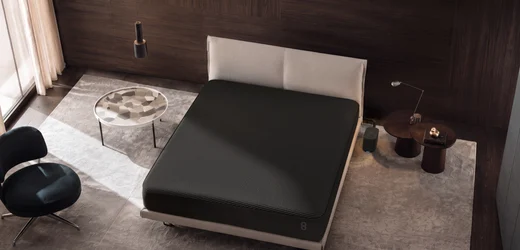
The Eight Sleep Pod 5 represents the latest iteration of the company’s flagship "Pod" series. At its core, it is not merely a mattress, but a sophisticated climate-control system integrated into a high-density foam sleeping surface.
The primary technological innovation is the "Active Grid," a thin, flexible layer of water-tubing that sits atop the mattress. Through a bedside unit known as the "Hub," the system circulates water at precise temperatures, ranging from 55°F to 110°F (12°C to 43°C). This allows the bed to heat up or cool down in real-time, responding to the user’s body temperature and sleep stage.
Key features include:
- Autopilot AI: A machine-learning algorithm that automatically adjusts the temperature throughout the night based on biometric feedback.
- Biometric Monitoring: The system tracks heart rate, heart rate variability (HRV), respiratory rate, and sleep cycles without the need for wearable devices.
- Dual-Zone Control: Couples can set different temperatures for each side of the bed, resolving the age-old conflict of the "too hot" versus "too cold" sleeper.
- Silent Operation: The Hub has been re-engineered for near-silent cooling and heating, addressing one of the primary complaints of previous iterations.
Chronology: From Concept to Consumer Disruption
The journey of Eight Sleep reflects the broader trajectory of the "Smart Home" industry.
- 2014: Eight Sleep is founded by Matteo Franceschetti, Alexandra Zatarain, and Massimo Andreasi Bassi. The mission: to leverage technology to improve sleep quality through thermal regulation.
- 2017: The company launches the original "Pod" concept, introducing the idea of the mattress as an active environment.
- 2019-2021: During the COVID-19 pandemic, interest in health-tracking technology surges. Eight Sleep sees a massive uptick in users, as the "work from home" culture shifts focus toward the home environment.
- 2023-2024: The company releases the Pod 4 and subsequently the Pod 5. These models emphasize "passive" health—the idea that you should not have to do anything to track your sleep; the bed should simply know.
- Present Day: Eight Sleep positions itself as a premium service, moving beyond hardware into a subscription-based model for advanced AI insights.
Supporting Data: The Science of Thermoregulation
Why does temperature matter so much? The science of sleep architecture is clear: the human body requires a drop in core temperature to initiate deep sleep (NREM stage 3).
Clinical studies have consistently shown that thermoregulation is a critical factor in sleep onset latency (how long it takes to fall asleep) and sleep efficiency (the percentage of time spent asleep while in bed).
According to data provided by Eight Sleep’s internal studies—and corroborated by third-party sleep research—users of the Pod system report:
- 32% increase in deep sleep: By keeping the body at the optimal thermal zone, the system prevents the "micro-awakenings" caused by overheating.
- Increased HRV: Higher Heart Rate Variability is a key indicator of autonomic nervous system health and recovery. Users of the Pod 5 show improved HRV scores compared to those sleeping on traditional mattresses.
- Faster Sleep Onset: By cooling the bed down as the user climbs in, the system mimics the body’s natural temperature drop, signaling to the brain that it is time to shut down.
Official Responses and Expert Analysis
Industry experts have praised the Pod 5 for its hardware improvements, particularly the integration of the AI sensors into the cover itself.
"The Pod 5 is a significant leap forward in terms of user experience," notes Dr. Aris Thorne, a sleep researcher at the Institute for Circadian Studies. "Previous iterations were bulky and occasionally loud. The Pod 5 has successfully moved the technology into the background, allowing the user to experience the benefits without the ‘technological friction’ of past devices."
However, the company has faced scrutiny regarding its data privacy policies. As the bed collects granular data on sleep patterns, heart health, and even sexual activity (by tracking movement and heart rate spikes), critics raise questions about where this data goes and who owns it. Eight Sleep has consistently stated that all data is encrypted and used solely for the purpose of improving the AI’s ability to optimize the user’s sleep.
Implications: The Future of the Bedroom
The rise of products like the Eight Sleep Pod 5 signals a fundamental shift in how we perceive the bedroom. It is no longer just a place of rest; it is an extension of our digital ecosystem.
The Subscription Model of Wellness
The most significant implication is the shift toward "Sleep as a Service." Much like software-as-a-service (SaaS) models, the hardware is merely the entry point. The true value is locked behind the monthly subscription fee, which provides the deep-dive analytics and the AI-driven autopilot features. This raises concerns about "feature creep"—where users must pay continuously for a bed they have already purchased.
The Inequality of Sleep
There is also a societal implication to consider. High-end sleep tech is expensive. As we move toward a world where the "well-rested" are those who can afford the most advanced thermal and biometric optimization, a new "sleep divide" emerges. Those who can afford to automate their recovery may find themselves at a distinct cognitive and physical advantage over those who cannot.
Privacy and the "Smart" Home
As the bedroom becomes an increasingly connected space, the risk of data breaches or misuse of intimate health data increases. When your bed knows your heart rate, your bedroom temperature, and your movement patterns, it holds a mirror to your most private self. Companies in this space must lead with radical transparency if they are to gain the trust of a skeptical public.
Conclusion: A New Dawn for Nighttime
The Eight Sleep Pod 5 is undeniably a triumph of engineering. By successfully integrating complex climate control and biometric sensors into a comfortable, user-friendly package, it has set a new standard for the "Smart Bedroom."
For the data-obsessed, the athlete, and the sleep-deprived professional, the Pod 5 offers a tangible improvement in the quality of their nightly rest. The ability to fall asleep faster and wake up feeling more recovered is, for many, worth the premium price tag.
However, as we embrace this technology, we must do so with our eyes wide open. The future of sleep is automated, monitored, and data-driven. While this brings incredible benefits for human performance and recovery, it also requires us to carefully consider the costs—not just the monetary ones, but the trade-offs regarding privacy and our reliance on algorithms to manage our most basic human functions.
Ultimately, the Eight Sleep Pod 5 asks a profound question: If we can automate our sleep, have we finally mastered our biology, or have we simply found a more sophisticated way to remain tethered to the digital world, even in our dreams? For now, the answer seems to be a mix of both. As the lights go out, the Pod 5 begins its work, cooling the mattress and tracking the heartbeat, ensuring that while we sleep, the technology never does.