Apple has officially pulled the curtain back on the latest iteration of its most compact tablet, the iPad mini. In a significant hardware overhaul that brings the device closer to its "Pro" siblings than ever before, the new iPad mini integrates cutting-edge OLED display technology, the high-performance 2nm A20 Pro chipset, and a design refined for both durability and modern connectivity. While it stops short of adopting the high-refresh-rate ProMotion technology found in the iPad Pro line, the new mini represents a massive leap forward for users who prioritize extreme portability without sacrificing raw computational power.
Core Specifications and Key Advancements
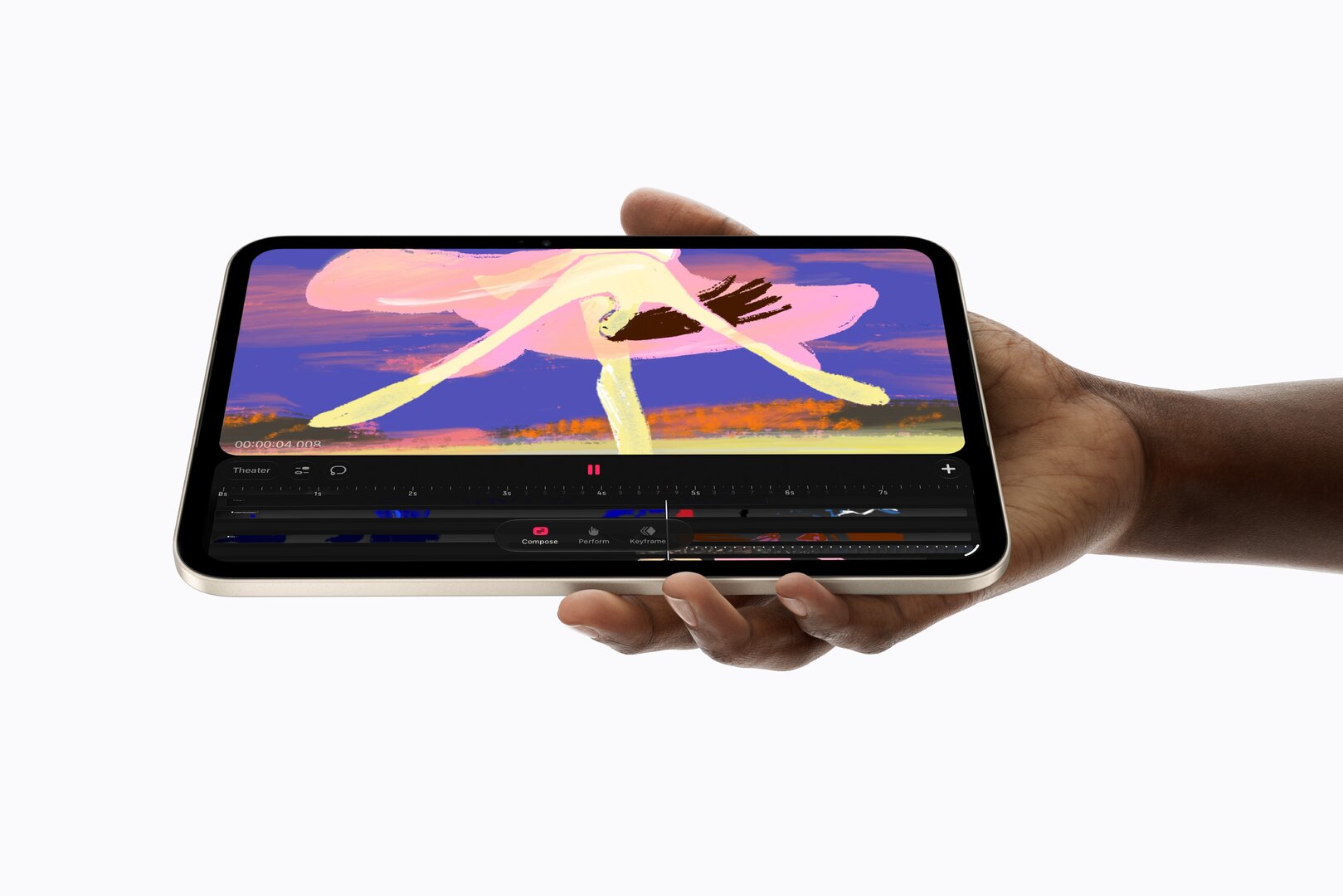
The most immediate change users will notice is the shift to an OLED panel. By shrinking the bezels by approximately 24 percent, Apple has managed to increase the screen real estate from 8.3 inches to 8.5 inches while keeping the overall footprint of the device remarkably similar.
The display now supports a resolution of 2,316 × 1,512 pixels. In terms of brightness, the panel marks a notable improvement: it achieves 600 cd/m² for standard content, with peak brightness hitting 1,200 cd/m² for HDR content. This shift to OLED technology provides deeper blacks and superior contrast ratios, making it an ideal companion for media consumption and creative work. However, Apple has confirmed that ProMotion—the adaptive 10Hz to 120Hz refresh rate technology—remains exclusive to the iPad Pro series, meaning the new mini remains capped at a 60Hz refresh rate.
Under the hood, the device is powered by the A20 Pro chip, manufactured using a cutting-edge 2nm process. This chip is the same architecture found in the iPhone 18 Pro and the innovative iPhone Duo. Performance gains are substantial, with Apple claiming up to a 4.5x increase in AI tasks via the Neural Engine, a 2.7x boost in GPU performance, and a 60 percent improvement in multithreaded CPU performance compared to the previous A17 Pro-powered model.
A Chronology of the iPad Mini’s Transformation
The evolution of the iPad mini has been a journey of balancing small-form-factor constraints with high-end demands.

- Initial Concept: The iPad mini was originally conceived as an entry-level, media-centric device. Over the years, however, it gained a cult following among pilots, doctors, and creative professionals who needed a device that could fit into a flight bag or a jacket pocket.
- The Design Shift: The previous generation moved away from the home button to an all-screen design. This latest model builds on that by slimming down the chassis to a mere 5.4mm, making it the thinnest iPad in the current lineup.
- The Modern Era: With the introduction of the A20 Pro and OLED, Apple is positioning the mini not just as a "lite" tablet, but as a powerhouse for mobile productivity. The transition to a landscape-oriented FaceTime camera—a move first seen in the latest iPad Air—solidifies the device’s shift toward being a tool for video conferencing and professional collaboration.
Supporting Data: Storage, Performance, and Configuration
A unique aspect of this release is the tiered approach to hardware performance based on storage capacity. The A20 Pro chip is not identical across all models:
- 128GB and 256GB Models: These feature a 5-core CPU and a 16-core Neural Engine.
- 512GB Model: This top-tier version includes a full 6-core CPU and a fully unlocked Neural Engine.
Interestingly, the 7-core GPU remains consistent across all configurations, ensuring that graphics-intensive gaming and photo editing performance is uniform regardless of the storage tier chosen.
For connectivity, Apple has debuted its own in-house silicon. The new N1 chip handles Wi-Fi 7, Bluetooth 6.0, and Thread protocol, while the optional C2 cellular modem promises a 50 percent increase in data transfer rates over its predecessor. These proprietary components signal Apple’s long-term strategy to reduce reliance on third-party radio and modem suppliers.
Official Responses and Engineering Philosophy
During the briefing, Apple representatives emphasized that the inclusion of the "Acoustic Display" technology was essential to achieving the 5.4mm thinness. By routing audio directly through the display, engineers were able to save space while simultaneously improving the resonance of the speakers.
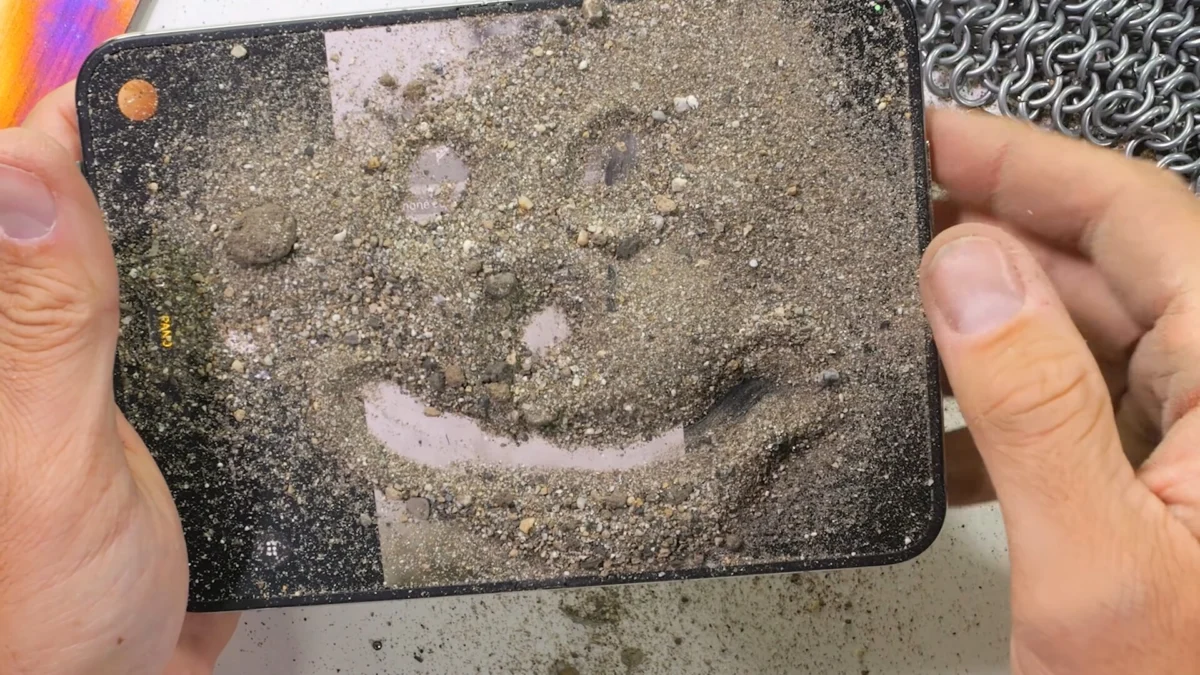
The move to IP67 water and dust resistance is perhaps the most requested feature finally granted to the mini line. Apple noted that this required a complete re-engineering of the chassis seals, as the tablet must now withstand immersion without compromising its thin, lightweight profile. The weight has dropped from 293g to 255g (for the Wi-Fi model), proving that durability does not necessarily require additional bulk.
Regarding the decision to exclude ProMotion, Apple’s stance remains that the 60Hz experience is sufficient for the target demographic of the mini, which is primarily focused on reading, note-taking, and casual gaming rather than high-frame-rate professional video editing.
Implications: A New Benchmark for Small Tablets
The release of the new iPad mini carries several implications for the mobile market:
1. The Death of the "Entry-Level" Mini
With starting prices jumping from 679 Euro to 749 Euro, Apple is clearly repositioning the iPad mini as a premium, niche device. It is no longer an impulse purchase, but a specialized tool for those who specifically require an 8-inch screen. The introduction of Nanotexturglas as a paid upgrade further cements this premium status.
2. The Rise of "Pro-lite" Features
By including the A20 Pro and OLED panels, Apple is blurring the lines between its tablet tiers. Consumers no longer need to sacrifice performance to get a smaller form factor. This puts pressure on competitors to match the 2nm efficiency and the build quality that Apple has now established as the floor for its mid-to-high-end devices.
3. Sustainability and Battery Life
Despite the reduction in battery capacity from 19.3Wh to 18.9Wh, Apple maintains that the device will achieve the same ten-hour battery life. This is a testament to the efficiency gains of the 2nm A20 Pro chip. In a world where mobile devices are expected to last all day, the ability to pack more performance into a smaller battery is a critical competitive advantage.
4. Integration into the Apple Ecosystem
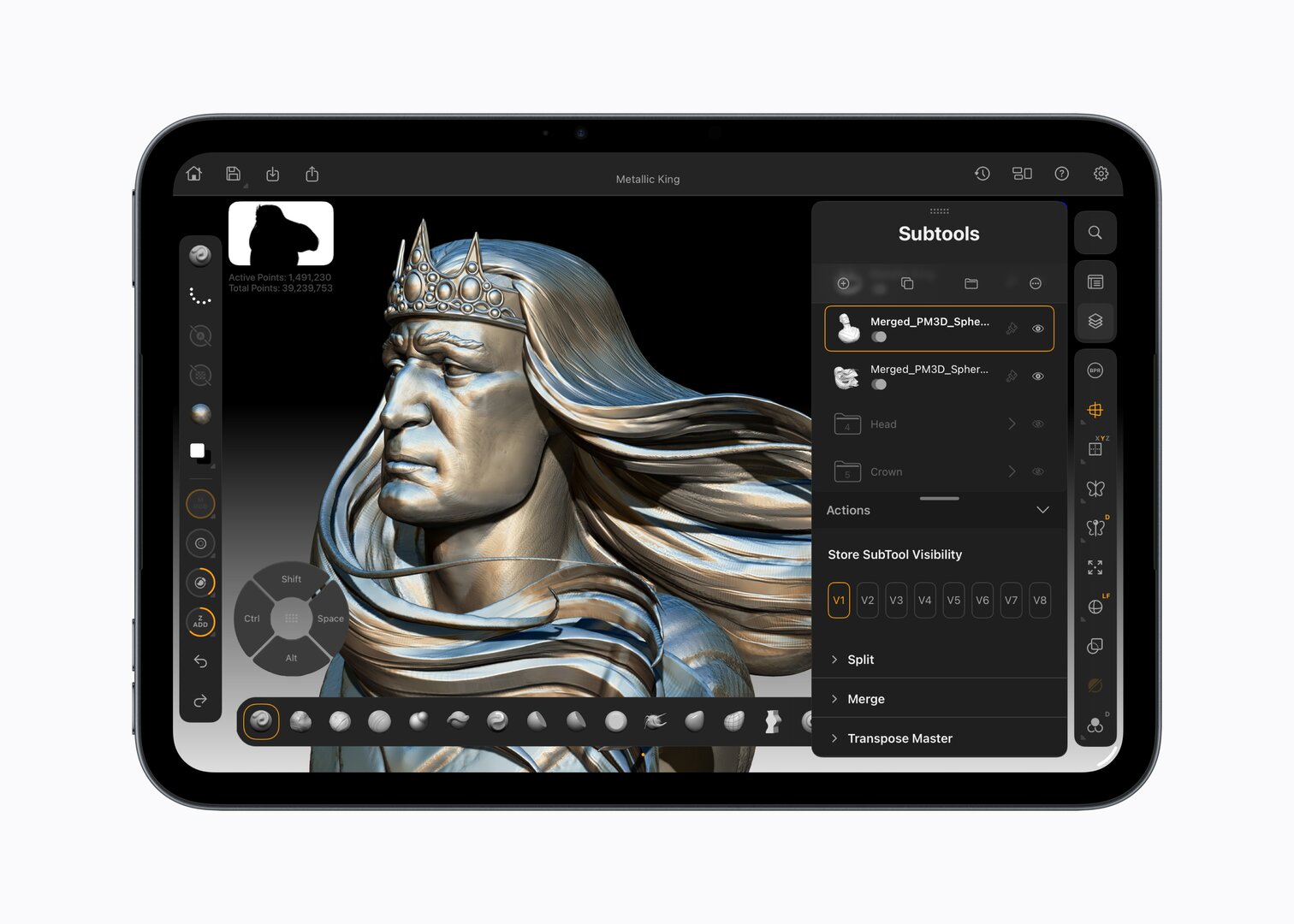
With support for the Apple Pencil Pro and the integration of Thread technology, the iPad mini is becoming a central hub for smart home control. The ability to use the tablet as a highly portable, waterproof, and hyper-fast controller for home automation makes it a unique device that sits between a mobile phone and a laptop.
Conclusion
The new iPad mini is a masterclass in hardware refinement. While it may lack the high-refresh-rate screen of the iPad Pro, its combination of the A20 Pro chip, a stunning OLED display, and the newfound resilience of IP67 certification makes it a formidable device.
As pre-orders open on October 28th and shipping begins on November 6th, the market will soon see if the public is willing to pay the higher price for this level of technological density. For those who demand the highest possible performance in a package that fits in one hand, there is simply no alternative on the market that comes close to what Apple has achieved here. The iPad mini is no longer just a small tablet; it is a pocket-sized computer that refuses to compromise on the essentials of power and design.