For centuries, the Kumano Kodo has served as more than just a network of trails; it is a spiritual artery pulsing through the Kii Peninsula of Japan. Stretching across the dense forests of Wakayama Prefecture, this UNESCO World Heritage site is a testament to the human pursuit of transcendence. While modern travel often emphasizes the "destination," the Kumano Kodo demands a recalibration of focus, forcing the traveler to confront the rhythm of their own footsteps.
Main Facts: The Sacred Network
The Kumano Kodo is not a single path, but a sprawling, ancient network of trails that have been walked for over 1,200 years. Historically, these routes were traversed by emperors, aristocrats, and commoners alike, all seeking the sanctity of the Kumano Sanzan—the three grand shrines: Kumano Hongu Taisha, Kumano Hayatama Taisha, and Kumano Nachi Taisha.
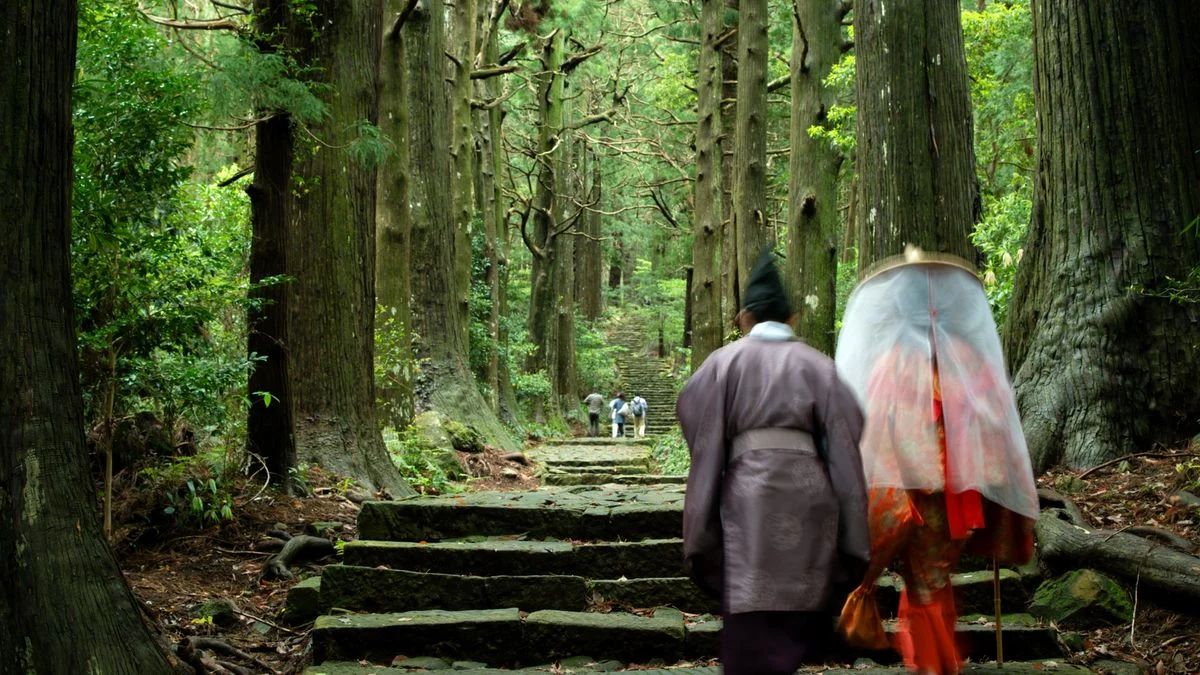
The geography of the region is characterized by steep, mist-covered mountains, ancient cedar forests, and hidden waterfalls, most notably the Nachi Falls, which stands as the tallest single-drop waterfall in Japan. The terrain is demanding, frequently testing the endurance of those who venture onto its paths. Unlike the popular Camino de Santiago in Spain, the Kumano Kodo offers a sense of profound isolation. The density of the foliage often limits visibility, turning the hike into an exercise in mindfulness and internal reflection.
Chronology: A Millennium of Footsteps
The history of the pilgrimage is deeply intertwined with the development of Japanese spiritual life, merging Shintoism’s nature-worship with Buddhist practices.
- 10th Century: The pilgrimage began to gain prominence as the Imperial family and aristocrats from Kyoto traveled the arduous route to seek purification and enlightenment.
- 12th Century: The height of the "Kumano faith." The route became a symbol of social egalitarianism, where the path was theoretically open to all—a rare concept in the rigid hierarchy of medieval Japan.
- 2004: The Kumano Kodo was officially inscribed as a UNESCO World Heritage site under the title "Sacred Sites and Pilgrimage Routes in the Kii Mountain Range."
- Present Day: The trail serves as a bridge between Japan’s hyper-modern urban centers and its preserved spiritual history. It remains a destination for both secular hikers and those seeking a genuine religious experience.
Supporting Data: The Anatomy of a Pilgrimage
Data from the Wakayama Tourism Bureau indicates a steady increase in international interest over the last decade, with "Nakahechi," the most popular route, seeing a 15% year-on-year increase in foot traffic prior to the global pandemic.
- Trail Length: The total network spans hundreds of kilometers, though the most traveled section (Nakahechi) covers approximately 70 kilometers.
- Average Duration: Most pilgrims complete the Nakahechi route in four to five days, walking an average of 15 to 20 kilometers daily.
- Elevation Gains: Hikers can expect total elevation gains exceeding 3,000 meters across the primary route, requiring significant physical preparation.
- Accommodation: The region utilizes a system of Minshuku (traditional guesthouses). Data shows that over 80% of hikers opt for these local stays, which are vital for the economic sustainability of the remote villages surrounding the trail.
Official Responses and Preservation Efforts
The Japanese government, in collaboration with the Wakayama Prefecture, has implemented strict conservation policies to protect the integrity of the trail. The "Kumano Kodo Pilgrimage Route Preservation Society" works to ensure that the infrastructure—such as stone staircases dating back to the Edo period—is maintained without compromising the historical aesthetic.
"Our goal is not to maximize tourist numbers, but to maintain the sanctity of the silence," notes a representative from the local conservation bureau. "When a path is walked for over a thousand years, it gains a personality. Our responsibility is to ensure that the path remains as it was for our ancestors."
These efforts are supported by the Japanese Ministry of the Environment, which periodically conducts environmental impact assessments to ensure that the increasing popularity of "spiritual tourism" does not lead to the erosion of the natural landscape.
The Philosophical Implications: What the Trail Teaches
Walking the Kumano Kodo is an exercise in stripping away the unnecessary. In the modern world, we are defined by our digital footprint, our professional titles, and our schedules. On the Kii Peninsula, these signifiers vanish.
The Lesson of the "Non-Destination"
The most profound lesson of the Kumano Kodo is the realization that the destination—the shrine—is merely a symbolic marker. The real "pilgrimage" occurs in the calf muscles burning on an ascent, the smell of damp moss after a morning rain, and the rhythmic sound of boots on stone. This mirrors the Japanese concept of Mu-shin (no-mind), where the individual achieves a state of clarity through repetitive, physical labor.
Social Equality in Nature
Historically, the Kumano Kodo was a "great equalizer." As one walks the trail, the lack of pretension is palpable. When you meet another hiker in the deep woods, the interaction is rarely based on status; it is based on the shared recognition of the physical challenge. This fosters a unique form of community, a "brotherhood of the path" that transcends linguistic and cultural barriers.
Sustainability and the Future
As global travel habits shift toward more meaningful, slow-paced experiences, the Kumano Kodo serves as a blueprint for sustainable tourism. By decentralizing the experience and encouraging hikers to stay in small, family-run inns, the region prevents the "Disneyfication" of the experience. It forces the traveler to integrate into the local culture rather than consuming it from a tour bus.
Conclusion: The Path Ahead
To walk the Kumano Kodo is to step into a living history. It is a grueling, rewarding, and deeply meditative journey that challenges the modern assumption that "faster is better." In a world defined by instant gratification, the ancient stones of the Kii Peninsula remind us that some of the most important things in life—wisdom, peace, and self-knowledge—cannot be rushed.
As you stand before the Nachi Falls, listening to the roar of the water echoing off the canyon walls, the physical exhaustion of the previous days fades into the background. You realize that you have not just walked a trail; you have walked through a portal into a deeper, slower, and more authentic way of being. Whether you are a seasoned hiker or a curious traveler, the Kumano Kodo remains an essential pilgrimage—not just to the shrines, but to the center of one’s own character.
Note: For those interested in deeper research regarding trail safety, booking Minshuku accommodations, and detailed maps of the pilgrimage routes, the official Kumano Tourism Bureau provides comprehensive guides. It is strongly advised that all travelers respect the local traditions and environmental regulations to preserve this heritage for future generations.