The backbone of the German economy—the automotive industry—is facing a structural transformation of historic proportions. According to new projections from the German Association of the Automotive Industry (VDA), the sector is bracing for a significantly larger wave of job losses than previously anticipated. The transition toward electrification, coupled with a multifaceted "location crisis," is threatening the livelihoods of hundreds of thousands of workers, primarily within the crucial supply chain.
Main Facts: The Escalating Job Crisis
The VDA, representing the interests of German carmakers and their suppliers, has revised its long-term labor market forecasts. VDA President Hildegard Müller recently informed the Redaktionsnetzwerk Deutschland (RND) that the association now expects a total loss of 225,000 jobs by 2035. This figure represents an alarming increase of 35,000 positions compared to earlier estimates, which had projected a reduction of 190,000 jobs within the same timeframe.
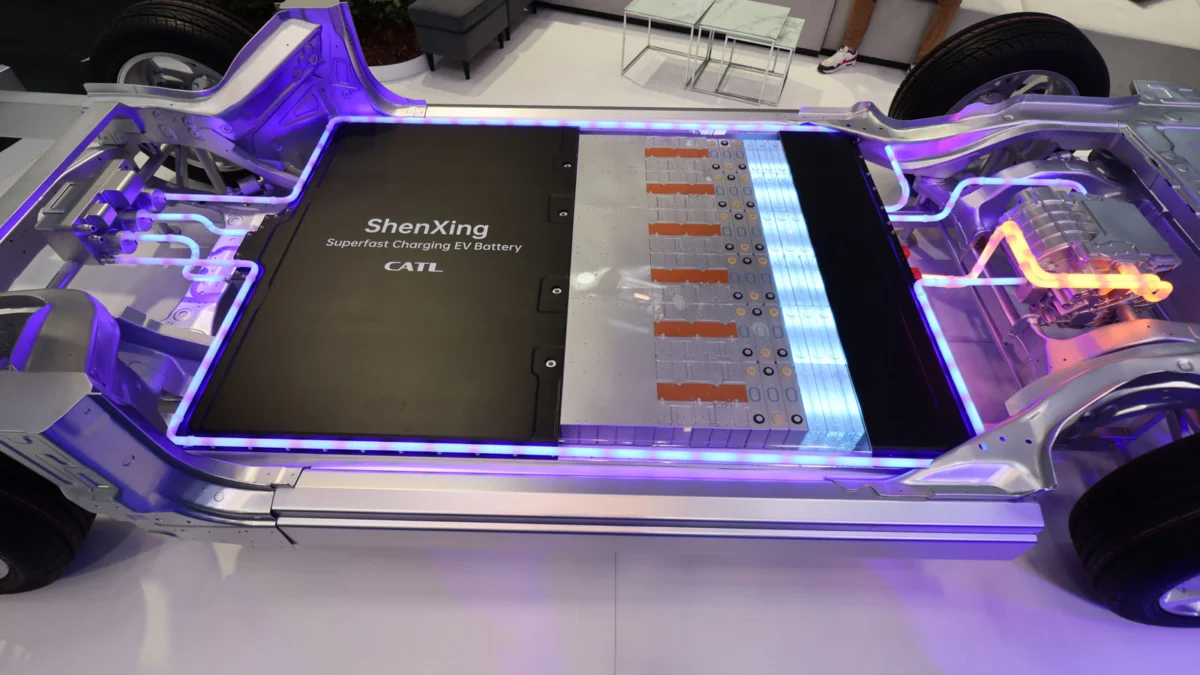
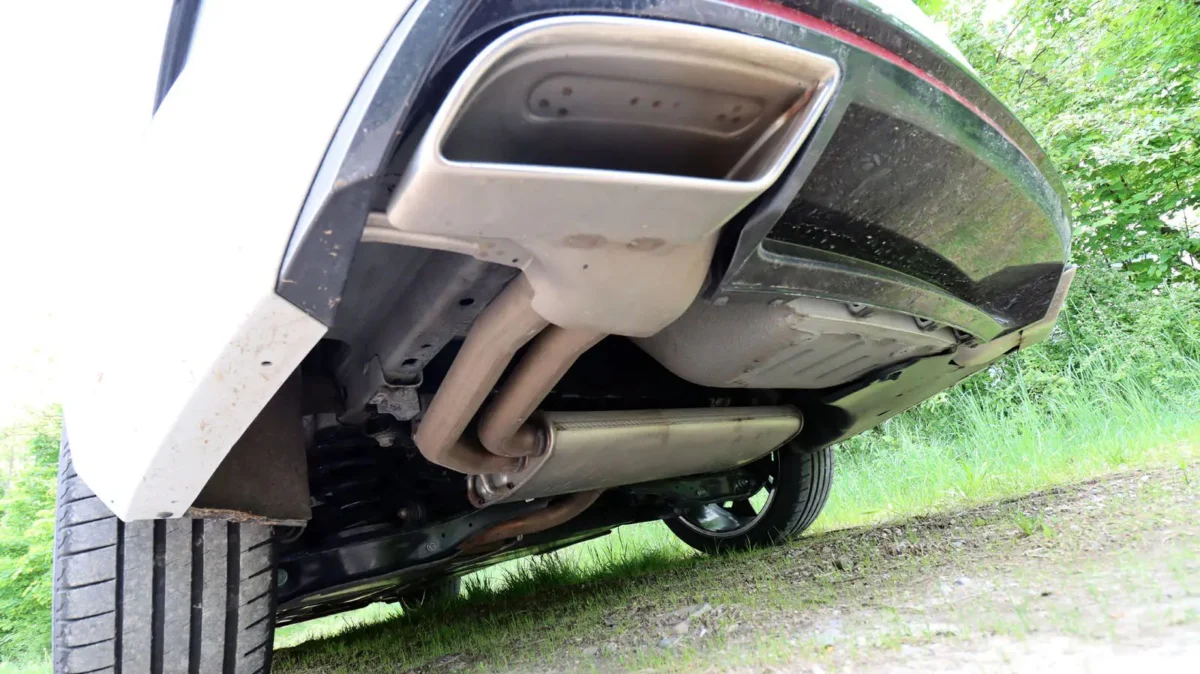
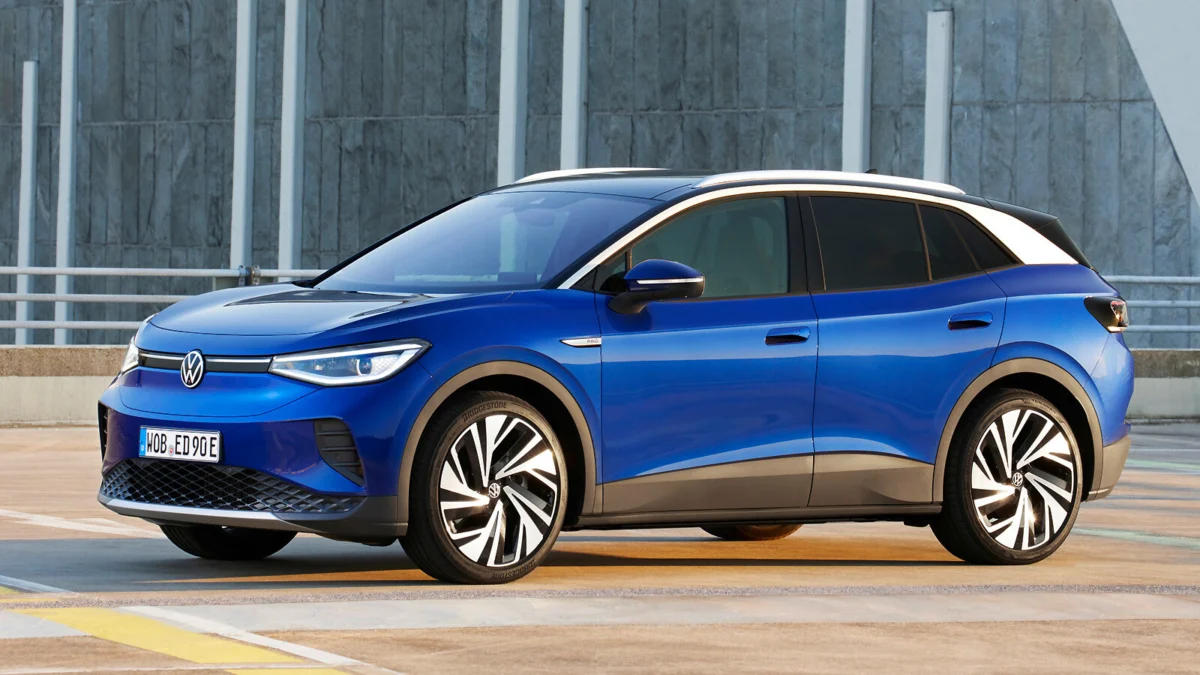
The human toll of this shift is already visible. Between 2019 and 2025, the industry has already shed 100,000 positions. The current trajectory suggests that the most severe impact is yet to come, as the transition from internal combustion engines (ICE) to battery-electric vehicles (BEVs) fundamentally alters the industrial requirements of car manufacturing. Because electric vehicles require significantly fewer components and fewer man-hours to assemble compared to traditional engines, the downstream effects on the vast network of German automotive suppliers—the Mittelstand—are disproportionately harsh.
Chronology of the Transformation
The German automotive industry has been in a state of flux since the "Dieselgate" scandal of 2015, which accelerated the global shift toward cleaner propulsion. However, the current decline is characterized by a "triple whammy" of technological disruption, regulatory pressure, and macroeconomic instability.
- 2019–2025: The initial phase of the transition saw a steady decline in headcount. During these six years, 100,000 jobs were lost, primarily as companies began to pivot their research and development budgets away from combustion technology toward battery chemistry and software integration.
- 2025–2030: This period is identified by analysts as the "danger zone." As EU emission standards tighten, manufacturers are being forced to aggressively phase out ICE production lines. Without significant industrial policy intervention, the VDA warns that the pace of job attrition will accelerate during this window.
- 2030–2035: This final stretch represents the transition toward the European Union’s 2035 deadline, when all new passenger cars and vans sold in the EU must be zero-emission vehicles. The VDA’s current projection is that by 2035, the structural damage will have reached its peak unless the "technology-open" path is adopted.
Supporting Data: The Case for Technology Openness
At the heart of the VDA’s argument is the concept of "technology openness." The association contends that the current EU policy framework is too narrow, focusing exclusively on battery-electric and hydrogen fuel-cell vehicles.
According to the VDA, a more flexible regulatory approach could save 50,000 of the 225,000 jobs currently at risk. By allowing a larger role for plug-in hybrids, range extenders, and vehicles fueled by carbon-neutral e-fuels, the industry argues it could maintain a more robust industrial base.
The VDA’s analysis suggests that these alternative propulsion technologies do not prevent the industry from reaching its climate-neutrality goals; rather, they provide a bridge for the supply chain to transition without collapsing. The argument is that the current EU fleet regulation, which effectively mandates a total phase-out of combustion-based engines, ignores the reality of the existing industrial ecosystem. By pivoting to a multi-technology strategy, the industry could mitigate the negative employment effects of the transition while still honoring the European Green Deal’s overarching climate objectives.
A Perfect Storm: The Macroeconomic "Location Crisis"
The challenges facing the automotive industry are not limited to the shift in engine technology. VDA President Hildegard Müller emphasized that the German automotive sector is currently navigating a broader "location crisis." Germany, long considered the "factory floor of Europe," is seeing its competitive edge eroded by a confluence of negative economic factors.
The Litany of Burdens
- Energy Costs: Following the geopolitical shifts in Eastern Europe, German industrial energy prices remain significantly higher than those in the United States or China. For energy-intensive sectors like steel casting, aluminum forging, and chemical processing—all essential for car parts—these costs are unsustainable.
- Bureaucracy and Regulation: Smaller and medium-sized enterprises (SMEs) are struggling under a mountain of administrative requirements. The complexity of complying with both national and EU-wide environmental and reporting standards is draining the resources that should be allocated to innovation and production.
- Labor Costs and Taxes: High social security contributions and corporate tax rates are making Germany a less attractive destination for international investment. When compared to more agile manufacturing hubs, the cost of labor in Germany is now viewed by many industry leaders as a barrier to global competitiveness.
Official Responses and Industry Sentiment
The alarm raised by the VDA is echoed across the German industrial landscape. Nicola Leibinger-Kammüller, CEO of the laser and machine tool giant Trumpf, recently offered a scathing assessment of the German economy. In an interview with the Handelsblatt, she characterized the current state of affairs as more dire than the COVID-19 pandemic.
"Since the end of the war, the economic situation in Germany has never been so dramatic," Leibinger-Kammüller stated. Her observations from internal industry events paint a grim picture: entrepreneurs who were once the bedrock of the "German Miracle" are now expressing profound frustration and, in some cases, resignation.
The concern is not merely about specific companies, but about the "industrial basis" of the nation. As these SMEs—which form the backbone of the automotive supply chain—reach the limits of their capacity, there is a risk of a "hollowing out" effect. If these specialized companies fail or relocate, the entire automotive cluster in Germany risks losing the critical mass required to remain a global leader.
Implications: The Road Ahead
The implications of a 225,000-job reduction in the automotive sector are far-reaching.
Social and Economic Impact
The automotive industry is a primary employer in several German states. A loss of this magnitude will have ripple effects, impacting not only the manufacturing workforce but also service sectors, retail, and tax revenues at the local government level. There is also the political challenge: the "rusting" of the German automotive heartland could exacerbate political polarization and increase pressure on the federal government to provide subsidies or protectionist measures.
The European Regulatory Dilemma
The conflict between the EU’s strict 2035 emission targets and the reality of industrial capacity is coming to a head. Brussels is under pressure to reconsider the rigidity of the fleet regulation. While the European Commission maintains that clear targets are necessary to force innovation and achieve climate targets, the VDA is pushing for a "reality check." The debate over whether to permit e-fuels and hybrid technologies will define the next phase of European industrial policy.
Conclusion: A Call to Action
The data presented by the VDA serves as a stark warning. The transformation of the automotive industry is no longer a distant prospect—it is a present-day reality that is exerting immense pressure on the German economy.
To prevent the loss of 225,000 jobs, the industry is calling for a "grand bargain." This would involve:
- Regulatory Flexibility: Adopting a more nuanced approach to the 2035 fleet regulations that allows for diverse technological solutions.
- Structural Reform: Reducing the bureaucratic burden and lowering energy costs to revitalize the German business environment.
- Targeted Reskilling: Investing heavily in the transition of the workforce, ensuring that the workers displaced by the decline of combustion engine manufacturing are retrained for the requirements of software-defined and electric mobility.
As Germany moves forward, the question remains whether it can successfully transition to a green economy without dismantling the industrial foundation that has sustained its prosperity for decades. The VDA’s latest numbers confirm that the time for incremental change has passed; the industry is now in a race against time to redefine its future in a rapidly changing global market.