The era of unchecked, explosive growth in the Chinese automotive market has come to a grinding halt. Once the world’s most promising engine of demand—fueled by a rapidly expanding middle class and aggressive government subsidies—China’s car market is currently undergoing a painful correction. With domestic sales plummeting, the industry is grappling with a volatile mix of economic stagnation, shifting consumer sentiment, and a desperate pivot toward global exports.
The State of the Market: A Double-Digit Collapse
According to the latest data from the China Passenger Car Association (CPCA), the numbers for May tell a grim story: total vehicle sales fell to approximately 1.5 million units, representing a staggering 22 percent decline compared to the same month last year. This is not a momentary dip but a sustained trend. Between January and May, year-on-year sales contracted by nearly 20 percent.
For years, the narrative surrounding China was one of inevitable upward trajectory. With a population of 1.4 billion and a middle class estimated at over 400 million people, analysts had long assumed that the nation’s appetite for personal mobility would continue to grow toward 2030. That assumption has now been shattered by a reality where the domestic consumer is pulling back, and the industry is forced to look abroad to absorb excess production.
Chronology of a Crisis: From Subsidies to Stagnation
To understand the current malaise, one must look at the timeline of policy changes and external economic shocks that have converged over the last 18 months.
The Withdrawal of State Support:
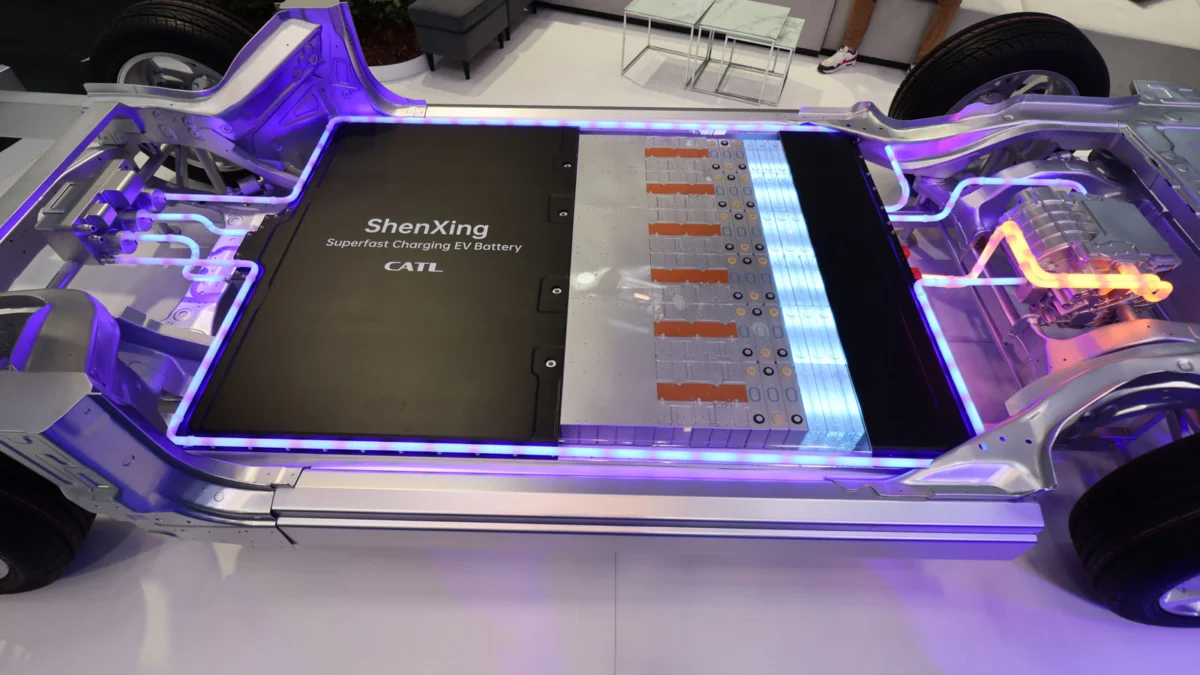
The initial phase of the decline began at the start of the year, hitting the "New Energy Vehicle" (NEV) sector—comprising battery electric vehicles (BEVs) and plug-in hybrids—particularly hard. As Beijing began to dial back the generous purchase incentives that had previously stimulated demand, the artificial boom in green mobility slowed.
The Geopolitical and Macroeconomic Shock:
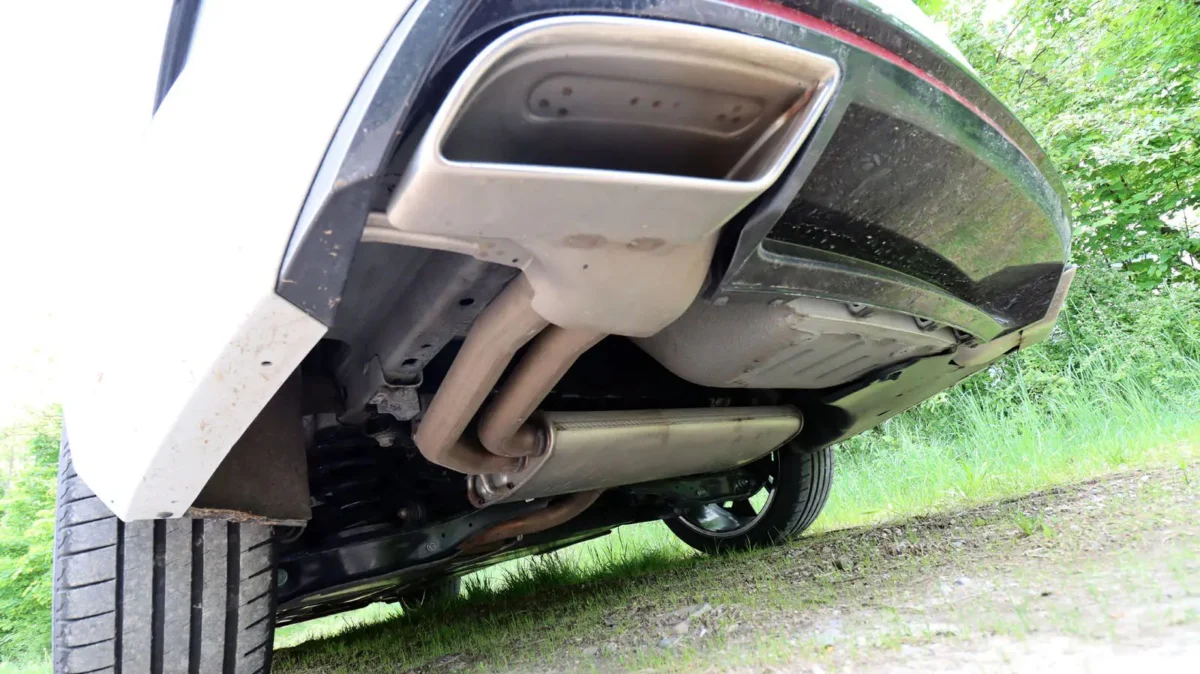
The second, more severe phase of the downturn was triggered by the outbreak of the US-Iran conflict in late February. The resulting surge in global fuel prices dealt a heavy blow to the internal combustion engine (ICE) market. By May, sales of traditional gasoline-powered cars had plummeted by 39 percent.
The Consumer Retreat:
The crisis is not just one of policy, but of underlying economic confidence. The protracted real estate crisis in China has severely eroded household wealth. As many Chinese citizens see their property investments stagnate or lose value, and as they struggle with the repayment of existing mortgage-backed credits, the purchase of a new car has shifted from a priority to a deferrable luxury.
Supporting Data: The Shift to Electric Dominance
Despite the overall market contraction, the data reveals a profound transformation in consumer preferences. The market is bifurcating sharply between internal combustion engines and new energy vehicles.
- The NEV Resilience: While the overall market is in freefall, NEVs have shown significantly more resilience, with sales declines remaining in the single digits.
- Market Share Shift: The dominance of electric vehicles is accelerating. NEVs now account for more than 60 percent of the total passenger car market in China.
- The Verbrenner Collapse: In contrast, traditional combustion engines are suffering from a systemic loss of relevance. The 39 percent drop in May is indicative of a market that is rapidly moving past the era of fossil fuels.
- Global Comparison: This mirrors global trends. In the European Union, electric vehicles reached a nearly 20 percent market share by April 2026, while ICE vehicles faced double-digit declines.
Industry experts, including Beatrix Keim, note that Chinese consumers are notoriously price-sensitive. The anticipation of subsidy changes as early as October 2025 led to a period of "pull-forward" buying, where consumers purchased vehicles early to capture incentives, essentially borrowing demand from the current year. Now, the industry is suffering from the resulting "demand vacuum."
Official Responses: Navigating the Headwinds
Industry leaders and regulatory bodies are scrambling to recalibrate their expectations for 2026. The CPCA, which once predicted a modest 1 percent decline, has now slashed its full-year forecast to an 11 percent contraction.
Volkswagen’s Defensive Posture:
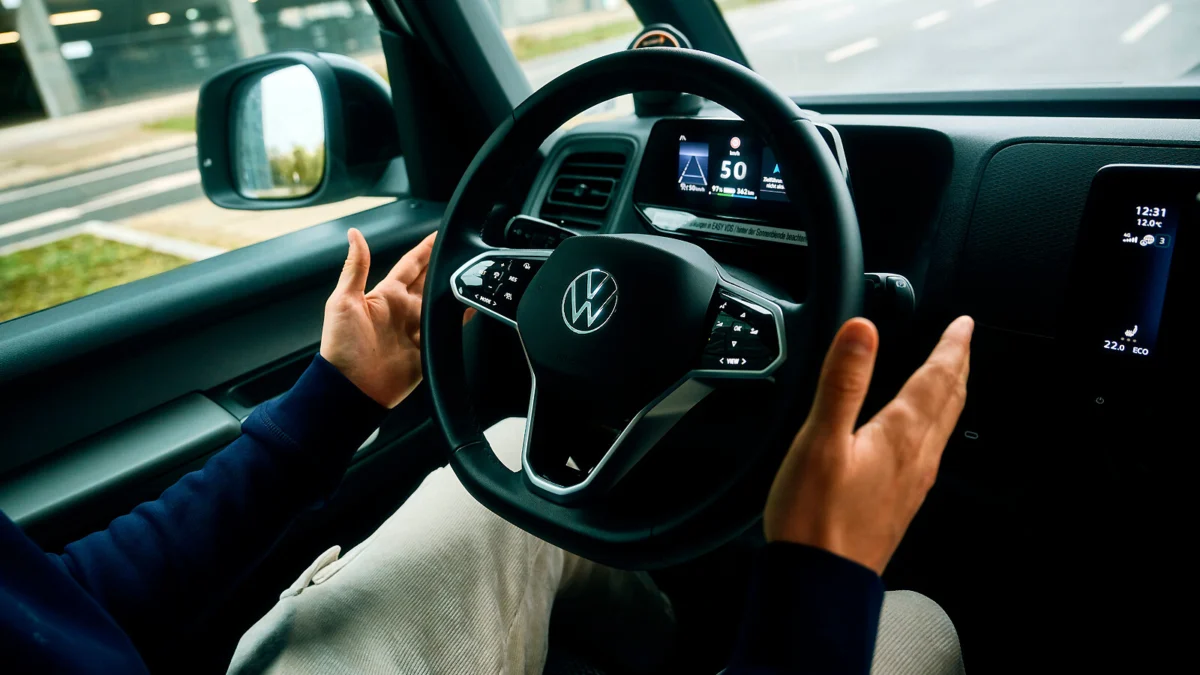
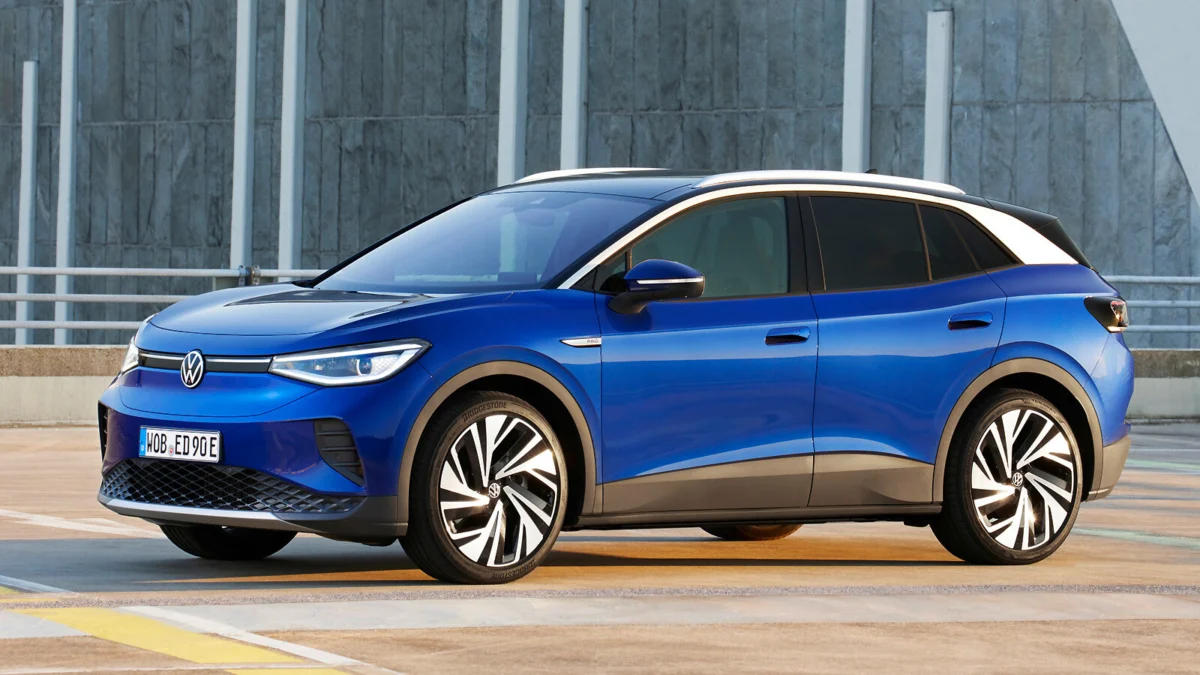
For German automotive giants, the situation is critical. Volkswagen, a long-time leader in the Chinese market, has issued a sobering assessment. "The Chinese automotive market is under increasing pressure," a spokesperson for Volkswagen Group China noted in Beijing. The company does not anticipate a recovery within the calendar year and expects total new car sales in China to fall below 21 million units. VW has confirmed it is "adjusting its plans" and focusing heavily on its NEV model offensive to remain relevant in a market that is no longer buying traditional German engineering at previous volumes.
The Rise of Domestic Competitors:
The competitive landscape has shifted. While brands like Mercedes-Benz and BMW historically thrived on their reputation for luxury combustion engines, they are now being outpaced by domestic Chinese manufacturers. Companies like BYD and Geely are often faster to market, more cost-effective, and better aligned with the digital and software-centric expectations of the modern Chinese consumer.
Implications: The Great Export Pivot
With the domestic market cooling, the primary strategy for many Chinese manufacturers is the international market. The CPCA reports that Pkw (passenger car) exports surged by approximately 75 percent in May.
Strategic Shifts:
- Geographic Diversification: Manufacturers are aggressively targeting South America, Australia, Southeast Asia, and Africa to offset losses at home.
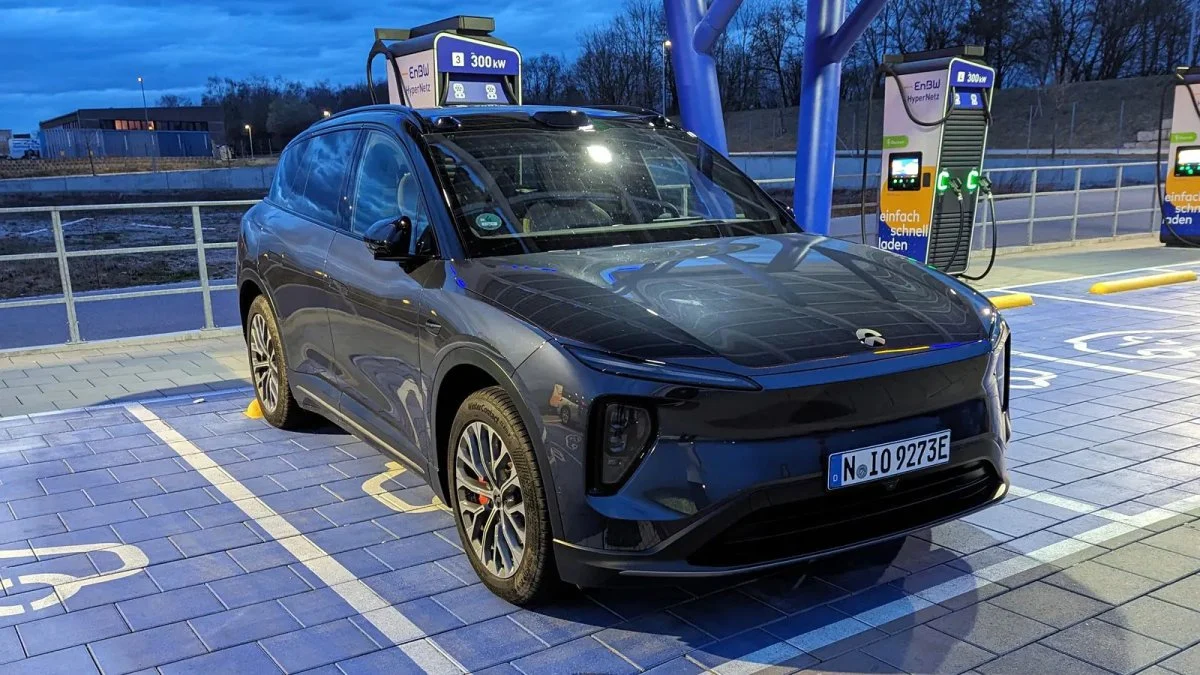
- Long-term vs. Short-term: Some brands are maintaining an optimistic tone. Nio, for instance, reported a 68.7 percent increase in global deliveries (150,526 units) from January to May. A company representative stated: "For Nio, long-term trends take precedence over short-term market fluctuations."
- The Capacity Dilemma: Many Chinese manufacturers are sitting on significant overcapacities built during the "boom" years. Without a domestic recovery, these companies are forced to export at lower margins to keep factories running, potentially setting the stage for trade tensions with regions like the EU and the US.
Conclusion: A Market in Search of Equilibrium
The outlook for the Chinese automotive sector remains bifurcated. Some experts, such as CPCA Secretary-General Cui Dongshu, argue that the current slump is not a permanent state of affairs. He points out that the car density in China remains significantly lower than in Germany, suggesting that the market is not yet saturated. The problem, he argues, is not a lack of desire for cars, but a lack of affordability.
Conversely, analysts like Beatrix Keim see the recent years of growth as a product of government stimulus that has now reached its natural end. For the industry, the path forward involves painful structural changes: aggressive cost-cutting, a consolidation of model portfolios, and a desperate, global scramble for market share.
As the world’s largest car market settles into a new, more sober reality, the consequences will be felt far beyond China’s borders. Global manufacturers must now decide how much capital they are willing to burn to remain in a market that is no longer the guaranteed growth engine it once was, while domestic Chinese players must prove that their rapid growth can survive without the protective blanket of government subsidies and a booming local economy.
The next 12 to 24 months will likely determine the survivors of this transformation, as the "New Energy" era in China moves from a state of subsidized expansion to one of cold, hard market competition.