By Industry Correspondent
The landscape of British motoring is undergoing its most significant fiscal transformation in decades. Following long-standing speculation and industry rumors, the UK government has officially confirmed the introduction of a new road usage levy targeting electric vehicles (EVs) and plug-in hybrids (PHEVs). Set to take effect on April 1, 2028, the policy marks a fundamental shift in how the state funds its transport infrastructure, effectively ending the era of tax-free motoring for the zero-emission segment.
The move, codified under the "Electric Vehicle Excise Duty" (eVED) framework, is designed to address a looming "fiscal hole" in the national budget. As the country accelerates toward its 2035 target of ending the sale of new petrol and diesel cars, the traditional fuel duty—which currently generates billions in annual revenue—is set to decline precipitously. By taxing EVs based on distance traveled, the government aims to ensure that all road users contribute equitably to the maintenance of the nation’s highways.
The Core Mechanism: A Pay-as-You-Drive Model
Under the new regulations, the government is abandoning the flat-rate vehicle excise duty (VED) model for electric vehicles in favor of a usage-based fee. This decision stems from the logic that while EVs do not consume petrol or diesel, they still contribute to traffic congestion, noise pollution, and—critically—the wear and tear of the national road network.
The taxation structure is stratified based on the vehicle’s powertrain and environmental impact:
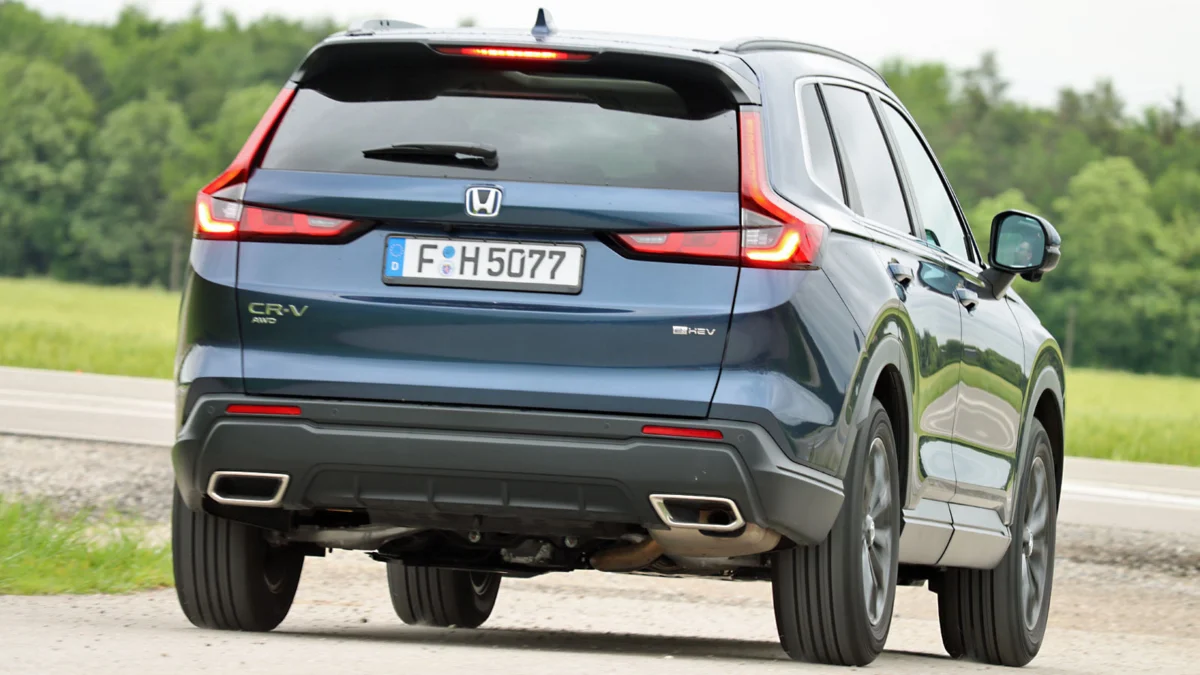
- Plug-in Hybrids (PHEVs): Recognizing that these vehicles still rely partly on internal combustion engines, the government has set a lower rate of 1.5 pence per mile. This reflects the reality that many PHEV owners already pay some fuel duty when refueling, thus avoiding double taxation on the combustion portion of their journey.
- Battery and Hydrogen Electric Vehicles (BEVs/FCEVs): Purely zero-emission vehicles will be subject to a higher rate of 3 pence per mile. The government justifies this higher tier by noting that these vehicles currently enjoy a total exemption from the fuel duty that funds the Department for Transport’s road spending.
To prevent the value of these levies from eroding over time, the government has built an inflation-adjustment mechanism into the legislation, ensuring the rates remain tethered to the Consumer Price Index (CPI) in the years following the 2028 launch.
Chronology of a Policy Shift
The transition to a distance-based tax was not a sudden decision but the culmination of a multi-year fiscal debate.
- 2020–2022: The "Fiscal Cliff" Warning: Independent economic think tanks and the Office for Budget Responsibility (OBR) began sounding alarms regarding the long-term sustainability of the UK’s tax system. As EV adoption rates climbed, the Treasury noted that fuel duty revenues—historically a staple of the national budget—were beginning to stagnate.
- 2023: Consultations and Industry Feedback: The government launched a series of consultations with automotive manufacturers, consumer advocacy groups, and transport logistics experts to discuss the viability of tracking mileage.
- 2024: Formal Confirmation: The government officially published the eVED framework, setting the April 2028 implementation date to allow for the development of the necessary digital infrastructure to track and report vehicle mileage.
- 2025–2027: The Preparatory Phase: This window serves as the "on-ramp" for manufacturers and drivers, allowing for the integration of mileage-reporting software into the annual MOT (Ministry of Transport) testing process.
Operational Realities: Reporting and Collection
One of the most complex aspects of the eVED policy is the collection mechanism. Unlike fuel duty, which is collected at the pump and invisible to the consumer, the eVED requires active participation from the motorist.
The system will function through a mandatory reporting process. At the time of a vehicle’s annual MOT test, the odometer reading will be recorded by the testing center and automatically uploaded to the centralized DVLA (Driver and Vehicle Licensing Agency) database. Owners will be required to provide an annual estimate of their mileage, allowing them to pay in advance or via a monthly installment plan.
At the end of each fiscal year, a "true-up" process will occur. If a driver has exceeded their estimated mileage, they will owe the difference; if they have driven less, they will receive a credit or a refund. This system is designed to provide the Treasury with a predictable stream of revenue while giving drivers flexibility in how they manage their household budgets.
Supporting Data and Fiscal Projections
The Office for Budget Responsibility (OBR) has provided a detailed forecast of the policy’s impact on the UK’s public finances. The numbers suggest that while the transition is necessary, it will be a gradual build-up rather than a sudden windfall for the Exchequer.
- Initial Revenue (2028/29): The Treasury anticipates approximately £1.1 billion (roughly €1.3 billion) in additional revenue during the first year of operation.
- Medium-Term Growth (2030/31): As the number of electric vehicles on the road increases, that figure is projected to nearly double, reaching approximately £2.2 billion (approx. €2.6 billion) annually.
- Vehicle Population: The policy is expected to affect roughly 5.6 million vehicles initially, with that number projected to grow as the UK fleet continues its forced transition to electrification.
Official Responses and Economic Implications
The reaction from the automotive industry has been one of cautious pragmatism. Manufacturers have long understood that the "free ride" for EVs was unsustainable, but they remain concerned about the potential dampening effect on consumer demand.
The "Market Cooling" Fear
The government’s own impact assessment acknowledges that the new tax could slightly hinder the pace of EV adoption. Projections suggest that between the fiscal years 2025/26 and 2030/31, there could be approximately 120,000 fewer electric vehicle sales than would have occurred without the new levy. While the government frames this as a minor ripple—representing only about two percent of total projected EV sales—it remains a point of contention for environmental groups.
Environmental Trade-offs
A significant concern raised by critics is the potential for "fleet aging." If the cost of owning and operating an EV increases, some consumers may choose to hold onto their older, more polluting internal combustion engine (ICE) vehicles for longer. This could lead to a paradox where the introduction of a tax intended to modernize the road network inadvertently slows the reduction of total CO2 emissions. The government admits that the environmental impact is subject to "considerable uncertainty," noting that if consumers delay their transition to EVs, the net carbon benefit of the government’s transport policy could be weakened.
Looking Toward the Future
The 2028 implementation date gives the government and the automotive industry sufficient time to refine the reporting technology. However, the success of the eVED will ultimately depend on public perception. If the system is perceived as overly intrusive or administratively burdensome, it could become a significant political flashpoint.
For now, the UK government is framing the policy as a matter of fairness. By aligning the cost of road usage with the reality of a post-petrol economy, the state is attempting to future-proof its infrastructure funding. As other nations across Europe and North America grapple with the same decline in fuel tax revenue, the UK’s "pay-as-you-drive" experiment will likely be closely monitored by global policymakers.
The era of "free" electric motoring is closing. Whether this shift will stabilize the Treasury’s books without stalling the green transition remains the central question that will define the next decade of British automotive policy.