The landscape of autonomous mobility is undergoing a seismic shift. Mobileye, the Intel-owned pioneer in advanced driver-assistance systems (ADAS) and autonomous vehicle (AV) technology, has announced a fundamental transformation in its corporate strategy. For years, the Israeli firm has operated primarily as the "engine under the hood"—a Tier 1 supplier providing the hardware and software brains for automotive giants like Volkswagen and Zeekr. However, the company is now moving to take the wheel itself, pivoting toward a vertically integrated robotaxi business model.
This move marks a departure from its traditional B2B model, signaling that Mobileye is no longer content to merely supply the technology; it intends to operate the service. The company plans to launch its own autonomous ride-hailing fleet, starting with a pilot program in a major U.S. metropolitan area in 2027.
The Core Strategic Shift: From Supplier to Operator
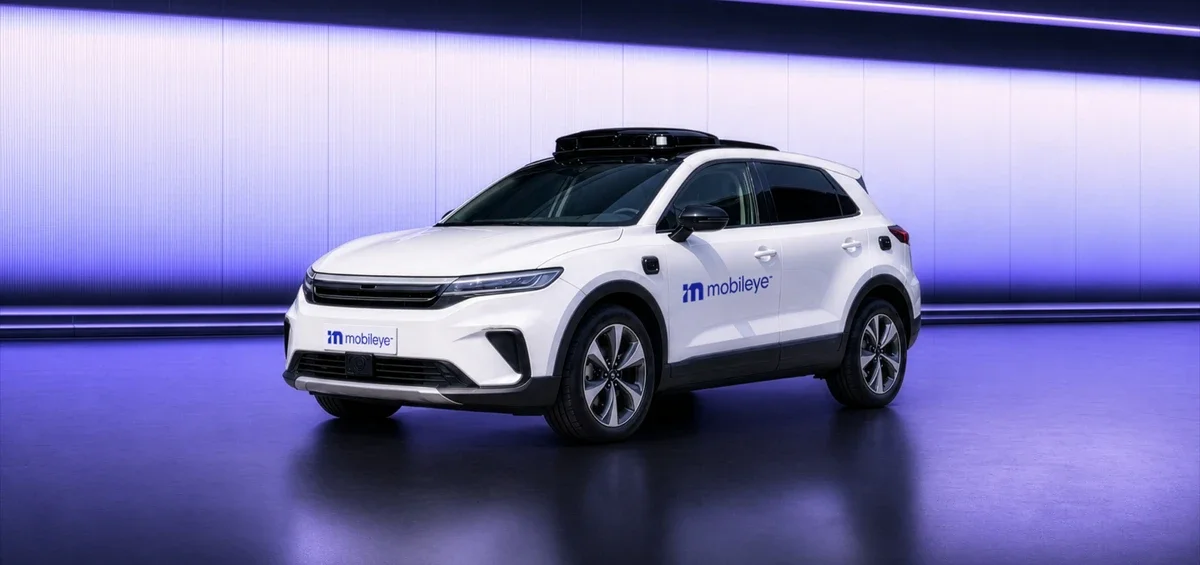
Mobileye’s new roadmap represents a "vertical integration" of its existing capabilities. By combining its proprietary Mobileye Drive autonomous system with the mobility platform of its subsidiary, Moovit, the company aims to control the entire value chain of a robotaxi service. This includes user-facing applications, multimodal trip planning, fleet management, and the sophisticated "AV Mission Control" infrastructure required for remote teleoperation.
Why the Pivot?
The decision is driven by a desire to accelerate the deployment of autonomous mobility while demonstrating the massive scalability of the Mobileye Drive platform. By running its own fleet, Mobileye can gather invaluable real-world operational data that is often filtered or restricted when working solely through third-party OEMs. The company views this as a "complementary path" to market, rather than an abandonment of its core business. Mobileye maintains that it will continue to support its existing partners and clients, positioning its own robotaxi operations as a parallel program designed to prove the efficacy of its technology at scale.
Chronology of a Vision: From Visionary Startup to Global Player
To understand the weight of this announcement, one must look at the trajectory of Mobileye, which has spent nearly a quarter-century at the forefront of computer vision.
- 1999–2017: The Foundation. Founded in Jerusalem, Mobileye revolutionized the automotive industry with camera-based safety systems. Its IPO in 2014 and subsequent $15.3 billion acquisition by Intel in 2017 cemented its status as a cornerstone of the autonomous tech stack.
- 2020: The Bavarian Experiments. Mobileye began testing autonomous vehicles in Germany, specifically in Bavaria, aiming to prove that their systems could handle the complex, often chaotic, urban environments of Europe.
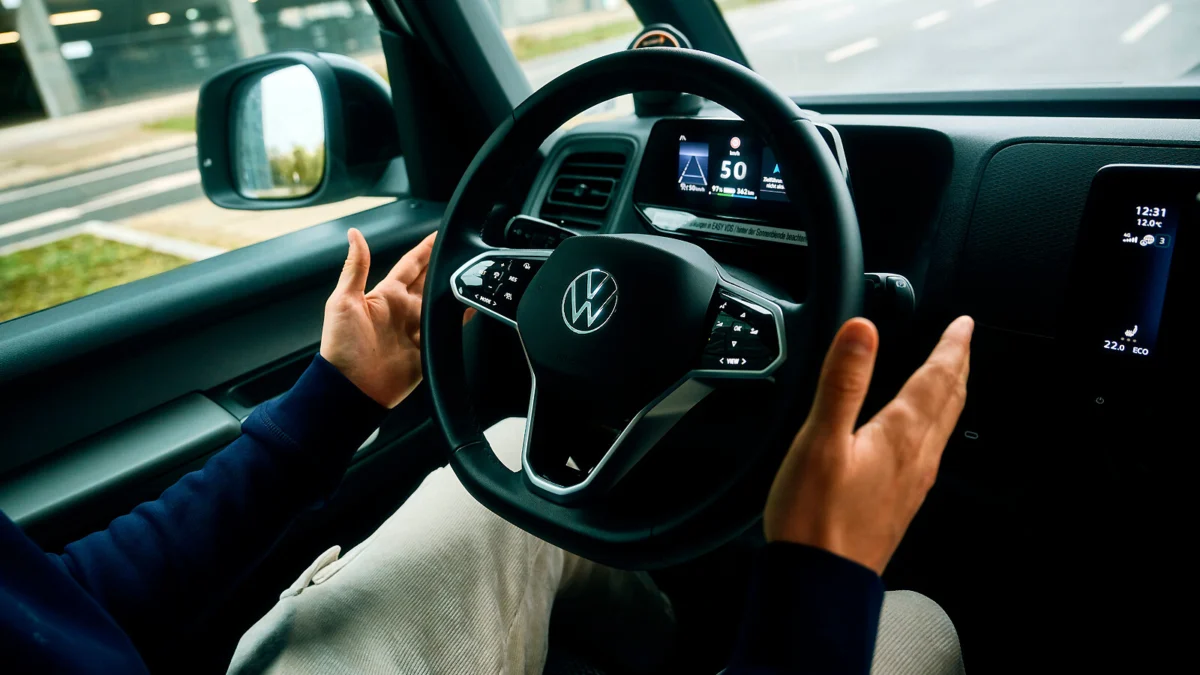
- 2022–2024: Collaborative Growth. The company deepened ties with Volkswagen’s mobility subsidiary, Moia. Through these collaborations, the ID.Buzz AD—a fully autonomous shuttle—began trials in cities like Hamburg, Oslo, and Los Angeles (in partnership with Uber).
- 2025: The Strategic Pivot. Mobileye formally announces its intent to move into direct robotaxi operations, setting the stage for a 2027 commercial launch.
Supporting Data: The Roadmap to 17,000 Vehicles
Mobileye’s operational ambitions are substantial. The initial phase, slated for 2027, will involve a fleet of approximately 100 vehicles in a major U.S. city. This will serve as the "proof of concept" phase, where the company will stress-test its fully driverless operating model.
Following a successful validation of the initial fleet, the company plans an aggressive scaling strategy. The internal roadmap targets the deployment of roughly 17,000 vehicles within the five years following the initial launch. This target places Mobileye in direct competition with the "incumbents" of the AV space, such as Alphabet’s Waymo and Amazon’s Zoox.
Market Context and Competitive Density
The robotaxi market is currently a crowded, high-stakes arena:
- Waymo (Alphabet): Currently leading in real-world deployments across several U.S. cities, setting the gold standard for public trust and operational safety.
- Zoox (Amazon): Actively testing in Las Vegas and California, utilizing a bespoke, purpose-built vehicle design.
- Uber & Partners: Uber is aggressively pivoting to a "partnership-first" strategy, collaborating with players like Rivian and Waymo to maintain its dominance in the ride-hailing space without having to build every vehicle itself.
- European Developments: The landscape in Germany remains active, with projects involving Autobrains, Lyft, Baidu, and Stellantis, all vying for regulatory approval to launch in major hubs like Munich and Berlin.
Official Responses: A "Revolution" in Progress
Professor Amnon Shashua, Founder and CEO of Mobileye, has framed this move as an inevitable evolution of the industry. "The robotaxi revolution has just begun," Shashua stated in the official announcement. "Its potential to change the way we move globally continues to grow."
Shashua’s rhetoric highlights a frustration with the current state of the industry. He argues that the market has become overly dependent on a very small number of technology providers and limited business models. By opening its own operating branch, Mobileye aims to break this bottleneck. "With the growing interest in autonomous mobility, the industry has become increasingly reliant on a small number of tech providers," Shashua noted. He emphasized that Mobileye is not looking to do this alone; the company is actively seeking partnerships with vehicle platform manufacturers, fleet operators, and integration experts to build a collaborative, rather than exclusionary, ecosystem.
Implications: The Risks and Rewards of "Coopetition"
Mobileye’s shift introduces a complex dynamic known in business as "coopetition"—where a company is simultaneously a partner and a competitor to its clients.
The Client Dilemma
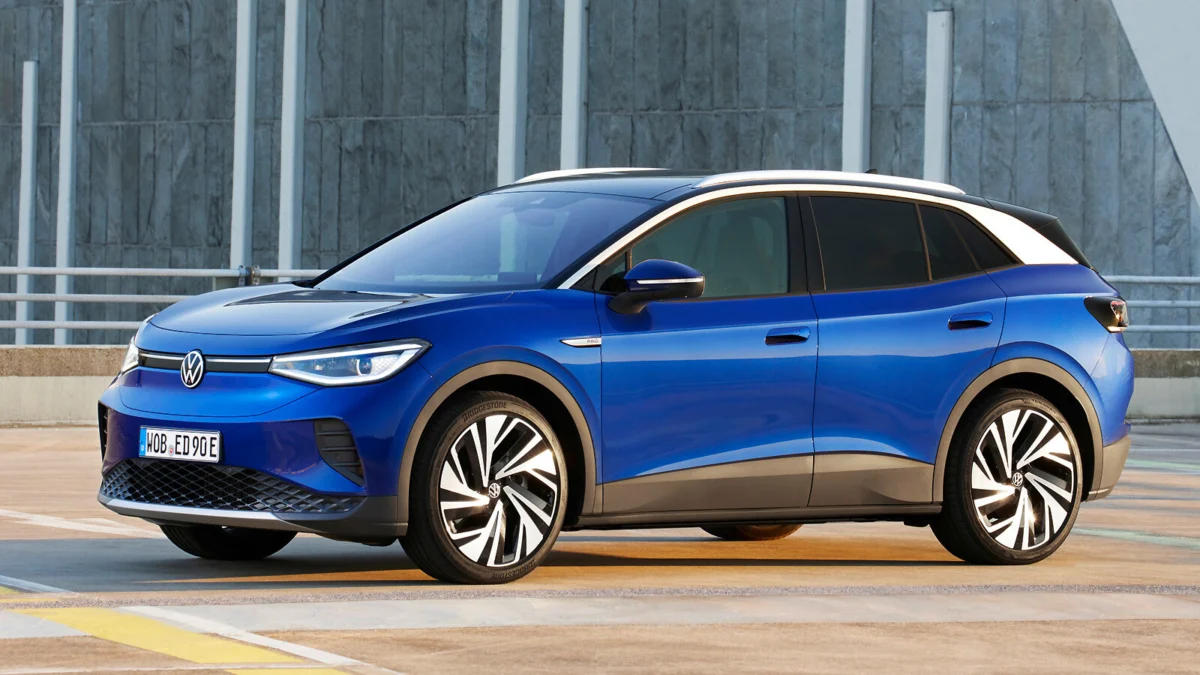
The most significant risk for Mobileye is the potential alienation of its automotive partners. Volkswagen, for example, uses Mobileye’s technology to build its own autonomous future. If Volkswagen perceives that Mobileye is now a direct competitor for passenger miles, it may reconsider the depth of its reliance on the Mobileye Drive platform. Mobileye must walk a tightrope, proving that its robotaxi fleet is a "demonstration vehicle" for its technology, rather than a predatory move to capture the consumer-facing market share of its own customers.
The Operational Challenge
Moving from hardware/software supply to fleet operations is a gargantuan leap. Operational challenges include:
- Regulatory Hurdles: Navigating the patchwork of local, state, and federal regulations in the U.S. is notoriously difficult.
- Public Trust: Following high-profile incidents with other AV players, the public remains skeptical. Mobileye’s ability to prove safety at scale will be the deciding factor.
- Infrastructure: Beyond the car, Mobileye must manage the physical logistics of charging, maintenance, cleaning, and customer support—a completely different business model than writing software code.
The Strategic Upside
If successful, the rewards are immense. By owning the fleet, Mobileye moves from a low-margin hardware supplier to a high-margin service provider. The recurring revenue from a successful robotaxi network is exponentially higher than the one-time sale of sensor suites or compute modules. Furthermore, the "data flywheel" created by 17,000 active, learning vehicles will make the Mobileye Drive platform objectively superior to any competitor that lacks access to that same level of real-world, fleet-wide intelligence.
Conclusion
Mobileye’s entry into the robotaxi operator space is more than just a business expansion; it is a declaration that the company intends to define the future of urban transit. By leveraging its deep technological roots and integrating the mobility expertise of Moovit, Mobileye is attempting to bridge the gap between "autonomous prototype" and "mass-market service."
As we approach 2027, the industry will be watching closely. Whether this move disrupts the existing hierarchy of autonomous vehicle suppliers or creates a new, formidable force in ride-hailing will depend on Mobileye’s ability to navigate the delicate balance between being a reliable partner to automakers and a disruptive operator in the streets. The race for the future of mobility has not just accelerated; it has changed its rules of engagement.