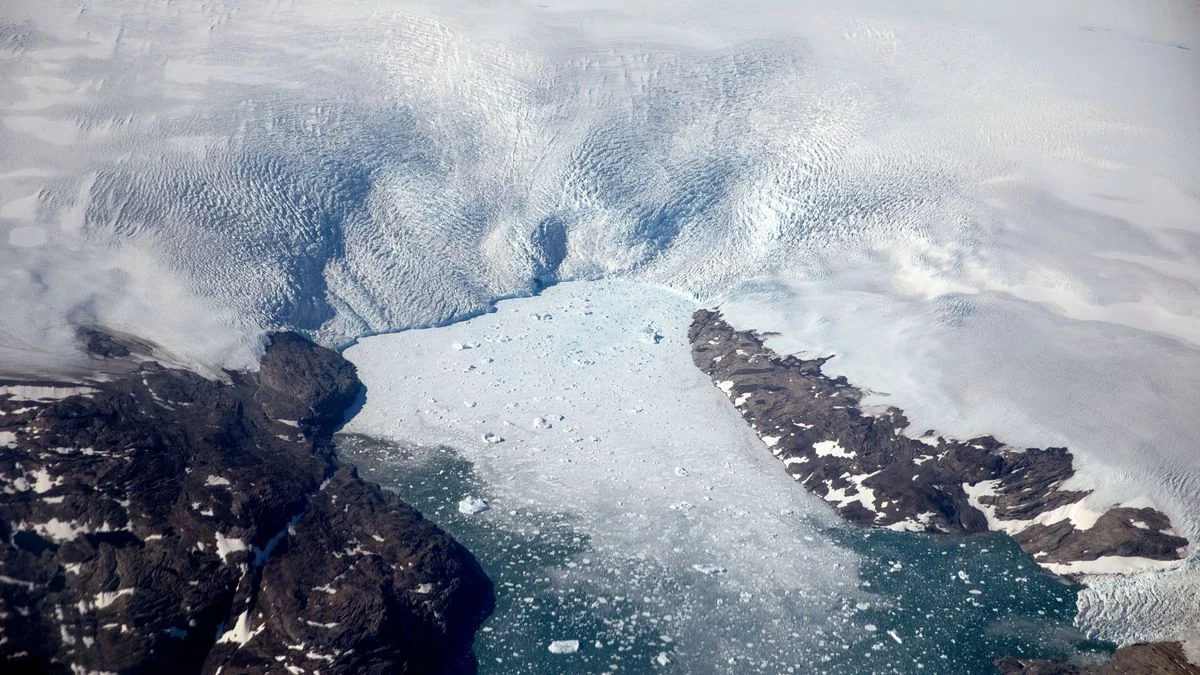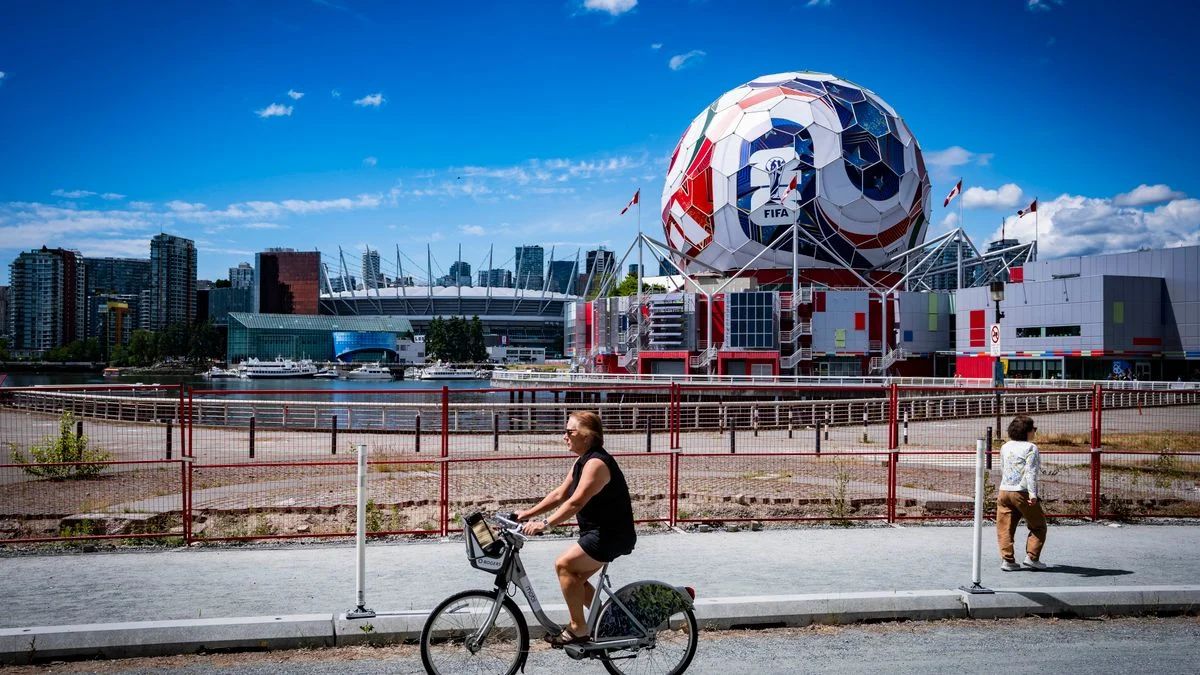
The FIFA World Cup 2026, slated to be the largest and most expansive tournament in the history of association football, is poised to set records not just for the number of participating teams or matches, but for its collision with an escalating global climate crisis. As the tournament prepares to span across North America, the UN Climate Secretariat has issued a stark warning: extreme heat will be a defining feature of the event, threatening the health of players, the safety of millions of traveling fans, and the very integrity of the beautiful game.
The Collision of Sports and Climate
The UN Climate Secretariat, speaking at the onset of a ten-day climate conference in Bonn, painted a grim picture of the 2026 landscape. "The 2026 World Cup will take place at a time when extreme heatwaves, driven by a worsening climate crisis, are becoming more frequent and affecting billions of people worldwide," the body stated.
This is not a peripheral concern; it is a central operational challenge. Experts suggest that extreme heat will become a "defining element" of the tournament, permeating every aspect of the experience—from the high-intensity action on the pitch to the crowded, sun-drenched stands, and the sprawling logistics surrounding the host cities.
Chronology of a Warming World
To understand why the 2026 World Cup is viewed as a bellwether for sports in a warming world, one must look at the trajectory of global temperatures over the last century.
- The Industrial Catalyst: The warming trend began in earnest with the onset of the industrial revolution. For over 100 years, the systemic burning of fossil fuels—coal, oil, and gas—has released greenhouse gases that trap heat in the atmosphere.
- The Acceleration Phase: The last three decades have seen a significant spike in global mean temperatures. Meteorologists and climate scientists have documented a consistent pattern of record-breaking heat years, culminating in the recent surge of global heat records in 2023 and 2024.
- The 2026 Projection: As planning for the 2026 tournament intensifies, climate modeling suggests that the window for "safe" outdoor sports is narrowing. Data indicates that approximately one in four matches could be held under conditions deemed "dangerously hot" by current health standards.
Supporting Data: The Heat Hazard
The data provided by climate experts highlights a bifurcated risk profile. On one side are the professional athletes, who, while protected by rigorous medical monitoring and sports science protocols, are still subject to the physiological limits of the human body. On the other side are the spectators, who represent the most vulnerable demographic.
The Spectator Vulnerability Gap
While players may be permitted mandatory water breaks and have access to cooling technologies like ice towels, the average fan is largely left to their own devices. UN experts emphasize that the greatest danger may actually lurk outside the stadium gates.
- Fan Zones: Open-air areas designed for communal viewing often lack adequate shade or misting infrastructure.
- The Logistics Chain: Long wait times for security, transit hubs, and crowded parking lots present a "heat trap" scenario where thousands of people may be exposed to high heat indices for hours at a time.
- The Urban Heat Island Effect: Many of the host cities in the U.S., Mexico, and Canada suffer from high concentrations of concrete and asphalt, which absorb and radiate heat, keeping temperatures dangerously high long after the sun has begun to set.
Official Responses and the "New Normal"
Simon Stiell, the UN’s climate chief, has been unequivocal in his assessment of the situation. During his address in Bonn, Stiell emphasized that the current situation is not a series of unfortunate meteorological coincidences, but a direct consequence of long-term atmospheric warming.
"Countless people love football, but unfortunately, it is now often too hot to play," Stiell stated. "It is hot and getting hotter. This is not an accident. This is climate change."
The implications for FIFA’s organizational strategy are profound. For decades, the governing body has dealt with environmental concerns as a side issue—often related to carbon offsets or stadium construction. Now, they are forced to confront the physical environment as an immediate operational hazard. FIFA has yet to release a comprehensive "heat mitigation strategy" that matches the scale of the UN’s concerns, but sources suggest that future tournament planning will require a radical rethink of kickoff times, stadium ventilation, and emergency medical staffing.

Implications for the Future of Football
The 2026 World Cup serves as a microcosm of how the climate crisis will reshape global culture. The sport is facing a multi-dimensional transformation:
1. Changes in Match Dynamics
Viewers at home will likely notice a change in the pace of play. Physiologists note that in extreme heat, players inevitably reduce their physical output to avoid heat exhaustion. This may lead to slower, more cautious games. Furthermore, we should expect more frequent and earlier substitutions as coaches manage the fatigue of their squads, potentially changing the tactical nature of the tournament.
2. The Technological Response
To combat the heat, we will likely see a proliferation of cooling technology on the sidelines. Beyond the traditional water breaks, teams are looking into specialized cooling vests, hydration monitoring through wearable sensors, and "ice baths" on the touchline. However, these solutions are reactive; they treat the symptoms rather than the cause.
3. The Ethical Dilemma
The most profound implication is the ethical question of hosting massive, resource-heavy events in a world that is struggling to stay within the 1.5°C threshold of global warming. The massive travel requirements for a tournament spread across three nations inherently contribute to the very carbon emissions that are driving the heat.
The 2026 World Cup will be the first of its kind to be tested by such extreme environmental conditions on this scale. If the tournament proceeds without major incident, it will be due to careful preparation and adaptation. If it faces crises—such as mass heat-related medical emergencies or the collapse of transit systems—it will likely serve as the final proof that the traditional format of global sports requires a fundamental overhaul to survive the 21st century.
Conclusion: A Turning Point
The warnings from the UN Climate Secretariat are not merely advisory; they are a call to action. As the world turns its eyes to the stadiums of North America in 2026, the temperature on the pitch will serve as a global thermometer.
The question for FIFA and the host nations is no longer just about who will lift the trophy. It is about whether the sport can maintain its vitality in a world that is rapidly outgrowing the conditions required for high-intensity physical exertion. As Simon Stiell reminded us, the warming of the planet is a man-made reality—and the 2026 World Cup will be the most high-profile stage on which that reality will be felt, experienced, and challenged by millions.
Whether this leads to a new era of climate-conscious event management or remains a cautionary tale of hubris remains to be seen. But one thing is certain: when the whistle blows for the first match, the most significant opponent on the field will be the climate itself.