

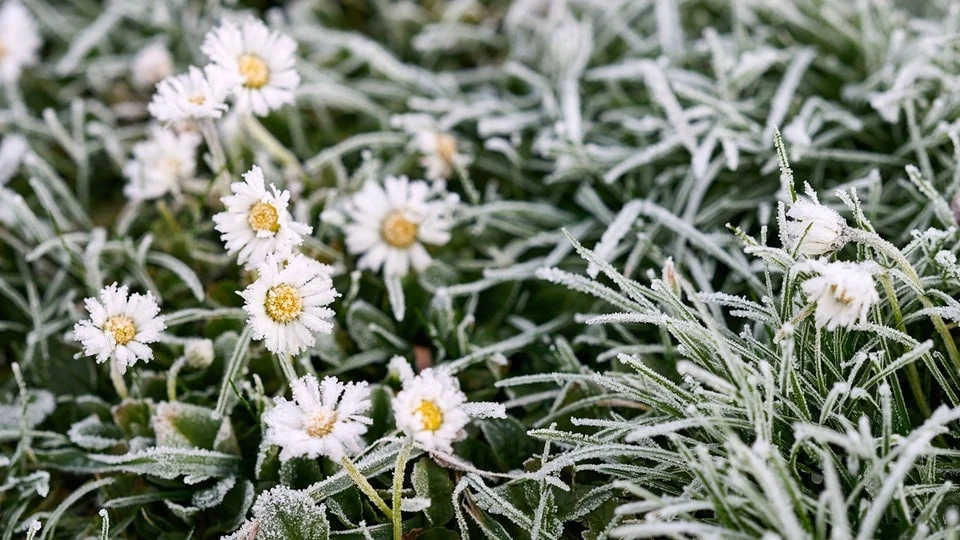
For generations, gardeners across Central Europe have adhered to a strict, unspoken ritual. As the calendar approaches mid-May, an anxious eye is cast toward the thermometer. The names Mamertus, Pankratius, Servatius, Bonifatius, and—breaking the linguistic pattern—Sophia, are recited like a liturgical chant. According to traditional folklore, these five figures, collectively known as the "Ice Saints" (Eisheiligen), mark the final threshold of frost. The rule is absolute: plant your tomatoes, dahlias, and sensitive seedlings before the 15th of May, and you risk losing your entire harvest to a late-season cold snap.
However, modern meteorology and historical calendar analysis suggest that this agricultural dogma is not only outdated but fundamentally flawed. As climate patterns shift and our understanding of historical timekeeping evolves, it is time to dismantle the myth of the Ice Saints.
The Chronology of a Miscalculation
To understand why the Ice Saints are effectively a relic of the past, one must first look at the mechanics of time itself. The belief in the Ice Saints is rooted in the medieval observation of weather patterns, which were recorded using the Julian calendar.
In 1582, Pope Gregory XIII implemented a monumental shift in how humanity tracked the solar year. The Julian calendar had drifted significantly from the actual solar cycle; because it miscalculated the length of a year, the dates were slowly losing sync with the seasons. By the time of the Gregorian reform, the calendar was ten days out of alignment with the vernal equinox. To correct this, the Church ordered that ten days be skipped entirely—people went to bed on October 4, 1582, and woke up on October 15.
This adjustment was crucial for the calculation of Easter, but it inadvertently created a "phantom" period for the Ice Saints. When we factor in the additional leap days that have accumulated since the 16th century, the original meteorological observation—assuming there was a grain of truth to it at the time—would actually fall between May 24 and May 28, not mid-May.
If one were to strictly follow the logic of the medieval farmers who first observed these "cold days," they would have to wait until nearly the end of May to safely plant their garden. Yet, even this correction fails to account for the most pressing issue: the lack of statistical significance.
Supporting Data: A Statistical Mirage
Meteorologists define a "singular" weather event as a phenomenon that recurs with high probability during specific calendar dates. The most famous example is the "Christmas Thaw," a relatively consistent period of mild weather in late December. When we apply this same rigor to the Ice Saints, the data falls apart.
Analysis of weather records over the past several decades shows that the Ice Saints are not a reliable meteorological event. In fact, the probability of a frost event occurring specifically between May 11 and 15 is statistically insignificant. In many years, this period has been characterized not by icy winds, but by early summer warmth.
Looking back at the last decade of meteorological data, the "Ice Saints" period has consistently defied its own reputation. On numerous occasions, thermometers have climbed into the mid-20s (Celsius), providing balmy, spring-like conditions rather than the predicted frost. The occurrence of cold snaps in mid-May is far too infrequent to be classified as a true weather singularity. When frost does occur in May, it is typically a random, isolated event rather than a predictable pattern tied to the feast days of saints.
The Climate Change Variable
The myth of the Ice Saints is further eroded by the rapid warming of the global climate. As average temperatures rise, the "frost line" is shifting earlier in the year. The biological growing season in temperate zones has expanded, with plants blooming and trees budding weeks earlier than they did a century ago.
Climatologists note that while global warming does not eliminate the possibility of extreme weather, it fundamentally changes the baseline. The "late frost" events that the Ice Saints were intended to warn against are becoming increasingly rare and increasingly disconnected from the specific calendar dates of May 11–15. Relying on an 800-year-old tradition to govern modern agricultural practices is akin to using a sundial to set a digital watch—the reference point is no longer calibrated to the environment we live in today.
Official Responses and Agricultural Perspective
Agricultural chambers and botanical gardens have long been aware of the disconnect between folklore and current climate realities. Professional nursery owners and farmers have largely moved away from the "Ice Saints" rule of thumb, opting instead to monitor short-term, local weather forecasts provided by satellite data and advanced meteorological modeling.
"While we appreciate the cultural heritage and the caution the Ice Saints represent, they are not a reliable tool for professional horticulture," says a representative from a regional agricultural extension office. "The microclimates in a garden—protected by walls, hedges, or south-facing slopes—are far more important than the name on the calendar. We advise gardeners to watch for the actual forecast of night-time temperatures rather than waiting for a specific saint’s day."
The consensus among agricultural scientists is clear: the danger of frost is a local, situational reality. A gardener in a low-lying valley, where cold air pools at night, remains at risk of frost long after a gardener on a hillside has seen the danger pass. The calendar, however, is a blunt instrument that cannot account for these local variances.
Implications for the Modern Gardener
The persistence of the Ice Saints in modern culture serves as a fascinating study in cognitive bias. The human brain is wired to look for patterns, even where none exist. If a gardener waits until May 16 to plant, and there is no frost, they credit the Ice Saints. If there is a frost on May 10, they view it as an outlier. If there is a frost on May 17, they lament that the Ice Saints were "late" this year. The superstition is self-reinforcing.
However, the implications of clinging to this myth are practical. By delaying planting until the end of May, gardeners lose precious weeks of the growing season. In climates with short summers, these two or three weeks can be the difference between a bountiful tomato harvest and a crop that never fully ripens before the autumn chill returns.
Moving Beyond the Myth
- Adopt Local Monitoring: Use modern weather apps that provide hyper-local, hour-by-hour temperature predictions.
- Microclimate Management: Invest in simple protective measures like fleece covers or cloches. These offer protection against unexpected cold snaps without requiring the abandonment of the entire planting season.
- Soil Temperature Matters: Instead of looking at the calendar, look at the soil. Sensitive plants like tomatoes generally require soil temperatures consistently above 12–15°C to thrive. A calendar date cannot tell you when your soil is ready; a soil thermometer can.
- Embrace Risk Management: If you are determined to plant early, stagger your planting. Place half your seedlings out early and keep the rest in reserve. This strategy mitigates the risk of a late frost while allowing you to capitalize on early-season warmth.
Conclusion
The Ice Saints—Mamertus, Pankratius, Servatius, Bonifatius, and Sophia—deserve to remain in our cultural history as a testament to how our ancestors attempted to decode the complexities of the natural world. They were an earnest attempt to quantify the risks of farming in a time before satellite imagery and predictive modeling.
Yet, we do ourselves a disservice by treating these names as an authority on modern weather. By clinging to the myth of the Ice Saints, we ignore the precision of modern science and the reality of a changing climate. It is time to retire the calendar-based fear of mid-May. The frost may still come, but it will arrive on its own terms, not because a saint’s feast day demands it. For the modern gardener, the best way to honor the tradition is to understand its obsolescence and move forward with the tools of the present.











Leave a Reply