While often dismissed as mere pond scum or a nuisance at the beach, microalgae and cyanobacteria are the unsung heroes of Earth’s biosphere. New research from the University of Jena reveals that even subtle shifts in global temperatures could disrupt these tiny organisms, potentially destabilizing the global climate and the food chains we depend upon.
The Silent Architects of Our Atmosphere
For most, the word "algae" conjures images of unkempt garden ponds or the slippery, unwelcome mats of seaweed that wash up on vacation beaches. Yet, beneath the surface of this often-unpleasant aesthetic lies a biological engine of monumental importance. Microalgae and cyanobacteria (often referred to as blue-green algae) are the primary architects of our breathable atmosphere.
According to Professor Maria Mittag, a lead researcher in the Exzellenz-Forschungscluster "Balance of the Microverse" at the University of Jena, the role of these organisms is frequently underestimated by the public. "What many do not realize is that cyanobacteria and microalgae together are responsible for half of all carbon dioxide fixation on Earth and produce roughly half of the total oxygen in our atmosphere," she explains.
Every second breath we take is, effectively, a gift from the microscopic world. These organisms are the foundational base of aquatic food webs, sustaining everything from microscopic zooplankton to the massive fish populations that feed billions of people worldwide.
Chronology of a Silent Crisis: From Temperature Shifts to Biological Stress
The scientific community has long understood how extreme heat—often leading to toxic algal blooms—impacts water bodies. However, recent research published in the journal The Plant Cell takes a different approach. Instead of looking at catastrophic "heat spikes," researchers investigated how "moderate" but sustained temperature increases—ranging from 18 to 33 degrees Celsius—alter the fundamental biological processes of Chlamydomonas, a well-studied model organism.
Key Research Findings
- Cellular Morphology: Even under moderate warming, the researchers observed faster cell division cycles, which paradoxically led to smaller individual cell sizes.
- Genetic Sensitivity: Approximately one-third of the genes responsible for protein synthesis in Chlamydomonas showed significant changes in expression when exposed to these moderate temperature fluctuations.
- Locomotion Impairment: Perhaps most strikingly, the algae’s "flagella"—the tiny whip-like structures they use to navigate—began to shorten. This resulted in slower swimming speeds and erratic, disorganized movement patterns.
- Metabolic Shifts: The algae shifted their metabolic preference, opting to consume carbon sources in their immediate environment (such as acetate) rather than engaging in the energy-intensive process of photosynthesis.
Supporting Data: Why "Moderate" Warming Matters
The findings from the Jena research team challenge the assumption that climate change only impacts ecosystems through extreme events. The study demonstrates that a "steady" increase in baseline temperature acts as a chronic stressor.
When microalgae reduce their photosynthetic activity, the ripple effect is twofold. First, the rate at which they sequester atmospheric CO2 drops, which could potentially diminish the ocean’s capacity to act as a carbon sink. Second, the reduction in oxygen production, while currently localized, suggests a concerning trend if observed at a global scale.
Furthermore, the altered swimming behavior is critical. In nature, these organisms must actively navigate toward light sources to fuel their photosynthetic processes. If the "motor" of the cell is compromised by rising temperatures, the algae cannot position themselves effectively in the water column, leading to a breakdown in the entire cycle of energy production.
Implications for Global Ecosystems and Humanity
The ramifications of this research extend far beyond the laboratory. Because microalgae occupy the absolute base of the aquatic food pyramid, their health is intrinsically linked to global food security.
1. The Collapse of Food Chains
In marine and freshwater ecosystems, the energy transfer begins with microalgae. If these organisms fail to thrive, or if their population density and nutritional quality shift due to metabolic changes, the entire food chain suffers. Commercial fishing industries, which provide essential protein to billions, could face significant declines as the primary energy source of the ocean is destabilized.
2. The Atmospheric Feedback Loop
The reduction in photosynthetic efficiency is a feedback loop. As temperatures rise, algae perform less photosynthesis; as they perform less photosynthesis, less CO2 is removed from the atmosphere and less oxygen is released. While individual cells are invisible to the naked eye, their cumulative impact is planetary. A significant decrease in global algal productivity would essentially mean a reduction in the "lungs" of our planet.
3. Economic and Aesthetic Costs
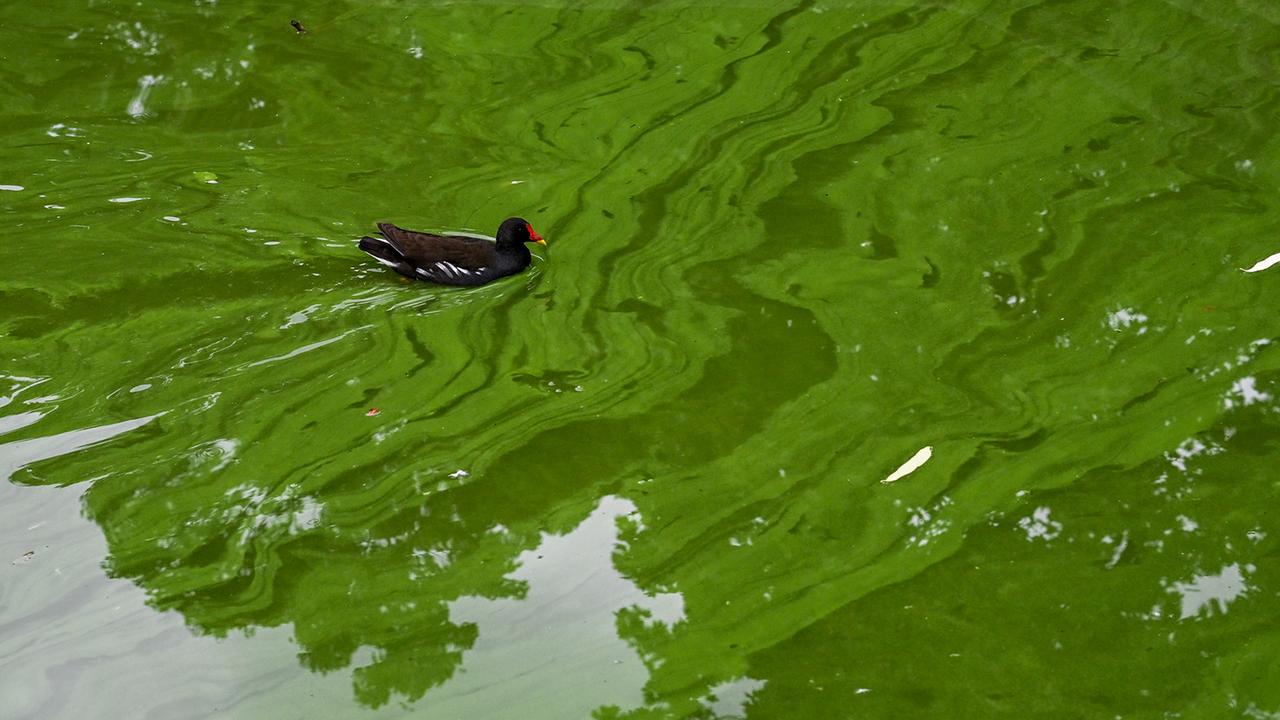
The article notes that the impact of these microorganisms is often felt in trivial ways first—such as when a freshly painted, expensive "America-blue" reflecting pool in Washington turns an unsightly "eco-green" due to algal growth. However, these visible, annoying blooms are symptoms of an ecosystem struggling to find balance. When we ignore the needs of these organisms, we pay the price in maintenance, water quality degradation, and, eventually, systemic environmental failure.
Official and Scientific Perspectives: The Call for Holistic Research
Professor Maria Mittag and her colleagues argue that we must shift our perception of these organisms. "A disturbance in their nature can trigger a disturbance in entire ecosystems," she warns.
The scientific consensus is shifting toward a more holistic view of the "Microverse." It is no longer sufficient to monitor only the large-scale indicators of climate change, such as melting glaciers or rising sea levels. We must also look at the microscopic foundation that sustains life.
The research team in Jena emphasizes that while humanity often spends billions on climate mitigation and urban aesthetics, we are simultaneously ignoring the invisible, self-regulating systems that make our existence possible.
Conclusion: A Delicate Balance
The study of Chlamydomonas serves as a stark reminder that the Earth is not merely a collection of physical landmarks, but a complex, biological network. When we alter the climate, we are not just changing the weather; we are fundamentally changing the behavior of the life forms that support our own survival.
As we move toward a future of rising global temperatures, the health of our oceans and freshwater systems may depend on our ability to protect the most basic units of life. We rely on these microscopic architects for every second breath we take. Perhaps it is time we afforded them the attention—and the protection—they deserve. Whether it is in the vastness of the oceans or the simplicity of a garden pond, the message is clear: if the microalgae are out of balance, the world is out of balance.