Introduction: A Vital Lifeline Under Scrutiny
In the crucible of the ongoing conflict in Ukraine, satellite internet connectivity has emerged as a critical lifeline, enabling communication, intelligence gathering, and precision targeting for Ukrainian forces. Central to this digital infrastructure is Starlink, the satellite constellation operated by Elon Musk’s SpaceX. However, recent reports suggest that the military version of Starlink, known as Starshield, is operating at a throttled speed in Ukraine, severely impacting the nation’s ability to defend itself. This development has sparked a bewildering public blame game between two of the world’s most prominent and controversial figures: Elon Musk and former US President Donald Trump. Their dispute, likened by some to a childish squabble over stolen cookies, carries profound and deadly consequences, as every reduction in warning time for Russian attacks translates directly into human lives lost. The opaqueness surrounding the throttling and the finger-pointing involved raise alarming questions about the control of critical military infrastructure and the erosion of democratic oversight in an increasingly privatized global security landscape.
Starlink’s Indispensable Role and the Shadow of Starshield
When Russia launched its full-scale invasion of Ukraine in February 2022, one of its immediate objectives was to cripple Ukraine’s communication networks. Traditional internet infrastructure was quickly damaged or compromised, leaving vast swathes of the country disconnected. It was at this critical juncture that Elon Musk’s Starlink stepped in. Within days of a plea from Ukrainian officials, SpaceX began shipping Starlink terminals to Ukraine, providing resilient, high-speed internet access that proved invaluable for both civilian populations and military operations.
Starlink terminals became essential for maintaining command and control, facilitating drone reconnaissance, coordinating troop movements, and enabling secure communication on the front lines, particularly in areas where conventional infrastructure had been destroyed. Its decentralized nature and resistance to jamming made it a game-changer, quickly integrating into Ukraine’s defense strategy.
However, the military application of Starlink has always been a point of contention and ethical debate. While the civilian Starlink service was widely praised, its dual-use nature meant it could also be deployed for offensive purposes, such as guiding drones for attacks. This led to Musk expressing reservations, publicly stating that Starlink was not intended to be used for offensive warfare.
The emergence of "Starshield" further complicates this picture. Starshield is SpaceX’s dedicated military-grade satellite network, designed for secure government communications, Earth observation, and national security missions. It offers enhanced security features and is explicitly tailored for military and intelligence applications, operating under contracts with the US government. The distinction between commercial Starlink and governmental Starshield is crucial, as it suggests different lines of authority and control. The current controversy specifically points to the throttling of this military-grade Starshield program, implying that decisions affecting Ukraine’s war efforts are being made at a high, and potentially politically motivated, level.
The Allegation of Throttling and its Deadly Impact
Reports of Starshield operating at a reduced capacity are not mere technical glitches; they represent a direct threat to Ukraine’s ability to counter Russian aggression. "Throttled speed" in a military context means slower data transmission, delayed intelligence, and diminished real-time situational awareness. For Ukrainian forces, this translates into several critical disadvantages:
- Reduced Warning Times: Slower data flow impedes the timely detection and tracking of incoming missiles, drones, and ground troop movements. This directly shortens the precious minutes available for air raid alerts, civilian evacuations, and defensive preparations, leading to increased casualties and destruction.
- Impaired Drone Operations: Drones, both for reconnaissance and attack, rely heavily on robust, low-latency satellite communication. Throttling could degrade the quality of video feeds, increase lag in control signals, and limit the range and effectiveness of these crucial assets.
- Communication Gaps: Even for basic secure communications, reduced bandwidth can create bottlenecks, making coordination between units more difficult and potentially leading to operational failures.
- Intelligence Disadvantage: The ability to gather and disseminate battlefield intelligence rapidly is paramount. Any impediment to this flow can give the adversary a critical edge.
Ukrainian officials have consistently highlighted the importance of uninterrupted and high-speed satellite communication. The impact of any deliberate throttling would undoubtedly be catastrophic, underscoring the severity of the current allegations. While specific statements from Ukraine directly confirming or detailing the throttling by name of the responsible party are scarce in public records, the consequences of such actions are indisputable and align with ongoing concerns about the reliability of external support.

The "Who Stole the Cookies?" Blame Game
The core of the controversy lies in the bewildering public exchange between Elon Musk and Donald Trump, reminiscent of a children’s game where blame is endlessly deflected. As the original article astutely observes, it mirrors the classic "Max stole the cookies" scenario, only with far graver stakes.
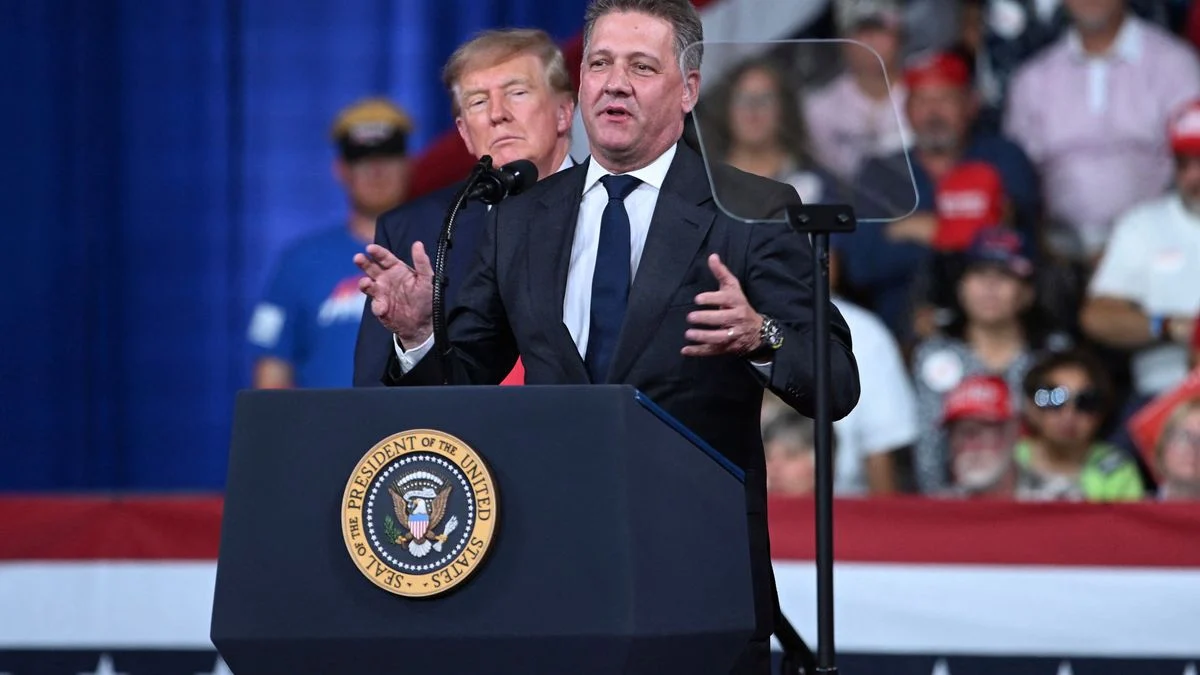
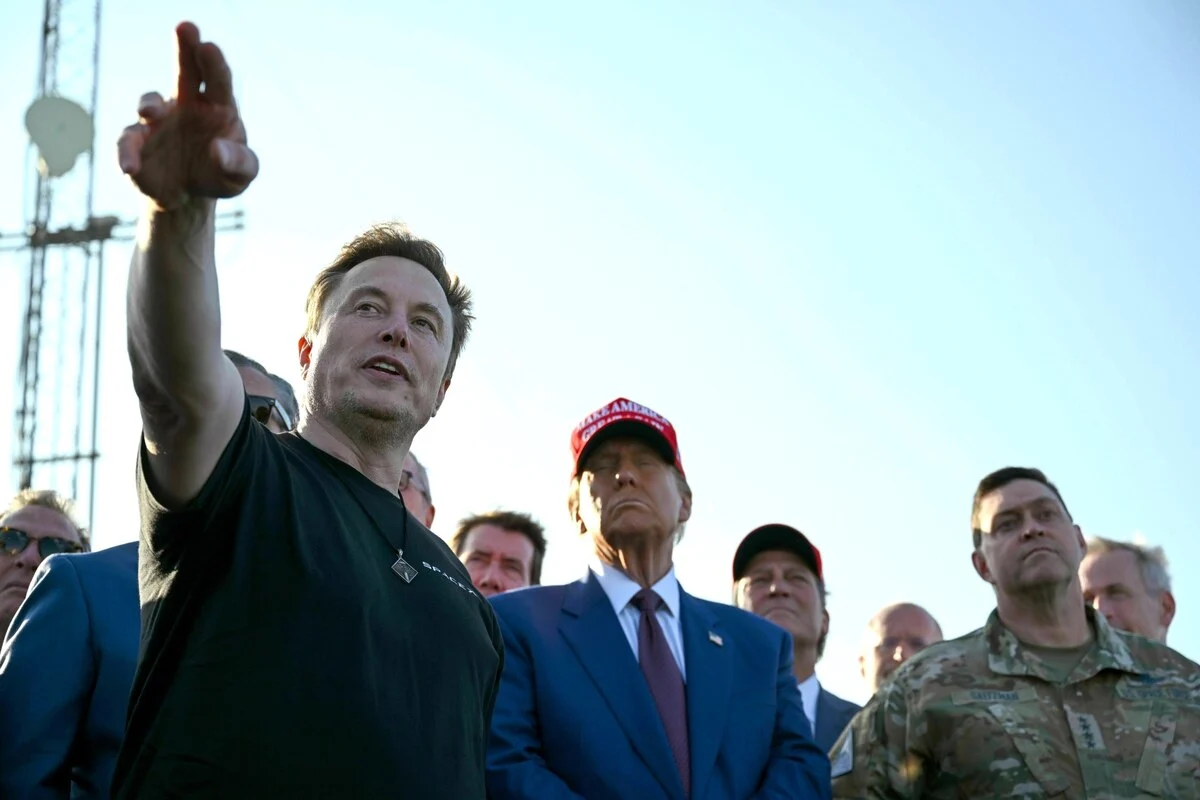
Elon Musk, known for his provocative statements on social media, has claimed that decisions regarding the military "Starshield" program are ultimately made by the "commander-in-chief," explicitly naming Donald Trump. This assertion is puzzling given that Trump is no longer the sitting President of the United States. While Trump remains a highly influential figure and a presumptive Republican presidential candidate, he holds no official military command. Musk’s statement could be interpreted in several ways: a cynical attempt to deflect responsibility, an implicit acknowledgment of Trump’s significant informal influence, or a political maneuver to align with Trump’s base, given Musk’s increasingly vocal support for Republican causes. Indeed, the context provided by related news, such as Musk’s substantial financial contributions to Republican campaigns, suggests a clear political alignment. His donation of approximately $276 million to the Republican party before the Midterm elections positions him as a major financier of Trump’s political faction, adding another layer of complexity to his public pronouncements.
Donald Trump, true to his well-established political playbook, has vehemently denied any involvement. His consistent strategy has been to claim credit for any perceived success while disavowing responsibility for failures or negative outcomes. In this instance, distancing himself from any action that could be seen as undermining Ukraine’s defense aligns with his broader "America First" and often isolationist foreign policy rhetoric, which has frequently expressed skepticism about US involvement in overseas conflicts. His denial, therefore, fits a predictable pattern of political expediency.
The public nature of this dispute, conducted largely through social media and public statements, creates an atmosphere of uncertainty and distrust. It leaves observers, and more importantly, those on the front lines in Ukraine, without clear answers regarding the operational status of a vital military asset and who is ultimately making decisions that impact their survival. The ambiguity serves to obscure accountability, a dangerous precedent when dealing with matters of war and peace.

The Dystopian Specter of Private Military Power
Beyond the immediate blame game, the situation illuminates a deeply troubling, almost dystopian, trend: the increasing influence of private corporations and individuals over matters of national security and military power, potentially beyond the direct control of democratic governments.
If Musk’s assertion were to be taken at face value – that he, or a figure like Trump, could unilaterally decide to throttle a critical military communication system – it would imply an unprecedented level of independent military agency for a private entity. The original article rightly questions this, drawing a parallel to a hypothetical scenario where a defense contractor like Rheinmetall’s CEO, Armin Papperger, might decide on his own not to deliver ordered tanks or, even more alarmingly, divert them to an adversary or establish a private army.
While private military contractors (PMCs) have long existed, providing logistical support, security, and even combat services, their operations are typically governed by contracts and oversight from state actors. SpaceX, however, is not merely a contractor supplying hardware; it controls the infrastructure itself, giving it immense leverage. The ability to switch off, slow down, or dictate the terms of critical communication networks effectively grants a private company a significant measure of geopolitical power, blurring the lines between corporate interests and national defense.
This scenario raises profound questions about democratic accountability. The deployment and use of military force, traditionally a closely guarded prerogative of sovereign states, is subject to parliamentary debate, public scrutiny, and legal frameworks. When key components of military capability fall under the discretionary power of private individuals or companies, these vital checks and balances are circumvented. The profit motives of corporations or the political leanings of their CEOs could, in theory, supersede national interests or humanitarian concerns, leading to an erosion of democratic control over the instruments of war. This is a dangerous precedent for global security and democratic governance.

Plausible Deniability: A Cloak for Action
The concept of "plausible deniability" provides another lens through which to analyze this Starlink controversy. Originating in intelligence circles, plausible deniability refers to the ability of a person or entity to deny knowledge of or responsibility for any questionable or illegal actions committed by others, because of a lack of evidence that can confirm their involvement. In essence, it’s about creating enough ambiguity to escape direct accountability.
In the context of the Starlink throttling, the public spat between Musk and Trump, regardless of who is actually responsible, effectively creates a smokescreen. The lack of clear, verifiable information about who ordered the throttling, why, and through what mechanism allows all parties to evade direct responsibility. This ambiguity is highly advantageous for actors who wish to exert influence without facing direct repercussions.
- For Musk: It allows him to claim political pressure or external control, absolving SpaceX of unilateral decision-making that might be unpopular or detrimental to its reputation.
- For Trump: It allows him to maintain his narrative of non-involvement, avoiding blame for any perceived weakening of Ukraine’s defenses, while potentially still benefiting politically from the actual outcome if his base views it favorably.
- For potentially other actors (e.g., US government factions): The opaqueness could serve to obscure internal debates or policy shifts, preventing direct criticism.
This tactic is often employed in hybrid warfare, where state and non-state actors engage in subversive activities without leaving clear fingerprints, making attribution difficult and retaliation challenging. The Starlink scenario, though not directly hybrid warfare, shares characteristics of obfuscation and indirect influence, where a critical military capability is affected without a clear chain of command or accountability. The confusion itself becomes a tool, hindering effective response and fostering distrust.
The Broader Geopolitical Chessboard

The Starlink throttling incident does not exist in a vacuum; it is deeply intertwined with the broader geopolitical landscape and the precarious state of international relations.
Firstly, it casts a long shadow over US support for Ukraine. With a potential return of Donald Trump to the presidency, there is considerable anxiety among allies and in Ukraine itself regarding the future of US aid and commitment. Trump’s past rhetoric and actions have often suggested a transactional approach to alliances and a willingness to engage with Russia. This incident, with its implicit or explicit link to Trump, fuels fears that critical support for Ukraine could be manipulated for political gain or withdrawn entirely.
Secondly, it exacerbates European anxieties. European nations have been grappling with the need to bolster their own defense capabilities and reduce reliance on the US. An incident where a vital American-controlled (even if private) asset is seemingly subject to political whims underscores the vulnerability of relying on external technological providers, particularly those tied to the unpredictable US political cycle. This could accelerate calls for European strategic autonomy in critical technologies and defense infrastructure.
Finally, the ambiguity and confusion surrounding the Starlink throttling undoubtedly serve Russia’s strategic interests. Any disarray or perceived weakening of Ukraine’s defenses, or any public squabble among its supporters, is a propaganda victory for the Kremlin. It creates an impression of disunity and unreliability among Western allies, potentially emboldening Russia’s aggressive stance.
The intertwining of advanced technology, private corporate power, and high-stakes geopolitics in this incident highlights a new frontier in modern warfare and international relations. The digital battleground is not merely about cyberattacks but also about the control and manipulation of the very infrastructure that underpins modern military capabilities.

Conclusion: A Call for Clarity and Accountability
The alleged throttling of Starshield in Ukraine, and the subsequent blame game between Elon Musk and Donald Trump, is far more than a trivial dispute. It is a deadly serious matter with immediate humanitarian consequences and long-term implications for democratic control over military power. The immediate impact – shortened warning times and increased casualties in Ukraine – demands urgent resolution and transparency.
The situation exposes a dangerous vulnerability in global security, where critical infrastructure can be influenced or controlled by private entities, potentially outside the clear oversight of democratic governments. This raises fundamental questions about who holds ultimate authority in conflicts and whether technological innovation is outstripping the capacity for political and ethical governance.
While the original article’s conclusion that "Donald stole the cookies" points to a likely culprit based on historical patterns, the journalistic imperative remains to seek definitive proof and demand accountability. The international community, and particularly the US government, must press for clarity on the operational status of Starshield and the decision-making processes governing its use in conflict zones. Without transparent answers and robust democratic oversight, the world risks entering a new era where the fate of nations can be swayed not just by statecraft, but by the opaque actions and political alignments of powerful private actors. The stakes are too high for this to remain a game of "who, me?"