


While high-income nations celebrate a monumental decline in cervical cancer cases due to robust vaccination programs, a darker reality is unfolding on a global scale. A sobering new study reveals that despite the existence of highly effective vaccines, the world is sleepwalking toward a significant surge in cervical cancer cases and mortality by 2050. This divide, primarily between wealthy nations and low-to-middle-income countries, highlights a profound failure in global health equity.
The Core Conflict: A Tale of Two Worlds
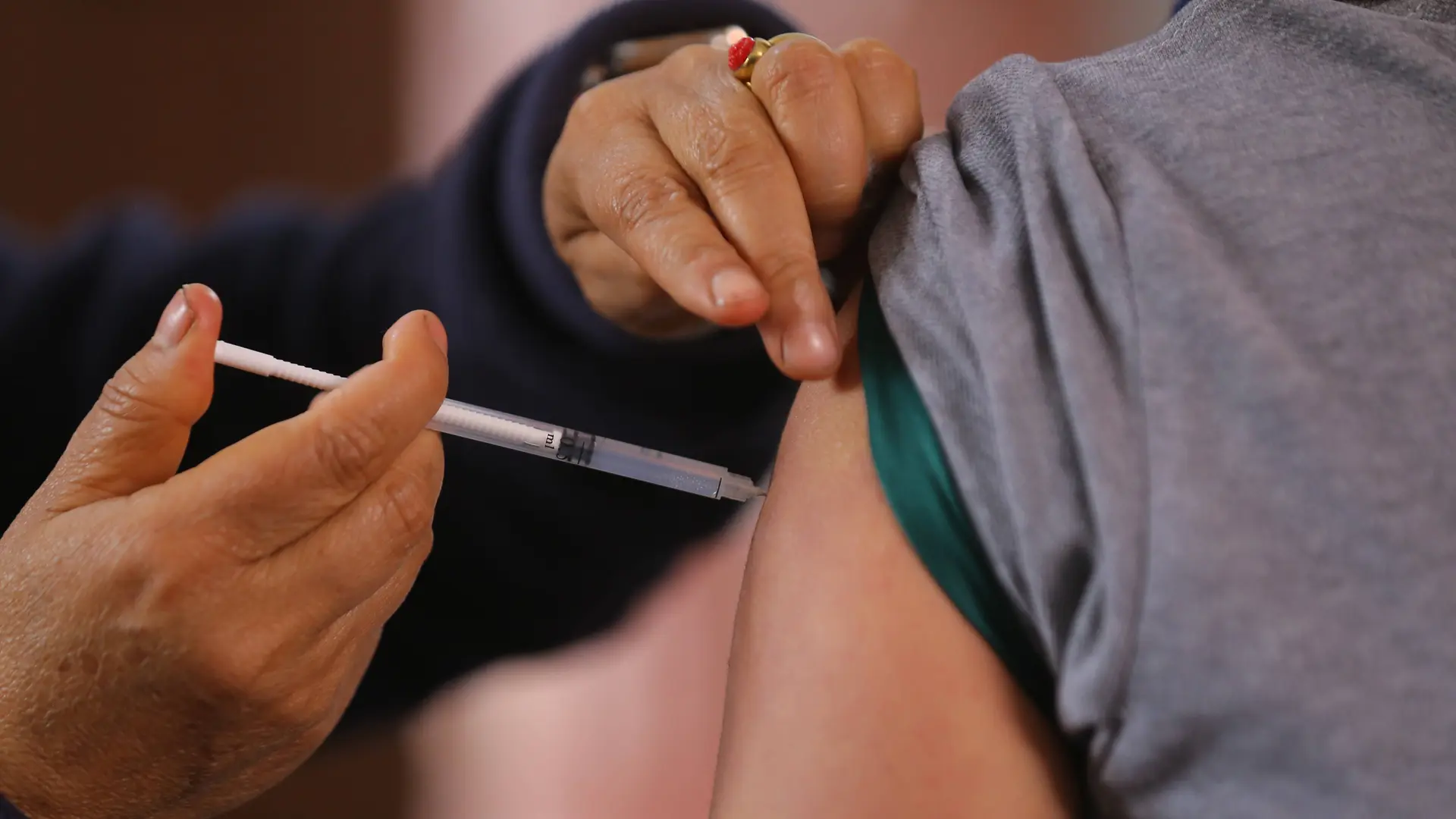
The vaccination against Human Papillomavirus (HPV) is frequently cited as one of the greatest triumphs of modern medicine. In countries like the United Kingdom and Australia, the implementation of nationwide, school-based HPV vaccination programs has led to a dramatic, measurable decrease in cervical cancer incidence. These programs target the virus at its source—preventing infection before it can lead to the cellular changes that eventually manifest as cancer.
However, a study published in Nature Medicine presents a stark counter-narrative. The research suggests that without a massive, coordinated global effort, the number of annual cervical cancer cases is projected to rise by 20.2% by 2050, with deaths expected to climb by 39.3%, reaching 522,000 annually. This is not because the virus is becoming more aggressive or more contagious; it is a consequence of demographic shifts and a lack of access to basic healthcare infrastructure.
Chronology of the HPV Challenge
To understand how we reached this crossroads, one must look at the evolution of HPV awareness and intervention:
- Pre-2000s: HPV was recognized as a common, often asymptomatic infection. Over 80% of sexually active individuals are estimated to contract at least one strain of HPV at some point in their lives.
- The Mid-2000s: The approval of the first HPV vaccines marked a turning point. Initially met with hesitation, the data soon proved that these vaccines were not only safe but nearly 100% effective at preventing the specific high-risk strains responsible for the majority of cervical cancers.
- 2010s: Nations with strong healthcare systems began incorporating the vaccine into standard pediatric schedules. Data from studies, such as the landmark 2021 research by Milena Falcaro published in The Lancet, provided empirical evidence that the vaccine was effectively "eradicating" cervical cancer in vaccinated cohorts.
- 2026 and Beyond: We are currently witnessing a bifurcation in global health. While the "HPV Atlas Germany 2026" shows that even within developed nations there is room for improvement (with regional disparities), the focus has shifted toward the existential threat facing the Global South.
Supporting Data: The Drivers of Mortality
The projected rise in cases is fundamentally driven by two factors: population growth and the aging of the female population. As the global population expands, the absolute number of women reaching the ages where cervical cancer is most prevalent—typically over the age of 40—is increasing.
In regions like Sub-Saharan Africa, the situation is particularly dire. Researchers project that in this region alone, deaths could increase by 95% by 2050. This is not a failure of medical science, but a failure of medical delivery. The vaccine exists, but the cold-chain logistics required to store it, the healthcare personnel required to administer it, and the screening programs required to detect early-stage abnormalities are largely absent in these regions.

Why Current Strategies are Insufficient
The World Health Organization (WHO) has set ambitious targets for the elimination of cervical cancer. These include the "90-70-90" goal: 90% of girls fully vaccinated by age 15, 70% of women screened with a high-performance test by age 35, and 90% of women identified with cervical disease receiving treatment.
However, the reality is that current vaccination rates in many low-to-middle-income countries remain in the single or double digits. Cervical cancer is a "disease of poverty." It disproportionately affects women who lack access to regular gynecological exams, pap smears, or HPV testing. Without these early interventions, a highly treatable pre-cancerous condition inevitably progresses into a lethal malignancy.
Implications: A Call for Global Solidarity
The projections provided by the latest research are not inevitable; they are "baseline scenarios." They illustrate the trajectory if the status quo remains unchanged. The implications are clear: the success of wealthy nations is not a global victory—it is a localized achievement that masks a deepening global health crisis.

The Economic and Ethical Imperative
The cost of inaction is staggering. Beyond the tragic loss of over half a million women annually, there is an immense economic burden on families and nations. Women in their 40s and 50s are often the pillars of their communities and economies. Their premature death due to a preventable disease creates a vacuum that ripples through generations.
The Road Map for Change
To change this trajectory, the international community must pivot toward three key strategies:
- Supply Chain Democratization: Simplifying the delivery of vaccines so they do not require extreme refrigeration is vital. The development of single-dose regimens, which have recently gained traction, could significantly increase coverage in remote areas.
- Screening Innovation: Relying on traditional cytology (Pap smears) is impractical in regions with limited laboratory infrastructure. The shift toward "screen-and-treat" models using HPV DNA testing, which can be done with minimal equipment, is a necessary evolution.
- Political Will and Funding: Funding for global health initiatives must be prioritized. Organizations like Gavi (the Vaccine Alliance) have played a massive role, but they require consistent, long-term backing from the G7 and other wealthy nations to reach the most vulnerable populations.
Conclusion: The Choice Ahead
Cervical cancer occupies a unique position in the oncology landscape. Unlike many other forms of cancer, we have the tools to make it a disease of the past. We have the vaccine to prevent it and the tests to catch it early.
The fact that we are projecting a massive increase in deaths by 2050 is a moral indictment of our current global health priorities. The gap between the Global North and the Global South is not just an economic one; it is a gap in the fundamental right to health. To reverse the current trend, we must move beyond the "success stories" of the West and commit to a strategy that treats a woman’s life in Sub-Saharan Africa with the same urgency as one in Europe or North America.
If we continue on the current path, the future of 2050 will be one of avoidable tragedy. If we choose to invest in equitable distribution and infrastructure, we have the potential to be the generation that finally marks cervical cancer as a relic of history. The science is settled; the question that remains is one of global conscience.