Introduction: A Continent at a Crossroads
The geopolitical landscape surrounding the Russo-Ukrainian War has entered its most perilous phase since the full-scale invasion of February 2022. As the Kremlin intensifies its aerial bombardment of Ukrainian infrastructure, leaving civilians to face a brutal, freezing winter, the political foundations of Western support are showing cracks. At the center of this turbulence is the increasingly erratic stance of the United States under President Donald Trump. While Kyiv fights for its survival, a cynical game of "wait-and-see" is being played in European capitals, as leaders look toward the U.S. midterm elections and the shifting winds of populist sentiment across the continent. The result is a widening gap between the rhetoric of solidarity and the reality of abandonment.
The Main Facts: A New Axis of Negligence
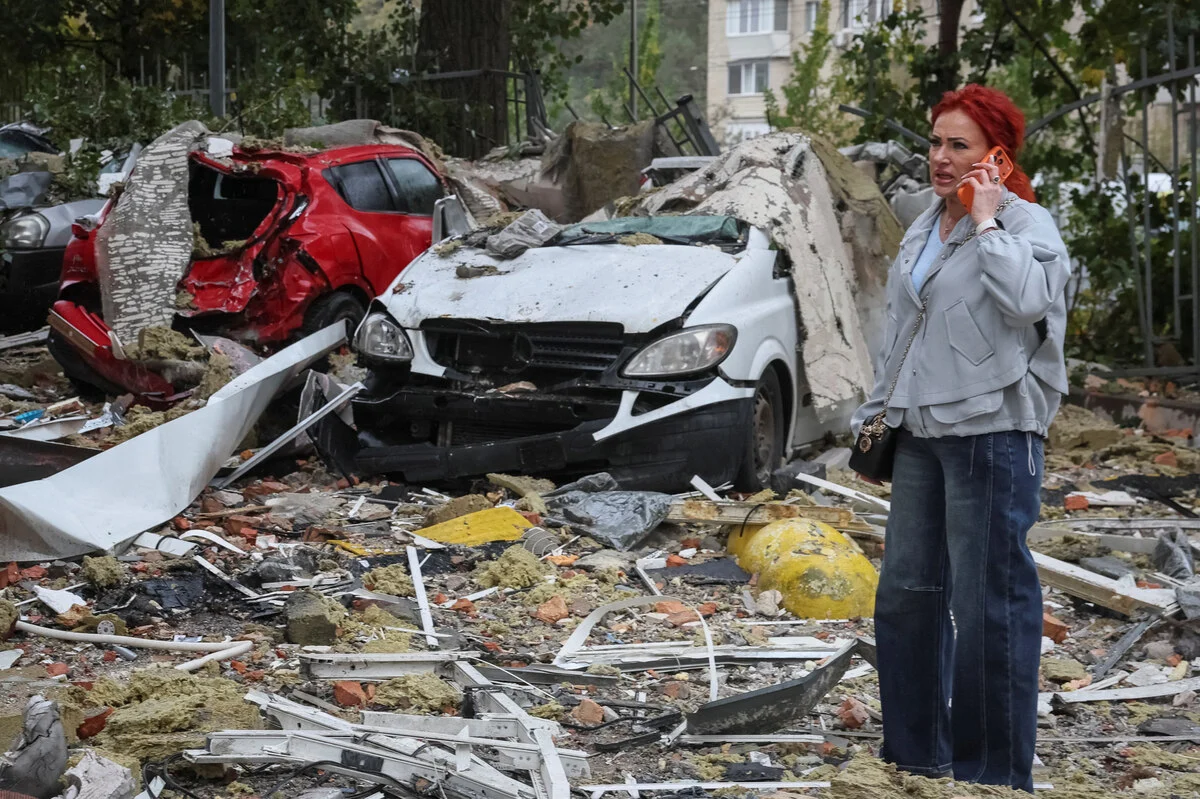
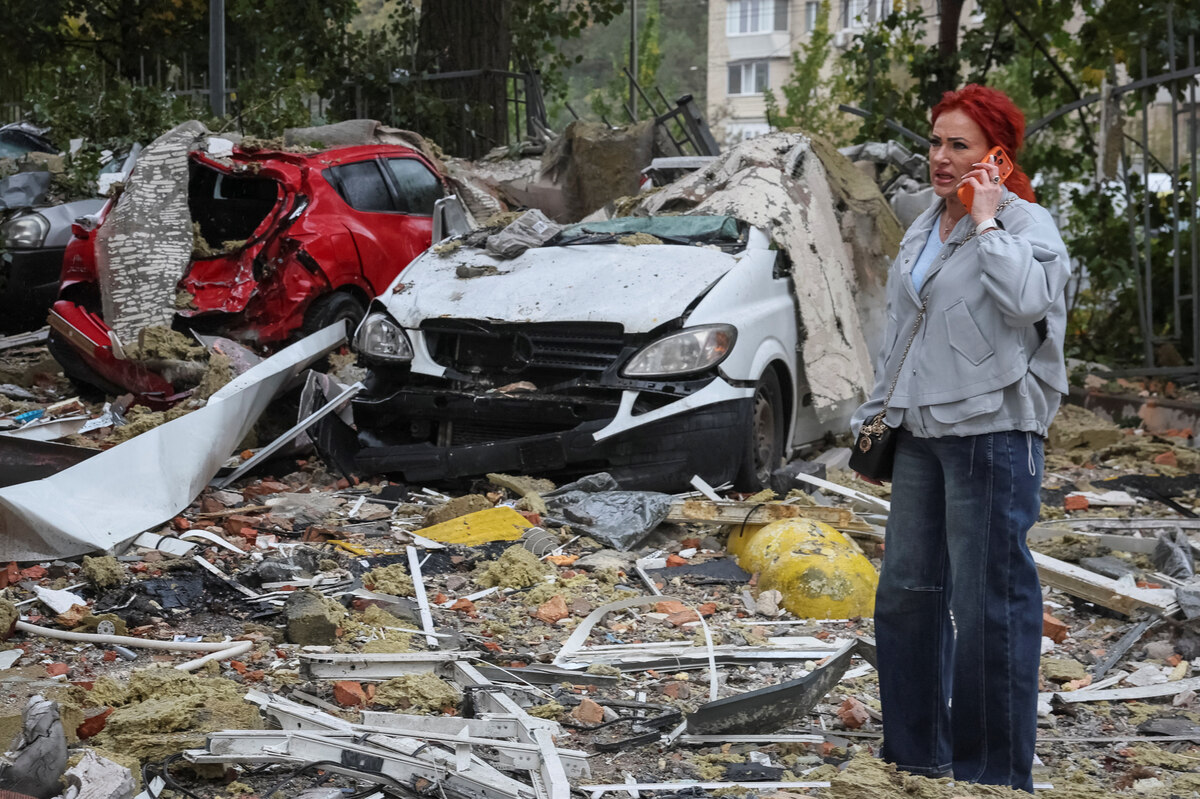
The current reality on the ground is grim. Russian forces continue to launch hundreds of drones and missiles daily, systematically targeting urban centers like Kyiv. The objective is clear: to erode the Ukrainian will to resist by destroying energy infrastructure and terrorizing the population.
Simultaneously, the diplomatic front has witnessed a troubling pivot. Following a meeting between Russian officials and Steve Witkoff, a special envoy appointed by President Trump, the Kremlin has signaled a willingness to entertain talks regarding a ceasefire. However, the terms are chilling: these negotiations would exclude Ukrainian representation, focusing instead on a grand bargain between Moscow, Washington, and Beijing. By sidelining the victim of the aggression, the U.S. appears to be signaling a willingness to trade Ukrainian sovereignty for a temporary, fragile stability that favors Russian security interests.
Chronology: From Resistance to Abandonment
- February 2022: Russia launches its full-scale invasion, triggering a wave of unprecedented Western support and the freezing of 210 billion euros in Russian central bank assets held by the financial services giant Euroclear.
- Mid-2024: The war reaches a stalemate, with Russia pivoting toward a war of attrition. Internal political shifts in the U.S. begin to signal a potential fatigue regarding military aid to Kyiv.
- October 2026: Russian air strikes on Kyiv reach new levels of intensity. Diplomatic back-channels emerge, involving U.S. envoys such as Steve Witkoff and Jared Kushner, signaling a shift toward a Trump-brokered deal.
- November 2026: The global focus shifts to the U.S. midterm elections, with European leaders largely freezing their policy commitments in anticipation of a potential shift in American foreign policy.
- December 2026/January 2027 (Projected): A predicted humanitarian crisis as Ukraine faces a winter with crippled energy grids, while political uncertainty persists in the EU.
Supporting Data: The Cost of Complacency
The scale of the European hypocrisy is measurable in both blood and treasure. Since the beginning of the war, the irony of the financial situation has become impossible to ignore. Despite providing billions in aid, the countries of the European Union have collectively spent approximately 239 billion euros on Russian fossil fuels. This massive transfer of wealth has essentially acted as a subsidy for the Russian war machine, effectively financing the very destruction that European taxpayers are trying to mitigate with their aid packages.

Furthermore, the "frozen" Russian assets—the 210 billion euros held at Euroclear—remain trapped in a bureaucratic limbo. While there have been continuous calls to seize these funds and redirect them to the Ukrainian state to bolster its collapsing economy and defense capabilities, the legal and political hesitation has prevented any decisive action. This inaction is compounded by the ongoing blockade of the Black Sea. With Ukrainian grain unable to reach global markets, the country’s export-driven economy is in a state of paralysis, turning a thriving agricultural powerhouse into an aid-dependent state.
Official Responses and Diplomatic Maneuvers
The Kremlin’s strategy is a masterclass in exploiting democratic fragility. Vladimir Putin is playing a long game, looking beyond the current administration in Washington. By suggesting that peace talks be delayed until next month, and hinting at a "three-way" deal with China, Putin is effectively trying to force a new world order that ignores the sovereignty of smaller nations.

European leaders, meanwhile, remain caught in a web of their own making. Countries like Poland, Romania, and the Slovak Republic have faced criticism for allowing grain shipments to languish at borders, prioritizing domestic protectionism over the survival of their neighbor. While rhetoric in Brussels remains supportive, the lack of high-grade military equipment—specifically the long-range assets required to strike Russian logistics deep within their own territory—remains a sticking point. Europe continues to provide enough to keep Ukraine from falling immediately, but not enough to win the war, creating a state of perpetual, bleeding stalemate.
Implications: The High Price of Failure
The implications of this trajectory are dire. If the current trend continues, the West is not merely failing Ukraine; it is failing itself.

- Security Consequences: Should a "peace" deal be forced upon Ukraine that involves territorial concessions or the neutralization of its military without adequate guarantees, Russia will have successfully demonstrated that the international rules-based order is toothless. This will inevitably lead to increased regional instability.
- The Rise of Populism: The hesitation of European governments is not solely based on a lack of resources, but a fear of domestic blowback. The potential rise of leaders like Marine Le Pen in France threatens to unravel the fragile unity of the EU. If the alliance breaks, the security costs of containing a emboldened Russia will dwarf the current costs of supporting Ukraine.
- The Moral Deficit: Perhaps most damaging is the erosion of moral authority. By engaging in "hypocritical solidarity"—offering weapons with one hand while buying Russian gas and blocking Ukrainian trade with the other—the West is losing the battle for the global narrative.
Conclusion: A Final Warning
The path forward is clear, yet the political will remains absent. The confiscation of the 210 billion euros in Russian assets is not just a financial necessity; it is a moral imperative. Furthermore, the decoupling of European energy from Russian influence must be completed, not merely discussed.
Ukraine is not just fighting for its own borders; it is fighting for the principle that sovereignty cannot be traded away in a backroom deal between autocrats and distracted Western politicians. If Europe and the United States continue to prioritize short-term political convenience over long-term stability, they will eventually find that they have paid a much higher price for a "peace" that is, in reality, merely a prelude to a wider, more devastating conflict. The window for meaningful, decisive action is closing, and history will not look kindly upon those who, when faced with the choice between principle and expediency, chose the latter.