In a landscape defined by rapid-fire social media consumption and the relentless pursuit of engagement metrics, the linguistic barometer of the younger generation has spoken. "Ragebait"—a term describing content engineered specifically to provoke outrage—has officially been crowned the German Youth Word of the Year for 2026.
The announcement, delivered by the Langenscheidt publishing house at the prestigious Frankfurt Book Fair, marks a significant reflection of the current digital climate. In an era where algorithmic amplification rewards high-emotion reactions, "Ragebait" has become a staple of the lexicon used by Gen Z and Gen Alpha to describe the manipulative tactics they encounter daily in their feeds.
The Anatomy of "Ragebait"
At its core, "Ragebait" (a portmanteau of "rage" and "bait") refers to online posts, videos, or commentary designed to trigger an immediate, emotional response—usually anger, disgust, or moral outrage. The mechanism is simple: by posting intentionally polarizing, incorrect, or absurd content, creators bait users into the comments section.
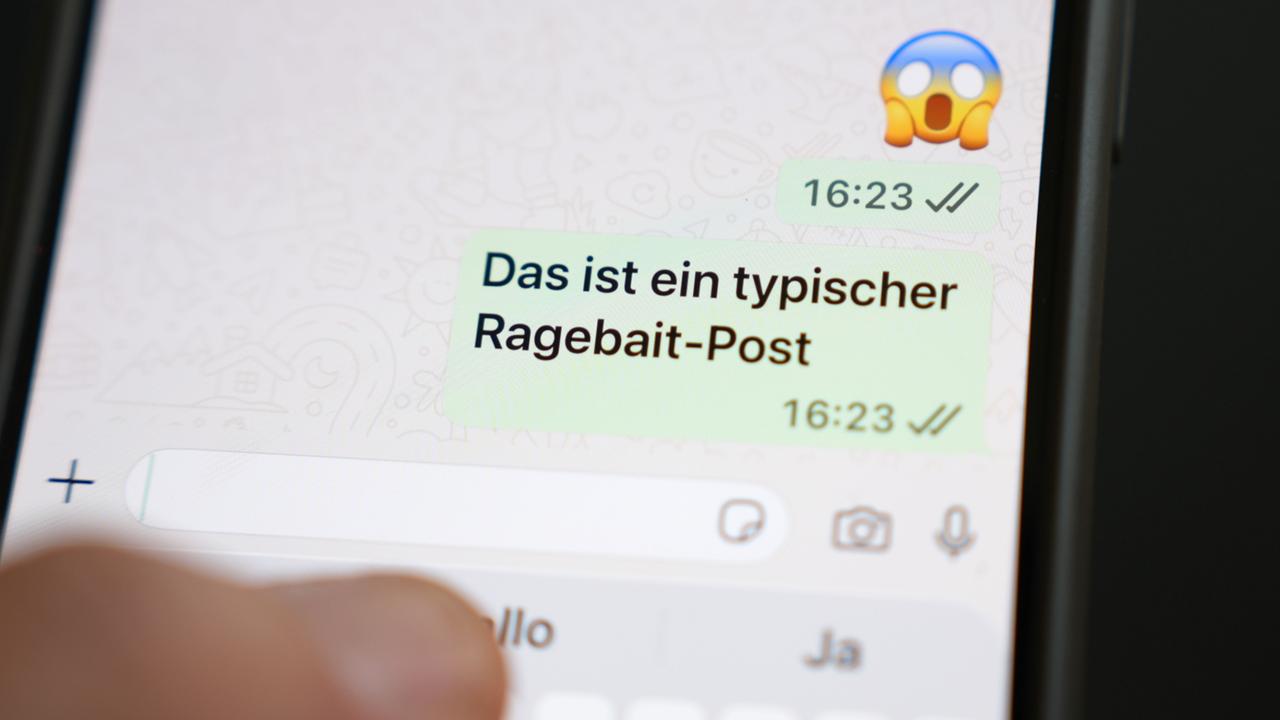
In the eyes of the youth, the term serves as a critical defense mechanism. By labeling a piece of content as "Ragebait," users are effectively stripping the creator of their power, signaling that they recognize the manipulation at play and are refusing to engage in the performative controversy the creator desires. It is a linguistic tool for digital literacy, highlighting a growing sophistication among young users who are increasingly aware of how their attention is being commodified.
A Tight Race: The 2026 Finalists
The selection process for the Youth Word of the Year is a rigorous, multi-stage democratic endeavor. This year, the competition was particularly fierce, reflecting a diverse linguistic evolution among teenagers. "Ragebait" emerged victorious after a nail-biting finish, narrowly edging out its two main competitors.
The Breakdown of the Vote
The final results, as released by Langenscheidt, provide a fascinating look at the hierarchy of teenage concerns:
- Ragebait (36.5%): The winner, highlighting the obsession with performative digital outrage.
- Peak (33.8%): A term used to denote the "best of the best" or the pinnacle of an experience, often used ironically to describe situations that are either exceptionally good or, conversely, hilariously underwhelming.
- Crashout (29.7%): A term borrowed from street and internet subculture, describing someone who has completely lost their composure, is acting recklessly, or is on the verge of a total breakdown.
The narrow margins between the top three candidates demonstrate that while teenagers are deeply concerned with the toxicity of social media, they are equally engaged with concepts of quality ("Peak") and behavioral volatility ("Crashout").
Chronology: From Niche Slang to Cultural Mainstream
The journey of a word to the "Youth Word of the Year" podium typically follows a specific trajectory: emergence in niche gaming or TikTok subcultures, rapid adoption across global platforms, and finally, integration into the vernacular of the general youth population.
- Early 2026: "Ragebait" began appearing with high frequency on platforms like TikTok and Instagram Reels. It was used primarily to critique influencers who were intentionally posting controversial takes to boost their engagement metrics.
- Spring 2026: The term gained institutional legitimacy as media critics and social scientists began using it to describe the "attention economy."
- Summer 2026: The Langenscheidt voting campaign launched. Over one million young people participated in the preliminary rounds, whittling down hundreds of submissions to the final trio.
- October 10, 2026: The announcement at the Frankfurt Book Fair finalized the term’s status as the definitive linguistic snapshot of the year.
Supporting Data: Why "Ragebait" Won
While the Langenscheidt publishing house did not release granular demographic data on the voting patterns, industry experts suggest that the rise of "Ragebait" is a direct response to the "algorithmization" of social media.
According to various digital trend reports, content that triggers a "high-arousal" emotional state—such as anger—is statistically more likely to be shared and commented upon than content that triggers "low-arousal" states like sadness or contentment. Young users, who spend an average of several hours a day on these platforms, are the most exposed to this phenomenon. By naming it, the youth are reclaiming agency over their digital environments. It is not merely a label; it is a rejection of the algorithmic manipulation that seeks to turn their personal time into a weaponized political or social battlefield.
Official Responses and Linguistic Context
The selection of the Youth Word of the Year is often met with a mix of amusement and genuine sociological interest. Representatives from Langenscheidt noted that this year’s winner stands out for its descriptive, almost cautionary nature. Unlike previous years, where winners often focused on positive affirmation (such as "Goat" or "Slay"), "Ragebait" is inherently cynical.
Linguists have pointed out that the 2026 selection reflects a shift toward "meta-slang." The youth are not just creating words to describe their feelings; they are creating words to describe the process of how media influences their feelings. This indicates a growing skepticism toward traditional media and digital gatekeepers.
Implications: What Does This Mean for the Future?
The coronation of "Ragebait" has significant implications for how we view the digital landscape of the late 2020s.
1. Increased Media Literacy
The popularity of the term suggests that the "digital native" generation is becoming increasingly media-literate. By identifying a post as "Ragebait," they are practicing a form of critical thinking that was largely absent in the earlier, more naive years of the internet. This could lead to a future where creators are forced to move away from low-quality, high-outrage content because their primary audience is no longer "buying" the bait.
2. The Fragmentation of Language
The fact that "Peak" and "Crashout" were such strong contenders shows the diverse influences on modern youth language. "Peak" originates from internet gaming culture, while "Crashout" is deeply rooted in urban linguistic shifts. The competition for the top spot highlights that there is no longer a single "youth culture," but rather a fragmented landscape of subcultures that intersect through social media.
3. The Role of the Publishing Industry
The tradition of the Youth Word of the Year, which began in 2008, continues to serve as a vital link between generations. It forces older demographics to engage with the realities of the modern internet. Last year’s winner, "das crazy," was a relatively mild addition to the German language; "Ragebait" is a much more pointed critique of the world as it currently exists.
A Legacy of Linguistic Evolution
Since its inception, the Youth Word election has captured the zeitgeist of German teenagers. From the early days of "Gammelfleischparty" (a derogatory term for parties for older people) to the modern era of "Ragebait," the list acts as an annual audit of the cultural anxieties and trends of the time.
As we look toward the remainder of 2026, it is clear that "Ragebait" will continue to be a dominant force in the online conversation. Whether it will fade into obscurity or become a permanent fixture in the dictionary remains to be seen. However, for now, it stands as a testament to a generation that sees the strings of the digital puppet show—and has decided to call them out.
In the words of the youth, recognizing "Ragebait" is the first step toward reclaiming one’s feed. It is a signal of maturity, a tool for communication, and a clear, sharp warning to anyone who thinks they can easily manipulate the digital discourse of the future. The era of the "Wutköder" has officially arrived, and it is here to stay.